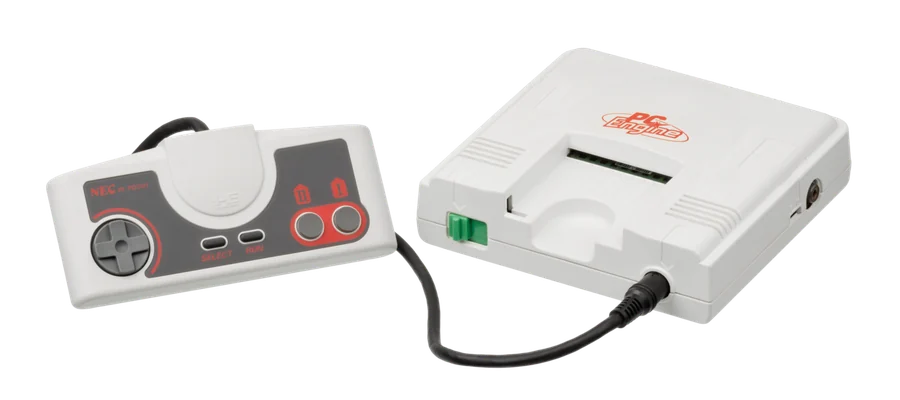
 NEC · 1987
Game consoles
PC Engine / TurboGrafx-16
History & context
When NEC, in cooperation with the developer studio Hudson Soft, launched the PC Engine in Japan in 1987, few suspected that one of the most fascinating "what if" chapters of gaming history was being born. A tiny white box about the size of a couple of cigarette packs dazzled with performance that put the reigning market leaders to shame. In Japan the PC Engine became a huge hit and for a while even outsold the Nintendo Famicom. In the West the console arrived only in 1989 under the name TurboGrafx-16 — and due to unfortunate marketing and poor timing against the rising Sega Genesis, it remained more of a strange curiosity.
The paradox starts with the name itself. Despite the "16" label, the PC Engine was powered by an 8-bit core (a custom HuC6280 processor derived from the famous 6502 family). The secret of its success, however, was an exceptionally capable graphics chip, thanks to which the machine rivaled truly 16-bit consoles in performance. The PC Engine thus filled a peculiar mid-generation gap between the NES and the arrival of the SNES or Mega Drive. And above all: it was the very first system with a CD add-on (the CD-ROM² from 1988), beating the competition by years.
Technology: graphics and sound
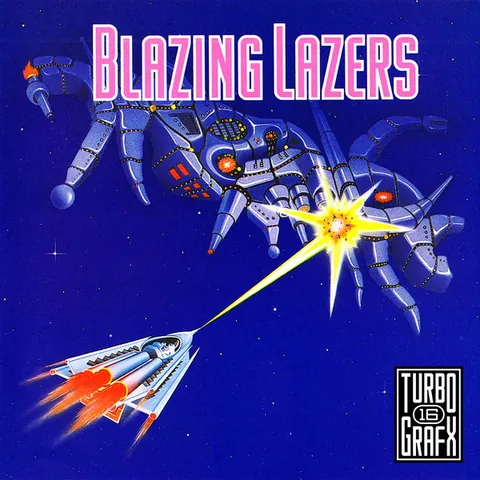
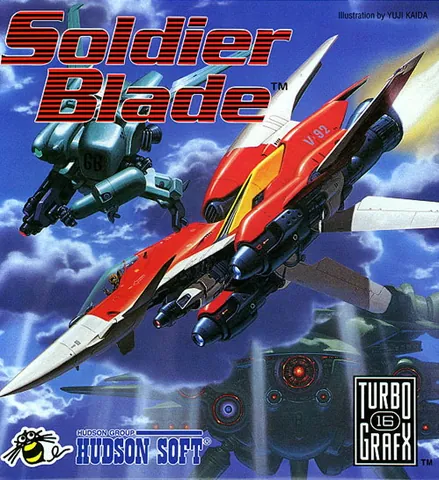
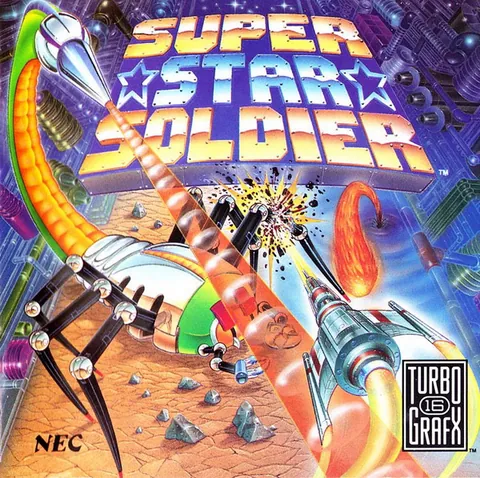
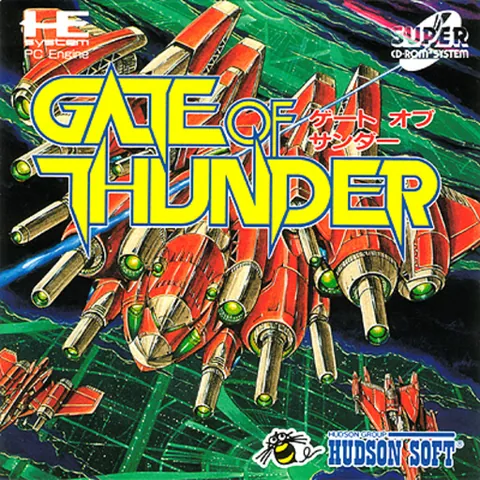
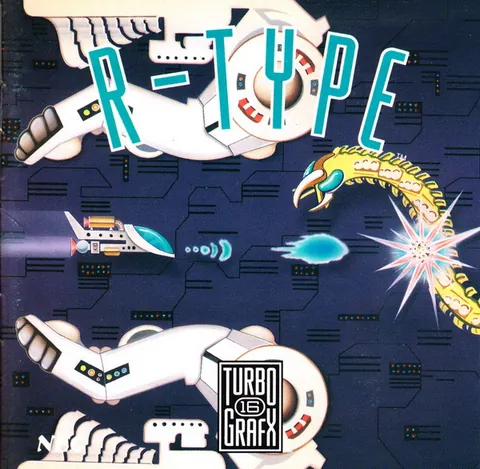
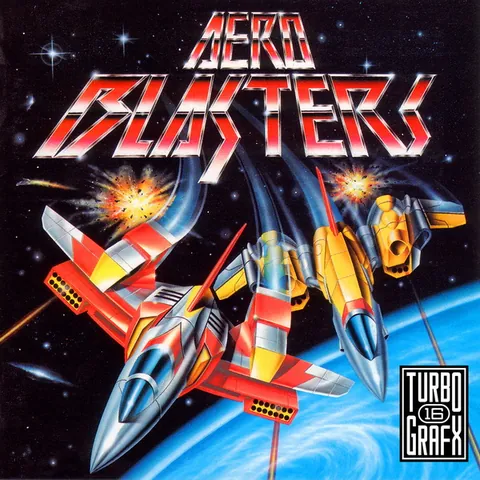
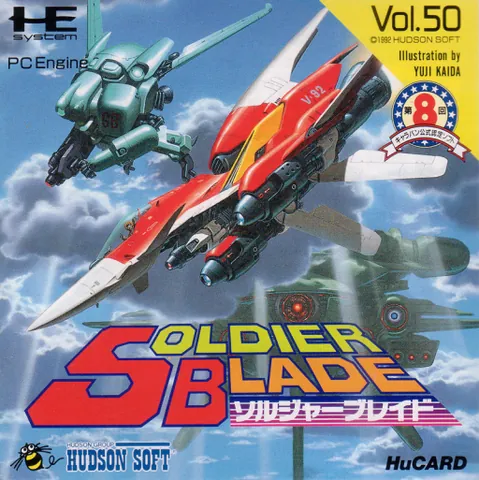
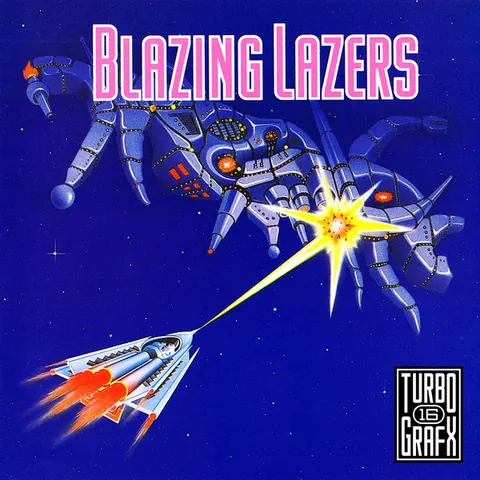
At the heart of the graphics is a pair of chips, the HuC6270 (VDC) and the HuC6260 (VCE). The console can display up to 482 colors at once from a palette of 512 colors and operates with a generous count of 64 sprites on screen, with individual sprites able to be up to 32×64 pixels large. The standard resolution hovered around 256×239, but the hardware also supported wider modes. It was precisely this combination of many large, colorful sprites and smooth scrolling that made the PC Engine a paradise platform for both vertical and horizontal shoot-'em-ups (shmups) — a library of titles such as Soldier Blade, Super Star Soldier or Blazing Lazers ranks among the best on any console.
The sound is handled by a programmable generator right inside the processor: six wavetable channels, two of which can also work as a noise generator for percussion. Wavetable synthesis gave the music a characteristically clean, melodic sound. With the arrival of the CD-ROM add-on came an additional redbook CD audio track — games suddenly offered full recorded soundtracks, voice acting and animations, while the competition was still beeping out chip music from cartridges.
Connectivity and peripherals
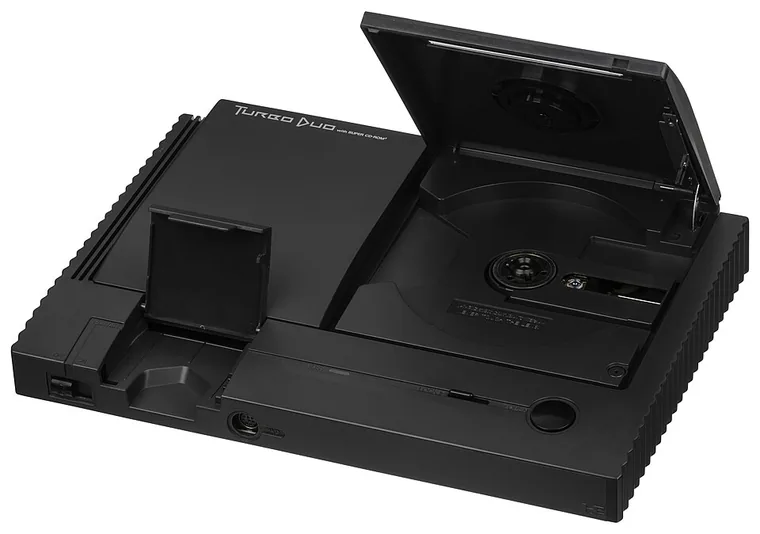
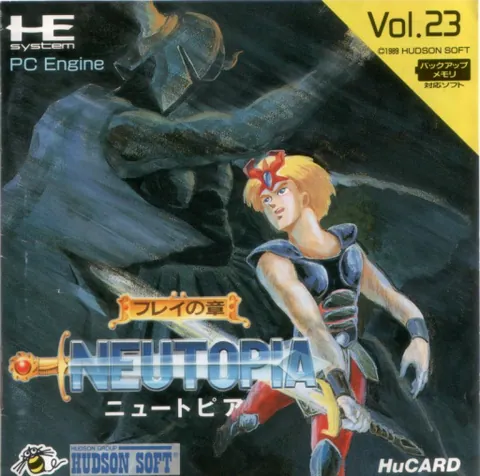
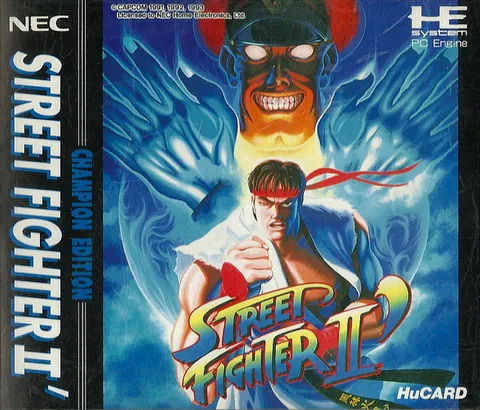
Games were originally loaded from a HuCard (in the West the TurboChip) — flat cards roughly the size of a credit card, inspired by the then-current Hudson Bee Card memory. An absolutely key add-on was the already mentioned CD-ROM² (1988), later improved with the Super CD-ROM² with more buffer memory; there was also a compact all-in-one model, the PC Engine Duo, which integrated the drive right into the body.
For multiplayer there was the TurboTap (Multitap) adapter, which allowed connecting up to five controllers — the console itself had only a single port. Among the peripherals was also the Turbo Pad controller with an autofire switch, a light gun, and in Japan even a portable version. RF/composite AV output was the standard.
Models and revisions
A whole range of variants emerged. After the basic PC Engine came the smaller PC Engine Shuttle, the luxurious PC Engine CoreGrafx and the CoreGrafx II with improved AV output, or the portable PC Engine GT (in the West the TurboExpress) with a color LCD that played ordinary HuCards. The pinnacle was the integrated PC Engine Duo (and its successors the Duo-R and Duo-RX) combining the console and CD drive in a single piece. NEC also produced the PC Engine LT in the form of a small laptop with a built-in monitor. In the West the ecosystem shrank mainly to the TurboGrafx-16 and the TurboGrafx-CD add-on, or the combined TurboDuo.
Clones and variants
Official clones of the PC Engine practically did not exist — it was a closed NEC platform. In the West the console was briefly licensed by Telegames. In North America, by contrast, toward the end of its commercial life the successor PC-FX (1994) was released, though it never repeated the success.
For the Czech and Czechoslovak retro gamer it is honest to admit that we practically don't know the PC Engine here in the 1980s and 1990s — unlike the ZX Spectrum (and its domestic clone the Didaktik) or the NES (spread via famiclones and the Polish Pegasus), neither the PC Engine nor the TurboGrafx officially reached us. It was a purely import rarity known only to a narrow circle of enthusiasts. All the more it is a discoverer's delicacy today.
Today's scene
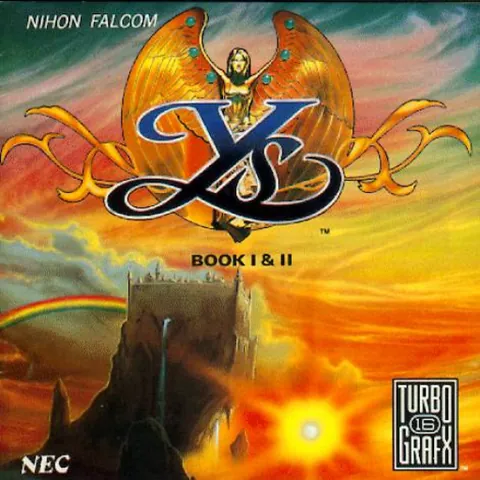
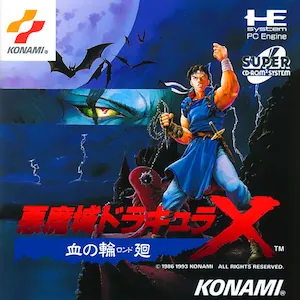
Right now the PC Engine is experiencing a renaissance. Emulation is mature: HuCard games run flawlessly, CD titles need only the appropriate BIOS file (System Card) and a bit more storage. Long-unavailable gems such as Castlevania: Rondo of Blood or Ys Book I & II have, thanks to emulation and official reissues, finally reached Western audiences. The homebrew scene is also active and collectors hunt for original HuCards. If you want to step out of the Nintendo and Sega mainstream, the PC Engine is one of the best tips — especially for lovers of shoot-'em-ups.
Games on this platform (38)
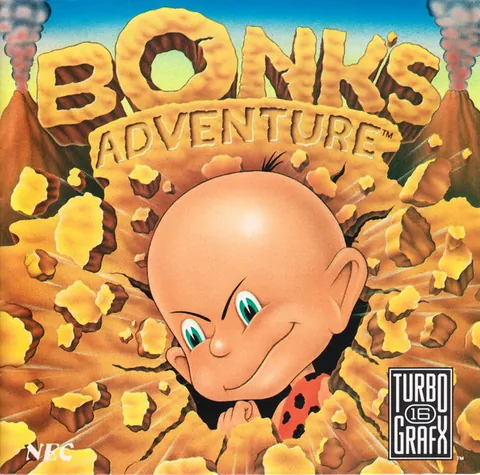
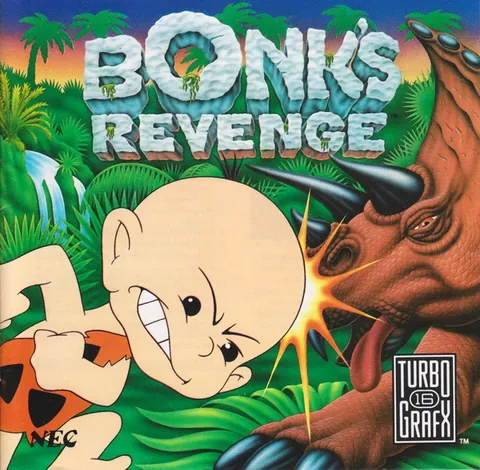
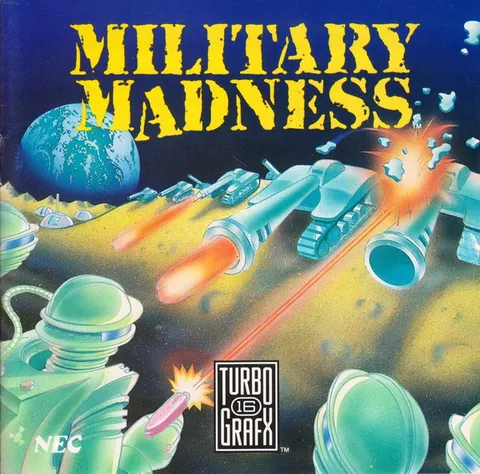
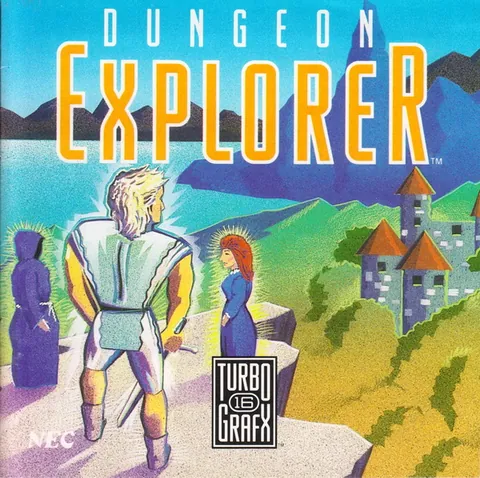
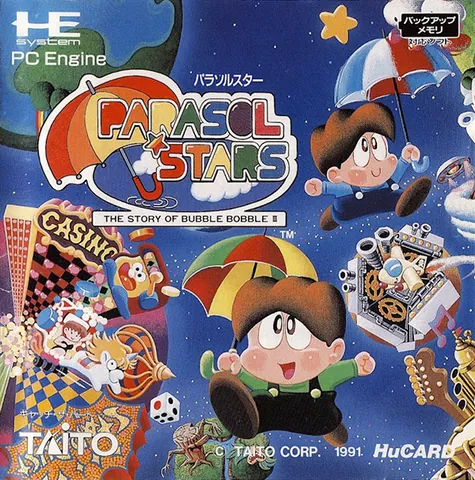
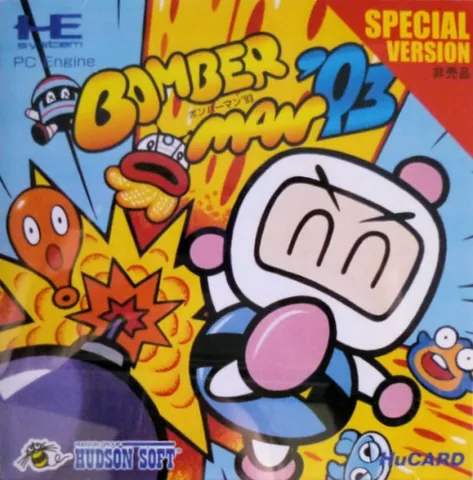
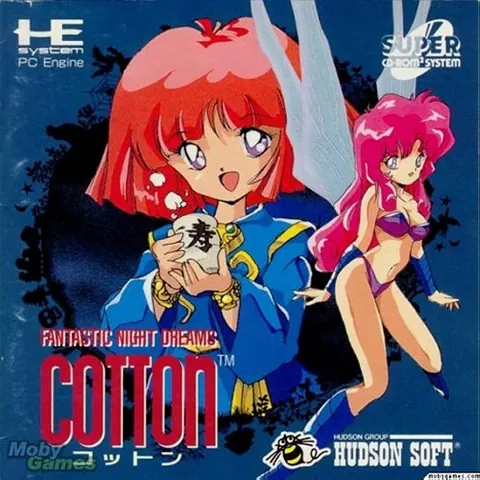
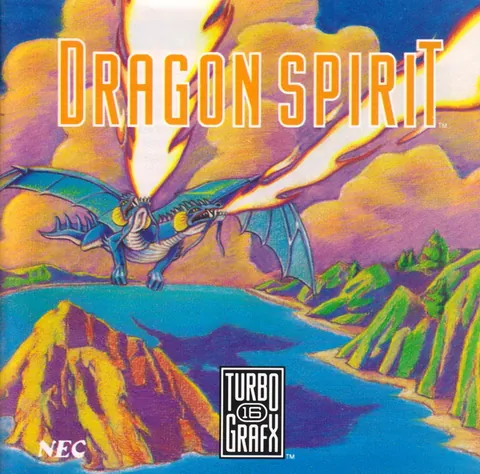
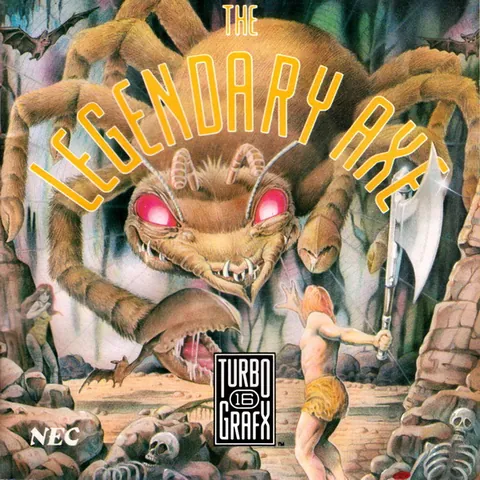
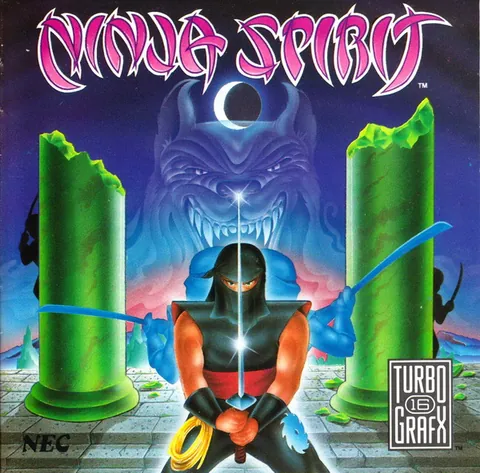
No game in this genre.