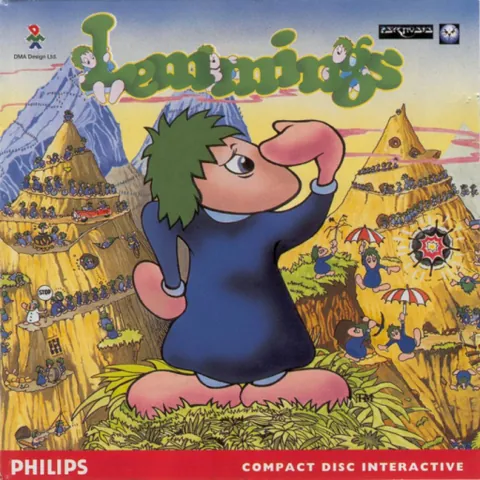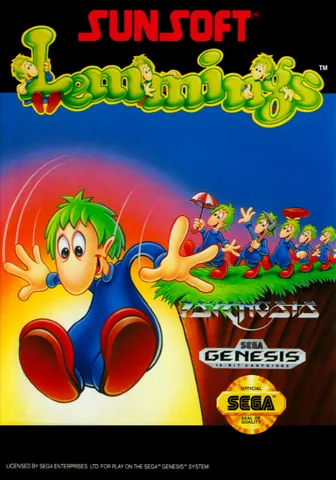
Lemmings
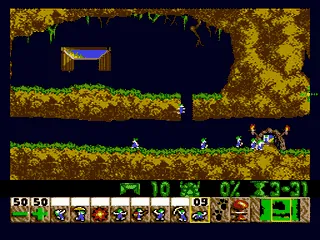
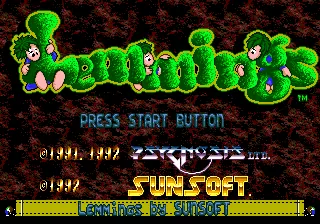
Hundreds of little green-haired creatures charge headlong toward certain doom, and the only one who can save them is you. Lemmings on the SEGA Mega Drive brings one of the most addictive puzzle ideas of the nineties to Sega's sixteen-bit console.
The game was created by the Scottish studio DMA Design, the team that later became famous for the Grand Theft Auto series, and it was published by Psygnosis in the early nineties. The lemmings march forward on their own and blindly fall into chasms, lava, or traps, so your task is to assign individual ones skills with which you save the whole group. They become diggers, stair builders, blockers who stop the others, or unfortunates who blow themselves up to break through a path.
The magic of the game lies in the growing complexity of the puzzles. You start with simple tasks where digging a tunnel is enough, but soon you must juggle a limited number of skills, time pressure, and hundreds of moving figures at once. Each level is really a small brain teaser about how to use the available tools efficiently so that enough lemmings survive.
Lemmings became an enormous commercial hit and was ported to an incredible number of platforms, from computers through consoles to handheld devices, confirming the universality of its idea. The game gave rise to a number of sequels and became one of the symbols of the golden era of British and European game development.
The Mega Drive version offers addictive puzzle entertainment that easily makes you lose track of time. It is a title that combines a cute presentation with surprisingly deep thinking and rewards players who like to plan and optimize.
Why play it: An immortal logic puzzle where you save crowds of headless little creatures and feel sweet satisfaction at solving the riddle in every level.
Game 63 of 151 for SEGA Mega Drive
The same title elsewhere (9)
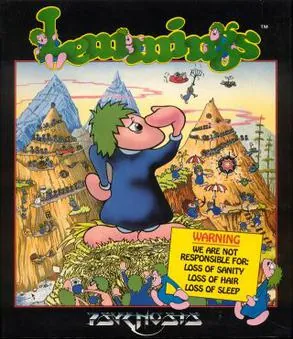
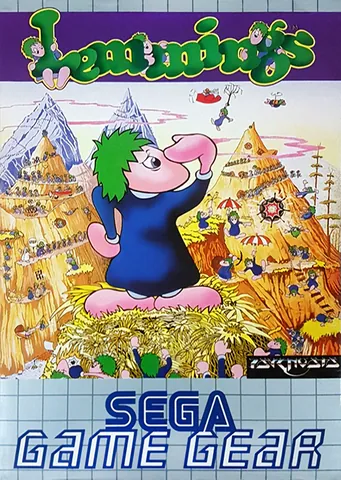
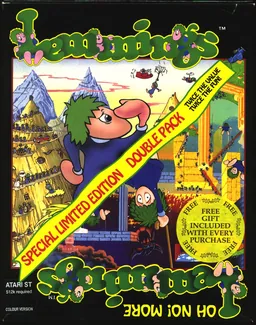
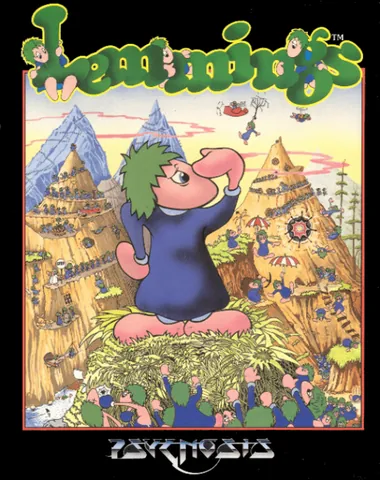
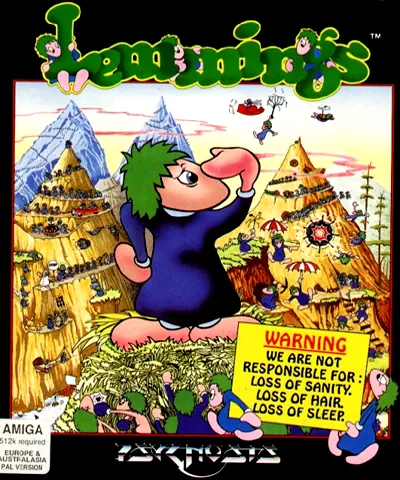
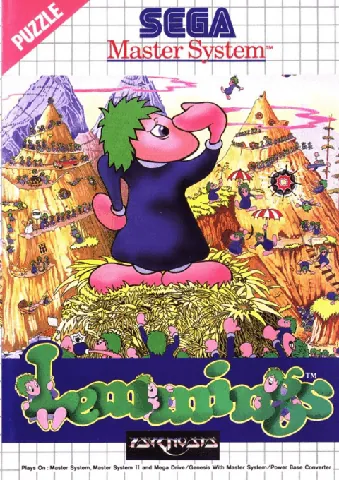
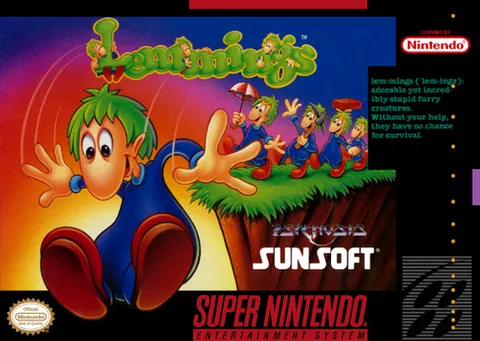
The Amiga is Lemmings' home platform and offers the reference version, with the full level count and smoothest mouse control. The DOS PC version stays very close, keeping mouse control equally precise, with EGA or VGA graphics only slightly adjusted. On the Commodore 64, developers had to split the game across multiple disks due to limited memory and reduce scrolling smoothness, yet preserved most levels. Portable versions for Game Boy and SEGA Game Gear suffer from small screen resolution — in hectic scenes with a hundred lemmings on screen it's hard to keep track, and D-pad control never quite matches mouse precision. On SEGA Mega Drive and Super Nintendo you play with a gamepad cursor, slower than a mouse, but both are colorful and include most original puzzles.