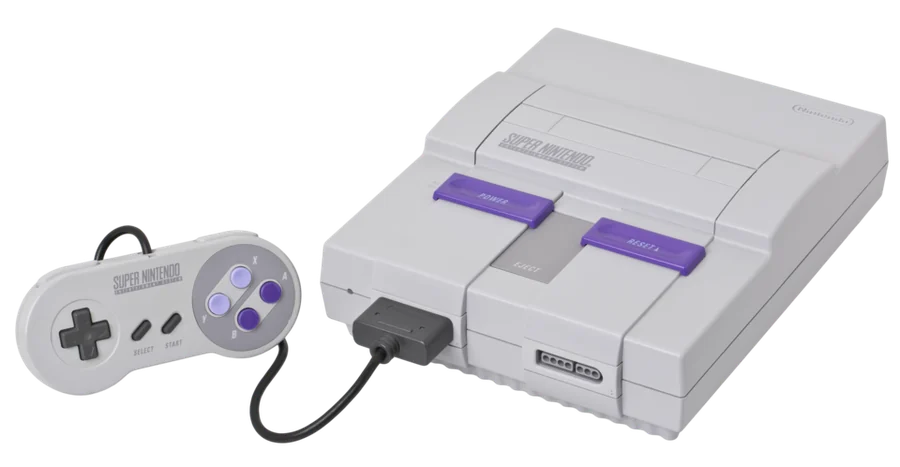
 Nintendo · 1990
Game consoles
Super Nintendo
History & context
When Nintendo unveiled the Super Famicom in Japan in 1990 (marketed in the West from 1991 as the Super Nintendo Entertainment System), it was not a race to be first. Sega had already been selling its sixteen-bit Mega Drive for a year and was needling the competition with the word “Nintendon't.” Nintendo nonetheless took its time and bet on something other than speed: on color, on sound, and on graphical tricks that turned the screen into a little theater. Many today consider the result to be the pinnacle of 2D game design overall and one of the most beloved machines in history.
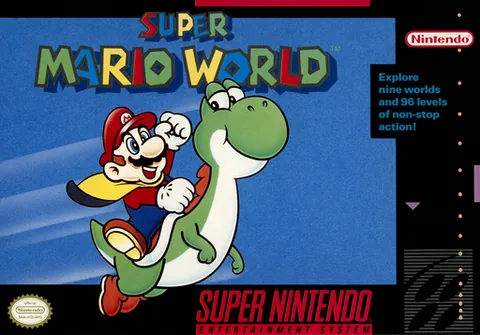
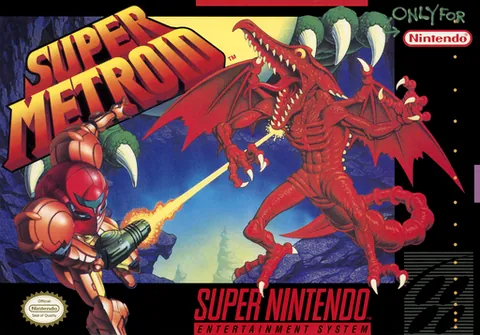
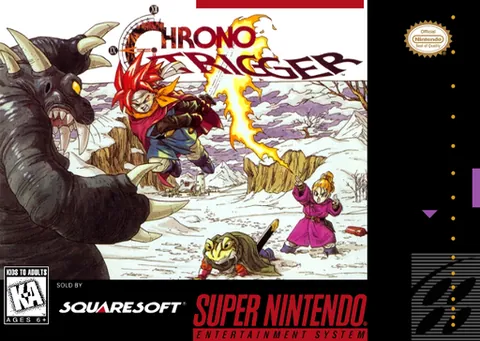
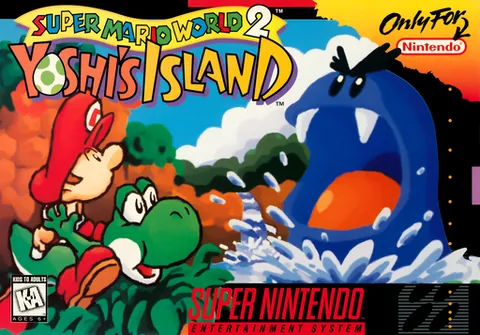
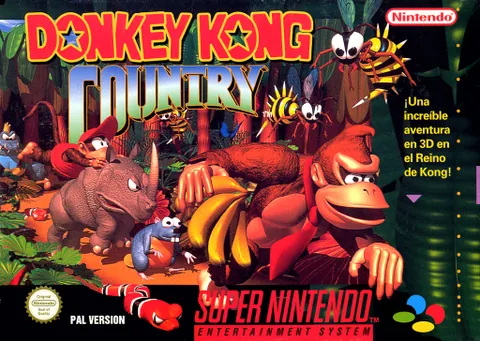
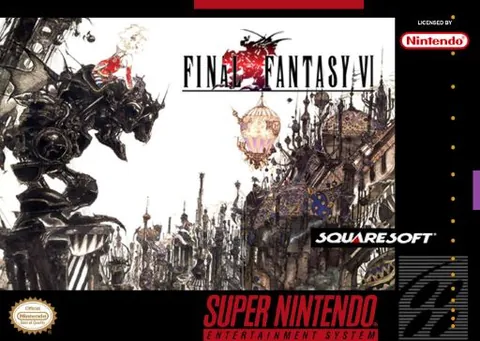
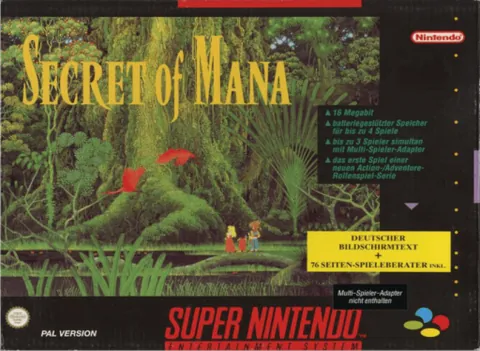
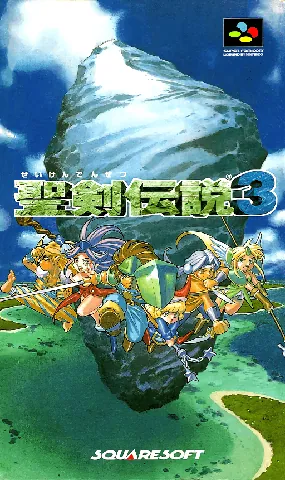
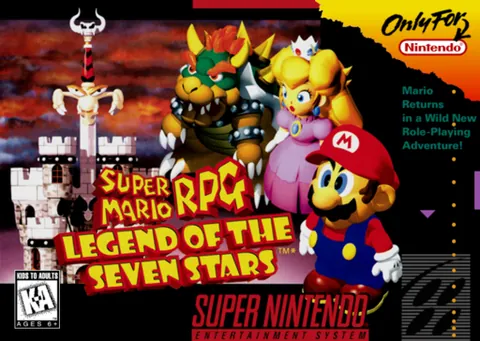
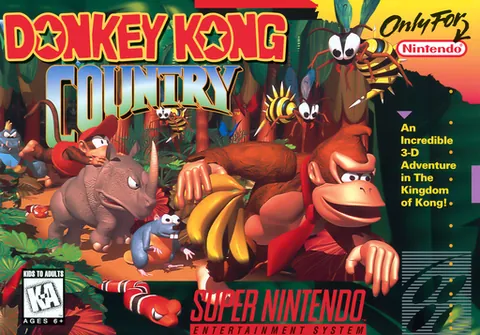
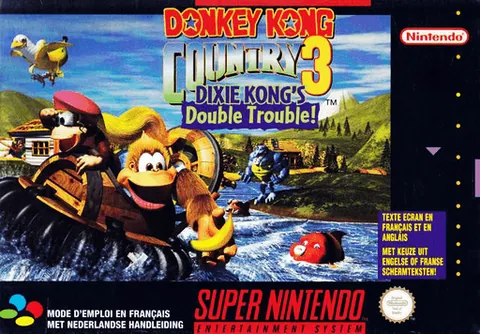
The “console wars” duel between Sega and Nintendo was the first great marketing war of the gaming industry and defined the entire 1990s. Sega sold speed and a more grown-up image built around Sonic, while Nintendo sold depth and the quality of its library. It is that very library that makes the SNES a legend: the best platformers of their day (Super Mario World, Donkey Kong Country, Yoshi's Island), genre-defining JRPGs (Chrono Trigger, Final Fantasy VI, Secret of Mana), and the metroidvania bible Super Metroid. These are titles that still appear on lists of the best games of all time.
Technology: graphics and sound
The heart of the console is the sixteen-bit Ricoh 5A22 processor, built on a core compatible with the 65C816 and clocked variably up to roughly 3.58 MHz. Graphics are handled by a pair of PPU chips, which can manage a palette of 32,768 colors and conjure hundreds of them onto the screen at once. The console offered several graphics modes with varying numbers of background layers and color depths, hardware interlaced scrolling, and sprite management.
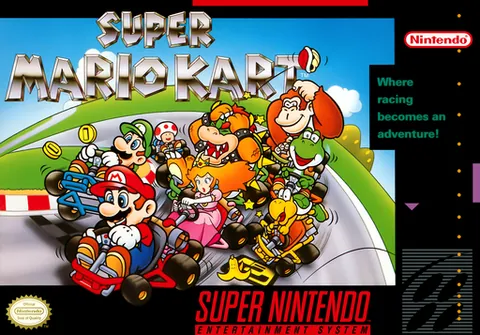
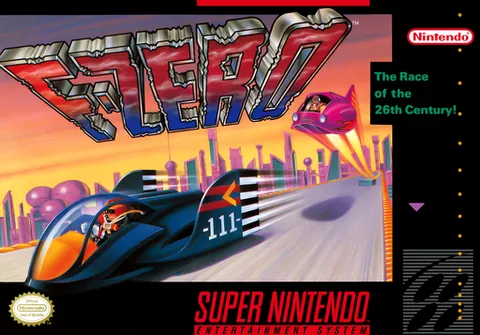
The most famous trump card is Mode 7 — a mode that can rotate, enlarge, and shrink a single background layer in real time. This is the source of the pseudo-3D curving track in Super Mario Kart and F-Zero, or the map unfurling in the finale of Final Fantasy VI. On top of that, the SNES could do effects such as semi-transparency and color blending, which made the image feel softer and richer than the competition's.
Sound is a chapter of its own. It is handled by a sound subsystem designed by Sony (Ken Kutaragi, later the father of the PlayStation) — the SPC700 control chip together with the DSP manages eight channels playing sampled sound with ADPCM processing and hardware echo or reverb. That is why the soundtracks of games like Chrono Trigger or Donkey Kong Country still sound exceptionally full and melodic to this day.
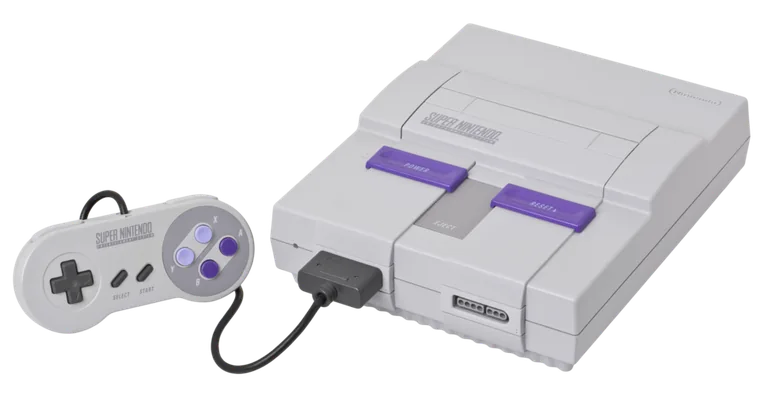
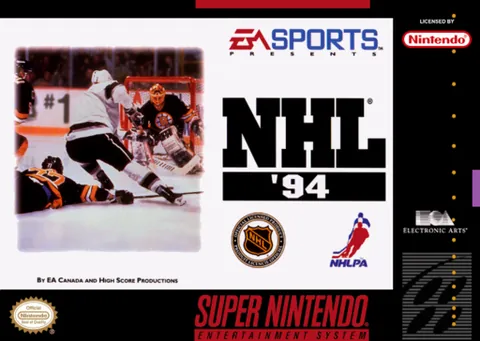
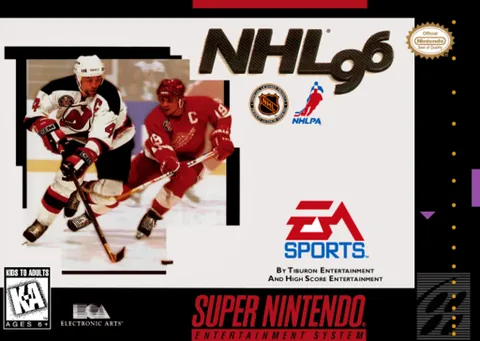
The standard SNES gamepad added to the proven D-pad a set of four action buttons, two shoulder buttons L and R, and of course Start and Select — a scheme that influenced all later controllers. The console had two ports; for more players there was the Multitap splitter (for example NHL or Bomberman).
Among the peripherals worth mentioning are the Super Scope light gun, a wireless, bazooka-like colossus powered by batteries, and — unusually for Nintendo — the SNES Mouse, supplied with the drawing program Mario Paint. A famous chapter is the never-released CD add-on developed with Sony; after a falling-out, it eventually gave rise to the standalone PlayStation. For video, the console output through a multi-pin connector supporting composite as well as better S-Video and RGB signals.
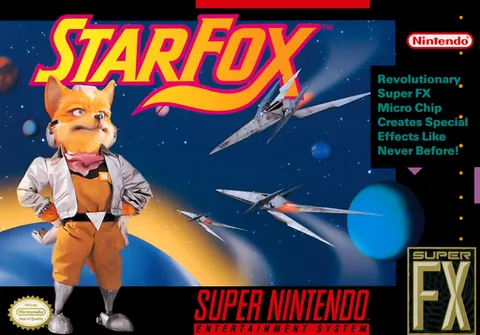
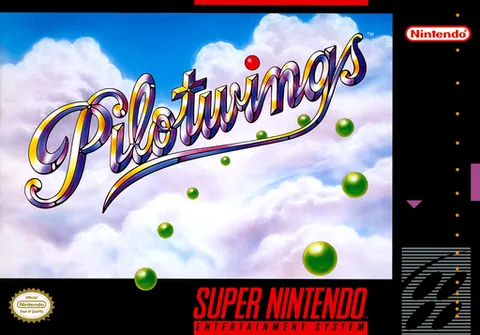
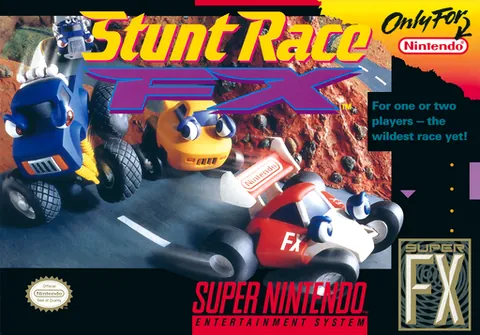
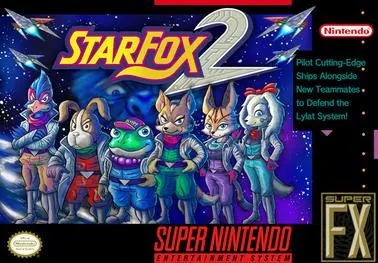
A specialty of the platform are the add-on chips right inside the cartridges, which upgraded the machine. The most famous is the Super FX (3D polygons in Star Fox and Stunt Race FX), and also the SA-1, DSP-1 (Pilotwings, Super Mario Kart), or the SuperFX2 in Yoshi's Island. Some games at the end of the console's life looked as if they belonged on an entirely different platform.
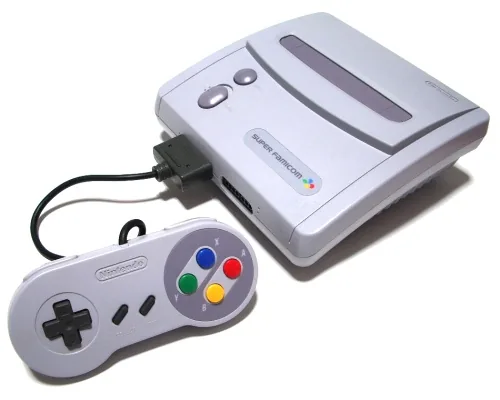
The console's design differed by region: the Japanese Super Famicom and the European/Australian SNES had rounded shapes and colored buttons, while the North American version got a more angular gray coat with purple buttons. Later came a shrunken and cheaper redesign — in the USA as the SNES (model SNS-101, the “Jr.”), in Japan as the Super Famicom Jr. These later versions, however, no longer had RGB output or the threaded holes for the feet.
The hardware also existed in semi-official versions for developers and arcades (the Super System for arcades). It is worth knowing for collectors that, because of copy protection, even the shapes of the cartridge slots differed between regions.
Clones and variants
The SNES did not experience as sprawling a clone scene as the NES with its famiclones, yet unofficial compatible machines did appear, especially in Asia and later also cheap “retro” consoles. In the Czech and Czechoslovak environment, the SNES was, compared to eight-bit computers, more of a rare imported curiosity — while the ZX Spectrum had the domestic Didaktik clone and the NES circulated as the Pegasus, the sixteen-bit Nintendo mostly arrived here through unofficial imports and was expensive. Only in later years did it become more accessible, and today it is a prized piece among domestic collectors.
The scene today
SNES emulation is very well mastered today — the reference is the accurate bsnes/higan, while for ordinary play Snes9x is more than enough, both also available as cores for RetroArch. On more powerful handheld devices (for example those with the H700 chip) it runs reliably; only the most demanding titles with add-on chips can occasionally cause trouble. Nintendo itself offers a selection of games as part of Switch Online and earlier via the mini-console Super NES Classic Edition.
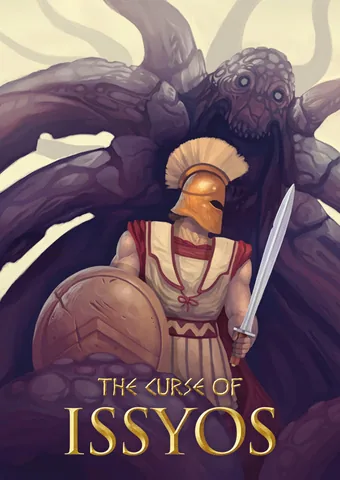
The homebrew and fan scene is alive as well: modern titles such as The Curse of Issyos are being created, fans polish translations of Japanese exclusives, and romhacks add new content to the classics. Thanks to this, the Super Nintendo remains a thoroughly living platform even after more than thirty years.
Games on this platform (154)
Dottie Dilemma
An unassuming SNES puzzle homebrew built on a simple rule and rising difficulty.
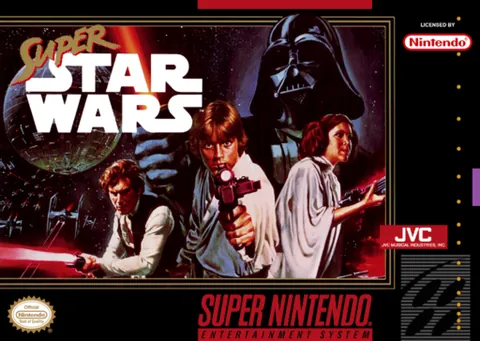
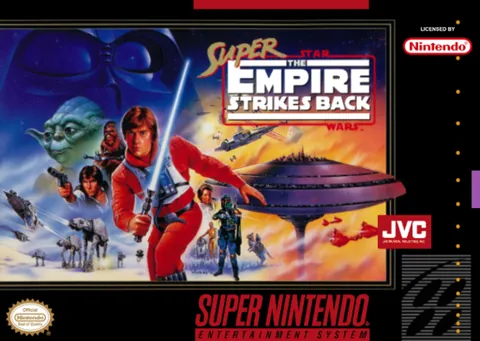
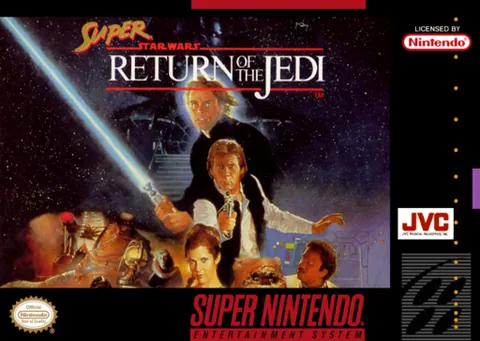
Super Star Wars
A notoriously tough Star Wars platformer; a merciless test of reflexes and patience.
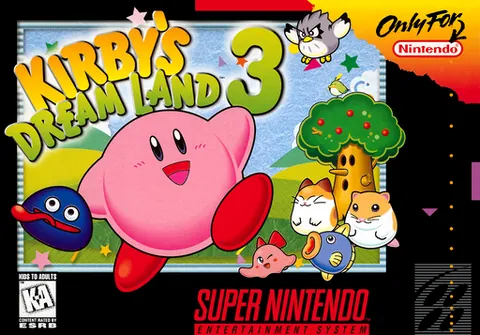
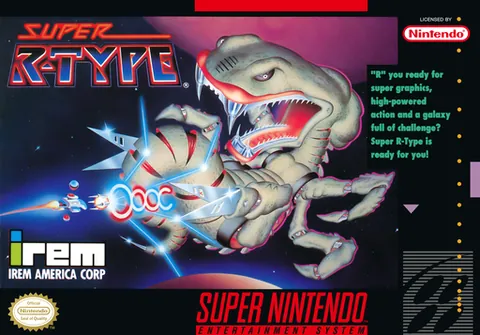
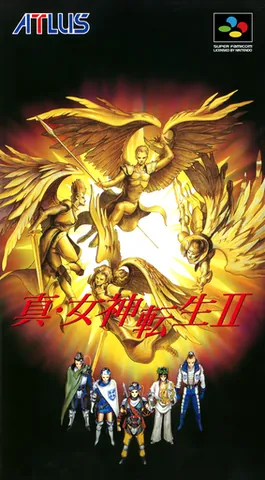

No game in this genre.