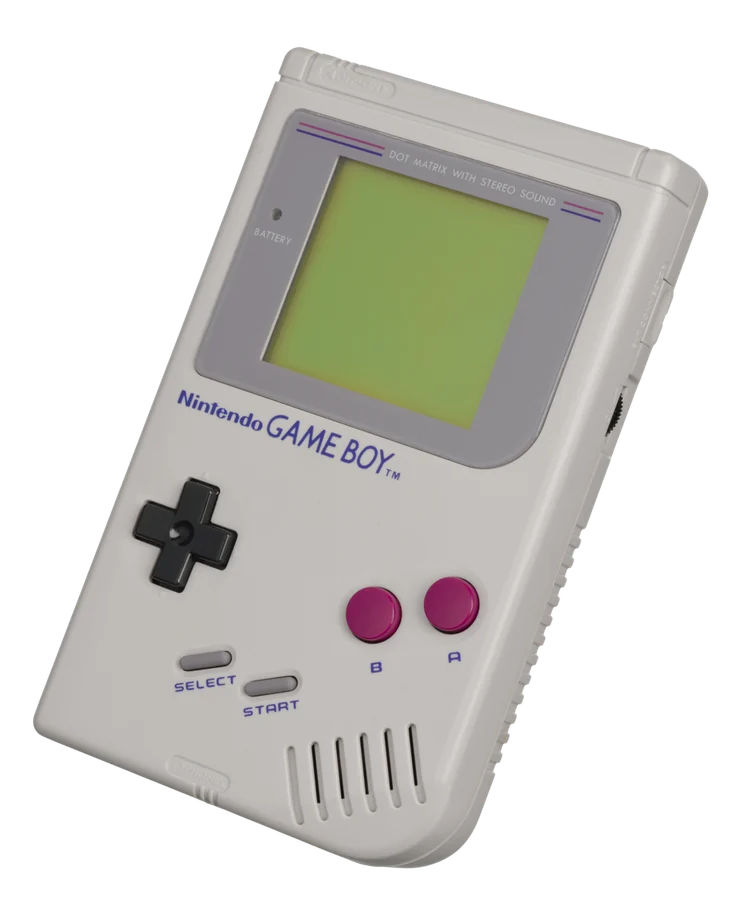
 Nintendo · 1989
Handhelds
Nintendo Game Boy
History & context
When Nintendo launched the Game Boy in 1989, few suspected that a pocket console with a greenish monochrome display would outlive its technically more advanced rivals by years. The machine was designed by Gunpei Yokoi according to his famous philosophy of "lateral thinking with seasoned technology" — instead of the newest and most expensive components, he bet on cheap, proven and reliable ones. The result was paradoxically perfect: together with the later Game Boy Color, over 118 million units were sold, making the Game Boy the most successful handheld of its era.
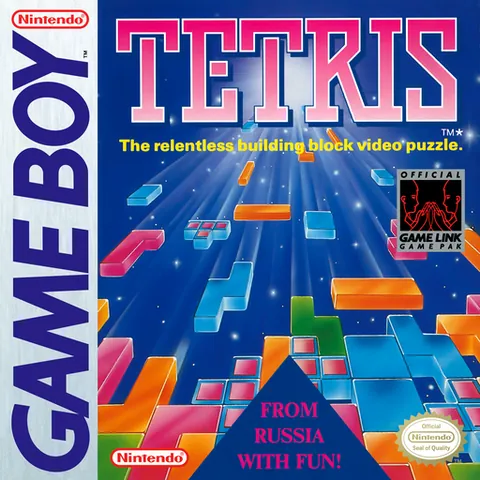
The secret of its success was threefold. Battery life — the Game Boy ran on four AA cells for a comfortable fifteen hours or more, while the color competition in the form of the Atari Lynx or Sega Game Gear devoured them in a few hours. Low price. And above all software: the bundled Tetris was so addictive that it sold the console on its own, and a few years later came Pokémon, which breathed a second life into the Game Boy at a time when it was already technically long outdated.
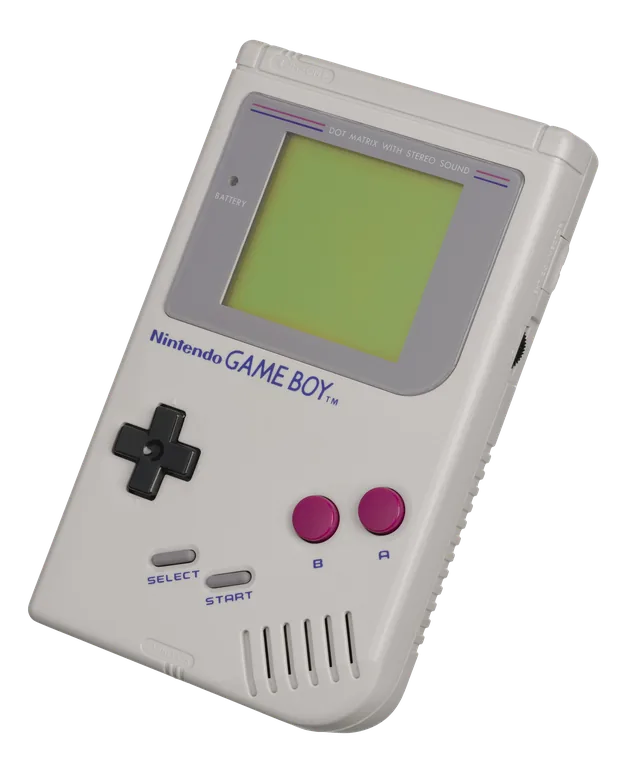
At the heart of the Game Boy is the 8-bit Sharp LR35902 processor, a hybrid between the Intel 8080 and the Zilog Z80, clocked at around 4.19 MHz. The display shows a resolution of 160 × 144 pixels and only four shades — although people speak of "grays", in reality these were various levels of green given by the type of LCD used. The original model had no backlight at all, so to play you needed decent ambient light (or the famous add-on lamp).
The graphics hardware handled hardware sprites (up to 40 at once, max. 10 per line) and smooth background scrolling, which made the Game Boy a solid platform for platformers and action games. On the sound side it offered four channels: two pulse channels (square wave) with frequency sweep, one wave channel with a programmable table and one noise channel for drums and effects. It was precisely this modest sound set that gave rise to the unmistakable chiptune sound, which today lives a life of its own in modern electronic music.
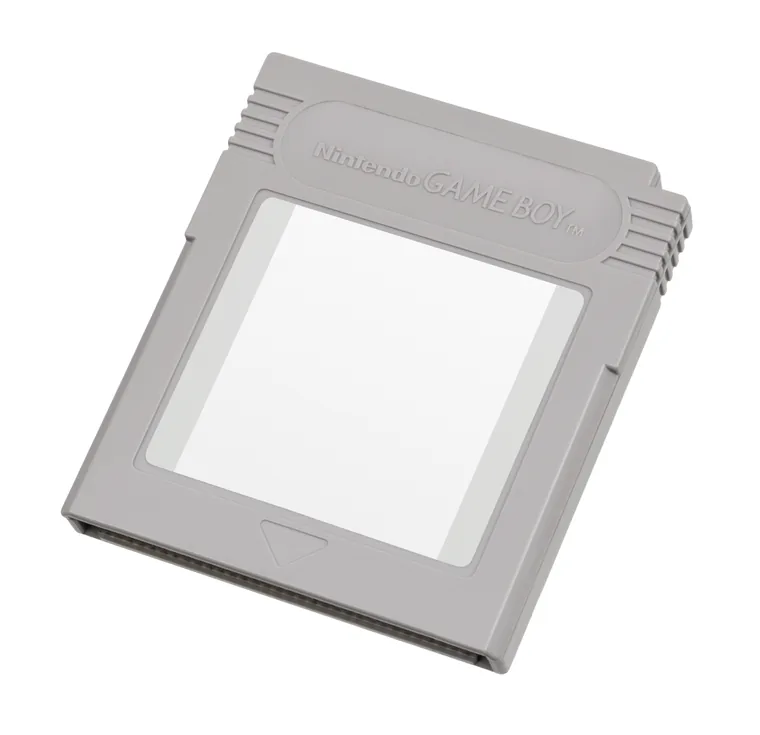
On the side of the console you find the Link cable — a connection of two Game Boys via a serial port. This enabled not only multiplayer (the legendary Tetris duels) but also the trading of Pokémon, without which a collection could not be completed. There was also a four-player adapter for selected titles.
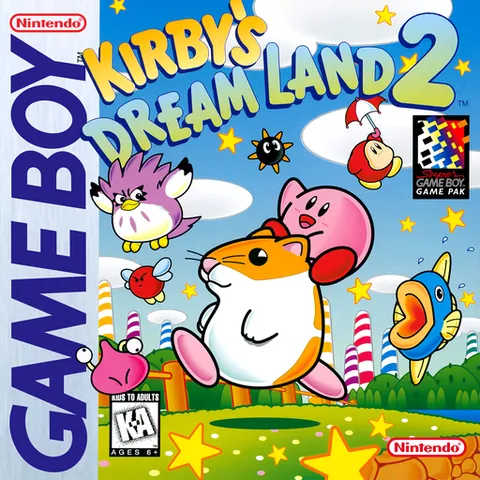
The peripherals included the Game Boy Camera (one of the first affordable digital cameras for consumers) and the Game Boy Printer for thermal paper. There was also rumble and tilt sensors built directly into some cartridges (e.g. Kirby Tilt 'n' Tumble). Saving positions was handled by a battery right inside the game module, which powered the SRAM memory — which is why on old cartridges the saves disappear today once the button battery dies.
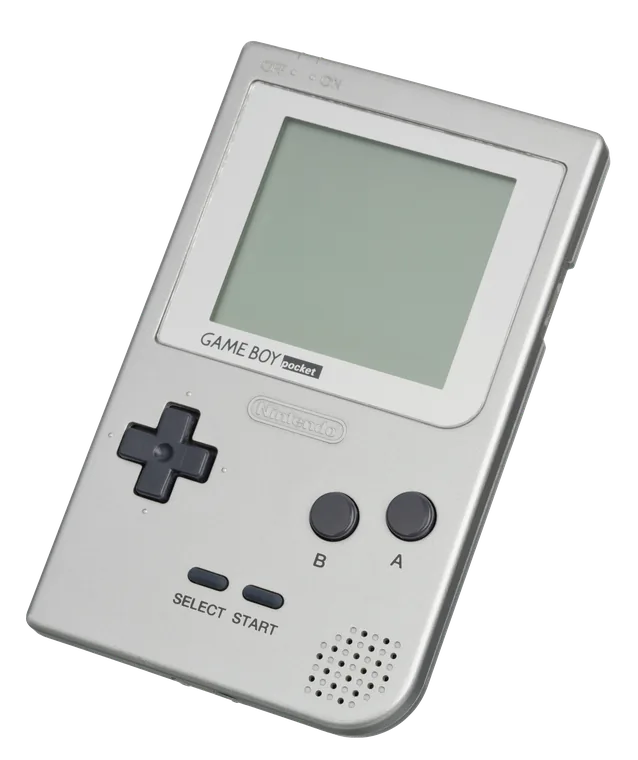
The original DMG-01 from 1989 was brick-like and large. In 1996 came the significantly smaller and lighter Game Boy Pocket with a sharper black-and-white display (and one button battery instead of the four AA cells). Shortly thereafter followed the Game Boy Light — for the Japanese market only, with a backlit display.
The breakthrough model was the Game Boy Color (1998): it kept backward compatibility with old games, but added a color display and a faster processor. The line was completed by the Game Boy Advance (2001) with a 32-bit core, which could also run the original GB and GBC titles — the era of the eight-bit handheld console thus smoothly transitioned into a new generation.
Clones and variants
The Game Boy was not as massively cloned as the NES, but unofficial copies existed — all sorts of imitations circulated in Asia, along with pirated multicart modules with hundreds of games on a single chip. In the Eastern Bloc and in China, cheap "pocket game" handhelds appeared that imitated the shape and controls of the Game Boy, even though inside they ran on completely different (and weaker) hardware.
For Czech and Slovak players it is fair to add that the legal route to Nintendo was practically closed before 1989 — which is why clones of home computers spread among us more than the Game Boy (the Didaktik as the Czechoslovak relative of the ZX Spectrum) and later famiclones of the Pegasus type for the eight-bit NES. The Game Boy reached us mainly through imports only in the 1990s.
Today's scene
Emulation of the Game Boy is trivial today — it runs on practically anything, from a phone to cheap retro handhelds. Among the top emulators are mGBA and SameBoy, which faithfully imitates even the characteristic motion "blur" of the original LCD.
The homebrew community is surprisingly lively. Technically advanced new releases are being created, such as the brisk Tobu Tobu Girl or the atmospheric horror Deadeus, the creation of chiptune music flourishes (the LSDj software) and thanks to the GB Studio tool even a person without programming knowledge can put together their own game for the Game Boy today. Some of those new releases boldly measure up to the period classics.
Games on this platform (147)
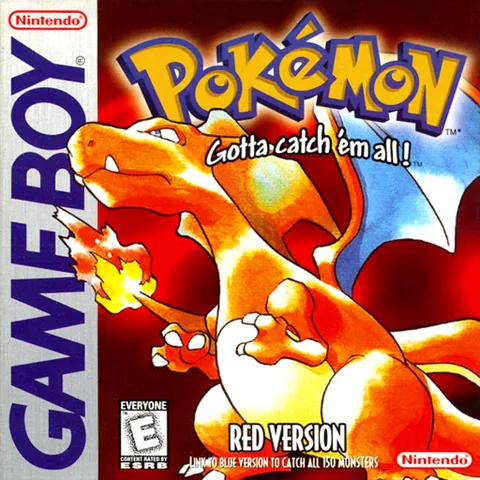


Pokémon Red / Blue
A modest project on an aging Game Boy that turned into a worldwide phenomenon.
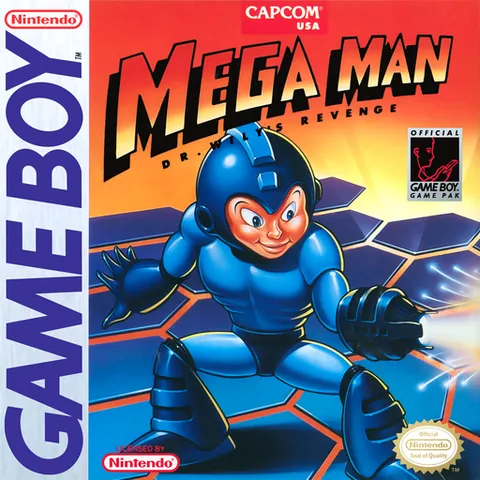
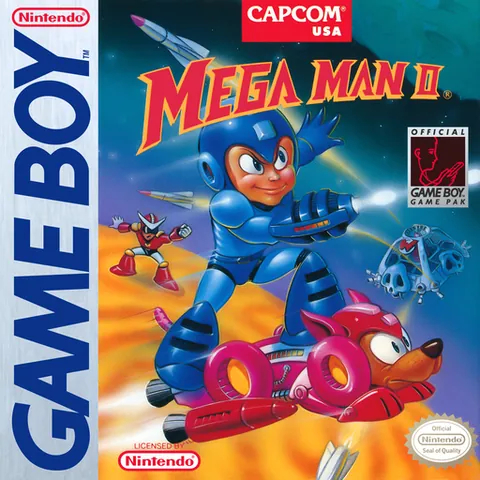
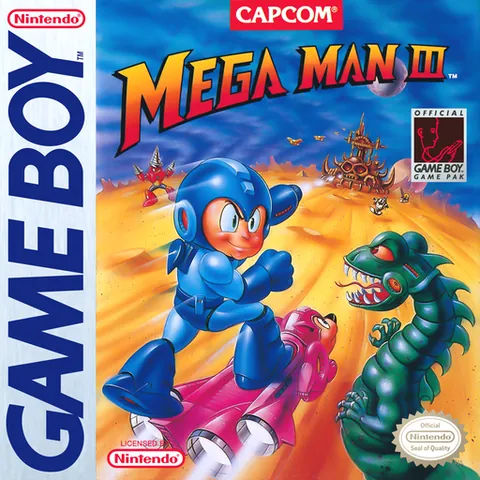
Mega Man III
The third handheld spin-off again assembles bosses and levels from several NES entries.
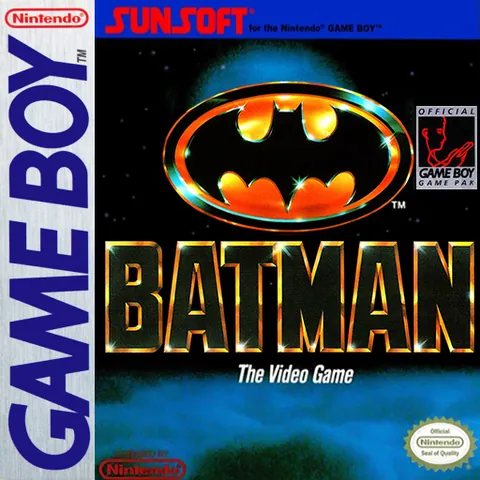
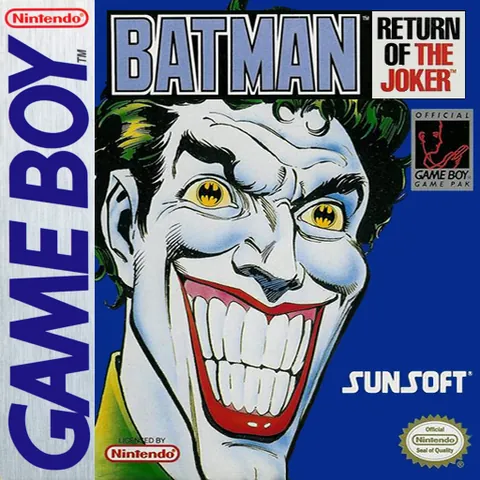
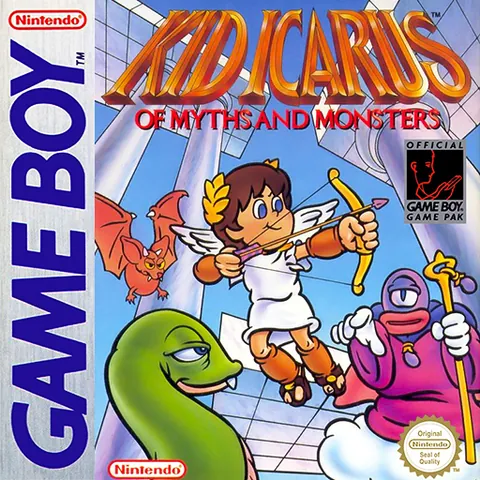
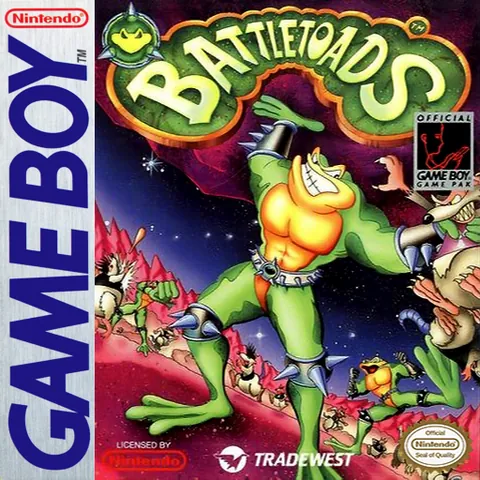
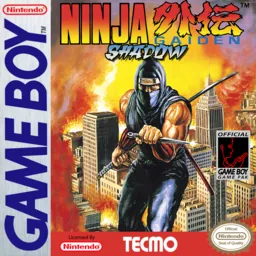
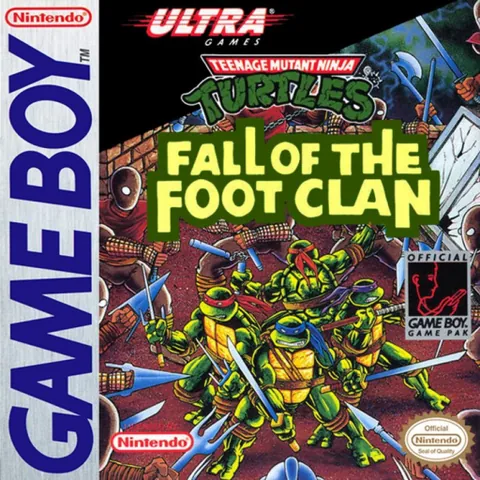
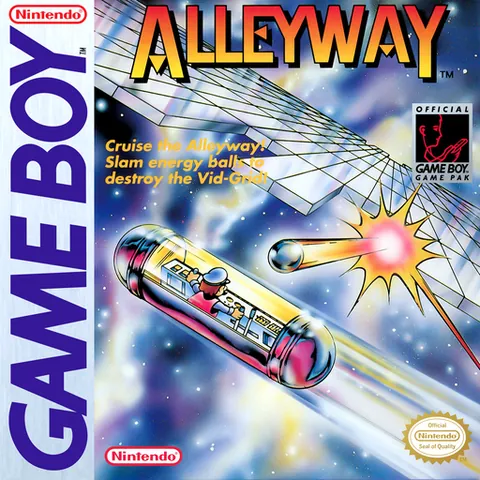
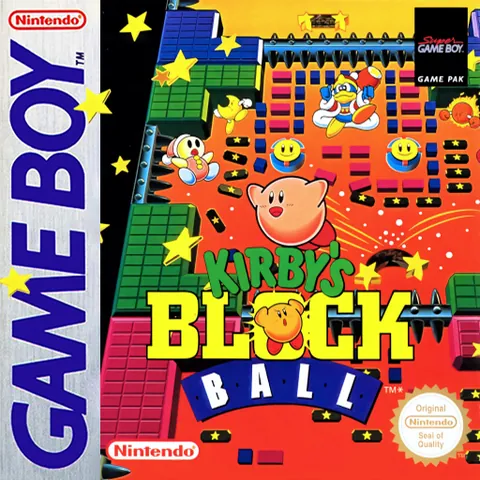
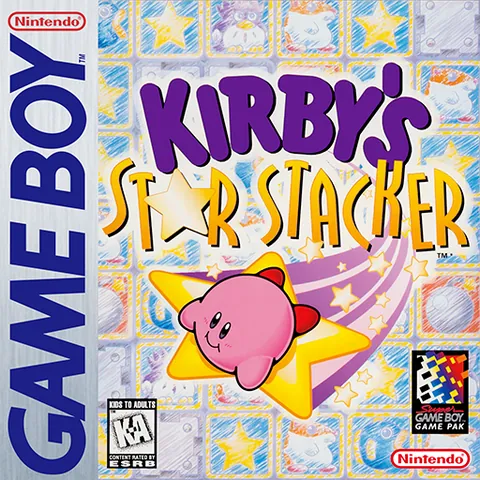
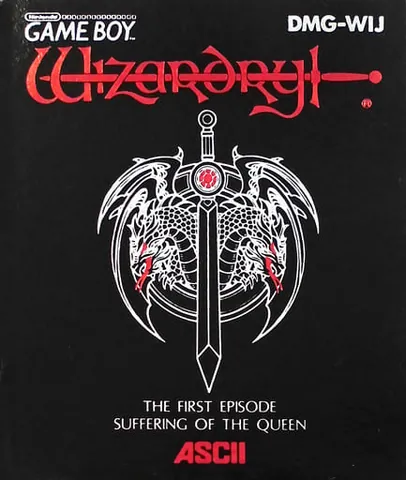
No game in this genre.