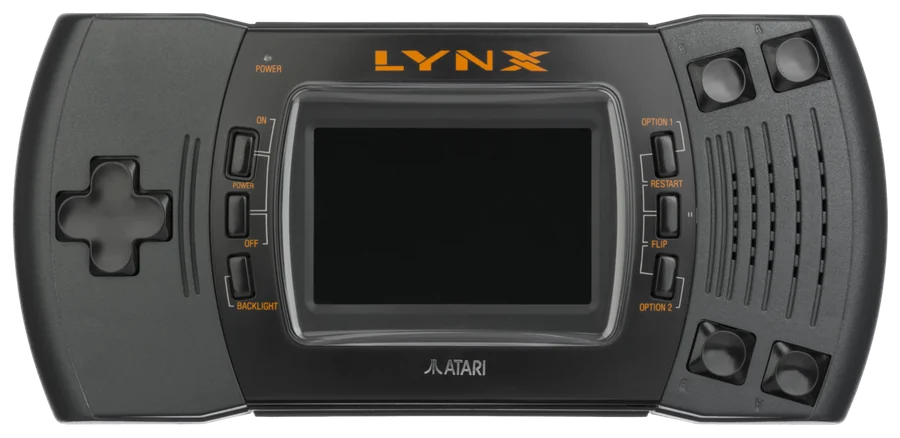
 Atari · 1989
Handhelds
Atari Lynx
History & context
When Atari unveiled the Lynx in 1989, it looked like a sure-fire hit: the world's first handheld console with a color backlit LCD display. While Nintendo came out the same year with the Game Boy and its greenish shades of gray, the Lynx showed full color, could scale and rotate sprites in hardware and thus created pseudo-3D effects the Game Boy could not even dream of. Technically it was a machine a whole class more advanced. Yet the design did not originate at Atari itself — the console was originally developed by Epyx under the name Handy, and Atari subsequently bought it and brought it to market. People who had previously been behind Atari's famous arcade machines worked on its development, and that shows across the whole library.
The Lynx's story is, however, a textbook example of the fact that better technology alone is not enough. The console ultimately lost, and the Game Boy swept it away in sales. There were essentially three reasons: the high price (almost twice that of the Game Boy), the impractical size and weight, and above all its battery appetite. The Lynx drained six AA batteries in some three to four hours of play, whereas the Game Boy comfortably ran on four batteries for over ten hours. For a portable device that was a fatal weakness. Nintendo also held a trump card in the form of Tetris and incomparably stronger software support.
Technology: graphics and sound
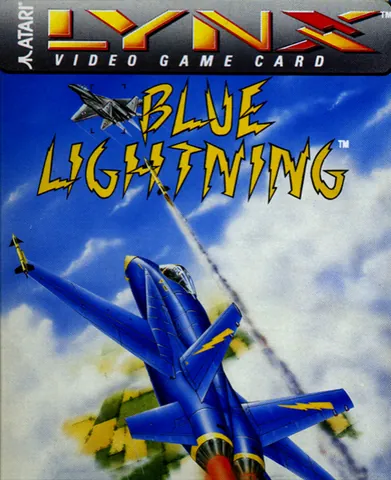
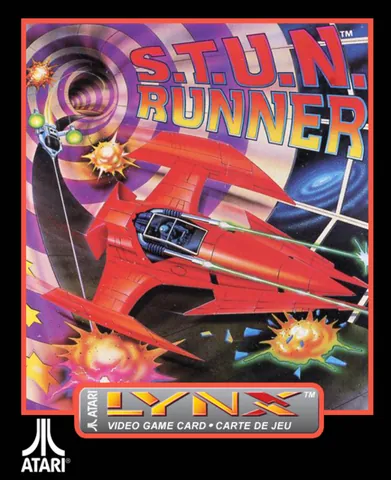
The heart of the Lynx was an 8-bit processor derived from the proven MOS 65C02 running at roughly 4 MHz, supported by Atari's own chips (known as Mikey and Suzy). It was the Suzy graphics coprocessor that handled the most interesting part: it could scale, distort and rotate sprites in hardware, which enabled smooth zooming in and out of objects and a simple illusion of space. This capability made games like Blue Lightning or S.T.U.N. Runner a spectacular sight that competing handhelds could not manage.
The display showed a resolution of 160 × 102 pixels and could render up to 16 colors simultaneously from a palette of 4096 shades. The backlight was a luxury in 1989 — you could play in the dark too, which was simply impossible on the Game Boy. Sound was handled by the Mikey chip with four channels and support for stereo output, so through headphones the Lynx played noticeably richer than the beeping competition.
Connectivity and peripherals
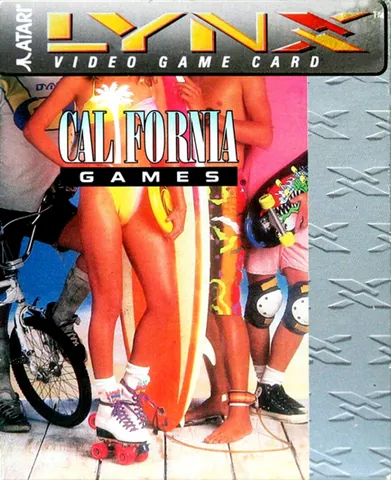
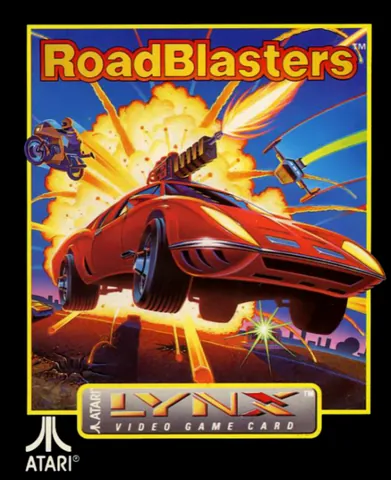
The flagship feature was the ComLynx network link: with a special cable you could connect up to eight consoles into a single multiplayer session, which was a rarity for its time. Part of the library took full advantage of it — the races of RoadBlasters or California Games were an experience with more people.
The hardware itself was clever too. The console could be rotated in software, so the picture flipped and left-handed players could comfortably operate the machine — the button layout adapted. Games were distributed on small cartridges, and Atari also offered accessories such as a network adapter or a sun shade for the display that helped with readability in direct light.
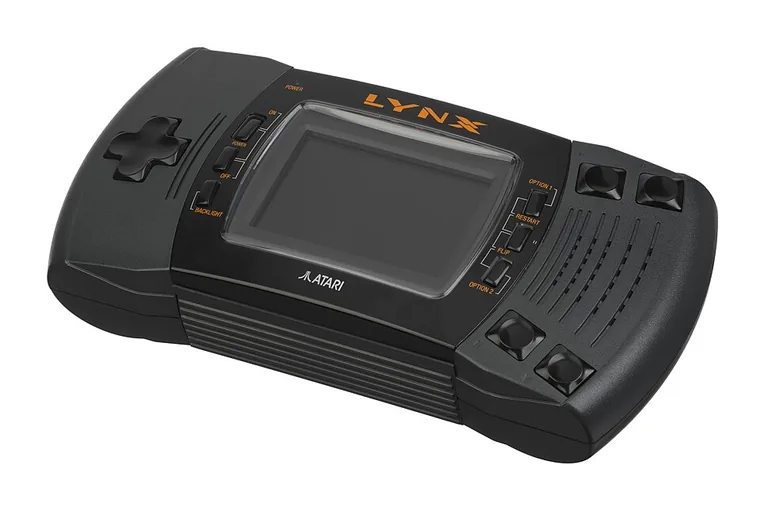
The Lynx saw two main hardware versions. The original Lynx I from 1989 was large, angular and swallowed batteries mercilessly. In 1991 came the redesigned Lynx II: it was smaller and lighter, gained a headphone output with stereo sound, a switchable backlight to save energy and a practical sliding display cover. Games were fully compatible between both models, so it was purely a redesign aimed at better ergonomics and longer endurance.
Clones and variants
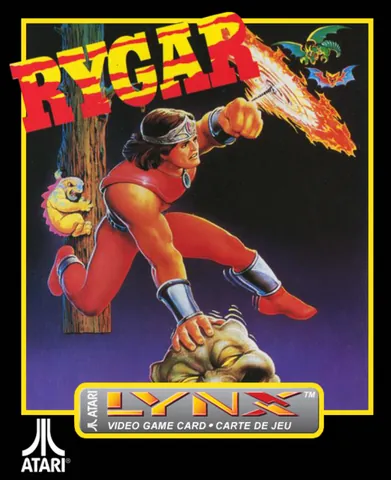
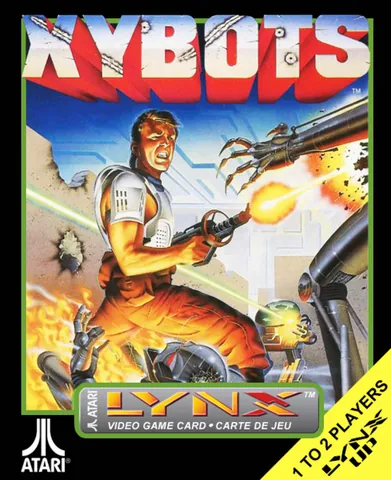
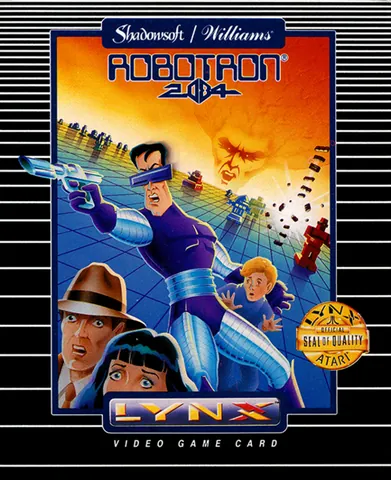
Thanks to its custom chips, the Lynx has no classic unofficial clones of the kind we know from, say, the NES or the ZX Spectrum — the hardware could not be easily imitated. Its legacy thus lives on not in imitations, but in its library of arcade ports. Many titles were faithful conversions of Atari and Midway arcade machines: Robotron, RoadBlasters, S.T.U.N. Runner, Xybots or Rygar. Roughly 40% of the games were released exclusively for the Lynx, which today makes them prized collector's items and a reason why the console retains a cult status among fans.
Today's scene
For retro gamers the Lynx is great news. In emulation its only fundamental flaw — the battery gobbling — disappears entirely, and only the beautiful color display and solid arcade library remain. The most widespread solution is the Handy core within libretro/RetroArch, which runs reliably even on weaker pocket devices and modern handhelds. The Lynx thus finally gets the appreciation it never earned in its own time.
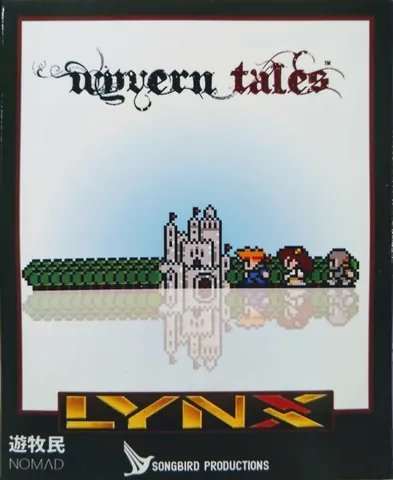
It is remarkable that the scene around the Lynx is still alive. The regular Atari Gamer competition brings new homebrew titles, and ambitious modern projects are also emerging, such as the JRPG Wyvern Tales. The Atari Lynx is ultimately one of the finest proofs that a commercial defeat does not yet mean the end — it just happened a few decades earlier than the world was able to appreciate it.
Games on this platform (30)
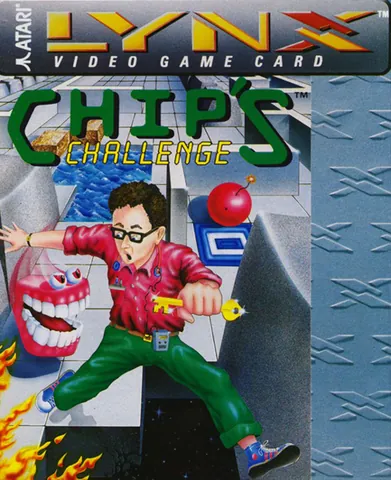
Chip's Challenge
Epyx's clever puzzle classic from 1989; one unsolved room can keep you up at night.
No game in this genre.