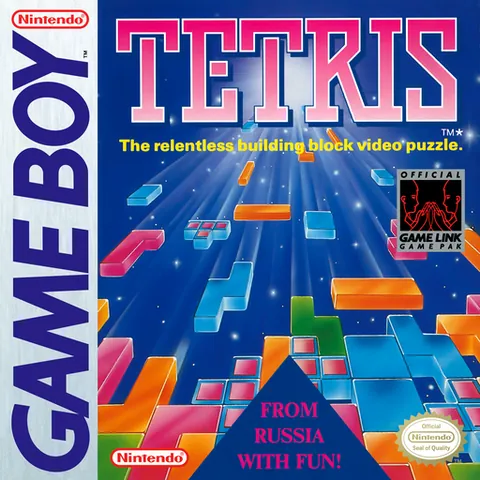
Tetris
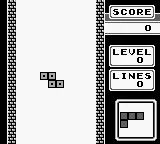
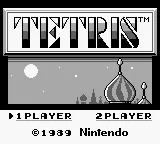
The first block falls, you rotate it, slide it into the gap — and five hours later the falling squares are projected onto the inside of your closed eyelids. Tetris isn't just a game. It's a touchstone of what a perfectly simple idea can do to the human brain.
It was born in 1984 in the head of Soviet scientist Alexey Pajitnov, who programmed it on an Elektronika 60 computer. What followed were years of international legal chaos — the rights to the game were, during the Cold War, bought, sold, and litigated across borders in one of the most tangled disputes in gaming history. Nintendo ultimately fought for the portable rights, and that was the move that decided the entire handheld battle.
Tetris was bundled directly with the Game Boy as a pack-in title. And it was Tetris that sold the console — not to children, but to adults. Passengers on the subway, managers on planes, people who would otherwise never have bought a handheld suddenly found they couldn't stop. Easy to grasp within ten seconds, impossible to master perfectly — that is the definition of the ideal puzzle game.
The music contributed to the magic too. The main melody "Korobeiniki," an arranged Russian folk song, became one of the most iconic gaming tunes ever and to this day is inseparably tied to the falling blocks. The Game Boy's beeping sound gave it just the right hypnotic touch.
The numbers speak clearly: over 35 million copies of this version were sold, placing it among the best-selling video games in history. Tetris became a cultural symbol that transcended the boundaries of media, generations, and ideologies — few games have united such different people over such a simple task.
Why play it: Possibly the most perfect puzzle of all time — and the game that literally sold the Game Boy. One round is enough to understand why.
Game 5 of 147 for Nintendo Game Boy
The same title elsewhere (3)
Sega's arcade version was built for coin-op hardware and leaned on fast pace, bold colours, and the head-to-head two-player mode typical of the format. The version Nintendo released for the NES instead bet on simplicity and became iconic largely thanks to its unmistakable rendition of the Russian folk tune Korobeiniki, which is now inseparable from Tetris for most people. The NES version's graphics are plainer and focused on keeping the playing field clear, while the arcade version aimed at quick fun in the arcades. Anyone after the most iconic, catchiest experience should pick the NES version; anyone wanting a taste of the arcade atmosphere should go for the arcade one.
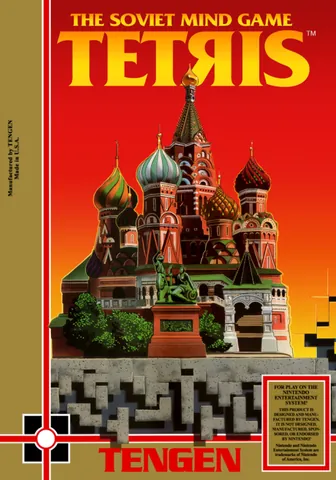
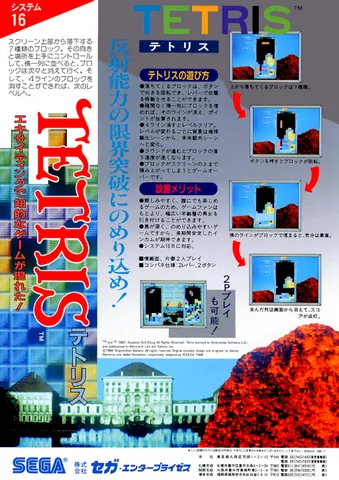
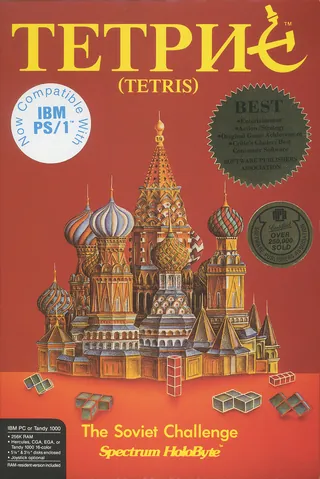
From the same series Tetris →
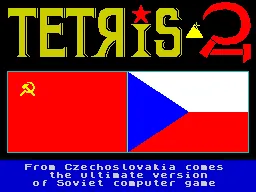 Tetris 2 ZX · 1990
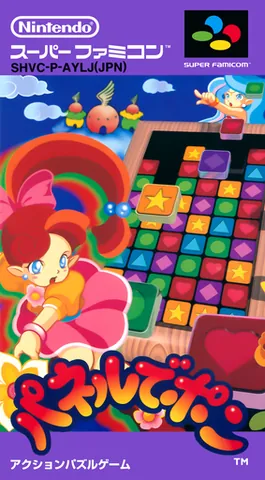 Tetris Attack / Panel de Pon SNES · 1995
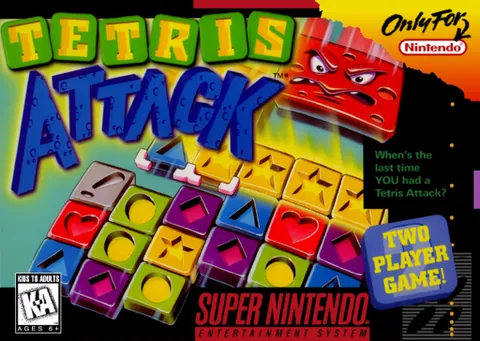 Tetris Attack SNES · GB · 1995
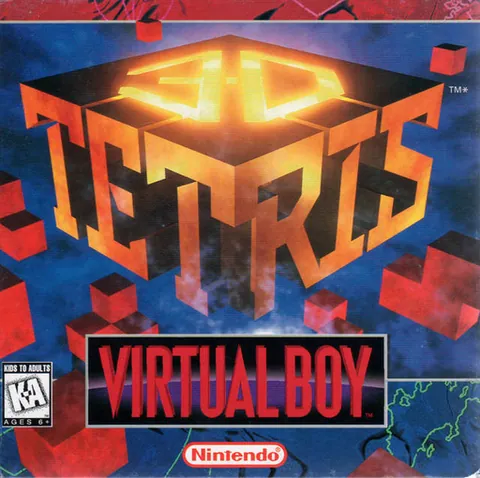 3-D Tetris VB · 1996
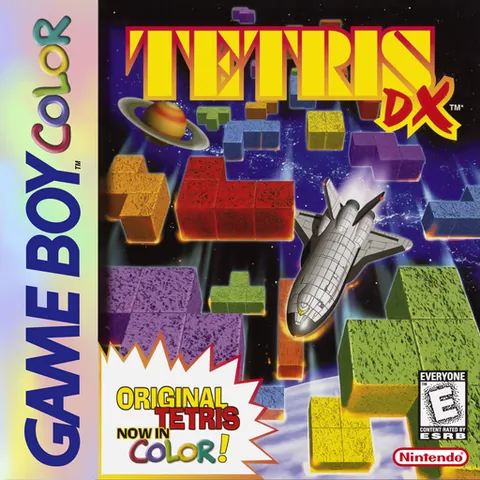 Tetris DX GBC · 1998
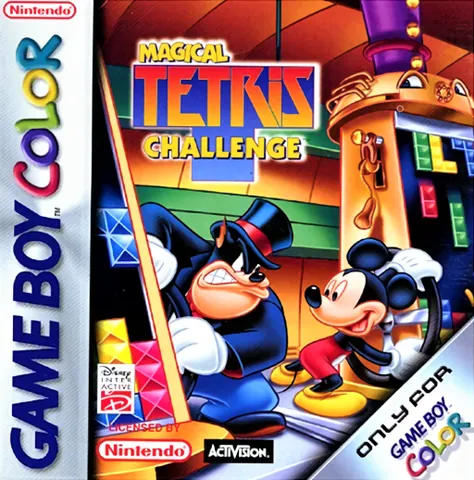 Magical Tetris Challenge GBC · PS1 · 1998
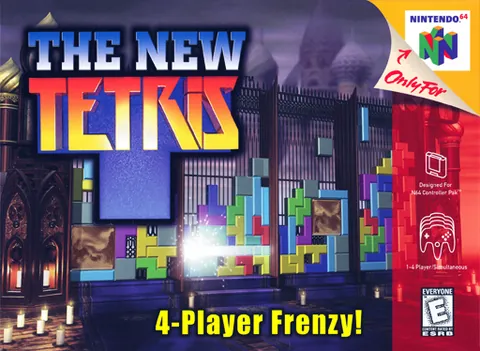 The New Tetris N64 · 1999
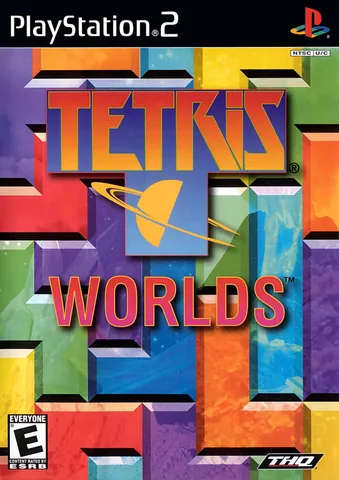 Tetris Worlds PS2 · 2001 Java ME Tetris Java ME · 2001
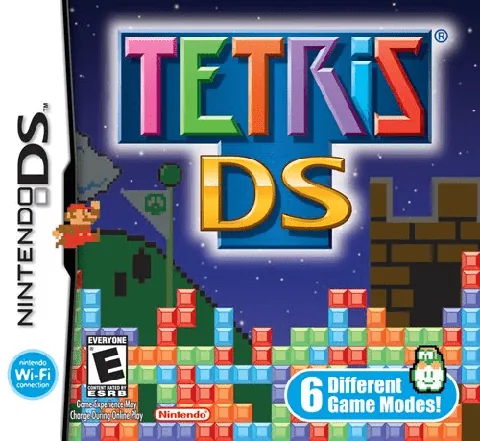 Tetris DS DS · 2006
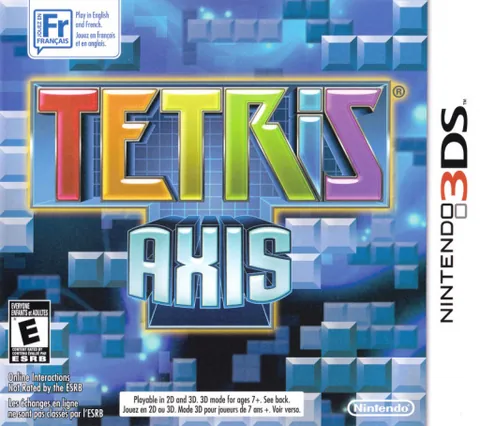 Tetris Axis 3DS · 2011
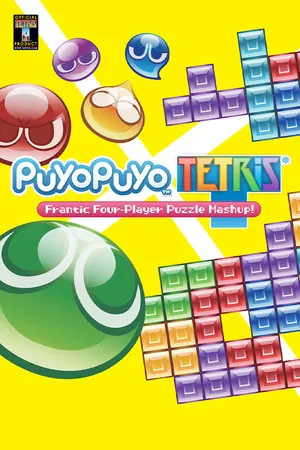 Puyo Puyo Tetris Switch · 2017