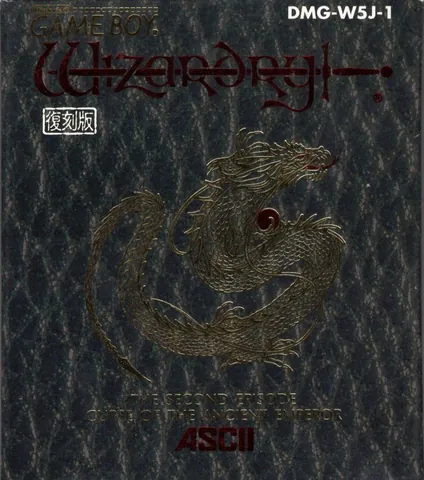
Wizardry Gaiden II: Curse of the Ancient Emperor
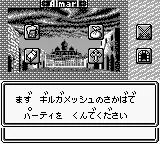
Wizardry Gaiden II: Curse of the Ancient Emperor builds on the first installment of the Wizardry series' transfer to the Game Boy and develops the same principle of turn-based, first-person dungeon crawling. The player again builds a party of adventurers from various classes and races, moves through layered floors of the dungeon, and faces enemies in turn-based battles where the order of attacks, choice of spells, and tactical positioning of characters all matter. Compared to the first installment, the sequel offers expanded content and a reworked dungeon layout that ties into the story framework of the previous game, though it still stands as an independent adventure with its own ending and new challenges for the advancing party.
The graphical presentation remains faithful to the series' style — a simple wireframe perspective of corridors complemented by text and symbolic equipment icons, which on the Game Boy's monochrome display felt sparser but functional. The game retains high difficulty and permanent character death as a key source of tension, so even experienced players must proceed cautiously and carefully manage their supplies of healing and magic. It was precisely this uncompromising nature that set the series apart from the more accessible action RPGs of the time and made it a game for devoted genre fans willing to spend long hours planning individual dungeon expeditions.
Curse of the Ancient Emperor closes out the pair of Gaiden installments made directly for the Game Boy and, together with the first game, represents a remarkable example of how a complex, rule-heavy dungeon crawler could be transferred to a handheld console without significant simplification. Today both games are valued mainly among collectors and fans of classic RPGs as proof that the Game Boy could accommodate genres one wouldn't expect from a handheld console, and their difficulty and depth of rules still hold up even compared to later handheld RPGs. For many players outside Japan, the two games also represented a first encounter with traditional, rule-bound old-school dungeon crawling, which they only reached many years later.
Game 143 of 147 for Nintendo Game Boy
From the same series Wizardry →
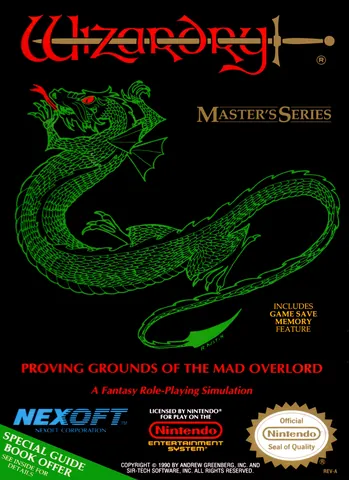 Wizardry: Proving Grounds of the Mad Overlord NES · DOS · A800 · C64 DOS Wizardry II: The Knight of Diamonds DOS
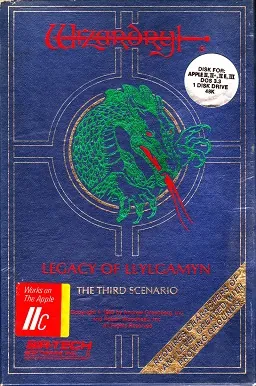 Wizardry III: Legacy of Llylgamyn DOS · 1983
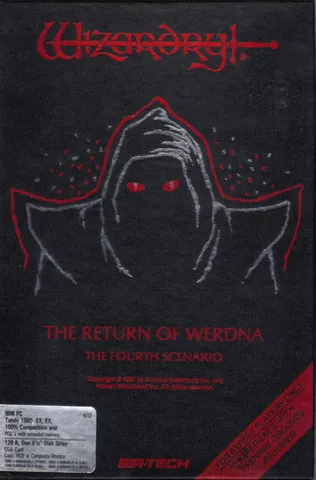 Wizardry IV: The Return of Werdna DOS · 1987
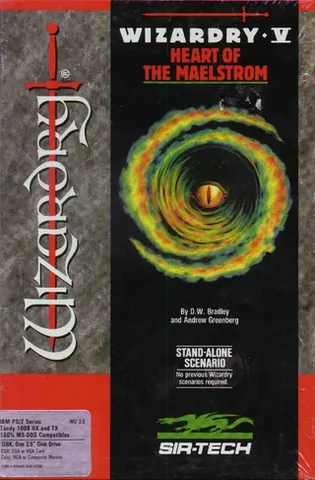 Wizardry V: Heart of the Maelstrom DOS · 1988
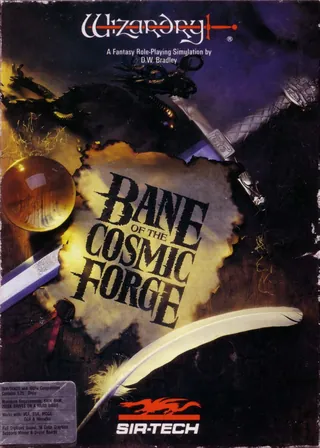 Wizardry VI: Bane of the Cosmic Forge DOS · 1990
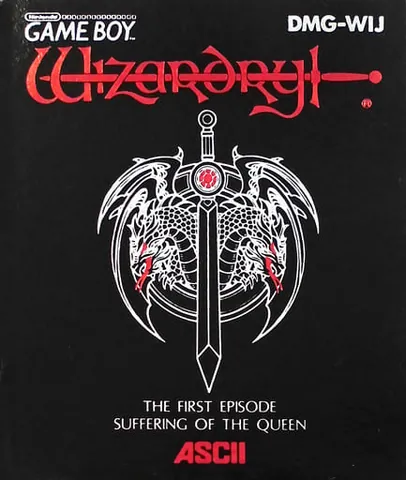 Wizardry Gaiden I: Suffering of the Queen GB · 1991
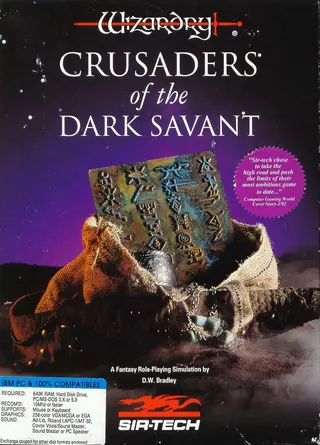 Wizardry VII: Crusaders of the Dark Savant DOS · 1992
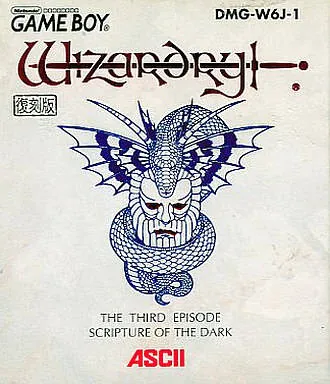 Wizardry Gaiden III: Scripture of the Dark GB · 1993
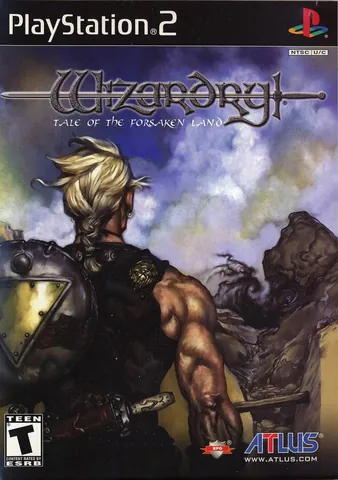 Wizardry: Tale of the Forsaken Land PS2 · 2001
 Wizardry 8 Win9x · 2001
 Wizardry: Labyrinth of Lost Souls PS3 · 2011