Prince of Persia
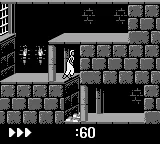
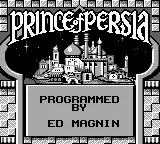
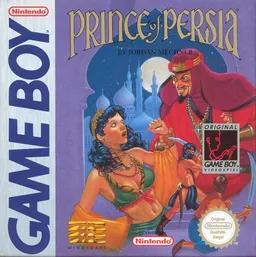
A prince imprisoned in a dungeon, retractable blades, trapdoors and a relentlessly ticking clock. This scenery is among the most iconic in the history of games, and it reached the small screen of the Game Boy in a version that managed to carry over a surprising amount of the original magic. You play a nameless hero who has one hour to gnaw his way through the labyrinth of the evil vizier Jaffar's palace, rescue the princess and defeat his own mirror double.
Jordan Mechner, author of the 1989 original, built the entire game on the then-revolutionary animation of the character's movement. Mechner filmed his brother running and jumping and transferred the frames into the game using a technique reminiscent of rotoscoping, so the prince moved with a fluidity no one knew at the time. On the Game Boy, of course, color and part of the fluidity are missing, but the essence itself remains: every jump across a chasm or duel with sword in hand carries weight and risk.
The mechanics rest on precise platforming running combined with sword fights and logic puzzles in the form of levers, buttons and vanishing tiles. This isn't a game that leads you by the hand. A trap you overlook kills you, and you start the level over. Yet those famous sixty minutes keep running the whole time, which is why every lost second is felt.
Prince of Persia became one of the most frequently ported titles of its era and appeared on practically every platform from home computers to consoles. The handheld version served to shorten long journeys and proved that even a demanding cinematic platformer could fit in the palm of your hand. The series later exploded with the three-dimensional Sands of Time trilogy, but the roots of this legend lie exactly here, in that anxious run against time.
Today this version is above all a reminder of how inventive developers were when converting complex games to modest hardware. For fans of the series it's a nostalgic piece of the puzzle, and for newcomers a demonstration of why the name Prince of Persia meant quality long before modern action hits.
Why play it: If you want to experience the roots of one of the most influential gaming brands in handheld form, this is a nerve-wracking run against time that's worth every lost minute.
Game 43 of 147 for Nintendo Game Boy
The same title elsewhere (7)
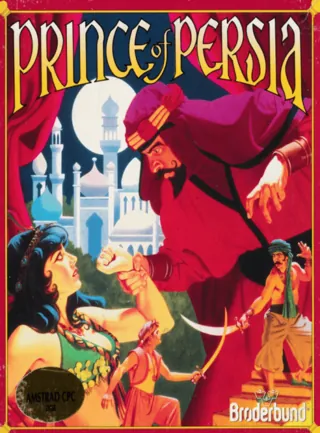
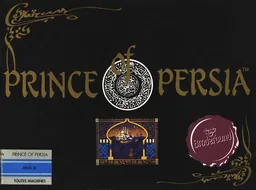
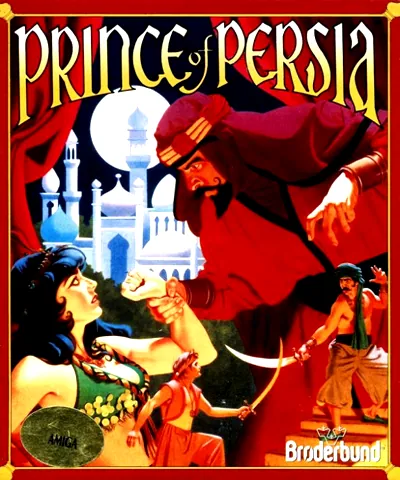
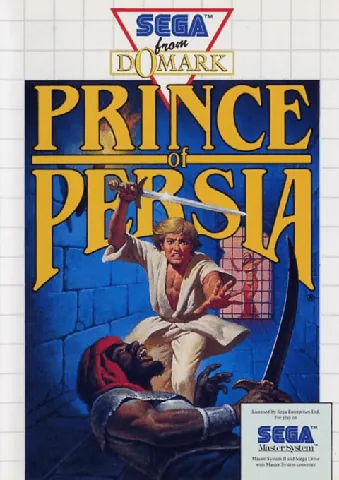
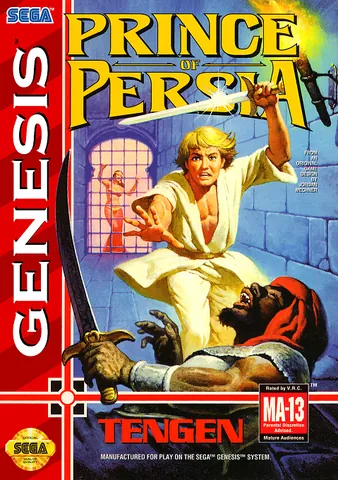
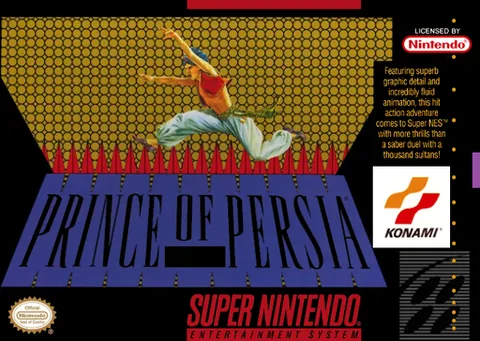
The Amiga and Atari ST offered the smoothest animation, staying closest to Jordan Mechner's original Apple II code and preserving the famous rotoscoped running and jumping. Super Nintendo received reworked 16-bit graphics plus scenes and content missing from the original, so it's often ranked among the best versions overall. The NES version was a separate rework by another team and diverges noticeably from the computer original in look and feel. On Commodore 64 and Amstrad CPC, developers had to cut animation frames due to weaker processors, making the prince's movement feel choppier than on 16-bit machines. Game Boy offered only a monochrome screen and lower resolution, but the core game held up. SEGA Master System delivered a colorful, playable conversion with its own graphical style.
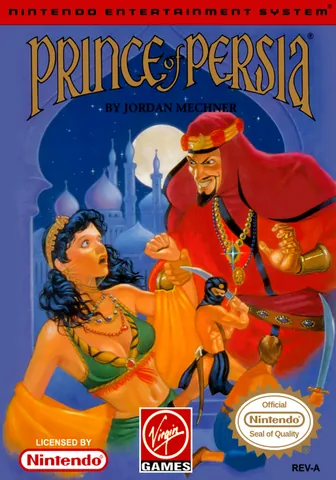
From the same series Prince of Persia →
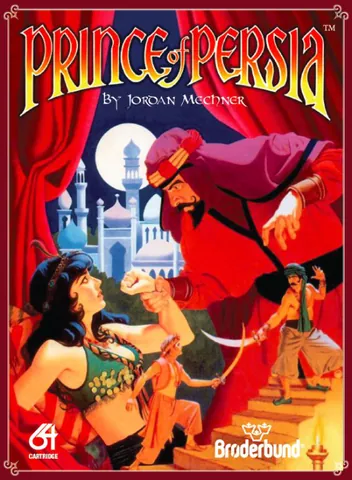 Prince of Persia C64 · X360 · PS3 · PC
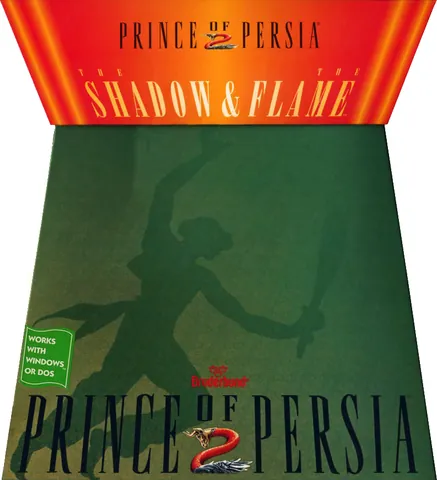 Prince of Persia 2: The Shadow and the Flame DOS · 1993
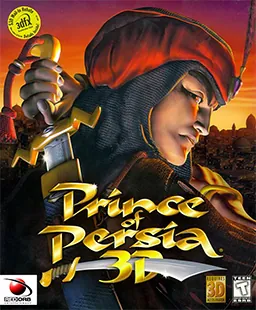 Prince of Persia 3D Win9x · 1999
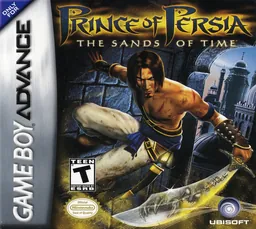 Prince of Persia: The Sands of Time GBA · PS2 · GCN · Xbox · 2003 Java ME Prince of Persia: Harem Adventures Java ME · 2003
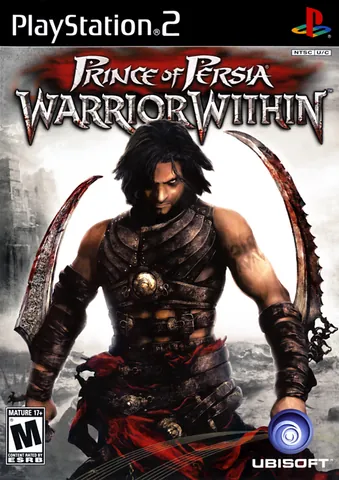 Prince of Persia: Warrior Within PS2 · Xbox · 2004
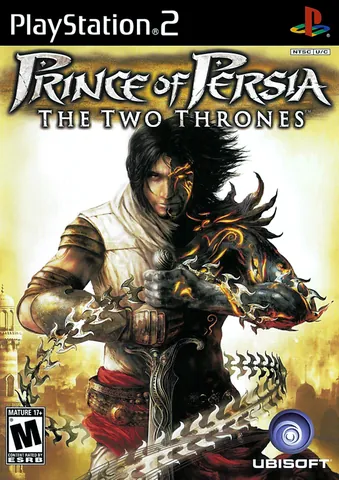 Prince of Persia: The Two Thrones PS2 · GCN · Xbox · PC · 2005
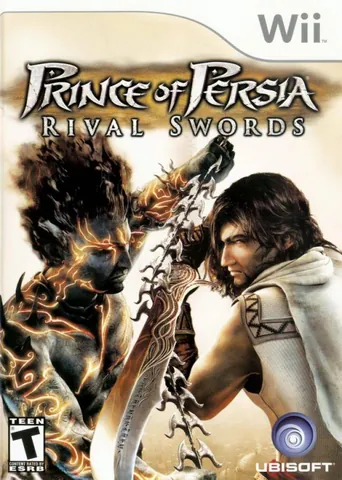 Prince of Persia: Rival Swords Wii · 2008
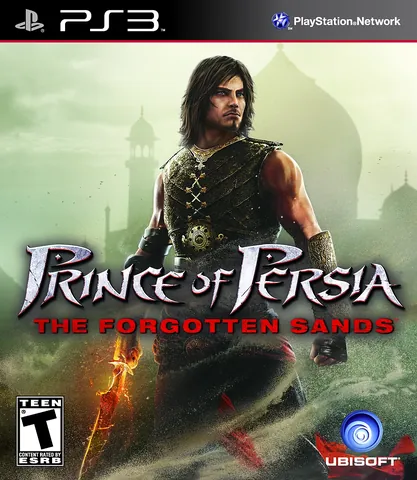 Prince of Persia: The Forgotten Sands PS3 · 2010
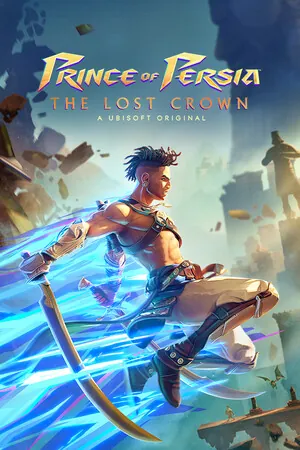 Prince of Persia: The Lost Crown PS5 · Series · 2024