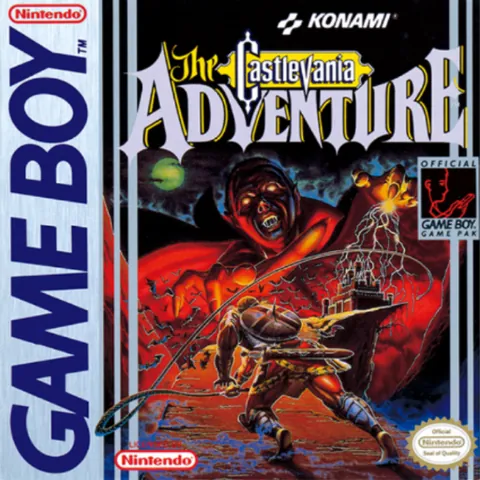
Castlevania: The Adventure
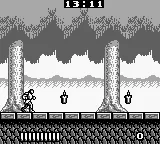
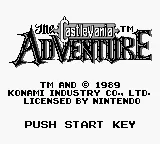
There are games you love for how smoothly they run, and then there are games you revere for where they stood at the beginning of the journey. Castlevania: The Adventure belongs unambiguously to the second category. When it arrived in 1989 as one of the first titles for the freshly released Game Boy, it was the very first portable Castlevania in history — and with it Konami sent a clear message: even this iconic series belongs in your pocket.
You play as Christopher Belmont, ancestor of the legendary Simon, and set out on the classic route across Dracula's castle with a whip in hand. The series' basic DNA is unquestionably present here — the gothic atmosphere, the stairs, the chasms, the skeletons, and the final clash with the lord of darkness. But the monochrome Game Boy and the console's early era took their toll. Christopher moves slowly, lacks a multi-directional attack, and the upgraded whip you laboriously earn is lost again after a single hit. That makes playing an exercise in patience, where every jump across a chasm feels like a life-or-death bet. All the more, though, the period atmosphere shines: Castlevania's music always belonged to the best Konami could do, and even in its stripped-down Game Boy form the melodies retain that unmistakable gothic urgency that pulls you onward even in moments when the controls betray you.
It's precisely this stiffness that's the reason The Adventure is viewed today more as a historically interesting milestone than a smooth experience. The difficulty here often stems from technical limitations and controls, not clever design — a difference a seasoned player senses immediately. The game doesn't punish you because it wants to, but because it simply couldn't do otherwise. Whoever makes it through the entire castle all the way to Dracula comes away more with the feeling of a conquered summit than the joy of smooth action.
Konami was aware of this relic's value and in 2009 released the significantly improved remake The Adventure ReBirth as part of WiiWare, which wrapped the original skeleton in a modern pixel-art presentation and fairer design. If you're drawn to the story of Christopher Belmont in its best form, reach instead for the direct sequel Castlevania II: Belmont's Revenge — it's a game several classes better, one that showed what a GB Castlevania could really do.
The Adventure thus remains above all a chapter in the textbooks. It's a title you admire more for the courage to bring gothic horror onto a gray-green display in 1989 than one you'd return to regularly. For a fan of the series it's a mandatory stop; for the ordinary player, more of a museum exhibit.
Why play it: If you're interested in the roots of the portable Castlevania and want to experience firsthand where the series began on the handheld — otherwise jump straight to the better successor, Belmont's Revenge.
Game 12 of 147 for Nintendo Game Boy
From the same series Castlevania →
 Castlevania: Spectral Interlude ZX
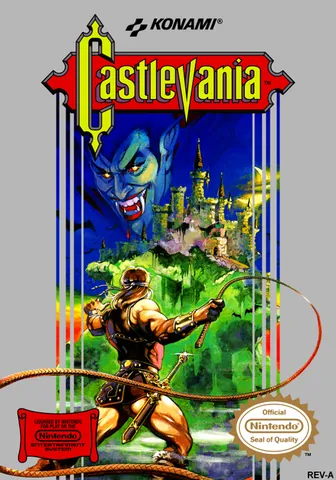 Castlevania NES · 1986 / 1989 (JP)
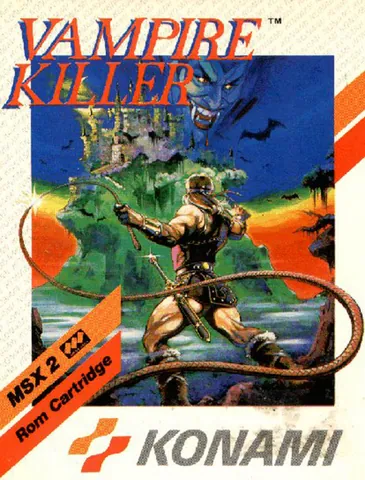 Vampire Killer (Castlevania MSX) MSX · 1986
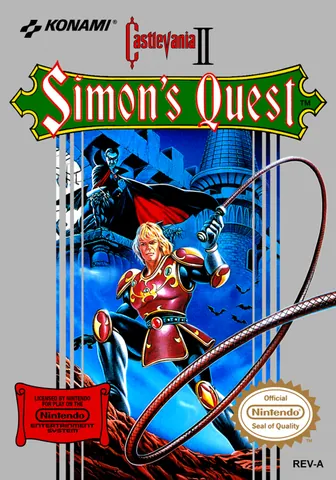 Castlevania II: Simon's Quest NES · 1987
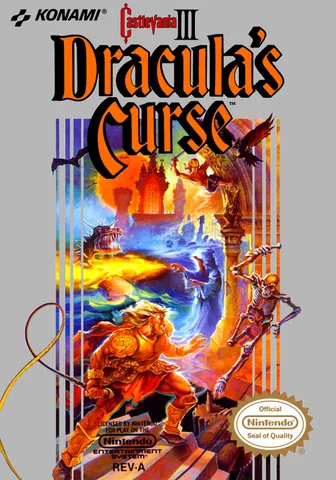 Castlevania III: Dracula's Curse NES · 1989
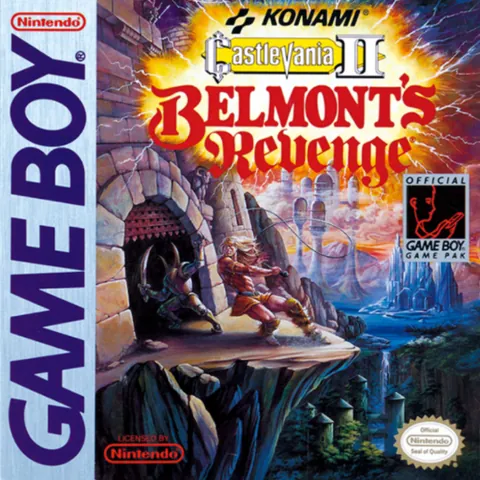 Castlevania II: Belmont's Revenge GB · 1991
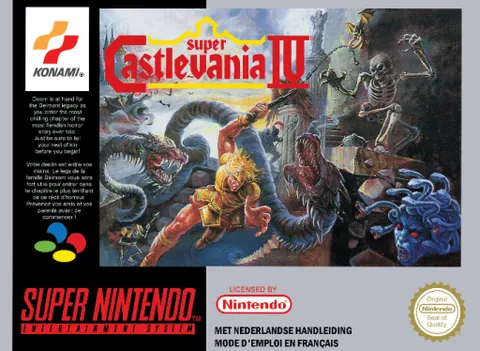 Super Castlevania IV SNES · 1991
 Castlevania: Rondo of Blood (CD) PCE · 1993
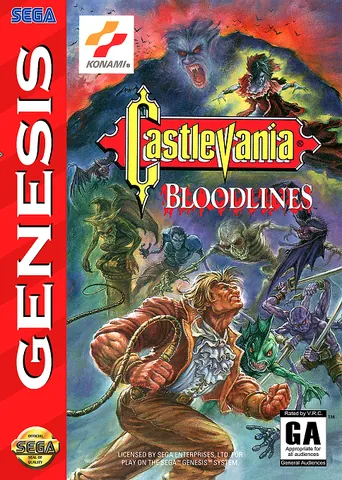 Castlevania: Bloodlines MD · 1994
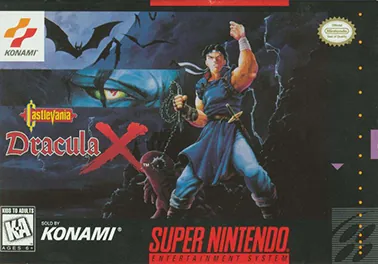 Castlevania: Dracula X SNES · 1995
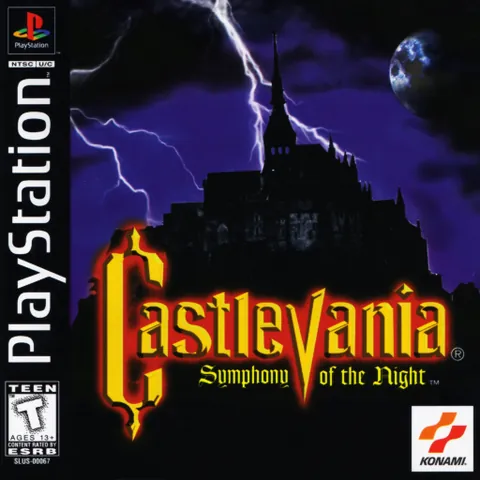 Castlevania: Symphony of the Night PS1 · Saturn · 1997
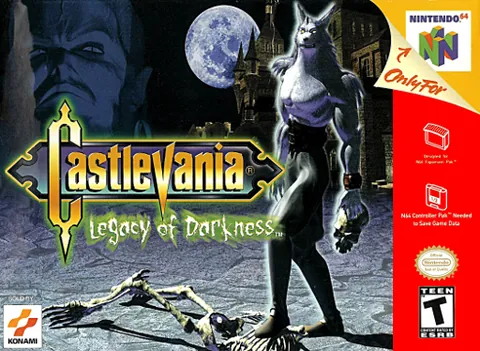 Castlevania: Legacy of Darkness N64 · 1999