Mortal Kombat
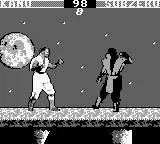
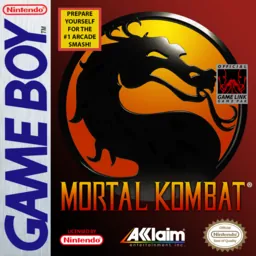
Bloody arcade fights, digitized actors and the infamous fatalities. Mortal Kombat unleashed a storm of controversy in the early nineties and became the symbol of an entire era of fighting games. That this brutal legend made it even onto the monochrome Game Boy is in itself a peculiar piece of gaming history.
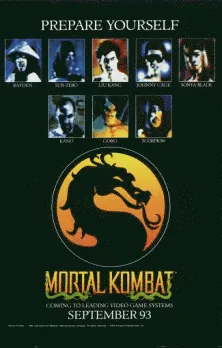
The 1992 original from Midway shocked with realistic-looking characters created by digitizing real actors and with explicit violence that games had never seen before. Mortal Kombat was one of the main reasons the American ESRB rating system came into being. The combat system rested on special moves, blocking and secret button combinations for finishing moves, which became an immortal part of gaming culture.
On the Game Boy it was an extraordinarily ambitious conversion. The handheld console's hardware had enormous trouble with digitized graphics and large characters, so the version necessarily lacks the colors, the fluidity and part of the content of the arcade original. The roster of fighters is trimmed and the animation stark. Even so, the developers tried to preserve the basic recognizable elements including each character's special moves, so you'll find Scorpion's harpoon spear or Sub-Zero's techniques here in some form.
Mortal Kombat's cultural significance is enormous. The series grew into dozens of installments, films and a huge competitive scene, and its reputation as the most brutal fighting game follows it to this day. The handheld version is more of a curiosity than a peak today, but it shows well how strong the pressure was to get the arcade phenomenon of the time absolutely everywhere, even where it technically didn't really fit.
For collectors and fans of the series it's a fascinating artifact of an age when every big hit was necessarily ported to every existing platform regardless of its capabilities. As a pure fighting game on the Game Boy it has its limits, but as a historical document it's invaluable.
Why play it: A curious handheld form of one of the most controversial gaming phenomena. Mainly for fans of the series and collectors of gaming history.
Game 46 of 147 for Nintendo Game Boy
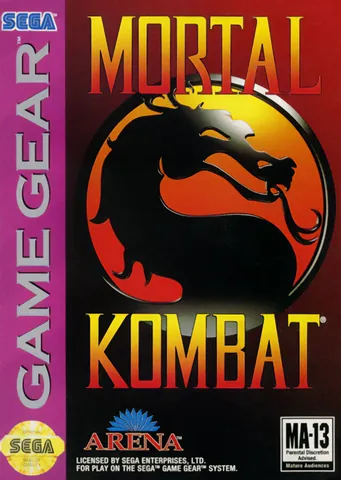
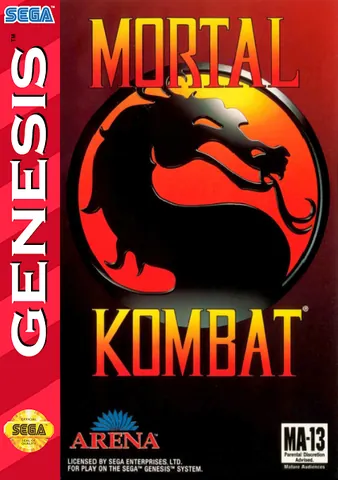
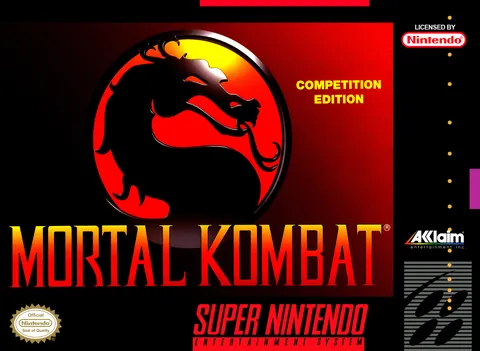
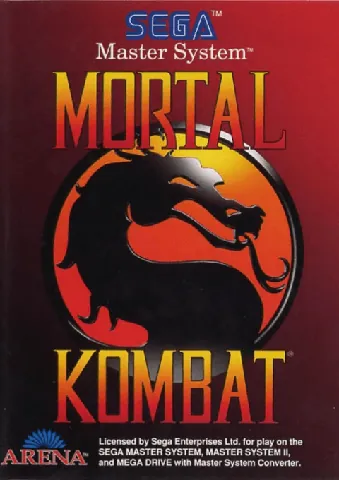
The same title elsewhere (7)
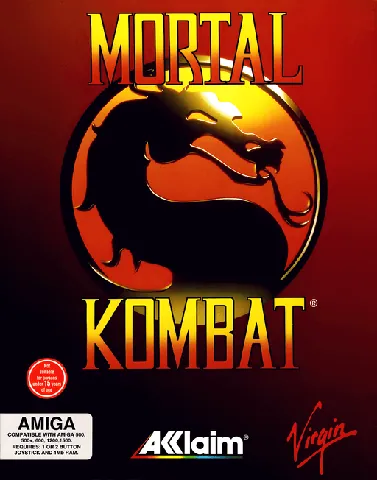
Midway's 1992 arcade original was built on digitised actors and graphic violence that sparked a worldwide scandal and debates about video game censorship at the time. Translating that look to home platforms of the era wasn't easy: the 8-bit SEGA Master System had to drastically cut resolution, colour count and animation frames, leaving characters smaller and their movement choppier than in the arcades. The early-1990s Commodore Amiga version fared even worse – the ageing hardware struggled to play back the large digitised sprites smoothly, the game loaded from floppy disks, and reviews often single it out as one of the weakest home versions. For an authentic taste of the original, an arcade emulation remains the better bet.
From the same series Mortal Kombat →
 Mortal Kombat II MAME · GB · SNES · MD · GG · 32X · 1993
 Mortal Kombat 3 MAME · 1995
 Ultimate Mortal Kombat 3 MAME · 1995
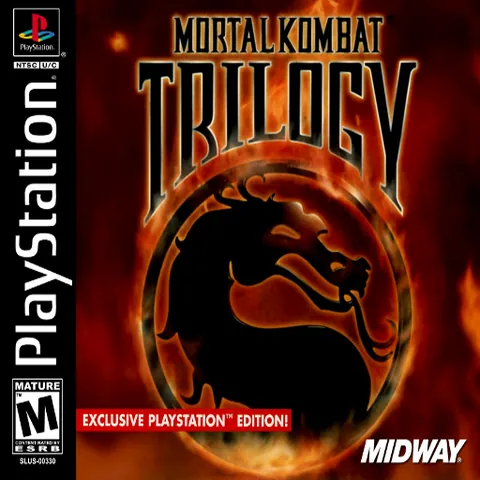 Mortal Kombat Trilogy PS1 · N64 · 1996
 Mortal Kombat Mythologies: Sub-Zero PS1 · 1997
 Mortal Kombat 4 MAME · 1997
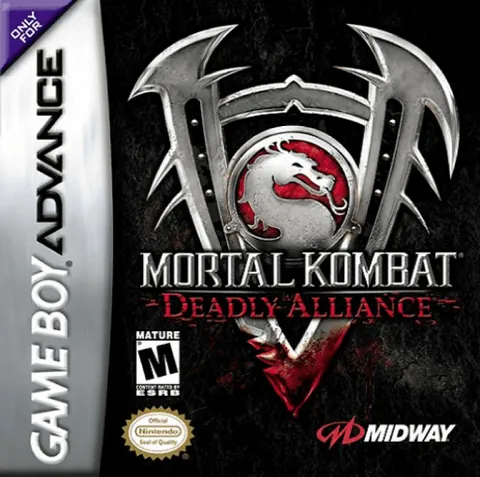 Mortal Kombat: Deadly Alliance GBA · Xbox · 2002
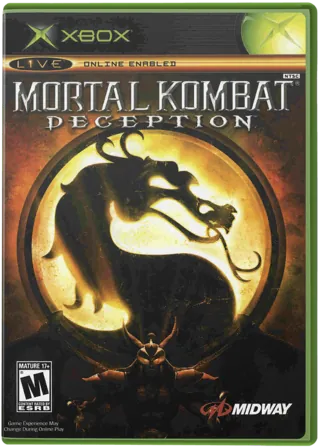 Mortal Kombat: Deception Xbox · 2004
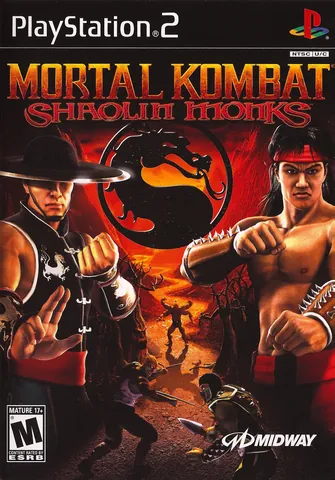 Mortal Kombat: Shaolin Monks PS2 · 2005
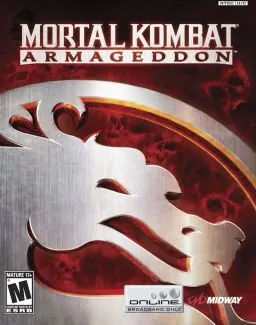 Mortal Kombat: Armageddon PS2 · 2006
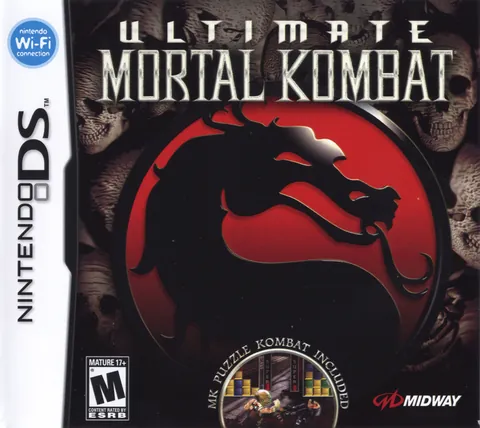 Ultimate Mortal Kombat DS · 2007
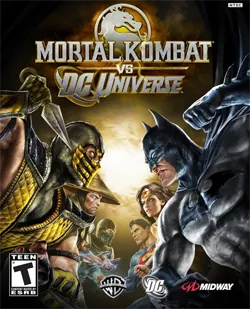 Mortal Kombat vs. DC Universe PS3 · 2008