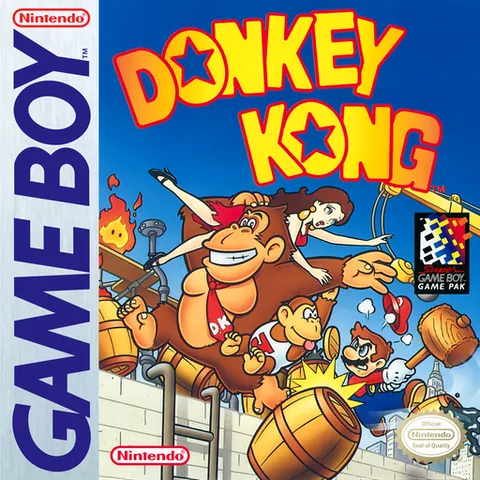
Donkey Kong (1994 / "Donkey Kong '94")
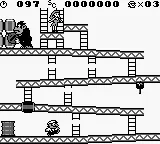
To hide, under the label „remake of an old arcade game," one of the most inventive games on the Game Boy — that was a move worthy of a master. Donkey Kong from 1994, known among fans as Donkey Kong '94, starts out exactly as you'd expect: four classic levels in which Mario climbs after the kidnapped Pauline and dodges the barrels DK hurls from above. And then, at the moment you feel it's all over, the game only truly opens up — and dumps another ninety-seven levels of an entirely new type on you.
This is no longer a race upward. It's a puzzle platformer in which the goal of each floor is to find and grab the key and carry it to the door. That means manipulating the environment, moving objects, timing moving platforms, and pulling levers — and above all learning to control Mario in ways he never could before or since. He can do a backflip, a handstand, a triple jump, he can lift an enemy or object over his head and throw it, climb a ladder, and do a backflip off a handstand. This acrobatic repertoire makes the character an unexpectedly flexible tool and turns every level into a little puzzle about movement.
It was built by Nintendo R&D1 — the incubator that also produced Metroid and the Game Boy itself — and the game proudly embraced new hardware peripherals: it was one of the first titles to support the Super Game Boy, thanks to which players could play it on a TV via the SNES, with color and decorative borders around the image. That turned a rather modest-looking handheld game into a bit of an event.
What still fascinates about Donkey Kong '94 today is its pacing and structure. A hundred-plus levels gradually add new elements — elevators, conveyors, switches, colored doors — and the game doles them out with such patience that you never feel overwhelmed. Now and then you also encounter a boss fight, with Donkey Kong in the lead role of course, so the classic motif never fully disappears. It's a display of design confidence: taking a forty-year-old arcade concept and building something much bigger on top of it, without betraying its spirit.
The influence of this game, meanwhile, is tangible. Its design DNA — a Mario who solves puzzles rather than jumps on enemies, and Donkey Kong as the opponent in puzzle scenes — later crystallized into the entire Mario vs. Donkey Kong series, which builds on this foundation to this day. Few „hidden" titles in Mario's catalog had such a long reach.
Why play it: It's one of the cleverest hybrids of platformer and puzzle game on the Game Boy, and Mario in it can do things he never showed anywhere else — a hundred levels that age more slowly than most modern games.
Game 7 of 147 for Nintendo Game Boy
From the same series Donkey Kong →
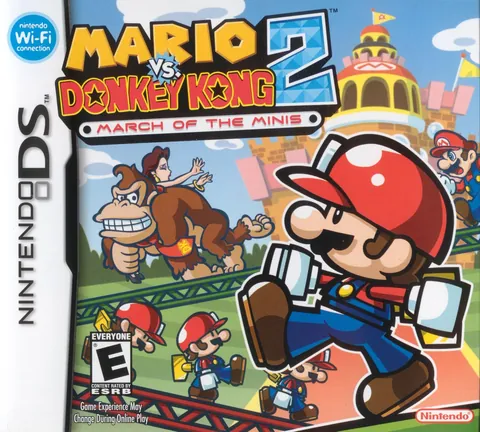 Mario vs. Donkey Kong 2: March of the Minis DS
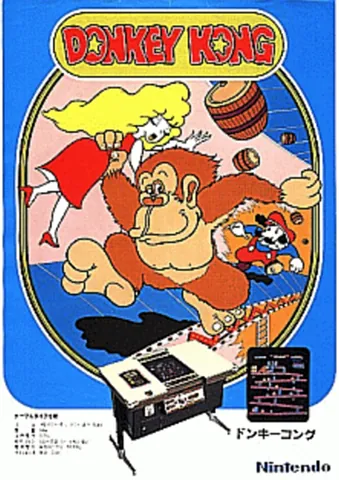 Donkey Kong MAME · Coleco · 2600 · 5200 · G&W · A800 · 7800 · 1981
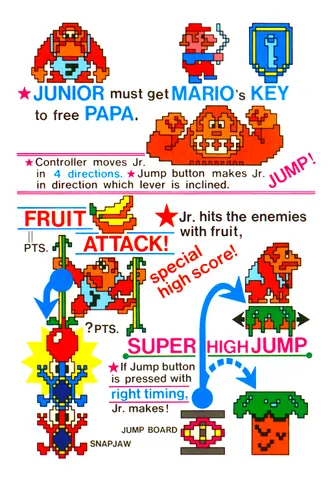 Donkey Kong Jr. MAME · G&W · 1982
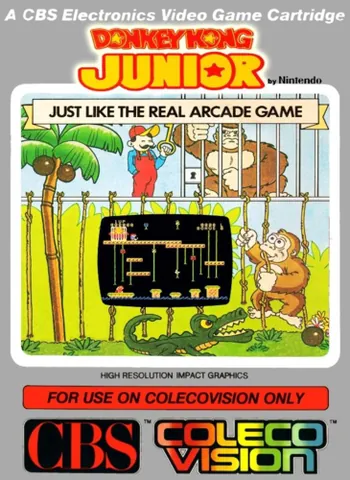 Donkey Kong Junior Coleco · 1982
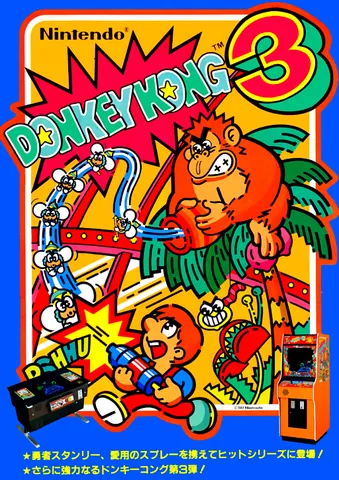 Donkey Kong 3 MAME · 1983
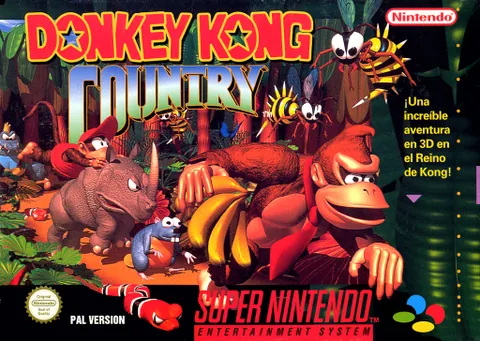 Donkey Kong Country 1–3 SNES · 1994–1996
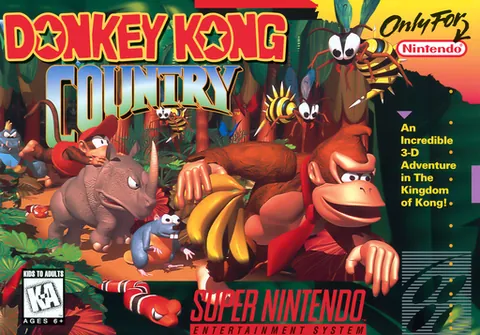 Donkey Kong Country SNES · GBC · GBA · 1994
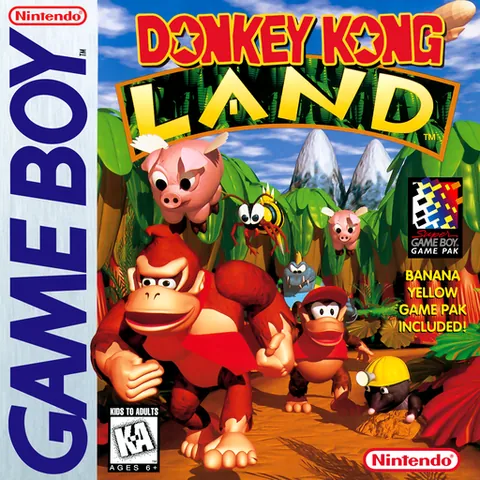 Donkey Kong Land GB · 1995
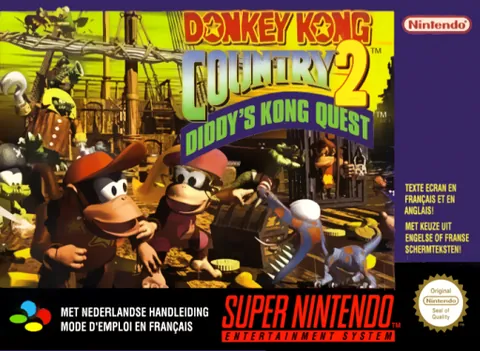 Donkey Kong Country 2 SNES · GBA · 1995
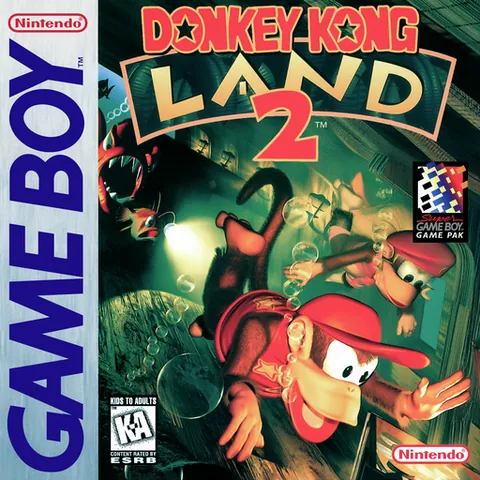 Donkey Kong Land 2 GB · 1996
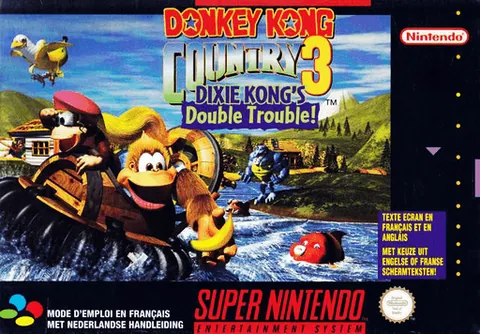 Donkey Kong Country 3 SNES · GBA · 1996
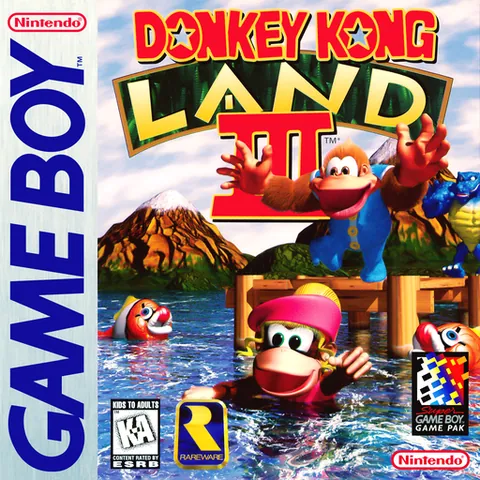 Donkey Kong Land III GB · 1997