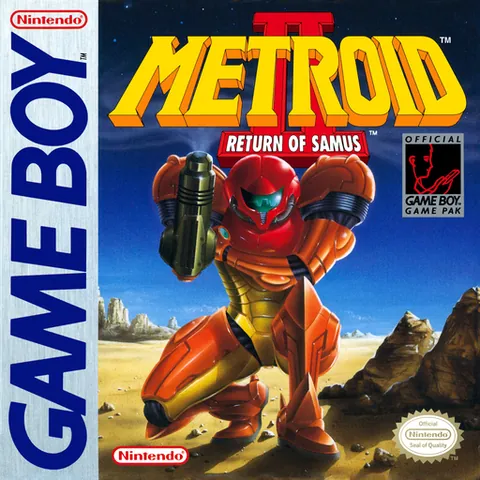
Metroid II: Return of Samus
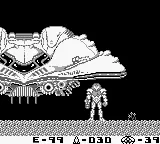
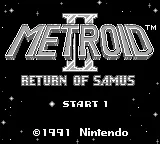
A gray monochrome display you almost have to bite into to make out what's crouching in front of you — and yet Metroid II breathes more atmosphere than many of today's games in full color. This is the only Metroid ever released on the original black-and-white Game Boy, and for many years also the most overlooked entry in the series. Unjustly.
The task this time is brutally clear and, frankly, chilling: Samus Aran receives orders to descend to the Metroids' home planet and exterminate the entire species. No visual guide in the form of a classic map — instead the game is driven by a counter. On screen you see how many Metroids remain to be eliminated, and only when their number drops does the acid level recede and open your path deeper into the planet. It's an elegant solution to the hardware's limits: forward progress directly reflects your completion of the mission, so you never feel lost even though the surrounding world is a labyrinth of corridors and shafts.
The work of Nintendo R&D1 rests above all on atmosphere. Claustrophobic tunnels, loneliness, the ticking counter, and the gradual transformations of the Metroids — from larva to alpha, gamma, zeta, omega — create the feeling of a scientific hunting expedition into a hostile nest. Here the game is ahead in something: the oppressive, almost horror-like tone that Super Metroid would refine to perfection a few years later is born right here, in four shades of gray.
Metroid II is moreover not just an interlude. For the series' mythology it is absolutely crucial. Here you first encounter the baby Metroid, whose relationship with Samus becomes the emotional core of Super Metroid, and here you first face the Queen Metroid. The entire story arc on which one of the most revered games of the nineties stands has its roots in this underrated handheld expedition.
What best testifies to its significance, in the end, is how much love others devoted to it. The fan remake AM2R (Another Metroid 2 Remake) from 2016 was received enthusiastically as one of the best fan projects ever, and Nintendo shortly thereafter released its own official remake Metroid: Samus Returns (2017) on the 3DS. A game that few took seriously for years thus doubly earned its return to the spotlight.
Why play it: In atmosphere and dread it was ahead of its time and laid the story foundations of Super Metroid — anyone who wants to understand where Samus comes from must descend here.
Game 8 of 147 for Nintendo Game Boy
From the same series Metroid →
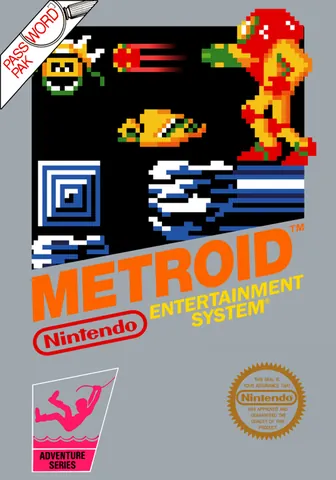 Metroid NES · 1986 (JP) / 1987 (US)
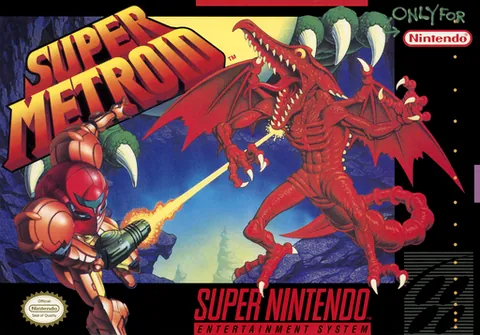 Super Metroid SNES · 1994
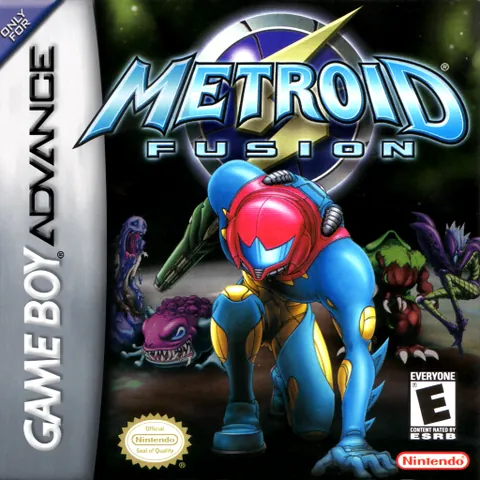 Metroid Fusion GBA · 2002
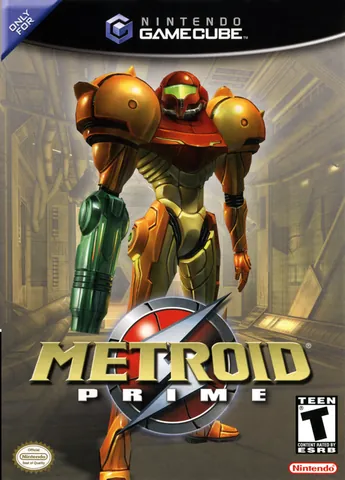 Metroid Prime GCN · 2002
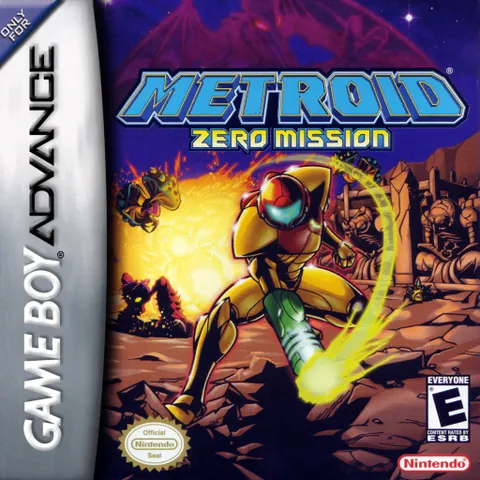 Metroid: Zero Mission GBA · 2004
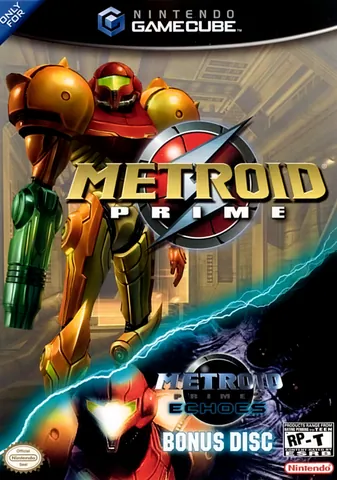 Metroid Prime 2: Echoes GCN · 2004
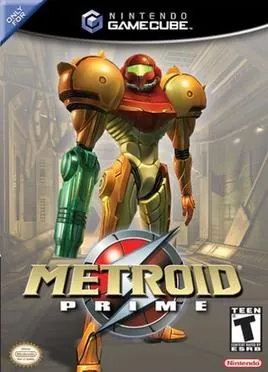 Metroid Prime Pinball DS · 2005
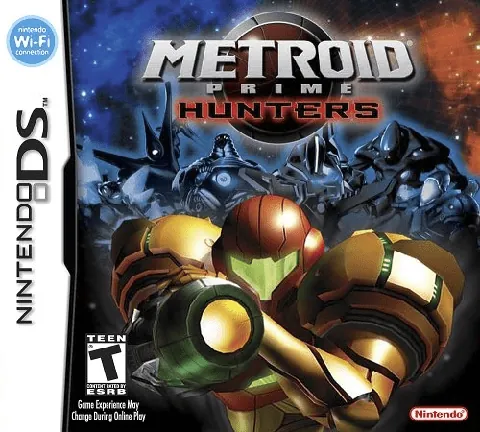 Metroid Prime Hunters DS · 2006
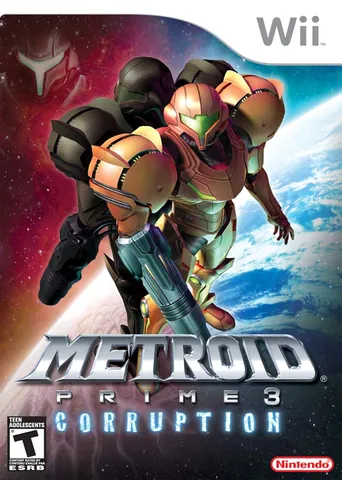 Metroid Prime 3: Corruption Wii · 2007
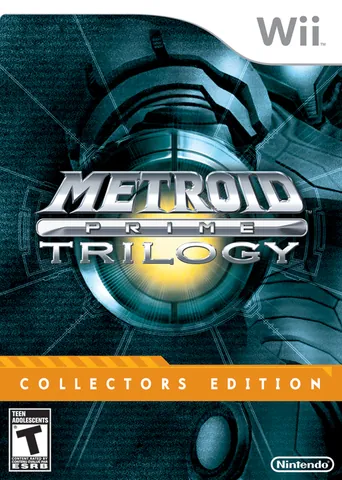 Metroid Prime Trilogy Wii · Wii U · 2009
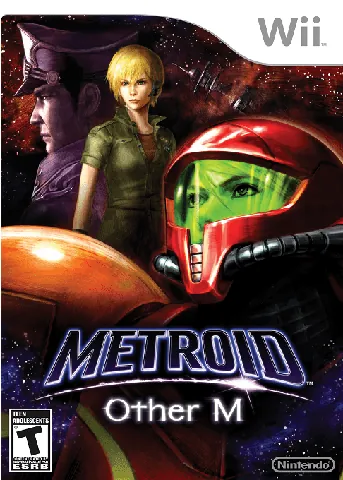 Metroid: Other M Wii · 2010
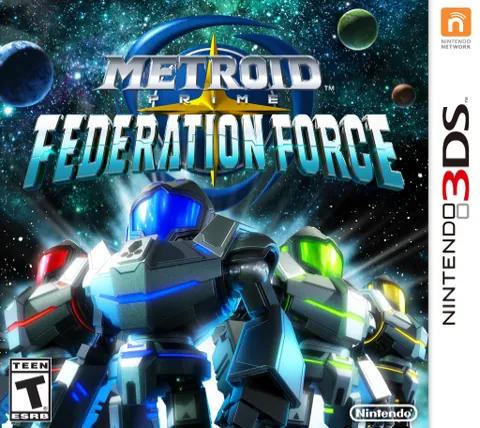 Metroid Prime: Federation Force 3DS · 2016