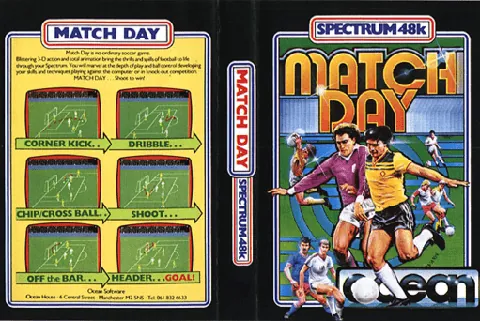
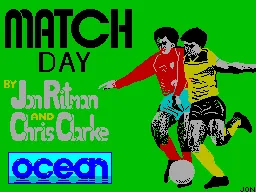
Long before football simulators boasted million-dollar budgets and licenses for real-life stars, a single eight-bit machine could get a whole pub or living room fired up - Match Day II ranks among the titles that defined, on the ZX Spectrum, how virtual football should look and play.
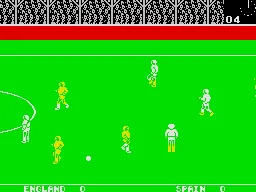
The game built on the successful first installment and refined what made football on the Spectrum fun: a clear side or angled view of the pitch, smooth player movement and a battle for the ball that rewarded timing and anticipation. A key element was the system of passing and shooting, where power and timing mattered - a kick was not merely the press of a button but a decision about how hard and where to send the ball.
By today's standards it is of course a simple affair, but that very readability made Match Day II an ideal two-player game. To sit down next to a friend, grab the joystick and snatch a winning goal in the final seconds - that was the kind of experience that turned football games on the eight-bits into a social event.
For its time, the title also stood out in how it tried to capture the dynamics of a real match: the movement of teammates, the goalkeeper and the duels in front of goal created the impression of a real game rather than just hammering a pixelated dot. For many players in Britain and here at home, it was the first football game they remember, and as such it shaped expectations of the entire genre on home computers.
Match Day II thus stands today as a milestone in the lineage of computer football - a reminder of a time when the magic of a match fit into a few kilobytes and when the winner was decided by nimble fingers and a cool head, not by rating statistics.
Why play it: For a pure, easy-to-grasp two-player football duel that helped lay the foundations of the entire genre on the ZX Spectrum.
Game 14 of 100 for ZX Spectrum