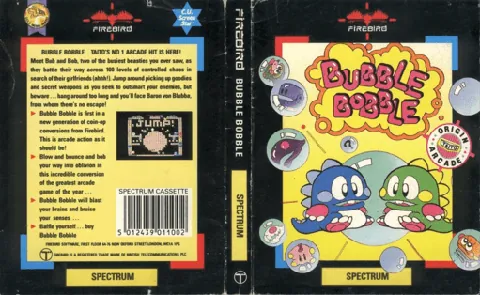
Bubble Bobble
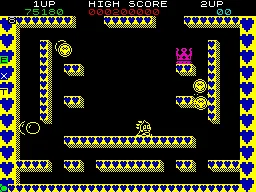
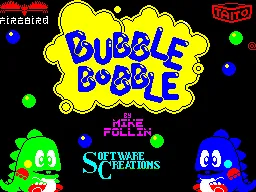
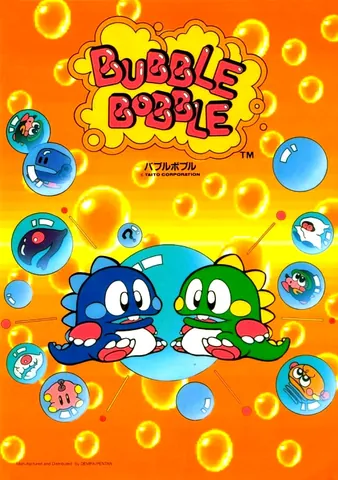
Two adorable little dragons who spew bubbles and trap enemies inside them - few arcade games breathe such infectious optimism as Bubble Bobble. This legend, originally from a Taito arcade cabinet, also arrived on the ZX Spectrum and brought with it one of the most memorable melodies of the eight-bit era.
The premise is brilliantly simple and instantly understandable. As the dragon Bub (and Bob in co-op) you clamber through single-screen levels, blow bubbles at the little monsters and then bump into them to turn them into fruit and other goodies to collect. Clearing the screen means moving on - and there is a long line of such screens waiting, each adding a new arrangement of platforms and a new type of opponent.
At the heart of the experience is two-player co-op. Bubble Bobble does not play best alone; only with two does the real teamwork kick in, where one covers the other, both compete to collect bonuses and together they push ever deeper. The game is riddled with secret items, hidden mechanics and surprises that reward curious players and invite repeated exploration.
The Spectrum conversion had to account for the platform's limitations - in colors and sound - but the spirit of the original remained: the hopping, the bubble-blowing and that irresistibly cheerful feeling that pulls you toward „just one more screen.“ It was precisely this immediate joy of play that made Bubble Bobble one of the most beloved titles of its time across all platforms.
From the original game grew an entire branching family, including the Rainbow Islands series and countless sequels and remakes, which is why Bub and Bob rank among the immortal icons of gaming history. On the Spectrum, Bubble Bobble remains a memory of how pure, unpretentious fun can taste.
Why play it: For instantly addictive two-player co-op fun and that indestructibly cheerful mood that the bubble-blowing dragons still spread to this day.
Game 15 of 100 for ZX Spectrum
The same title elsewhere (8)
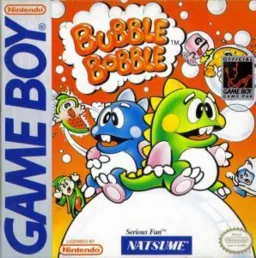
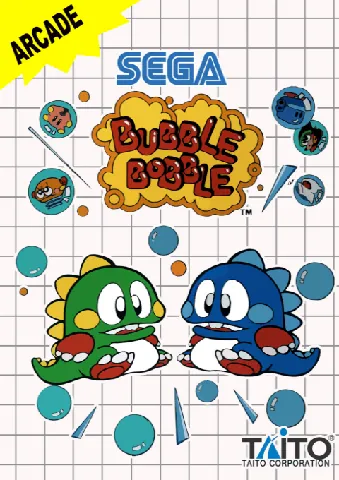
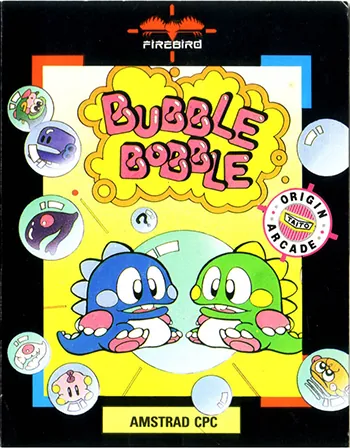
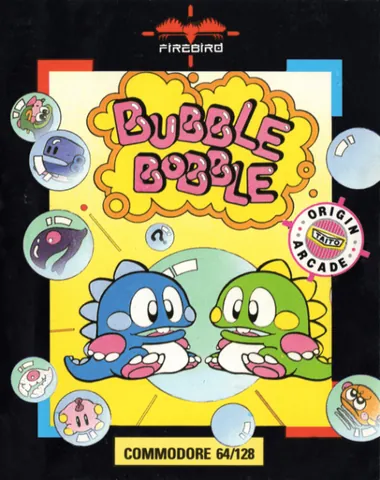
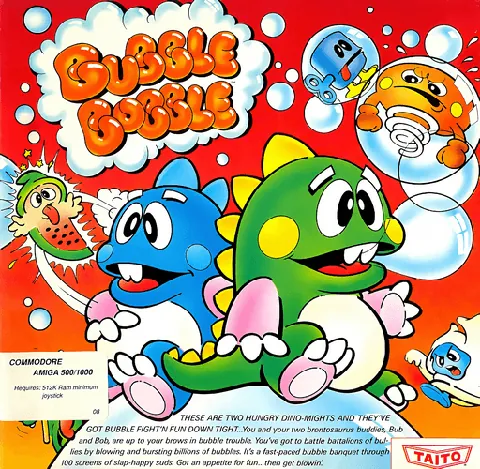
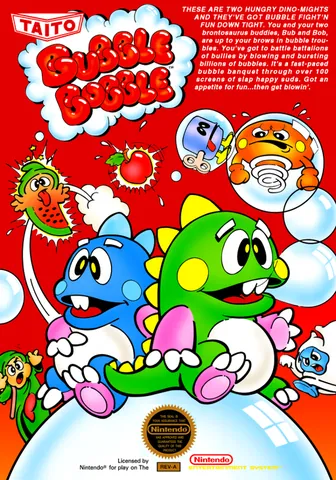
Taito's arcade original defined the game's charm, but home 8-bit versions earned their own reputation. The Commodore 64 version is famous for its music — the SID chip tune remains one of the most praised soundtracks of the 8-bit era. The NES conversion contains all one hundred original levels plus bonus modes and alternate endings, often seen as the most complete home version. ZX Spectrum and Amstrad CPC had to limit color and the smoothness of bubble movement due to weaker hardware, giving a plainer screen than the competition. Amiga and Atari ST offered faithful arcade-style graphics, but given the power of those machines, they're often judged as less ambitious ports than contemporary projects elsewhere. Game Boy reduced everything to a small monochrome screen, yet stayed addictive.