 IBM PC a klony · 1981
Computers
PC / DOS (XT až 486)
History & context
When IBM introduced its IBM PC in 1981, nobody was thinking about games. It was an expensive office machine with an Intel 8088 processor, a text screen, a beeping speaker, and an MS-DOS system controlled from the command line. Next to the colorful Commodore 64, it looked like an accountant in a suit who wandered into a kids' birthday party. Yet it had one quality nobody else offered: an open architecture. Expansion cards, documented interfaces, and readily available components meant that anyone could build a computer.
And that's exactly what happened. Through the XT (1983) and AT with the 80286 processor (1984), all the way to the 386 and 486 generations, the PC became the world's most widespread platform, driven by an army of clones and a merciless price war. The hardware improved every year, while the closed sixteen-bit machines stayed frozen in time. By around 1992 it was clear: the DOS PC had steamrolled both the Amiga and the Atari ST.
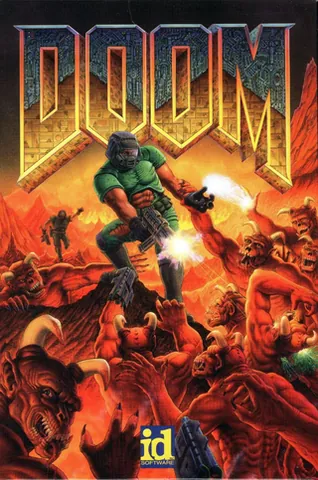
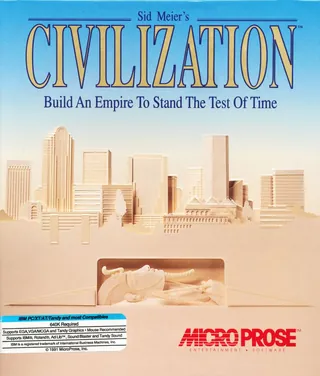
The era of DOS gaming peaked in the first half of the nineties. Doom, X-COM, Dune II, Civilization, and adventure games from LucasArts and Sierra were made for a machine that, barely ten years earlier, could only manage four colors and a single beep.
Technology: graphics and sound
Graphics went through generations of cards that players bought separately. The oldest, CGA, handled 320×200 pixels in 4 colors from brutally limited palettes (including the infamously ugly cyan-and-magenta combo). Hercules offered sharp monochrome graphics, great for spreadsheets and lousy for games. EGA (1984) raised the bar to 16 colors and a resolution of 640×350.
The real turning point, though, was VGA in 1987. Its legendary Mode 13h offered 320×200 pixels in 256 colors out of a palette of 262,144 shades, all in simply addressable linear memory — a gift for programmers. Suddenly it was possible to do digitized images, smooth transitions, and palette animation. VGA gave the PC visual superiority over the Amiga and became the standard for the entire DOS era; SVGA cards with higher resolutions later supplemented it.
Sound was a weak point for a long time. The default output was the PC speaker, a piezo speaker capable of essentially nothing but square-wave beeping. Salvation came with the AdLib card (1987) with the Yamaha OPL2 chip, which brought FM synthesis and nine channels of real music. It was soon overtaken by Creative's Sound Blaster: compatible with AdLib, but also able to play digital samples, so explosions, voices, and drums arrived in games. It became the standard that practically every game targeted. At the top of the heap sat the expensive external Roland MT-32 module, whose sound FM synthesis couldn't match.
Connectivity and peripherals
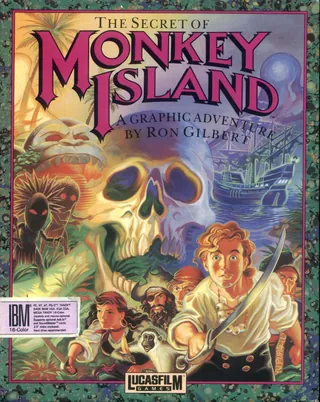
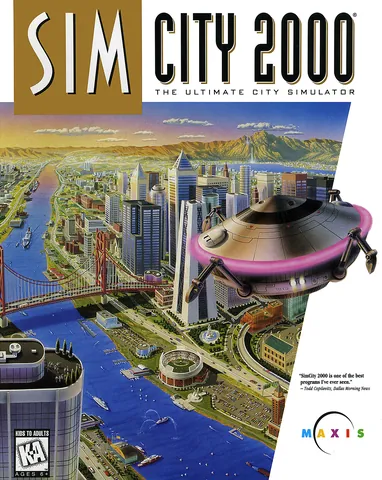
The keyboard was the foundation, literally: games from simulators to adventures assumed the player had both hands on the keys and remembered dozens of shortcuts. The mouse went from an office accessory to a gaming necessity with the rise of point-and-click adventures and strategy games; without it, neither Monkey Island nor SimCity would make sense.
The joystick plugged into an analog game port, initially found on a separate card, later standardly moved to the sound card — so a single connector served both the joystick and MIDI. Analog controllers were beloved by flight simulators. Enthusiasts added a modem to play over a phone line, and networks for deathmatch play started appearing in offices and schools.
Models and revisions
PC development wasn't measured by one manufacturer's models but by processor generations. The 8088 in the original PC and XT was enough for text adventures and simple arcade games, the 80286 in the AT brought higher performance, but it was the 386 and especially the 486 that defined the gaming era — only on the 486 did Doom or Wing Commander run the way they were meant to. There were differences within the lines too: the 486SX without a math coprocessor, the 486DX with an integrated FPU, and earlier standalone coprocessors like the 8087, 287, and 387.
A typical curiosity was the turbo button on the case. It didn't speed anything up, as everyone assumed — quite the opposite, it slowed the computer down to its original clock speed so older games tied to processor clock speed would still work properly. Just as typical was the fight over conventional memory: the config.sys and autoexec.bat files, the himem.sys and EMM386 drivers, EMS and XMS, boot disks with different configurations, and the eternal out-of-memory message a few kilobytes short of the goal.
Clones and variants
The key to the PC's rise was IBM compatibility. After companies like Compaq legally cloned the BIOS, an avalanche of clones followed — manufacturers around the world built these computers, and prices fell. This is what set the PC apart from the Amiga and Atari ST, which rose and fell with a single company.
Media went through its own evolution: from 5.25" floppy disks (360 kB, later 1.2 MB) through 3.5" floppy disks (720 kB and 1.44 MB) to CD-ROM in the early nineties. CDs brought spoken dialogue, digitized music, and video — and a wave of games with recorded actors. Installing from eight floppy disks was a ritual of the era.
In Czechoslovakia, PCs appeared in significant numbers mainly after 1989, once import restrictions fell and the first computer shops and markets sprang up. The machines were expensive, often assembled from imported parts, and games spread mainly on copied floppy disks that circulated among friends and around schools.
The scene today
Playing DOS games today is easy thanks to emulation. The standard is DOSBox and its more advanced variant DOSBox-X, which can handle even the trickier period configurations. On retro handhelds the same foundation is used — both Batocera and RetroArch (via the dosbox-pure core) get a DOS game running without needing to fuss over sound card drivers or autoexec lines.
A legal source is GOG.com, which sells the classics pre-configured and set up in an emulator. Adventure games deserve ScummVM, which launches game data directly instead of emulating an entire computer. Source ports are a special chapter of their own: once the source code was released, dozens of Doom engines emerged — from the purist Chocolate Doom, which faithfully replicates the original behavior, to modern variants with high resolution. On top of that, the community supplies fan patches, bug fixes, translations, and new levels. The DOS era hasn't stayed a closed chapter — it's a living scene.
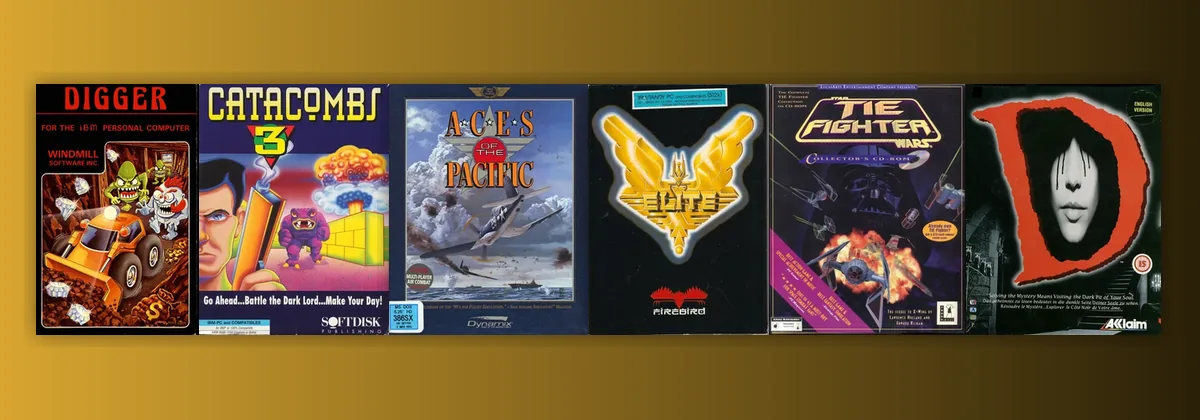
Games on this platform (204)
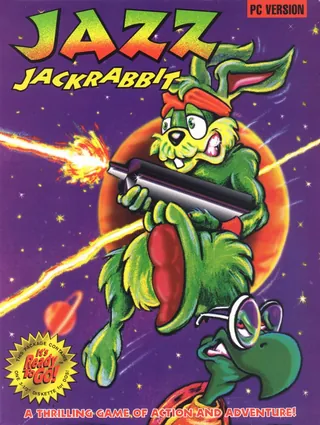
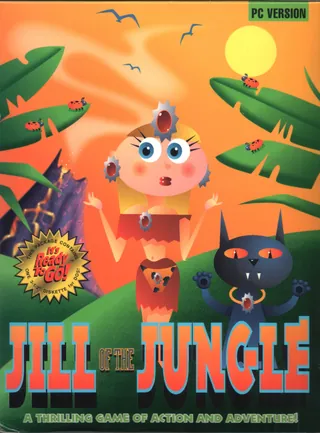

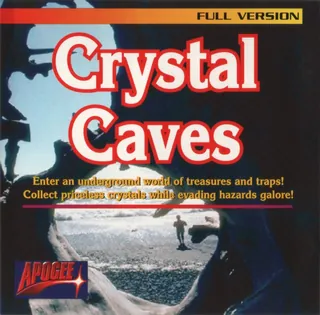

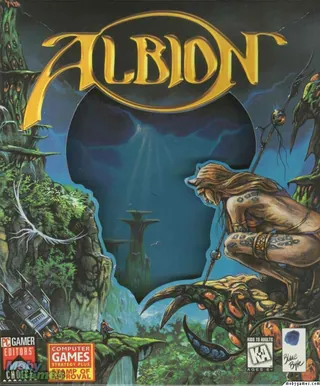
Albion
A Blue Byte RPG about the crew of a crashed spaceship in a world blending sci-fi and fantasy.
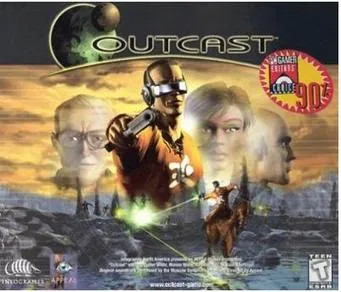
Outcast
An action-adventure built on its own voxel engine, technologically exceptional for its time.







No game in this genre.