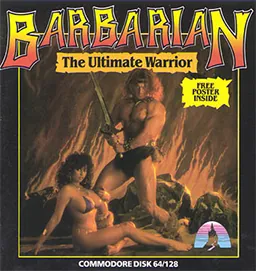
Barbarian: The Ultimate Warrior
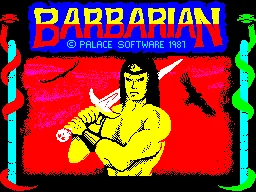
Barbarian: The Ultimate Warrior pitted the player against another player (or the computer) in a raw sword duel in an enclosed arena surrounded by the skulls of defeated fighters. The goal was to gradually weaken the opponent with a series of slashes, kicks and dodges until one of the duelists fell – and the game revelled in the most brutal possible finish, where the winning strike could literally knock the loser's head off its shoulders, sending it rolling across the screen. The controls were surprisingly sophisticated for their time, with several types of attacks and defensive moves, making the duels a genuine test of reflexes and tactics rather than just random button-mashing.
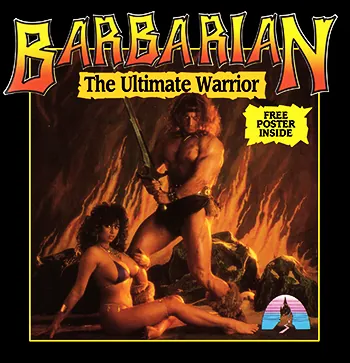
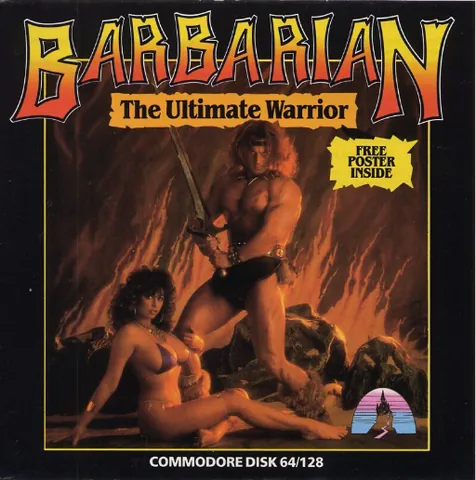
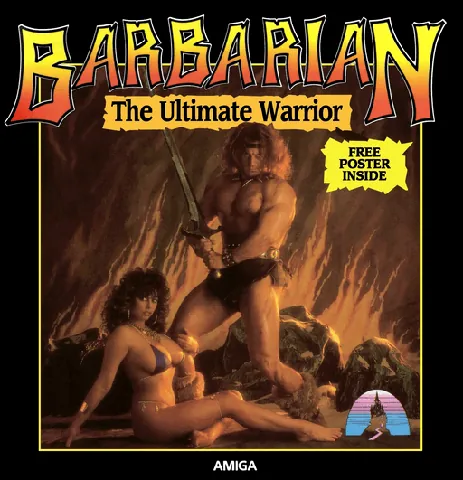
On the ZX Spectrum the game ran briskly, and the fighters' animations were among the smoothest an eight-bit version could offer, which helped preserve the combat tension despite the limited palette and resolution. The sound was sparse, typical of an unexpanded Spectrum, but the primitive yet effective slashing sounds and crowd roars around the arena helped build the atmosphere. The game became one of the symbols of the era's debate about violence in computer games, not least thanks to the promotional campaign featuring a model posing alongside a warrior on the marketing materials, which caused a media stir.
Reviews of the time praised above all the depth of the combat system and the tense two-player mode, which made Barbarian a favourite pastime during school breaks and get-togethers with friends. The game influenced later fighting titles and is often ranked among the forerunners of the fighting-game genre on home computers, even before the genre came to be dominated by console hits. Today it feels more like a curious historical relic than a playable challenge, but its raw brutality and sense of humour secure it a firm place in the history of the British games industry. The game's success led, a year later, to the sequel Barbarian II: The Dungeon of Drax, which expanded the story framework and setting, though the basic combat system remained the core of both instalments.
Why play: For its tense two-player duels and raw brutality laced with a good dose of humour, which influenced later fighting games, even though today it's more of a historical curiosity than a challenge.
Game 52 of 100 for ZX Spectrum