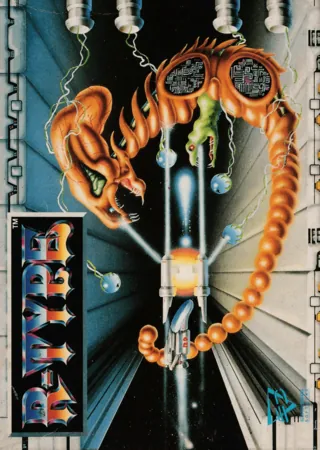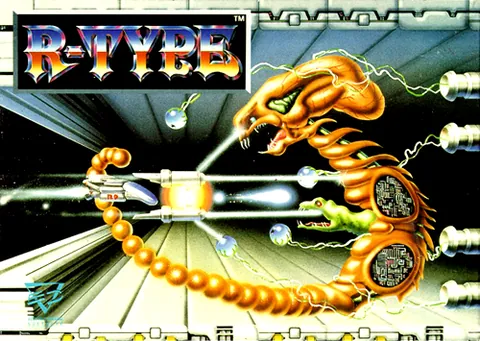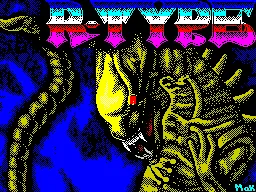
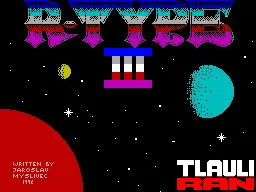
A wall of enemy projectiles, narrow passages between biomechanical innards, and a slowly rotating, invincible metal appendage floating ahead of you - R-Type ranks among the most demanding and influential space shooters ever made, and its conversion to the ZX Spectrum was a minor heroic feat.
R-Type is a horizontally scrolling shmup in which you pilot a fighter through densely designed levels packed with enemies, obstacles and gigantic bosses. Its trademark is the so-called Force - a detachable module you can attach to the front or rear of your ship, use as a shield against incoming fire, or send forward as an autonomous weapon. This mechanic made R-Type far more than an ordinary shooter: it is a game about positioning, about knowing when to deploy the module and when to release it.
The difficulty is legendary. R-Type demands memorization of level layouts, precise maneuvering through tight spaces and a cool head during boss fights that fill half the screen. This is not a game you clear on your first try - it is a challenge that rewards patience and mastery of its rules.
The Spectrum conversion belongs to that category of excellent ports which proved that even on hardware with very limited capabilities for smooth scrolling and large numbers of on-screen objects, a playable and faithful version of an arcade classic could be built. The programmers had to make compromises, but the spirit of the original remained intact.
Culturally, R-Type is one of the pillars of the entire genre. Its design influenced countless later shooters, and the add-on module concept became an iconic element that would reappear in various forms for many years to come. For shmup fans, it is one of the foundational cornerstones.
Why play it: For a legendary, uncompromising space shooter with the brilliant detachable-module mechanic - a genre classic that, even in its modest Spectrum version, never hides its greatness.
Game 8 of 100 for ZX Spectrum
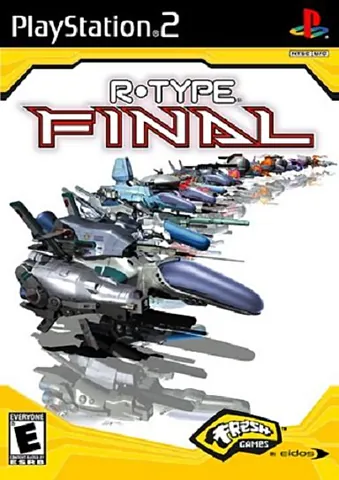
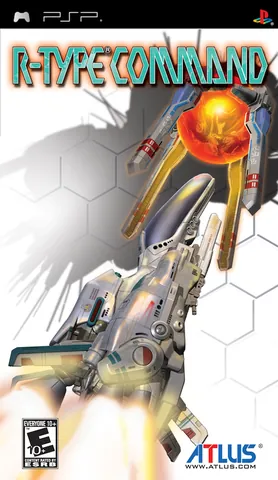
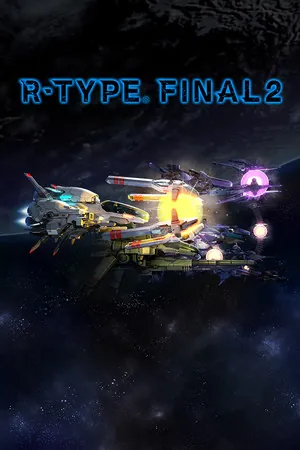
The same title elsewhere (7)
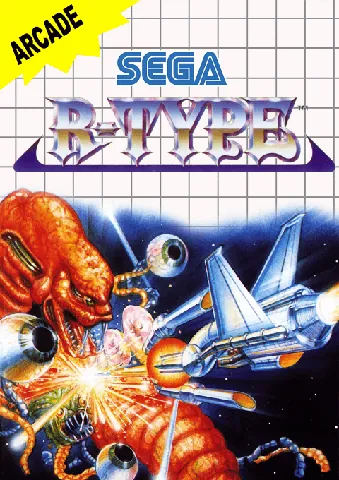
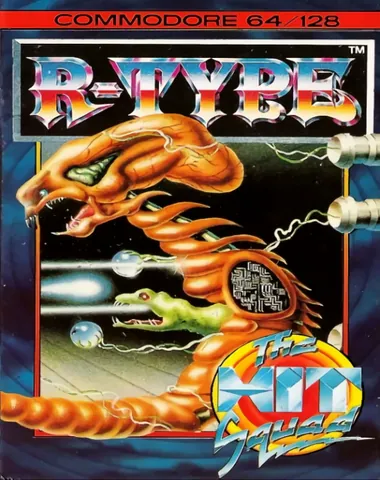
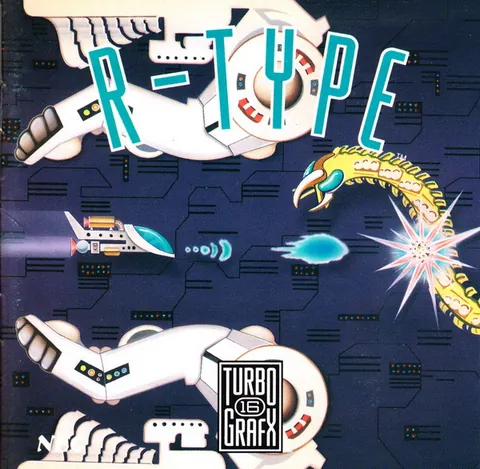
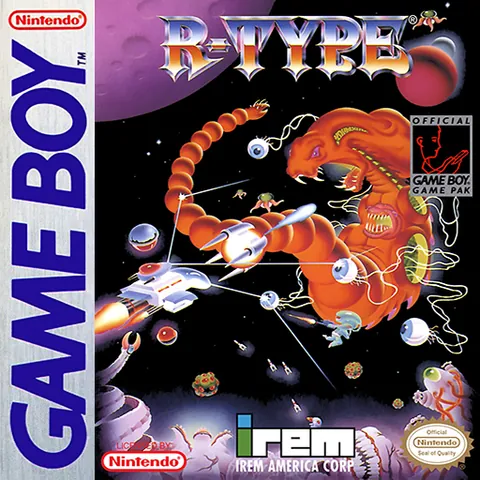
R-Type is a textbook case of a game where Irem's arcade board far outstripped contemporary home conversions, so differences mostly come down to how much graphical density and smoothness each platform could hold onto. Amiga and Atari ST came closest to the arcade experience, with smooth scrolling and faithful colors for the biomechanical enemies. Versions for Commodore 64, ZX Spectrum, and Amstrad CPC had to limit the number of enemies on screen and simplify backgrounds due to weaker hardware, slowing the game down, though the original's punishing difficulty remained intact. The PC Engine conversion was among the technically strongest ports, close to the arcade in color and speed. On Game Boy and SEGA Master System, graphics and pacing had to be noticeably simplified.