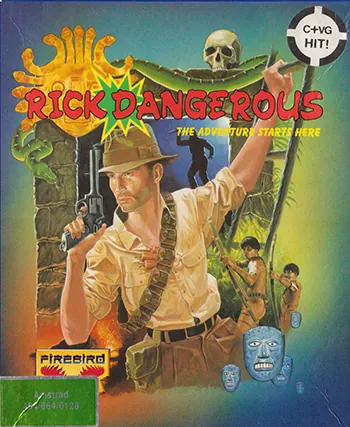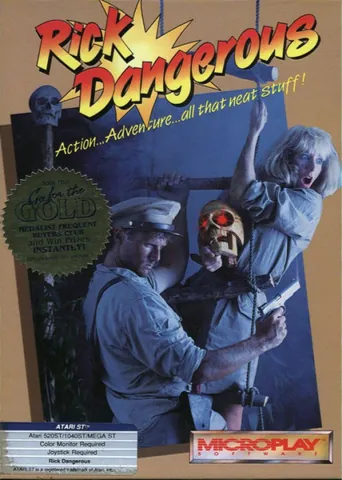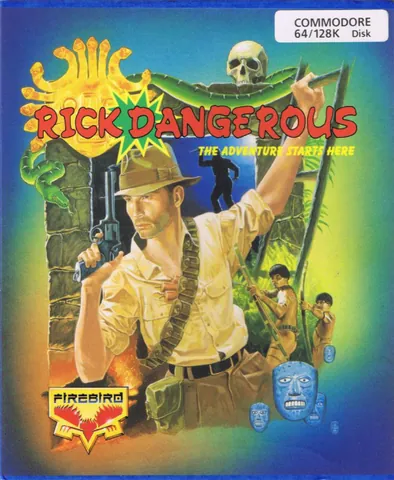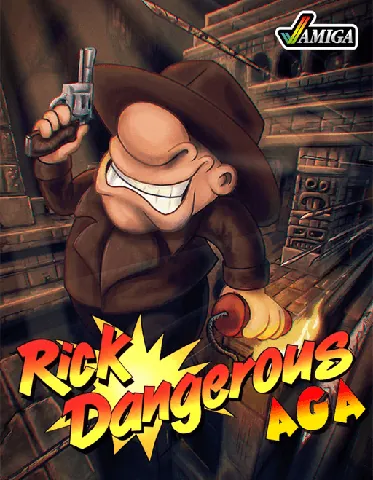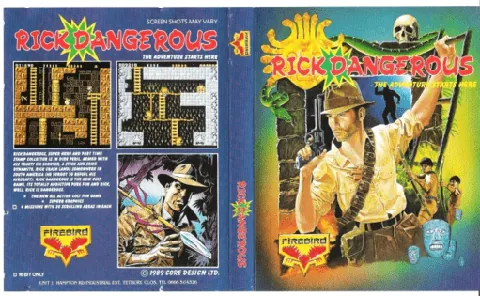
Rick Dangerous
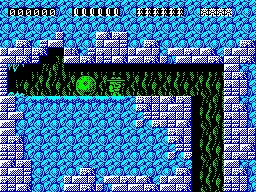
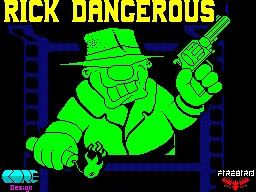
A hat, a whip and a taste for plundering ancient temples - Rick Dangerous is an unabashed tribute to Indiana Jones-style adventure, only with a decidedly more mischievous sense of humor. This action adventure made a name for itself on the ZX Spectrum as one of the most demanding and, at the same time, most addictive challenges.
You set out with Rick into inhospitable locations full of traps - from prehistoric caves through Egyptian tombs to enemy bases. You advance through platform levels, shoot your pistol, plant dynamite and fend off opponents with a pole. But the real stars are not the enemies - it is the traps: falling boulders, shooting spikes, pit falls and darts flying from the walls that kill you before you can react.
That is precisely where the game's notorious harshness lies. Rick Dangerous belongs among the titles built on trial and error: the first time you fall into a trap practically every time, memorize its location and the second time you get around it. This „learn every step by heart“ philosophy divided players into those it frustrated and those it relentlessly drew into attempt after attempt until they had perfectly mastered the level.
The graphics relied on legible, comic-book-styled characters and backdrops that captured the pulpy spirit of adventure films well. Together with the black humor - your deaths are often absurdly sudden - the result was a title that teased you while at the same time tempting you to prove that this time you would make it without a mistake.
Rick's success also brought about the sequel Rick Dangerous 2, which sent the adventurer into a sci-fi setting, and both games earned cult status across the home computers of the time. For Spectrum owners, the first installment remains synonymous with a demanding but fairly constructed challenge.
Why play it: For genuine pulp adventure full of deadly traps that will kill you a hundred times and just as many times lure you into another attempt.
Game 16 of 100 for ZX Spectrum
The same title elsewhere (4)
Core Design released Rick Dangerous in 1989 across several platforms at once, and the differences show mainly in sound and smoothness. The Amiga and Atari ST versions offered the most colorful graphics and the smoothest movement, the closest to the creators' original vision. The eight-bit computers had to cut back: the ZX Spectrum has the roughest graphics and sound limited to a simple piezo speaker, while the Amstrad CPC fared somewhat better thanks to its more colorful display. The Commodore 64 stood out for its music thanks to the SID chip, even though its graphics stayed simpler than the sixteen-bit machines.