 Nintendo · 2017
Game consoles
Nintendo Switch
History & context
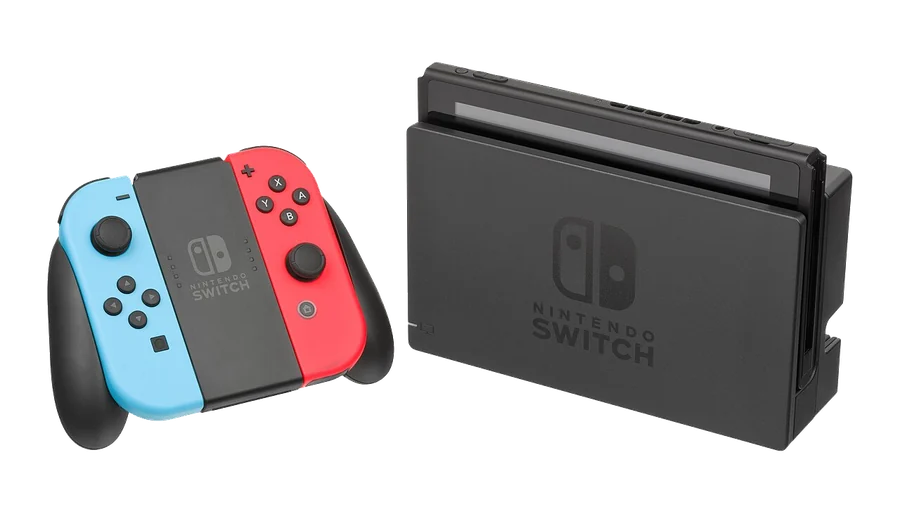
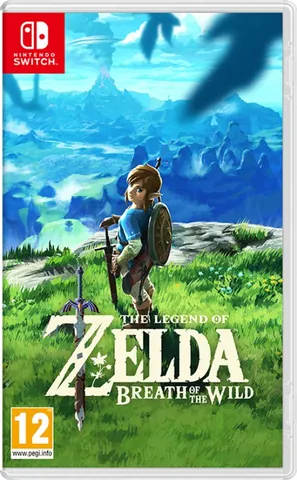
When Nintendo launched the Switch in March 2017, it bet on a concept that no one had ever fully pulled off before: a console that is both a home system hooked up to the TV and a full-fledged handheld in your pocket. After the commercial flop of the Wii U, it was a huge gamble — and it paid off completely. The Switch launched alongside The Legend of Zelda: Breath of the Wild, a title that instantly showed what the hybrid design could do and became one of the most acclaimed games of all time. Within a few years, the Switch became one of the most successful consoles in gaming history, with sales exceeding 140 million units.
Hybrid concept (dock, handheld, tabletop)
The foundation of the whole success was a simple yet brilliant idea: one device, three ways to play. In docked mode, the tablet slots into a dock connected to the television, and both the picture and performance scale up for the big screen. Pull it out of the dock and the game transitions without interruption to the built-in display, turning the Switch into a classic handheld. The third option is tabletop mode — the console stands on its own flip-out kickstand, the controllers detach, and two people can play directly off the display without a TV. It was this flexibility, not raw power, that defined the entire generation.
Technology: graphics and sound
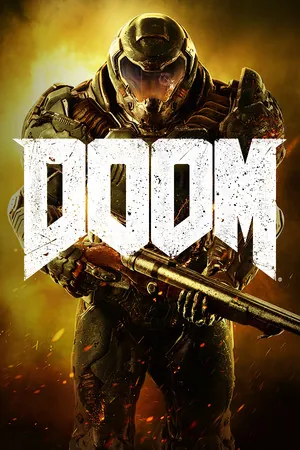
At the heart of the Switch is the NVIDIA Tegra X1 chip with an ARM architecture (a quad-core ARM Cortex-A57 CPU and graphics based on the Maxwell architecture), paired with 4 GB of RAM. Performance scales dynamically depending on the mode — docked, the chip runs at a higher clock and games typically target 900p to 1080p, while in portable mode the clock drops to save battery and resolution falls to match the 720p display. This scalability made it possible to bring even graphically demanding titles like The Witcher 3 or DOOM to the system, though often at the cost of compromises in frame rate and detail.
Audio is handled through standard stereo speakers built into the console body, with output via a 3.5mm jack or HDMI when docked. Built-in storage (32 GB on the base model, later 64 GB) is supplemented by a microSD card slot, since games are distributed both physically on cartridges and digitally through the eShop.
Joy-Cons and peripherals
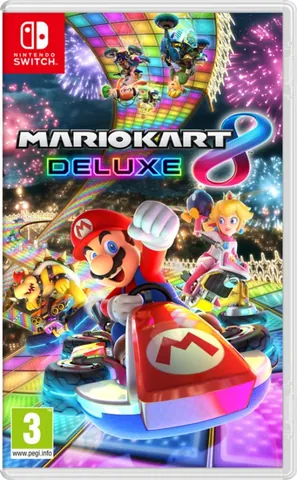
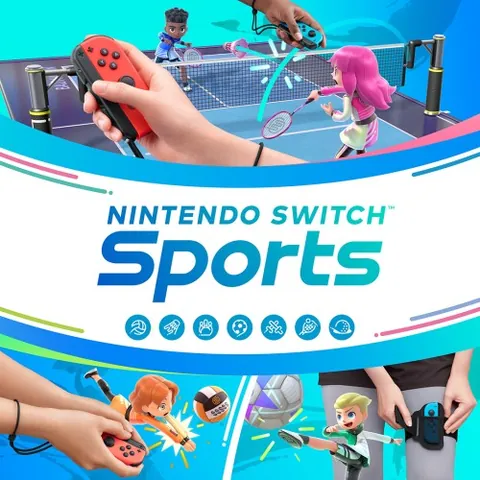
The Switch's most distinctive feature is its detachable Joy-Con controllers, which clip onto the sides of the tablet via rails, or can be separated to function as a pair of independent mini controllers — ideal for spontaneous multiplayer without any extra hardware. Each Joy-Con includes HD rumble (finely graded vibration feedback capable of simulating things like dice rattling in a cup) and motion sensors used in games like 1-2-Switch or Mario Kart 8 Deluxe. The right Joy-Con additionally carries an infrared camera. For television play there's the classic Pro Controller. Nintendo also built an experimental peripheral line around the hardware called Nintendo Labo — cardboard construction kits that the Joy-Cons slot into, turning the console into a fishing rod, a robot, or a motorbike using infrared sensing and vibration.
Models and revisions (Lite, OLED)
The original model stayed on sale unchanged for several years, later receiving only quieter cooling and a slightly longer battery life. In 2019 came the Nintendo Switch Lite — a lightened, purely handheld version with no docking capability and fixed-in-place controllers, aimed at players who don't use TV mode. Then in 2021 came the OLED model: a larger 7-inch screen with richer colors and deeper blacks, an improved kickstand, and steadier battery life, while the chip's raw performance stayed unchanged. All three variants are mutually compatible with the same game library and peripherals.
Significance and legacy
The Switch conclusively proved that the hybrid approach isn't a compromise but a full-fledged design philosophy — a console that goes anywhere with the player while still offering an experience comparable to sitting in front of the TV. The combination of a strong lineup of exclusives, the social potential of the Joy-Cons, and clever performance scalability made it one of the best-selling platforms of all time and a blueprint that other portable and hybrid systems are now modeled after.
Games on this platform (188)




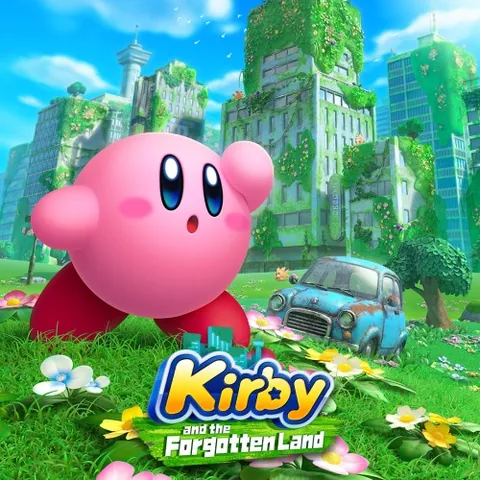










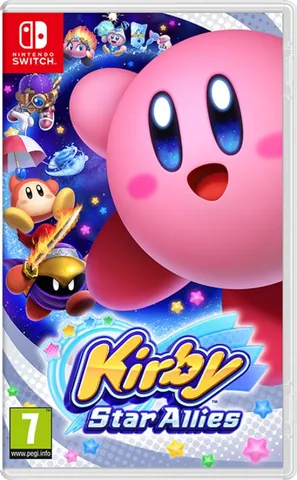
Kirby Star Allies
Expands sucking and copying abilities with the Friend Heart — befriending enemies.



























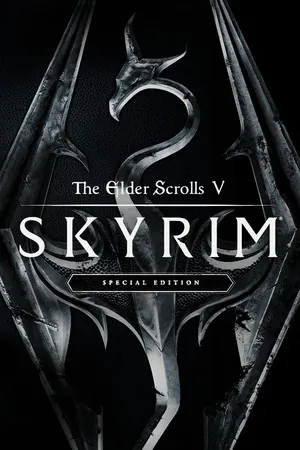
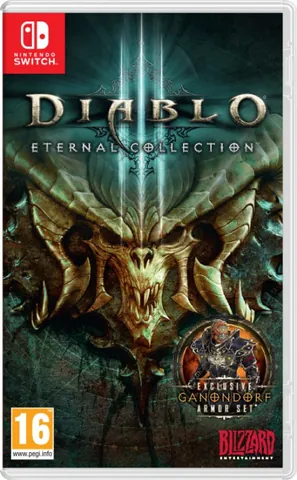

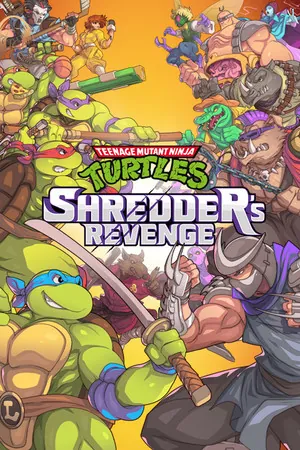
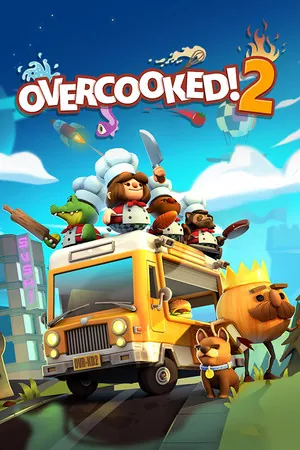

















Hogwarts Legacy
Na Switch dorazily Bradavice až po devíti měsících, výrazně zmenšené a zjednodušené.




















No game in this genre.