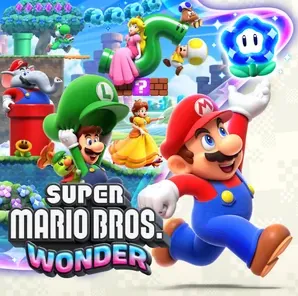
Super Mario Bros. Wonder
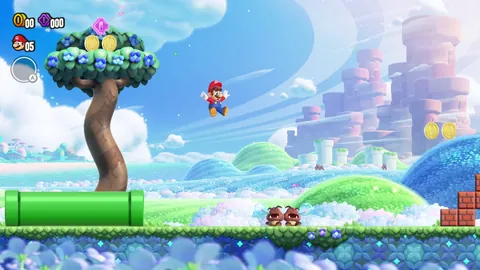
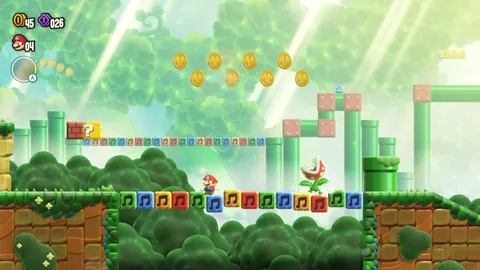
Super Mario Bros. Wonder is the first entirely new two-dimensional Mario title in over a decade of stagnation under the New Super Mario Bros. label, and it returned to the series the creativity that sub-brand had gradually been losing. The central element of every level is the mysterious Wonder Flower, which upon collection radically disrupts the rules of physics and transforms the environment -- pipes suddenly come alive and crawl through the entire level, Mario turns into a giant snake made of blocks, gravity flips upside down, or the whole scene dissolves into a stylized, hand-painted sequence. This unpredictability turns every level into a small surprise, a major departure from the formula of previous entries.
The game also introduces new powers such as the Elephant Fruit, turning Mario and friends into trunked elephants able to sweep away enemies with their trunk or scoop up water, and the Bubble Flower, which creates bubbles that serve as both platforms and weapons. A second layer of customization comes from badges, which permanently alter movement -- from gliding and sticky gloves to deliberately harder variants for those seeking a challenge. The visual style moves away from the geometric cleanliness of the New Super Mario Bros. series in favor of more expressive animations and character expressions, which for the first time in the series' history genuinely react to their surroundings with sounds and grimaces. A whole roster of characters is playable as well, including Yoshi and Nabbit in an easier, damage-free mode, so a mixed family group can easily gather around a single game.
Cooperative play is also supported by an online mode in which shadows of other players move through the level and can revive one another without getting in each other's way. Wonder was received by critics as a return to the experimental playfulness of classic Mario titles and one of the best-reviewed platformers of the entire generation, with reviewers particularly praising its willingness to break its own established rules in nearly every level. The game became one of the best-selling titles of the Switch's twilight years and still stands today as proof that two-dimensional Mario has plenty left to offer, given room for ideas instead of repeating a template.
Game 19 of 188 for Nintendo Switch
From the same series Mario →
 Mario vs. Donkey Kong 2: March of the Minis DS
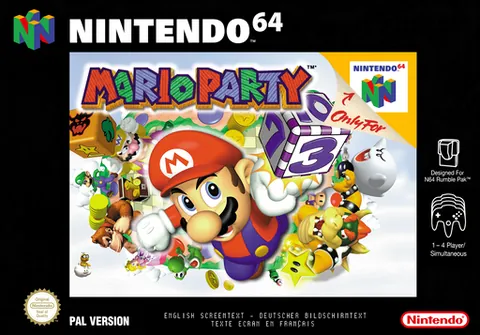 Mario Party 1–3 N64
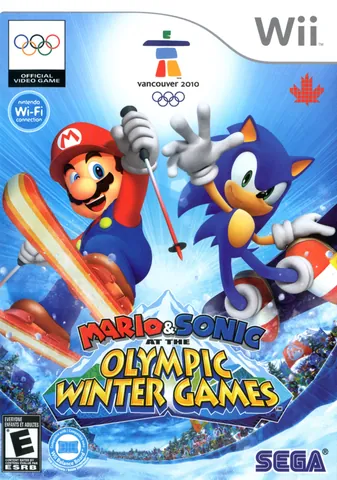 Mario & Sonic at the Olympic Winter Games Wii · DS
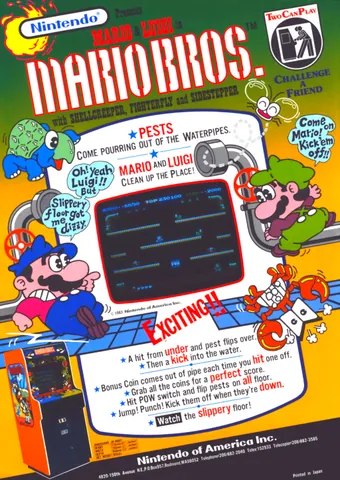 Mario Bros. MAME · 2600 · G&W · 1983
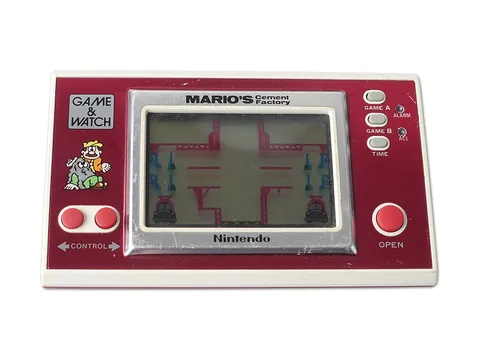 Mario's Cement Factory G&W · 1983
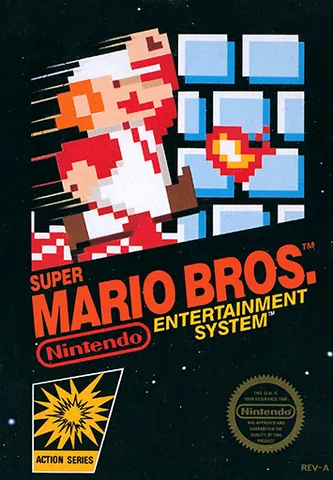 Super Mario Bros. NES · 1985
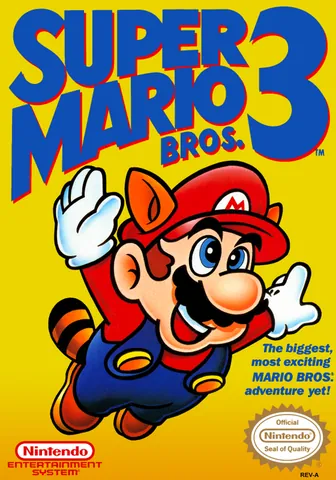 Super Mario Bros. 3 NES · 1988 (JP) / 1990 (US)
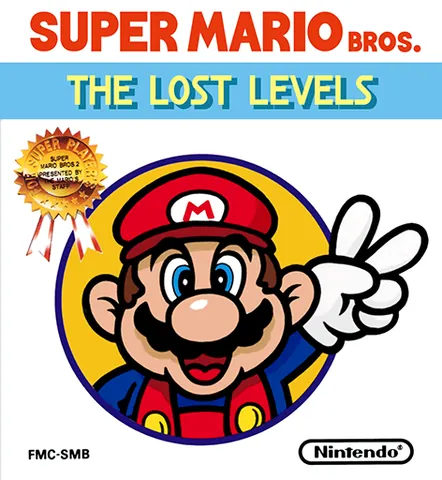 Super Mario Bros. 2 NES · 1988
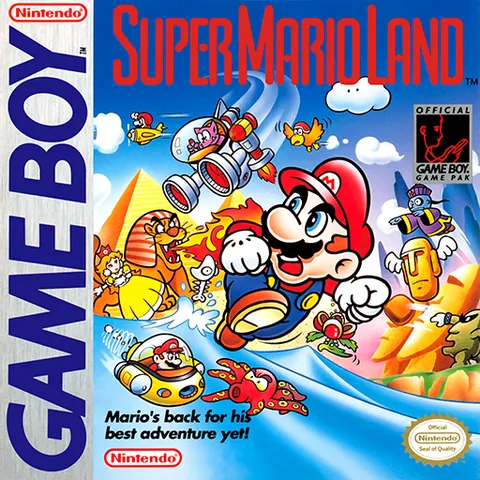 Super Mario Land GB · 1989
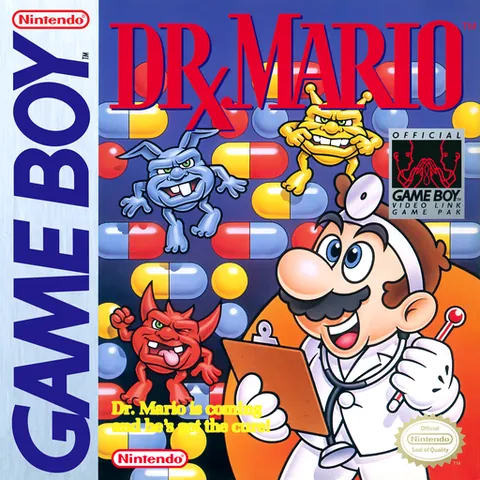 Dr. Mario GB · NES · 1990
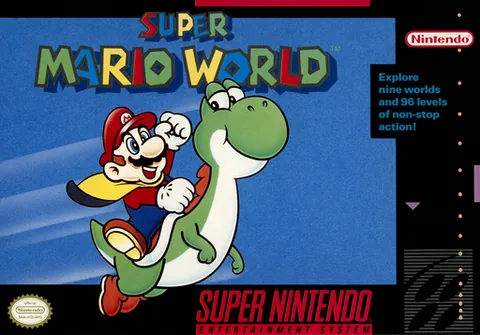 Super Mario World SNES · 1990 (JP) / 1991 (US)
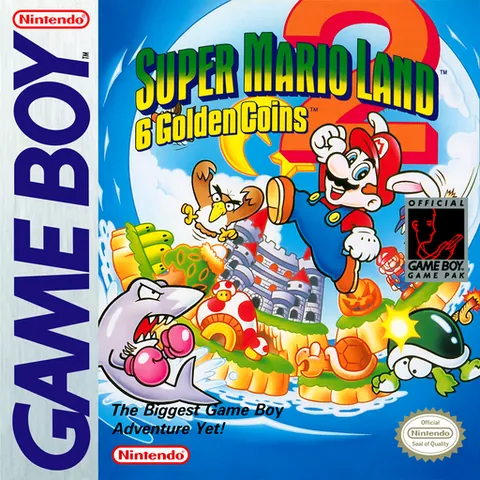 Super Mario Land 2: 6 Golden Coins GB · 1992