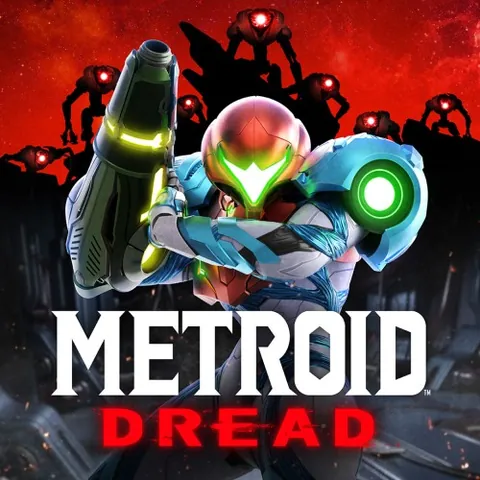
Metroid Dread
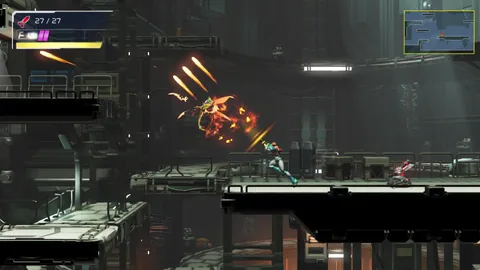
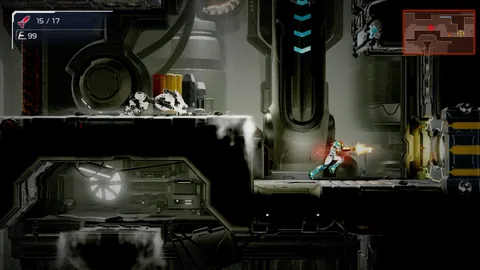
Metroid Dread is the first entirely new two-dimensional entry in the series in nineteen years, created through a collaboration between Nintendo and the Spanish studio MercurySteam, which had previously made the Samus Returns remake. The game picks up directly after the events of Metroid Fusion, sending bounty hunter Samus Aran to the planet ZDR to investigate a mysterious signal suggesting the presence of the X parasite, believed to have been eradicated. Samus soon finds herself stripped of most of her equipment inside a sealed underground complex crawling with hostile robots called E.M.M.I., which cannot be fought in the early stages of the game -- the only option is to run, hide, and search for an escape hatch, or face instant death.
It is precisely the E.M.M.I.-guarded zones that give the game its rhythm. The map is split into regular areas and sealed sectors where the robot roams freely, reacts to the sound of footsteps, and launches a relentless chase the moment it spots Samus, with the only way out being a door on the far side of the block. This tension mechanic gave the game its very name and returns the series to a sense of vulnerability that had long been missing. Gradually unlocking abilities such as the Morph Ball, various beam types, or the teleporting Phantom Cloak opens up previously inaccessible parts of the map in the classic metroidvania style the series is named after. The combat system is enriched by a new counterattack mechanic, the Melee Counter, allowing a lightning-fast response to an enemy attack, and Samus's overall movement is unusually fast -- slides, sprints, and omnidirectional aiming flow into one another almost without any delay.
The visuals and animation fluidity rank among the best the series has ever offered. The environments of ZDR alternate between cold industrial complexes, flooded caverns, and scorching magma shafts, and the music leans on atmospheric undertones and silence rather than pronounced melodies, which only underscores the feeling of isolation in a hostile underground world. Dread was received by critics and fans alike as a triumphant return and one of the finest conclusions to Samus Aran's long-running story arc. Today it stands as a convincing proof that the classic two-dimensional format doesn't need to be modernized at any cost -- it just needs to be honed to absolute technical perfection.
Game 17 of 188 for Nintendo Switch
From the same series Metroid →
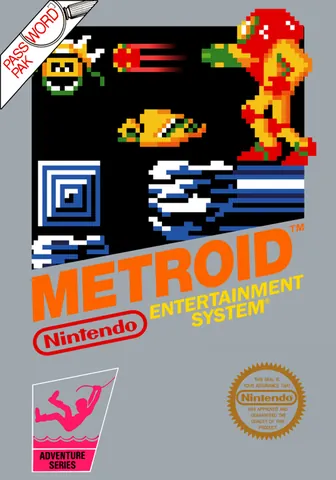 Metroid NES · 1986 (JP) / 1987 (US)
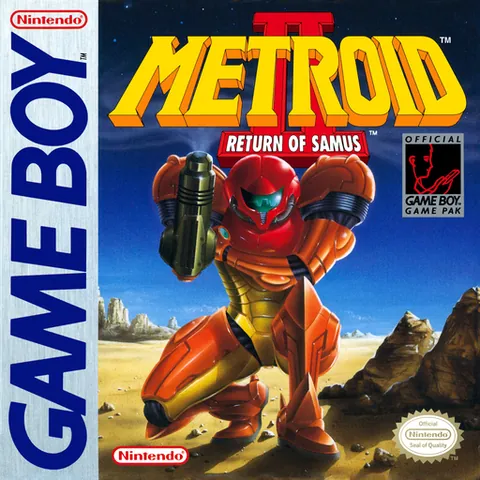 Metroid II: Return of Samus GB · 1991
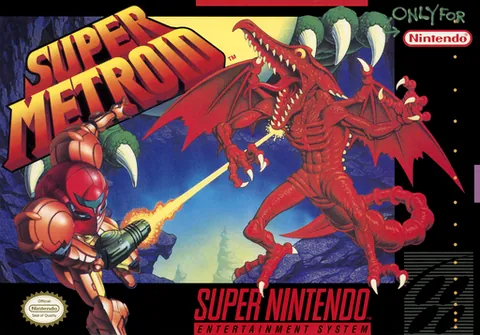 Super Metroid SNES · 1994
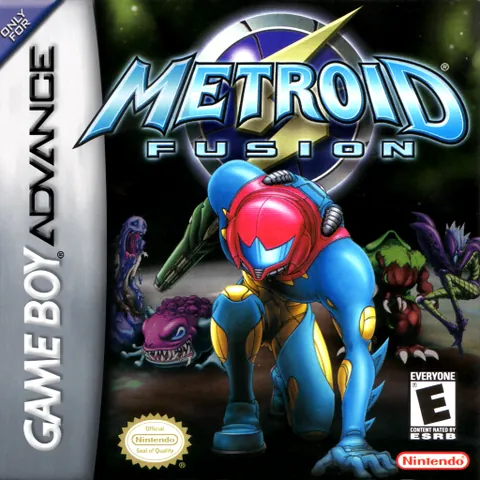 Metroid Fusion GBA · 2002
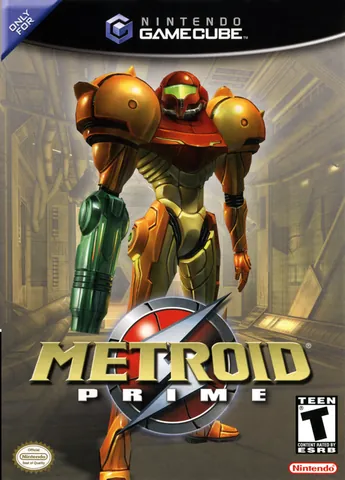 Metroid Prime GCN · 2002
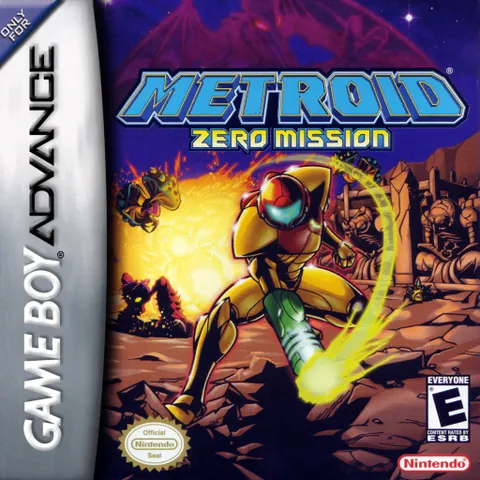 Metroid: Zero Mission GBA · 2004
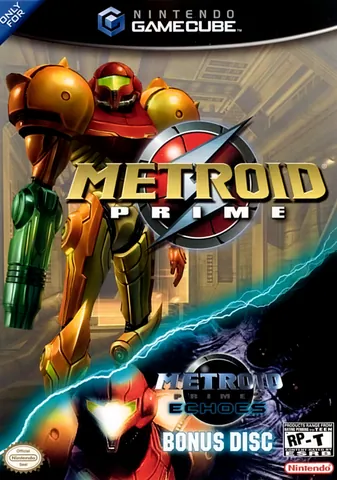 Metroid Prime 2: Echoes GCN · 2004
 Metroid Prime Pinball DS · 2005
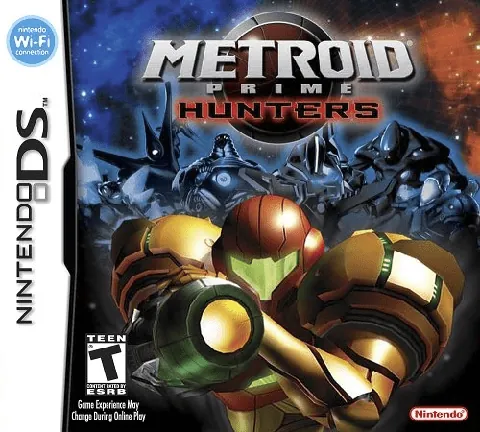 Metroid Prime Hunters DS · 2006
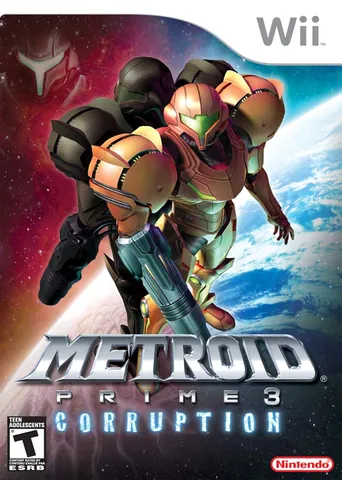 Metroid Prime 3: Corruption Wii · 2007
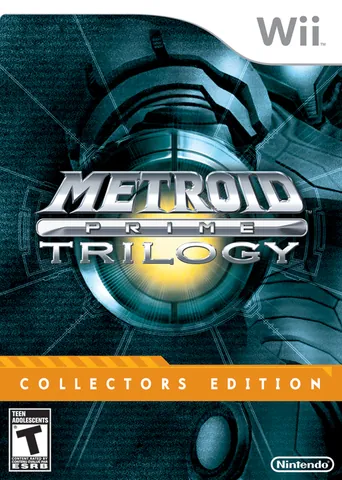 Metroid Prime Trilogy Wii · Wii U · 2009
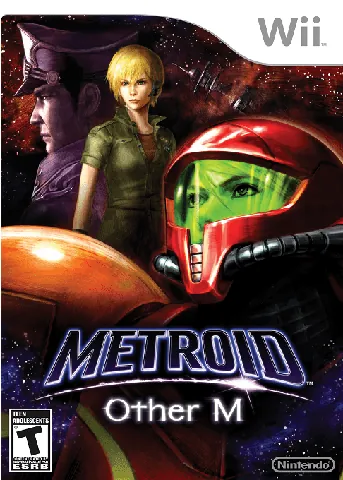 Metroid: Other M Wii · 2010