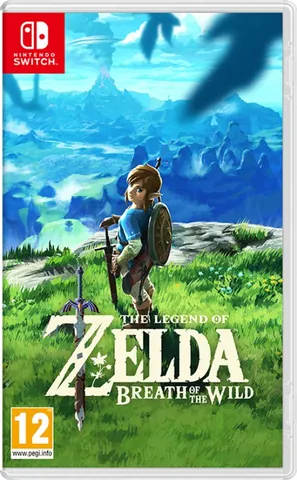
The Legend of Zelda: Breath of the Wild
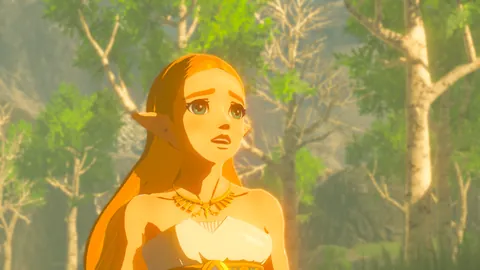
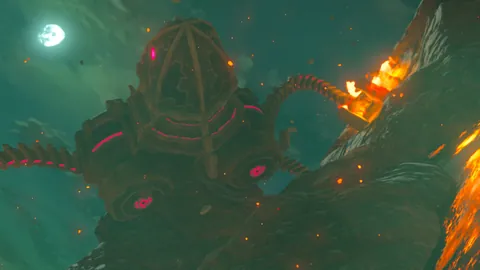
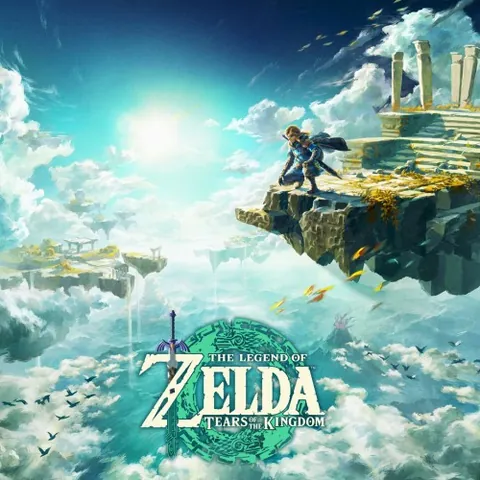
When Nintendo launched the Switch in 2017, it needed a title that would define the new generation — and Breath of the Wild fulfilled that task completely. The game radically rewrote the series' rules: linear dungeons were replaced by a vast open Hyrule where, from the first minute, the player can go anywhere and climb any mountain to see what happens. The philosophy of the chemistry engine meant fire ignites grass, metal attracts lightning, and wooden weapons burn — the world reacts to physics as consistently as it does to scripts. This very consistency is the core of the whole game: almost any solution the player thinks of works, and the game rewards them for their own idea instead of forcing them to find the single intended path.
Link wakes up after a hundred years of sleep with no memories, with a single task: defeat Calamity Ganon, who holds Princess Zelda at bay inside the castle. Along the way he needs to overcome four Divine Beasts controlled by the spirits of ancient heroes, gather hearts and stamina across hundreds of shrines, and survive in a harsh wilderness full of monsters, weather, and hunger. The weapon durability system, where weapons break after a few fights, was one of the most discussed elements of the game, but it also forces the player to constantly improvise and not hoard gear for later. Stamina while climbing and paragliding, meanwhile, turns the landscape into a puzzle — every hill becomes a question of whether the player even has the strength to reach the top.
The game's openness was staggering at launch — the developers themselves admitted they wanted the player to theoretically be able to go straight for the final boss. The visual style, combining cel-shading with a watercolor palette, has aged remarkably well, and the music, sparse and ambient, built on lonely piano motifs, heightens the sense of being lost in a vast world. Breath of the Wild received dozens of Game of the Year awards and is still cited today as one of the most influential titles of the decade, one that inspired countless open-world games across the entire industry — from Japanese action RPGs to major Western productions that, following its lead, began stripping icons from maps and letting players discover the world with their own eyes.
Game 1 of 188 for Nintendo Switch
The same title elsewhere (1)
From the same series The Legend of Zelda →
 The Legend of Zelda: Ocarina of Time - Master Quest GCN
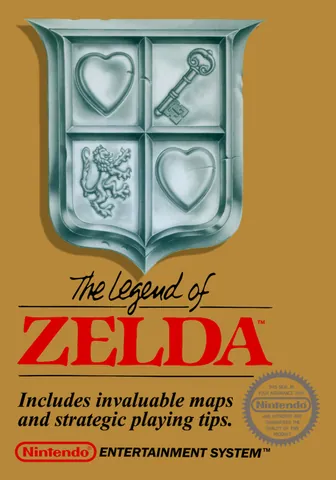 The Legend of Zelda NES · 1986 (JP) / 1987 (US)
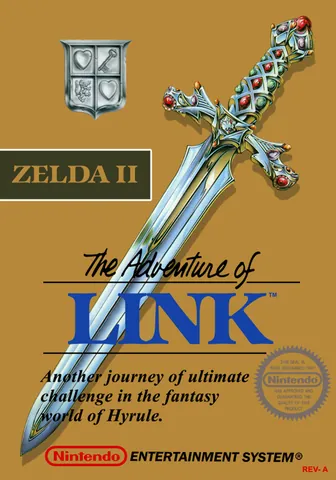 Zelda II: The Adventure of Link NES · 1987 (JP) / 1988 (US)
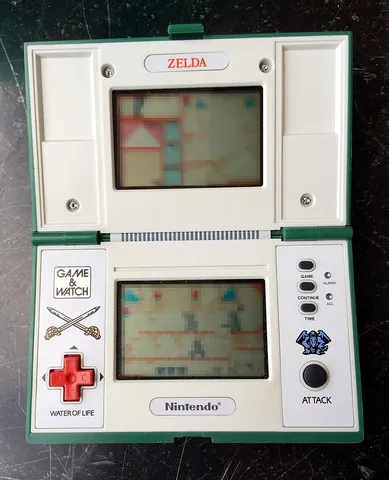 Zelda (G&W) G&W · 1989
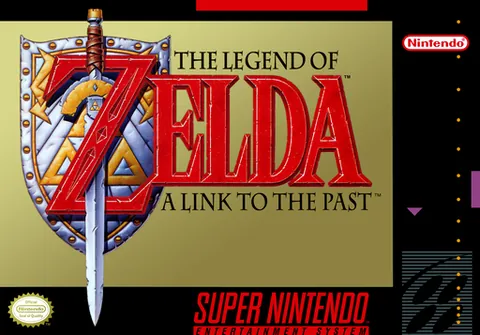 The Legend of Zelda: A Link to the Past SNES · 1991 (JP) / 1992 (US)
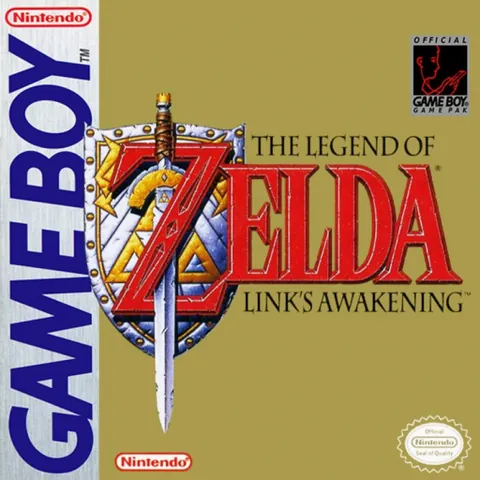 The Legend of Zelda: Link's Awakening (DX) GB · Switch · 1993 (DX 1998)
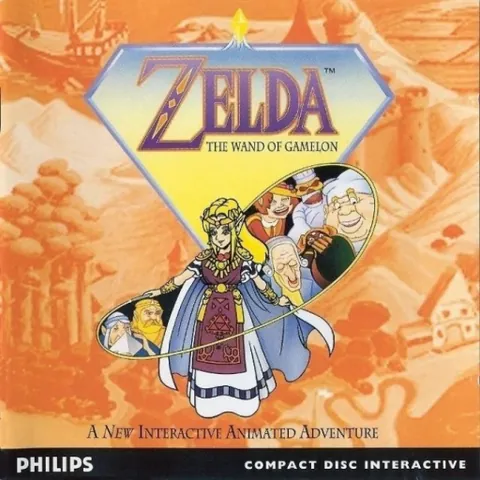 Zelda: The Wand of Gamelon CD-i · 1993
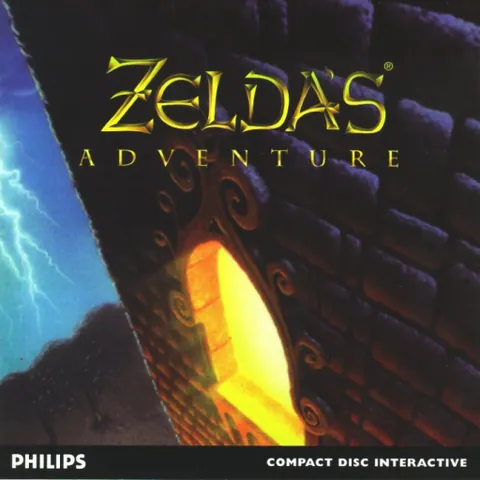 Zelda's Adventure CD-i · 1994
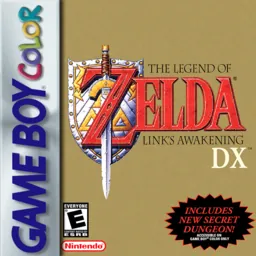 The Legend of Zelda: Link's Awakening DX GBC · 1998
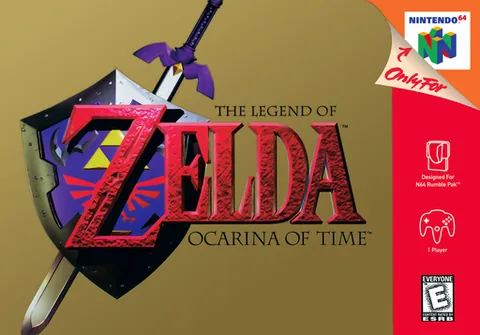 The Legend of Zelda: Ocarina of Time N64 · 1998
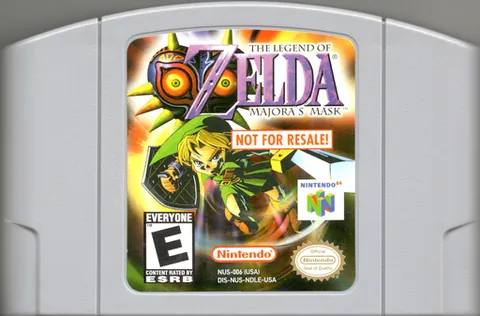 The Legend of Zelda: Majora's Mask N64 · 2000
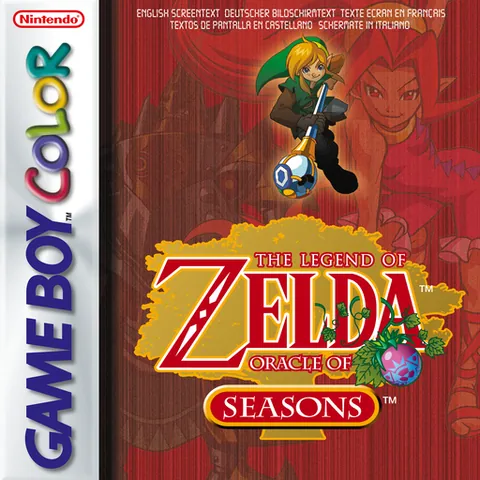 The Legend of Zelda: Oracle of Seasons GBC · 2001