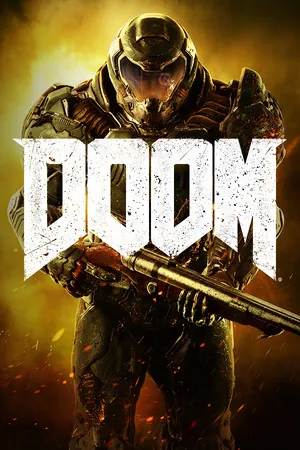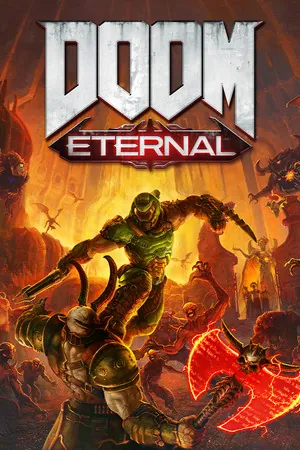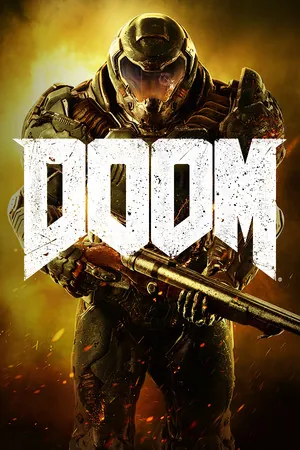
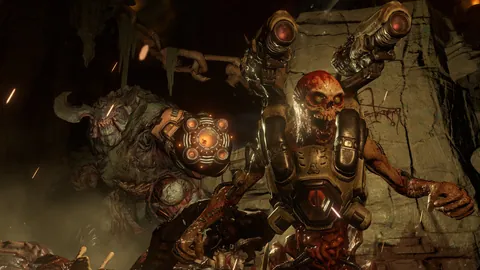
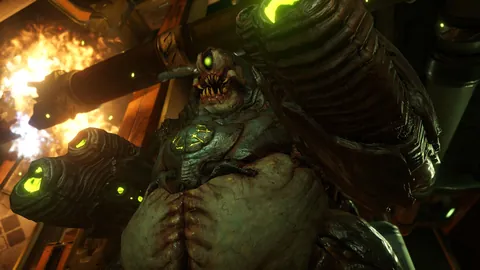
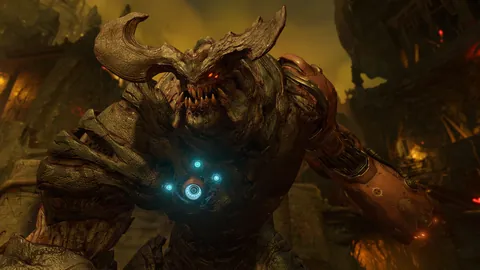
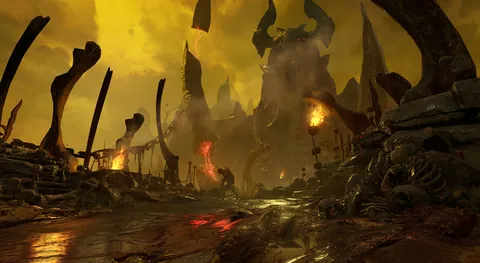
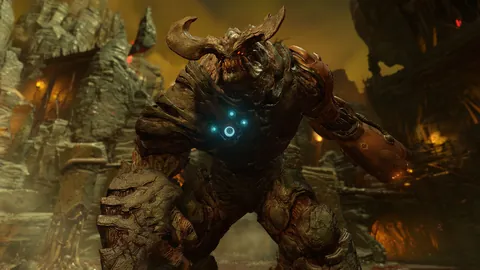
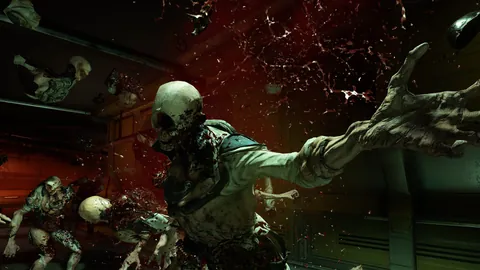
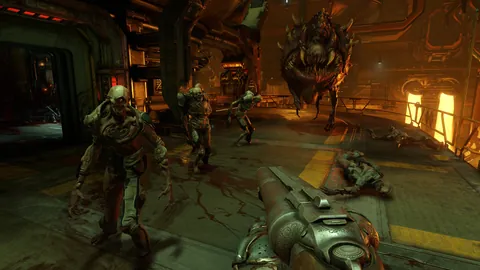
The 2016 reboot of the legendary DOOM series arrived on Switch two years later in a port by Panic Button, a studio specializing in bringing demanding titles to Nintendo hardware, and despite noticeable graphical compromises it retained the brutal pace and gleeful sense of movement that made the original reignite the entire FPS genre. The game returns players to the role of the wordless Doom Slayer, who wakes up on the Martian UAC base flooded with demons from hell after experiments with Argent energy opened a gateway to hellish dimensions on Earth.
Unlike the cover-based, slow-shooting trend popular at the time, DOOM is built on constant aggressive forward movement - the so-called Glory Kills system rewards closing in on a damaged enemy with a brutal, health-restoring finishing animation, forcing the player to keep attacking instead of hiding behind corners. The chainsaw supplements ammo, armor drops from burned enemies, and the result is a closed loop in which retreat is punished and aggression rewarded. An arsenal of weapons from the shotgun through the plasma rifle to the legendary BFG allows each situation to be solved differently, and quickly switching between them on the fly is key to surviving an arena full of demons. The arenas themselves are built vertically, with platforms, jumps and shortcuts that deliberately reference the level design of nineties predecessors. The game also includes multiplayer matches and the SnapMap editor for creating custom maps.
The atmosphere is held together by an industrial metal soundtrack whose guitar riffs kick in exactly when an arena locks down, along with a stylized mix of sci-fi technology and hellish imagery. Due to extreme violence, gore and terrifying imagery, DOOM is clearly aimed at adult players. Bringing such a demanding action game to a handheld console was a technical surprise - resolution and detail did drop, but the fluidity needed for fast action was preserved - cementing Panic Button's reputation as masters of porting.
Game 38 of 188 for Nintendo Switch
The same title elsewhere (3)
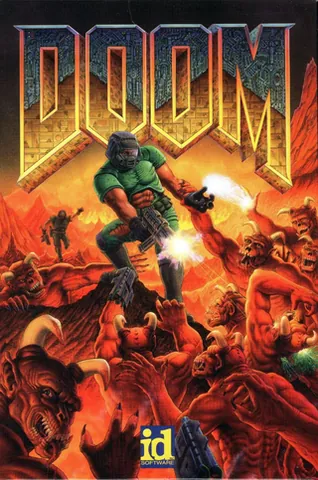
The PC/DOS version is the original and remains the definitive edition — it ran at higher resolution, supported mouse-and-keyboard controls, and had music through sound cards like the Sound Blaster or AdLib. The Atari Jaguar port became famous for a different reason: under time pressure the developers cut the music entirely, so you play through in near silence with only sound effects, even though the speed and smoothness of the action were praised at the time as remarkably good for a console. The SEGA 32X version came off worst of all — its levels had to be shortened and rearranged compared to the original, resolution and frame rate were lower, and its thin music plus sluggish pace still make it the weakest and least recommended way to play Doom.