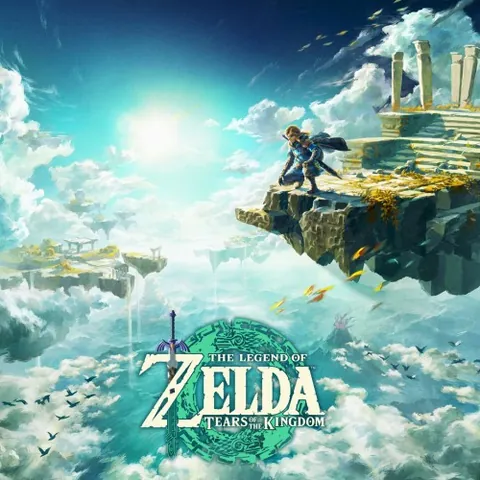
The Legend of Zelda: Tears of the Kingdom
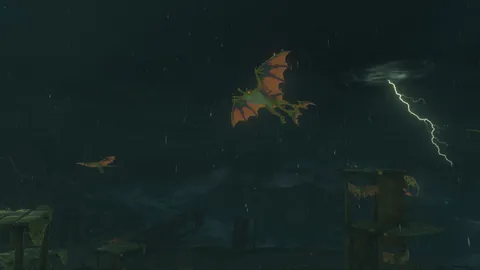
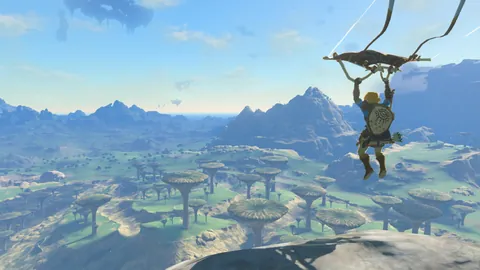
The sequel to Breath of the Wild had a tough job — surpassing a game that had redefined the entire genre. Tears of the Kingdom managed it above all thanks to a new set of abilities that change how the player thinks about the game space. Ultrahand allows combining objects into custom contraptions — rafts with fans, vehicles with weapons, bridges over chasms — and players' creativity quickly outpaced even the developers' wildest imaginations. It's complemented by Fuse, which combines a weapon with any object to turn a stick and a boulder into a mace, and Ascend, which lets you pass through a cave ceiling straight to the surface. Together they form a toolkit that turns every obstacle into an open question instead of a task with a single solution.
This time Link travels not only across the surface of Hyrule, but also up into the floating Sky Islands and down into the sprawling Depths, a dark mirror world underground ruled by danger and a lack of light. The story follows on from earlier events: a mysterious dark force awakens an ancient evil named Ganondorf, and Princess Zelda again disappears, this time under far more mysterious circumstances tied to the kingdom's ancient history. The game keeps the philosophy of a physics toy but expands it with building and assembling contraptions, and technically it's a remarkable feat — the Switch manages to compute the collisions and propulsion of players' homemade inventions without falling apart.
The world is essentially the same as in its predecessor, but thanks to the vertical layer, the transformed landscape, and reworked shrines it feels completely new; ruins fallen from the sky and new caves change even places the player knew by heart. Critics showered the game with top scores, and many called it even more ambitious than its predecessor, even though at its core it's the same gameplay skeleton. Tears of the Kingdom proved that Nintendo can surprise again even within its own, seemingly exhausted formula, and it also became one of the last major titles to squeeze the original Switch's true maximum out of it.
Game 2 of 188 for Nintendo Switch
From the same series The Legend of Zelda →
 The Legend of Zelda: Ocarina of Time - Master Quest GCN
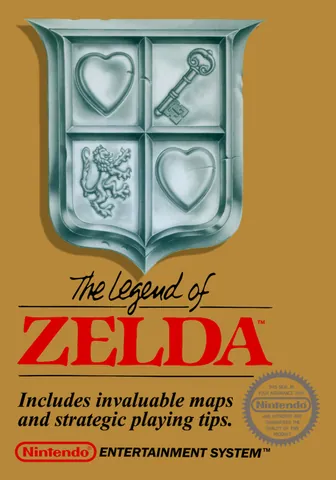 The Legend of Zelda NES · 1986 (JP) / 1987 (US)
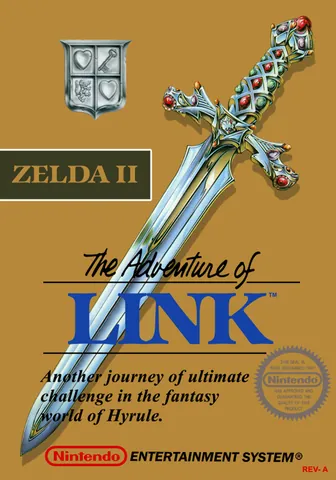 Zelda II: The Adventure of Link NES · 1987 (JP) / 1988 (US)
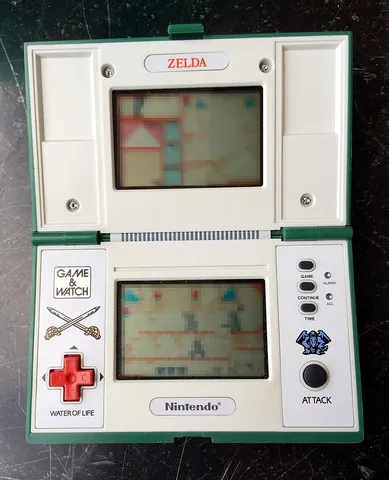 Zelda (G&W) G&W · 1989
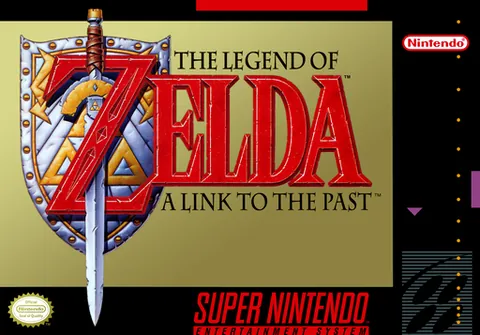 The Legend of Zelda: A Link to the Past SNES · 1991 (JP) / 1992 (US)
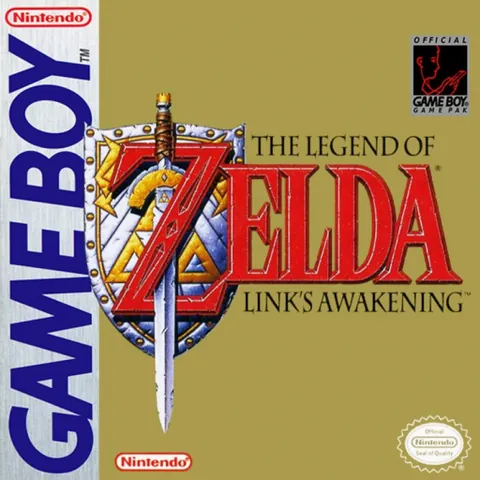 The Legend of Zelda: Link's Awakening (DX) GB · Switch · 1993 (DX 1998)
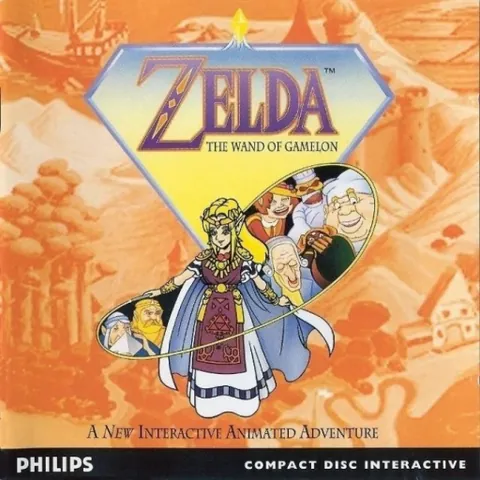 Zelda: The Wand of Gamelon CD-i · 1993
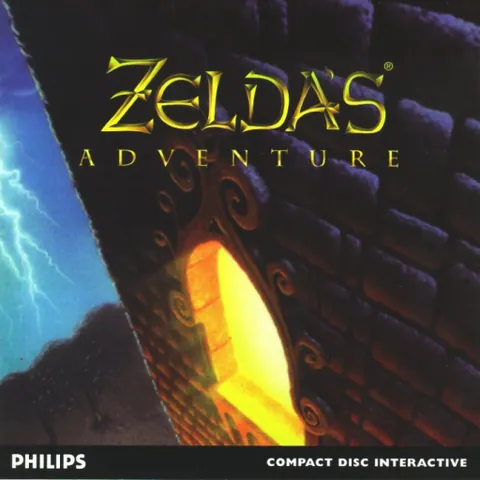 Zelda's Adventure CD-i · 1994
 The Legend of Zelda: Link's Awakening DX GBC · 1998
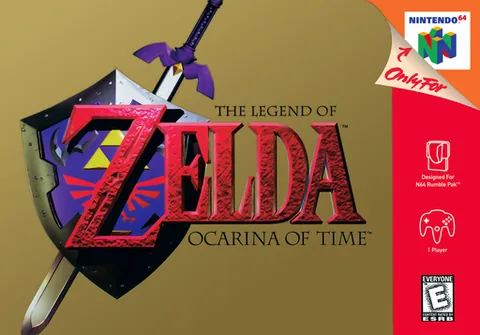 The Legend of Zelda: Ocarina of Time N64 · 1998
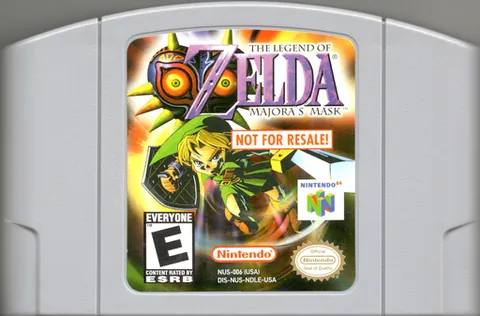 The Legend of Zelda: Majora's Mask N64 · 2000
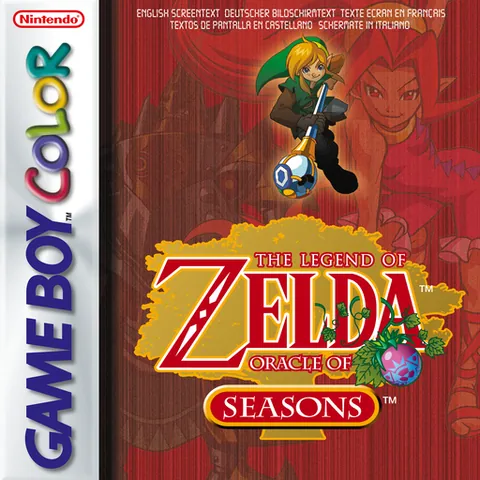 The Legend of Zelda: Oracle of Seasons GBC · 2001