 Microsoft · 2020
Game consoles
Xbox Series X|S
History & context
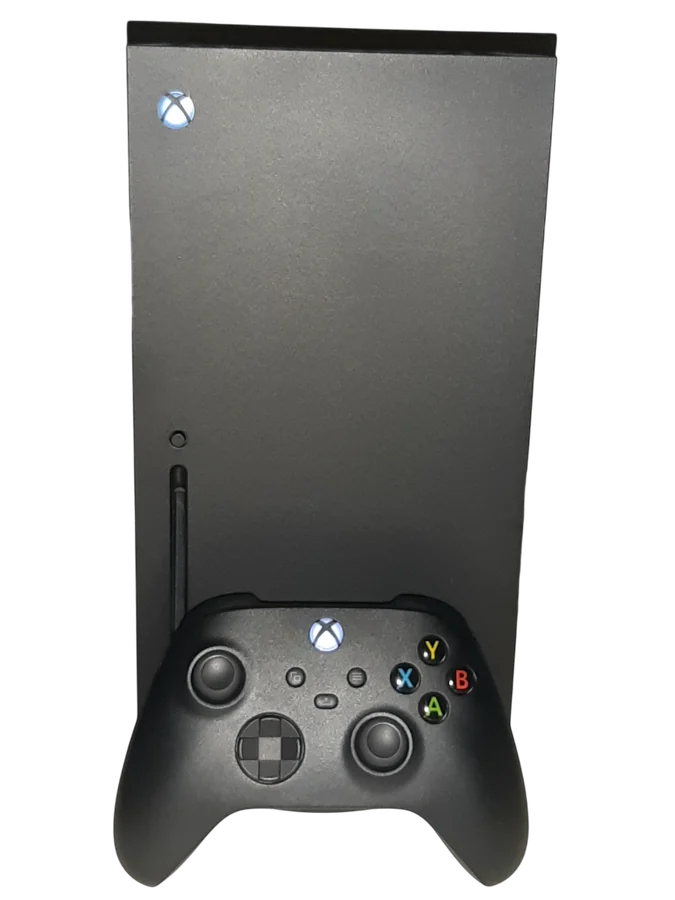
When Microsoft launched the new generation of Xbox in November 2020, it did almost everything the opposite way from seven years earlier. No grand presentation of the future of the living room, no voice-controlled TV, no Kinect in every box. Instead, a quiet, matter-of-fact launch in the middle of a pandemic — and, above all, two consoles at once. The powerful Xbox Series X, shaped like a black monolith resembling a small refrigerator, alongside the slim white Xbox Series S, a disc-less digital model meant to make the new generation accessible to those for whom the flagship's price was too high.
Splitting the lineup into two machines of different performance levels was unusual in the console world and still sparks debate today. The Series S is noticeably weaker and aims more at gaming around 1440p resolution than true 4K, but it shares the same architecture, the same interface, and the same game library as its bigger sibling. For Microsoft, this was a logical step: if the strategy's center of gravity is a subscription rather than a box, then the cheaper the ticket into the ecosystem, the better.
That's exactly the key to understanding the whole generation. While the competing PlayStation 5 built its identity on major exclusives, Microsoft bet on Xbox Game Pass — a subscription library that its own titles land in on day one of release. The launch lineup reflected that: no major system exclusive, but instead instant access to hundreds of games from all previous Xbox generations.
Technology: graphics and sound
Both consoles are powered by a custom APU from AMD, combining an eight-core processor core built on Zen 2 architecture with graphics based on RDNA 2. For the first time in Microsoft consoles, this brought hardware-accelerated ray tracing — realistic ray tracing for reflections, shadows, and lighting — along with techniques like variable rate shading and mesh shading.
The difference between the two models lies mainly in graphics performance and memory. The Series X has a significantly wider GPU, 16 GB of GDDR6 memory, and targets 4K at 60 frames per second, with support for up to 120 Hz in titles that can handle it. The Series S has a smaller graphics chip and less memory, so developers usually lower the resolution, reflection quality, or detail density for it. On the audio side, both consoles rely on spatial sound — they support Dolby Atmos, DTS:X, and Windows Sonic, and have hardware assistance for processing audio effects, which is most noticeable on headphones.
Speed: SSD, Quick Resume, and backward compatibility
The generation's biggest practical leap didn't come from graphics but from storage. A custom NVMe SSD, combined with a package of technologies Microsoft calls the Xbox Velocity Architecture, virtually eliminated long loading screens and let games stream data from the drive continuously instead of holding the entire surrounding area in memory.
That gave rise to the whole generation's most beloved feature — Quick Resume. The console can keep several in-progress games frozen in a suspended state and switch between them within a few seconds, even surviving a console restart. Once you get used to it, it's hard to give up.
Equally important is backward compatibility, which Microsoft continued from where it left off with the Xbox One. The Series X and S play Xbox One titles, a large part of the Xbox 360 library, and even games from the original Xbox — often at a higher resolution, with a more stable frame rate, and with automatically computed HDR thanks to the Auto HDR feature. The FPS Boost feature can double the frame rate for select older games, while Smart Delivery ensures that a purchased game automatically downloads the best available version for that particular model.
Game Pass instead of exclusives
Microsoft's strategy became clearly defined over the course of the generation: sell the service, not the box. Game Pass expanded to PC and to the cloud, where it can be played through a browser, TV, or phone, and Microsoft backed it with extensive studio acquisitions — most notably ZeniMax Media (the parent company of Bethesda) and later Activision Blizzard.
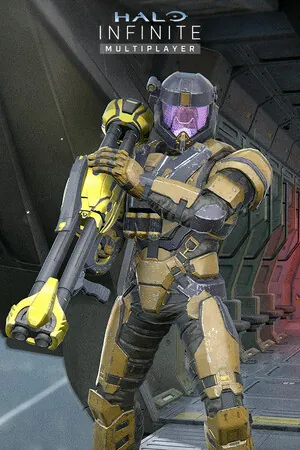
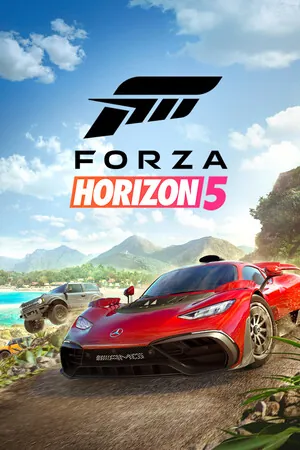
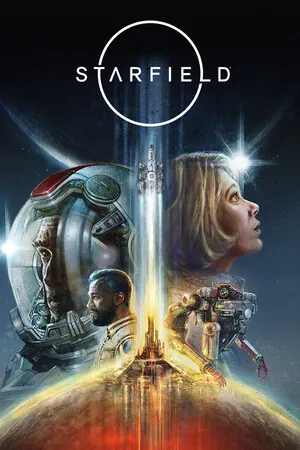
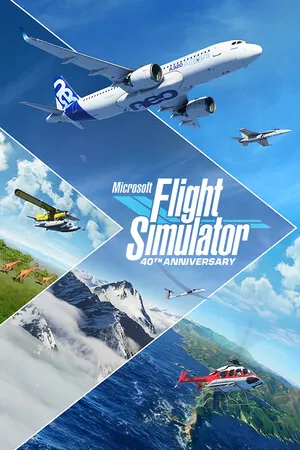
Among the games that defined the generation, the ones most often mentioned are Forza Horizon 5, Halo Infinite, Microsoft Flight Simulator, Starfield, and the continually expanded Sea of Thieves. At the same time, Microsoft gradually abandoned the idea that games must stay exclusive to its hardware, and it began releasing some titles on competing platforms too — a move that would have been unthinkable just a few years earlier.
Models and revisions (Series X, Series S)
The original pair from November 2020 was gradually joined by variants that were more cosmetic than technical. The Series S got a 1TB storage version in black, while the Series X gained a purely digital white variant without a disc drive and limited editions with a larger drive. Internal performance stayed the same across revisions, which marks a major difference from past generations — no "Pro" version arrived mid-cycle.
Storage can only be expanded via a proprietary expansion card plugged into the back of the console; a regular external USB drive only works for archiving and for playing older titles. The controller stayed faithful to the proven Xbox One shape, gaining a share button, a finer directional pad, and a USB-C connector.
Significance and legacy
The Xbox Series X|S is still the current generation, so its place in history is still settling — we include it in the platform overview mainly for the sake of completeness. Microsoft apparently didn't win the sales battle against the PlayStation 5 again, but that clearly wasn't the main goal anyway. Instead, it produced a platform that, thanks to backward compatibility, works as one of the best legal ways to play older titles from the brand's entire history today.
For retro gaming, the Series X|S has one more interesting property: after switching into Developer Mode, it can also run emulators such as RetroArch, turning the console into a surprisingly capable machine for eight- and sixteen-bit classics. Those who just want to play games from the Xbox 360 and original Xbox era, though, don't even need that — a digital store, Game Pass, and an old disc copy in a drawer will do just fine.
Games on this platform (164)












MotoGP 23
The official MotoGP simulation; the Rivals mode revives legendary duels from the nineties.







Neon White
A fast platformer from the creator of Donut County; cards are either weapons or movement.



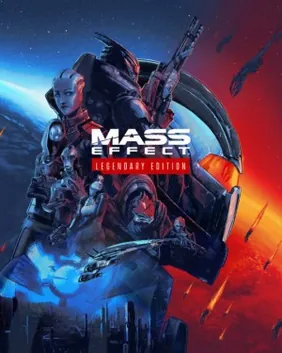
Mass Effect Legendary Edition
The entire Shepard trilogy in one package with nearly all DLC content.


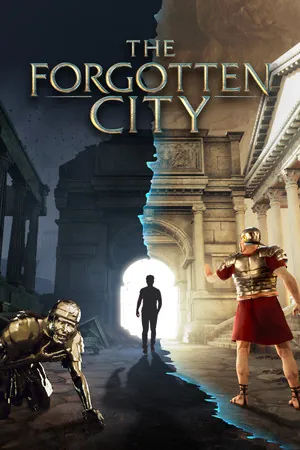
The Forgotten City
A time loop in ancient Rome, grown out of a Skyrim mod. No one is allowed to sin.
























No game in this genre.