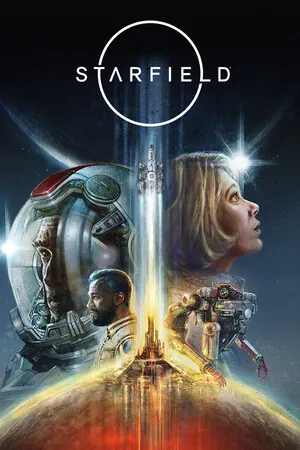
Starfield
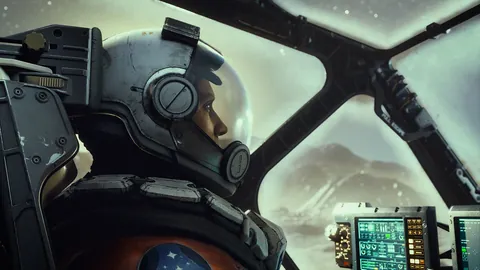
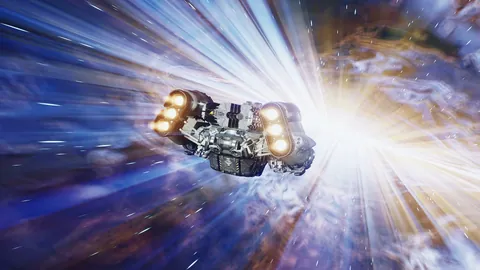
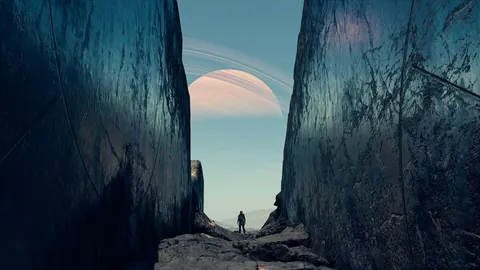


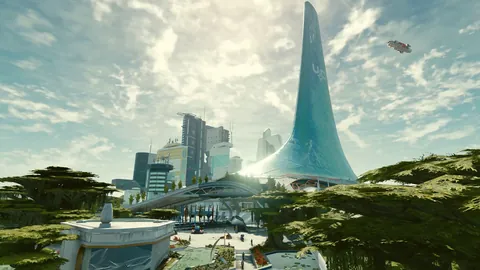
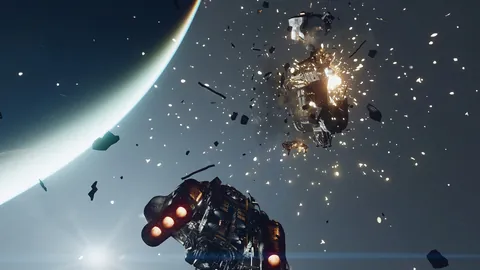
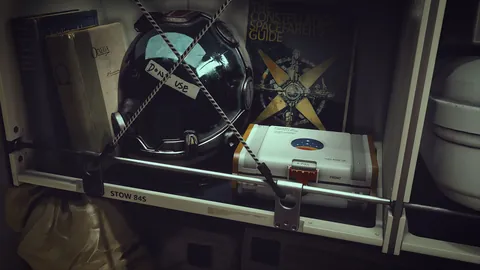
Starfield is Bethesda Game Studios' first entirely new franchise in a full twenty-five years, and also the biggest exclusive the Xbox Series X|S consoles have received. The player starts as a nameless miner who touches a mysterious artifact and soon joins Constellation, the last group of explorers seeking answers to what these artifacts actually are. From there unfolds a structure the studio has honed since the days of Morrowind: a main storyline, sprawling faction narratives — space marines, pirates, corporate intrigue — and hundreds of small tasks you can lose yourself in for dozens of hours. The novelty here is the universe itself: over a thousand landable planets, resource mining, building your own outposts, and above all a ship editor where hulls, engines, and weapon systems can be assembled module by module.
On Series X the game bet primarily on stability; at launch it ran at a locked lower frame rate, and only later updates added an optional smoother-performance mode. Visually the most striking elements are ship and station interiors, the handling of light and materials, while the procedurally generated planet surfaces serve more as a backdrop for exploration than a hand-crafted experience. The music works with silence and broad orchestral passages closer to serious 1970s sci-fi than to action-packed space adventure, and together with the utilitarian design of the technology creates a restrained, believable atmosphere.
Reception was divided. Reviewers praised the sheer volume of content, the writing of the faction storylines, and the idea of New Game Plus becoming a direct part of the story, but criticized the fragmented travel between loading screens and the emptiness of the randomly generated moons. Today, after a series of major updates and expansions, Starfield feels like a classic Bethesda RPG transplanted into space — slower and colder than Skyrim, but with enormous room for players who enjoy building their own story.
Game 3 of 164 for Xbox Series X|S