 Nintendo · 2025
Game consoles
Nintendo Switch 2
History & context
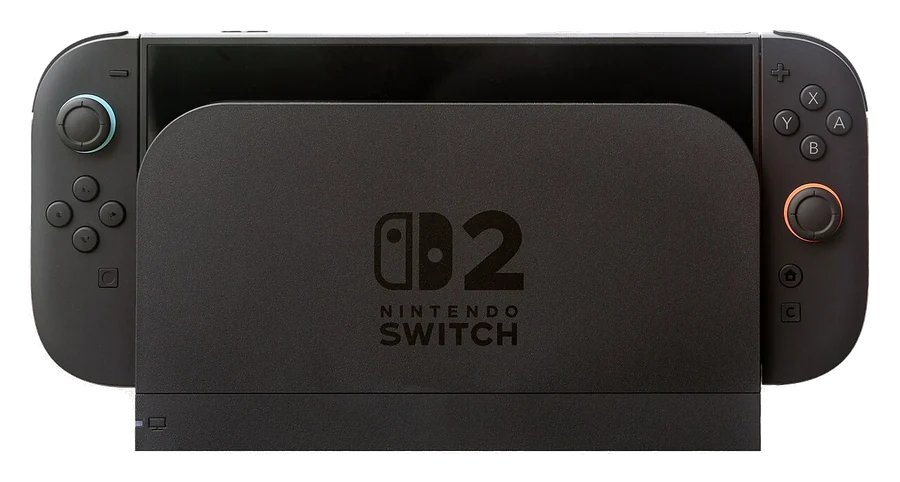
Eight years is an eternity in the console world. By the time Nintendo unveiled the Nintendo Switch 2 in 2025, the original Switch had already enjoyed a lifespan no one would have dared predict back at launch — and with it, a library far too valuable to simply abandon. Nintendo therefore chose a path it rarely takes with a successor: instead of revolution and a new concept, it went with evolution. The Switch 2 looks like a Switch, behaves like a Switch, and plays Switch games. It just does everything noticeably better.
That approach is itself a small event. For decades Nintendo was known for starting each generation from scratch and presenting the audience with some new gimmick — motion controls on the Wii, dual screens on the DS, a tablet on the Wii U. This time it bet that the hybrid design no longer needs any justification, since it has since become a standard the entire handheld gaming PC market now imitates. The Switch 2's job wasn't to sell players on a new idea, but to take the old one further than the original 2017 hardware technically allowed.
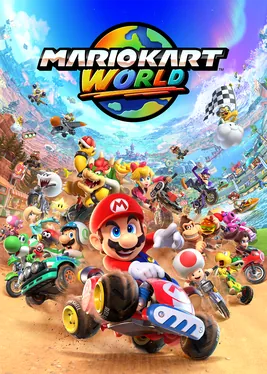
The launch was accompanied by Mario Kart World, an openly reimagined entry in the famous racing series that, as the flagship title, played a role similar to Breath of the Wild once did — showing what the new console can do without needing a lengthy explanation.
Technology: graphics and sound
At the heart of the console is a custom chip from NVIDIA, continuing a partnership that began with the Tegra X1 in the first Switch. The major new feature is support for DLSS, an image-reconstruction technology that lets a game run internally at a lower resolution while still reaching the screen in a sharp result without the corresponding load. That is precisely the key to a handheld console with a limited thermal budget managing 4K resolution when docked. The chip also supports hardware-accelerated ray tracing, so modern lighting techniques are no longer principally out of reach for the Switch 2.
The built-in display has grown noticeably — larger than both the original model and the later OLED version, with higher resolution, HDR support, and a high, variable refresh rate. Compared to its predecessor's seven-inch screen, handheld play feels considerably more generous. Internal storage is an order of magnitude larger than before and expands with microSD Express memory cards, which are substantially faster than regular microSD cards; older cards from the Switch don't work in the new console. Audio remains the tried-and-tested stereo setup with built-in speakers, a 3.5mm jack, and digital output via the dock, now enhanced with spatial effects.
Joy-Con 2 and peripherals
The controllers underwent the most visible change. The Joy-Con 2 no longer attaches to the console via rails but magnetically, which speeds up both attaching and detaching and removes one of the system's most mechanically fragile points. The controllers are larger and fit the hand better, so playing with a single Joy-Con is no longer a compromise reserved for emergencies.
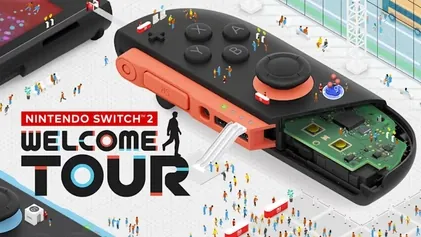
The real novelty lies elsewhere, though: each Joy-Con 2 can function as a mouse. Set it on a table or on your thigh and it tracks motion across the surface, so the console natively supports control schemes typical of PC genres — strategy games, shooters, or drawing and creative applications. It's a classically Nintendo idea in the sense that it grows out of hardware you're already holding rather than another extra box. The console also keeps the classic Pro Controller for playing on a TV, along with expanded options for voice and video communication between players during a game.
Models and revisions
The Switch 2 is so far available in a single configuration — no Lite or OLED variant of the kind that gradually rounded out the previous generation's lineup. Color and collector's editions are available for purchase, along with accessories like spare Joy-Cons, a camera, or protective cases, but the hardware itself doesn't yet split into performance or build tiers. The dock has been redesigned and, besides 4K output, also handles the improved heat dissipation the more powerful chip demands.
Backward compatibility and game library
The new console's biggest practical advantage is backward compatibility with Nintendo Switch games — both physical and digital. An owner of the older console therefore doesn't start with an empty library, and a number of titles run more smoothly on the new hardware, in better resolution, or in a directly updated form prepared for the Switch 2. Given that the original Switch sold tens of millions of units and amassed an enormous number of games, this is a bridge the new generation crosses with a considerable head start.
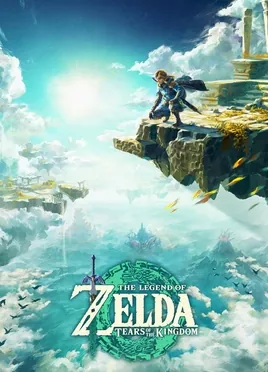
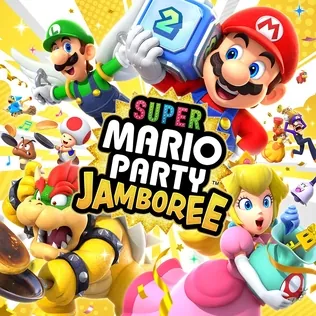
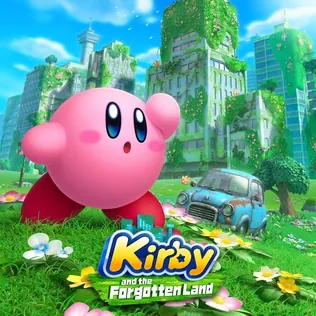
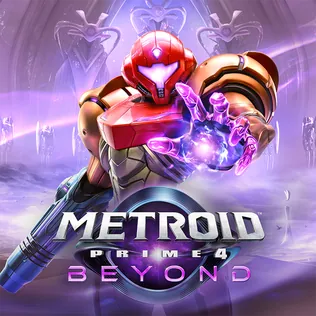
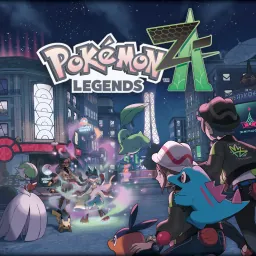
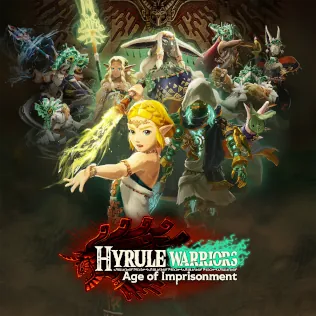
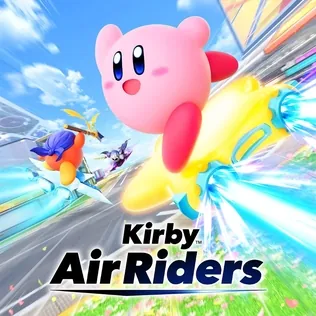
Alongside its own franchises — Mario, Zelda, Metroid, Pokémon, Kirby — Nintendo has from the start also relied on collaboration with third-party studios, for whom the new chip with DLSS is a substantially friendlier target than the eight-year-old Tegra. The Switch 2's competition, meanwhile, isn't just the PlayStation 5 and Xbox Series X|S, but above all handheld gaming PCs led by the Steam Deck — a category the original Switch's success itself helped bring into being.
Today's scene
The Switch 2 is the newest console on this site, and from the retro scene's perspective it's essentially ground zero: no usable emulation exists for it, you won't find it in Batocera or on any handheld emulation device, and any experiments in that direction remain purely theoretical for now. The only path to its games is the official one — the console itself, game cards, and the digital store, or else original Switch games that run on it.
For collectors and players interested in platform history, it's interesting mainly as a milestone. It shows that a concept which, in 2017, looked like a risky bet following the Wii U's failure, became so self-evident within a single generation that its successor no longer needs to justify it — it only needs to make it faster, sharper, and more comfortable. How the Switch 2 will be remembered is something only time will tell; for now, it's a console that is still writing its first page.
Games on this platform (27)



No game in this genre.