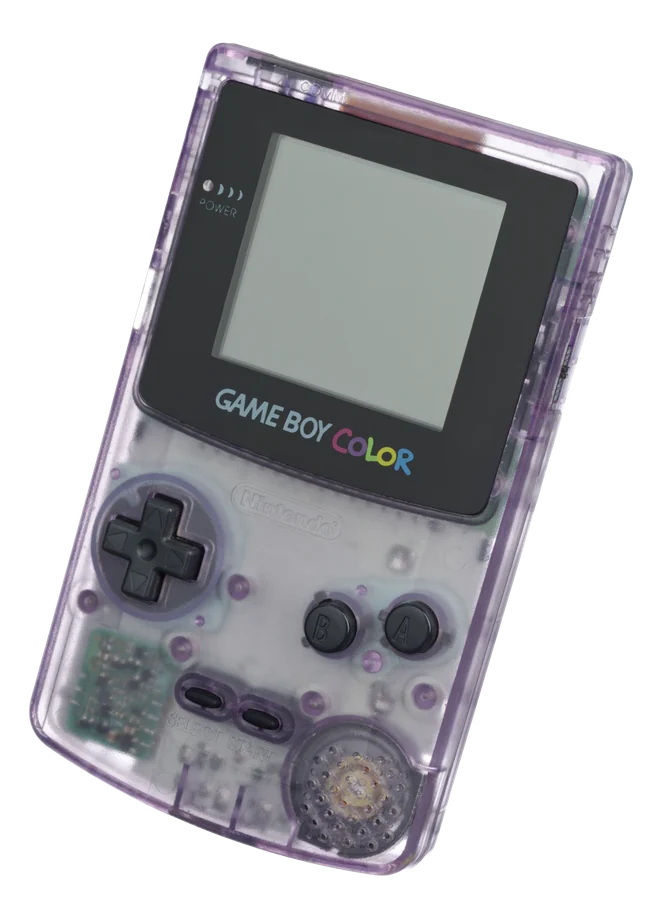
 Nintendo · 1998
Handhelds
Game Boy Color
History & context
When the Game Boy Color arrived in 1998, Nintendo was not dealing with a revolution — it was dealing with maintaining the throne. The original Game Boy from 1989 and its interim step, the Game Boy Pocket, were still steamrolling the market, but the monochrome display already looked archaic next to color competitors such as the Sega Game Gear or the Atari Lynx (which, however, paid the price in battery gluttony). The GBC chose a clever middle path: it added color, a somewhat faster processor and more memory, but kept low power consumption and, above all, full backward compatibility with the entire library of the original Game Boy. A new owner could thus play old and new games alike — and that was an argument the competition could not top.
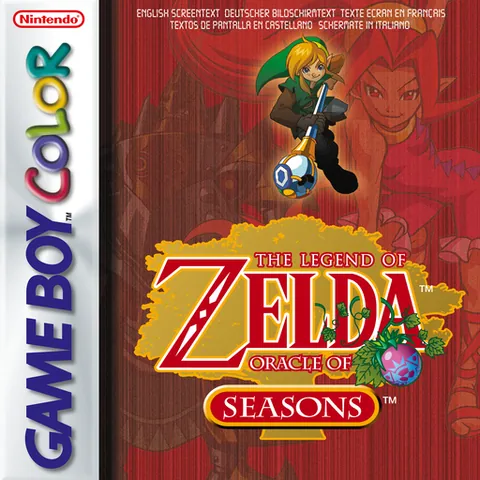
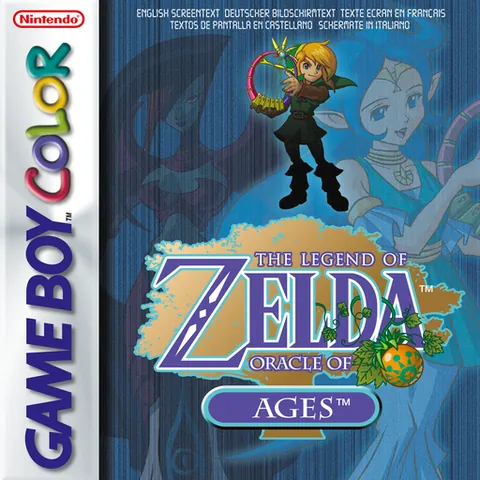
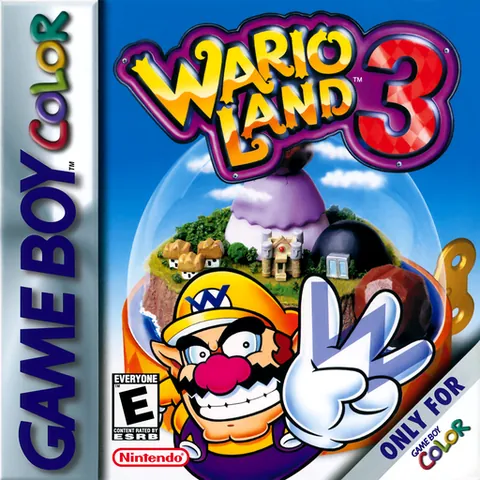
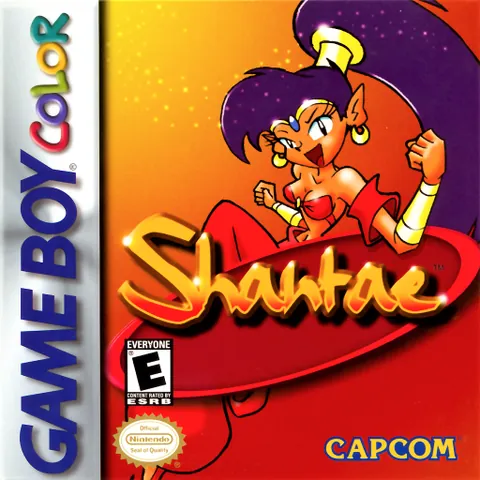
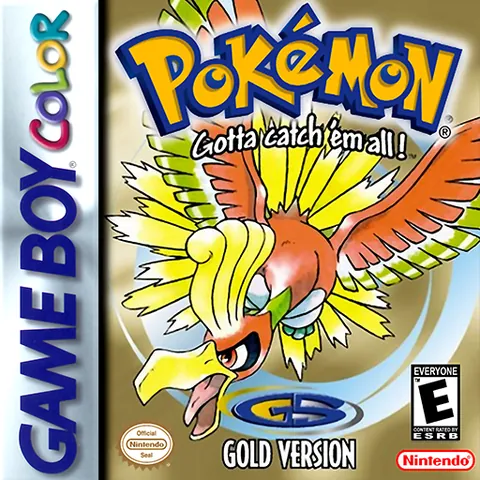
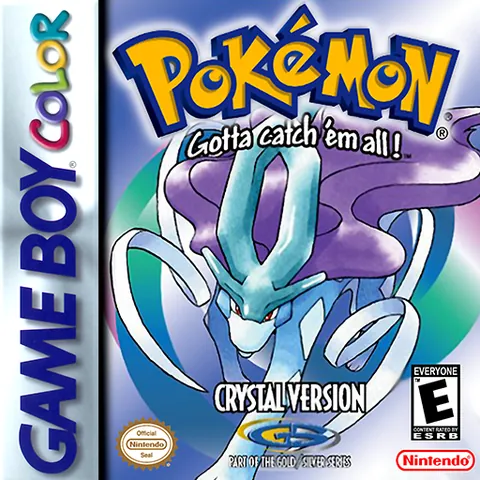
The lifespan of the GBC was nonetheless short, roughly three years before it was replaced by the Game Boy Advance in 2001. Even so, it managed to accumulate a remarkable library: the second generation of Pokémon (Gold/Silver/Crystal), a pair of excellent Zeldas (Oracle of Seasons and Oracle of Ages), Wario Land 3 and technically stunning titles from the end of the era. Among them stands out Shantae, which came out so late that it sold pitifully few copies — and today is extremely expensive for collectors.
Technology: graphics and sound
At the heart of the GBC is the 8-bit Sharp LR35902 processor (a relative of the Z80 and the Intel 8080), which runs at double the frequency compared to the original Game Boy — roughly 8 MHz in fast mode, whereas in compatible mode it runs slower like a classic GB. The working memory (RAM) and video RAM are both doubled compared to the predecessor (32 KB of system RAM, 16 KB of VRAM), which gave games more room for graphics.
The display has a resolution of 160 × 144 pixels and for the first time it is a color, reflective TFT panel. From a palette of 32,768 colors, the GBC can display up to 56 colors at once in a special mode — but typically 32 colors (eight three-color palettes for backgrounds and eight for sprites, plus the transparency color). Sprites measure 8 × 8 or 8 × 16 pixels. The sound is provided by the same chip as in the original GB: four channels — two pulse channels (square wave), one wave channel with a programmable wave table and one noise channel for percussion and effects. The output is stereo to headphones.
Connectivity and peripherals
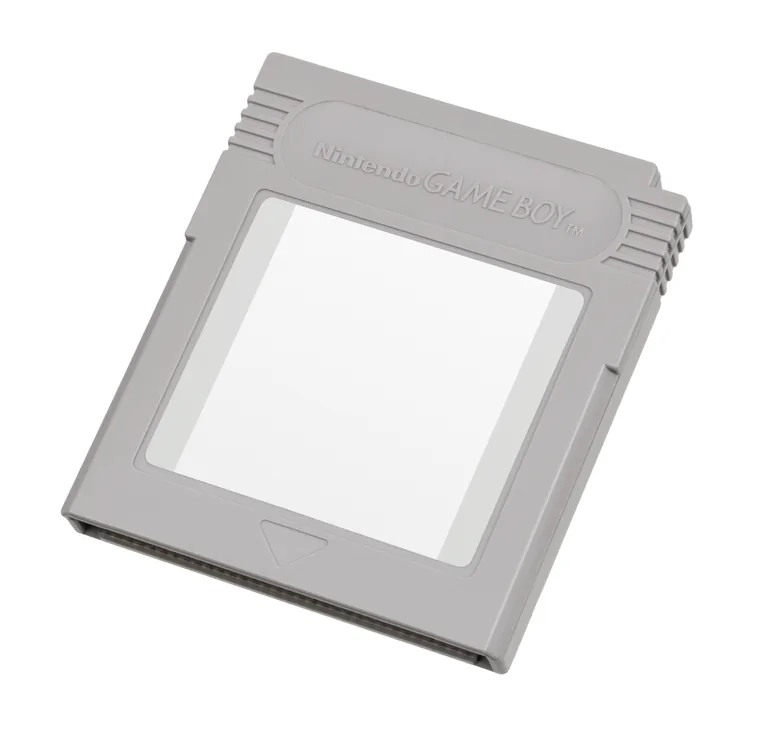
The GBC inherited the Game Link port for the connection cable — the basis of the famous Pokémon trades and battles as well as multiplayer in other titles. A novelty was the infrared port (IR) on the top edge of the console, which enabled wireless data exchange over a short distance; a handful of games used it, the best known being the trading of items in the Pokémon games and in the Zeldas. Cartridges carried backed-up memory (battery + SRAM) for saving progress, and some games even had a real-time clock — Pokémon Gold/Silver had a crystal RTC in the cartridge, whose battery unfortunately dries out over the years.
Among the accessories, the Game Boy Camera and the Game Boy Printer are worth mentioning, both inherited from the GB era and fully functional with the GBC. Power was provided by two AA batteries with a life of around 10 hours, or an optionally purchasable mains adapter.
Models and revisions
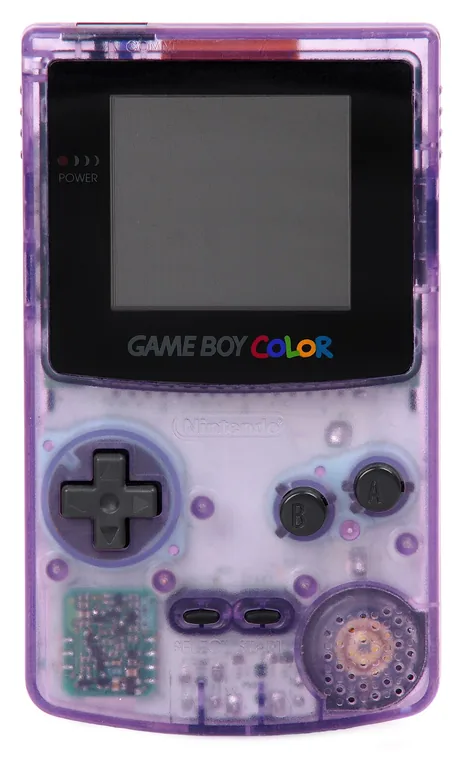
The Game Boy Color came out in a single basic form, but in a wide palette of colored casing variants: the transparent "Atomic Purple", Berry, Grape, Kiwi, Dandelion, Teal and the classic Clear. In addition, there were limited editions — Japanese releases tied to specific titles as well as the iconic Pokémon Edition with a Pikachu motif.
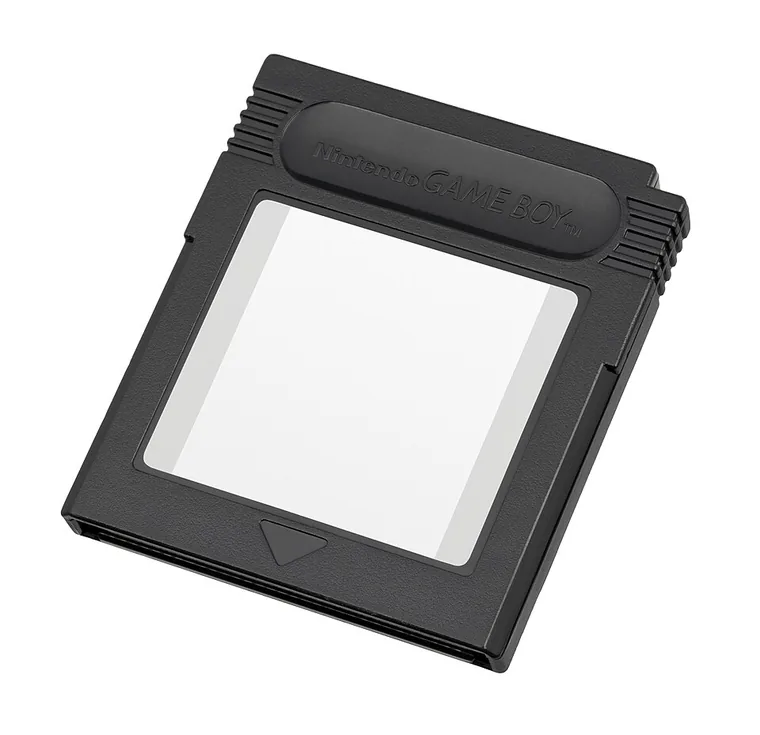
Games for the platform were divided into two categories according to the color of the cartridge. Black cartridges were "GBC-only" and worked exclusively on the Game Boy Color (and later the GBA). Transparent/clear cartridges were the so-called "dual mode" — color on the GBC, but also playable on the original black-and-white Game Boy, where they ran in shades of gray. The GBC hardware itself received no later internal display revision; its successor became only the entirely new Game Boy Advance architecture.
Clones and variants
The Game Boy as a brand was, thanks to its own encrypted boot and Nintendo-guarded licenses, harder to clone than, say, the NES, so fewer widespread hardware clones of the GBC were created than famiclones. Nevertheless, a number of unofficial "pirate" cartridges with unlicensed games and multi-game compilations appeared, widely seen also at markets in Eastern Europe and in Asia.
While in Czechoslovakia the trace of Nintendo in the field of the handheld console is practically nonexistent (official distribution came only much later), the domestic clone scene manifested itself fully with other platforms — with 8-bit computers it was the Didaktik as a domestic clone of the ZX Spectrum, and with the console Nintendo, famiclones of the Pegasus type made their way into the region. The Game Boy Color reached Czech players mainly through imports and the gray market; however, the far cheaper imitation in the form of Chinese handheld consoles à la "Brick Game" became a legend of its time, though it had technically nothing in common with the GBC.
Today's scene
Emulation of the GBC is completely trouble-free today and is among the most rewarding of all. Top emulators such as mGBA or SameBoy achieve high accuracy including a faithful simulation of the LCD and the sound chip; on weaker devices Gambatte (a core in RetroArch) serves well. The GBC runs on practically anything — from phones through the Raspberry Pi all the way to pocket emulation consoles.
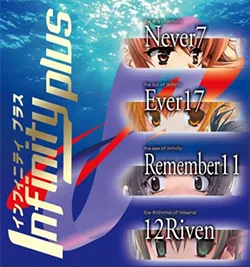
The homebrew scene is also alive: developers today write new games in the C language via GBDK or in assembler and release them on real flash carts as well as ROMs to download. A symbol of this perseverance is the RPG Infinity — a commercial title whose development stalled around 2001 and which the original team completed after more than twenty years and released in 2023. A rare case of a "lost" game that came back to life.
Games on this platform (129)
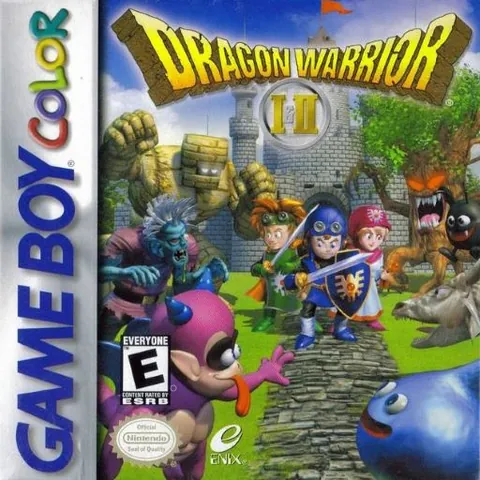
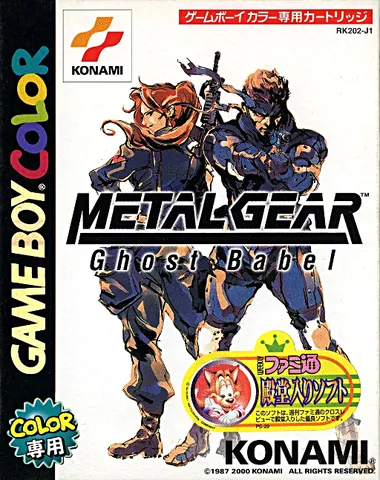
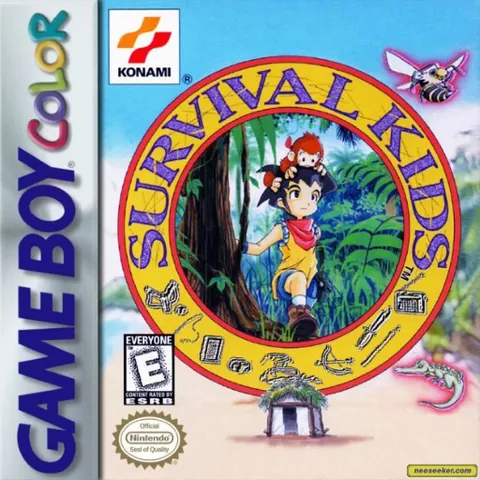
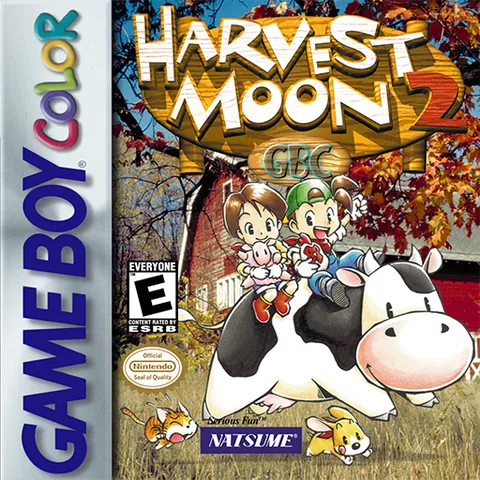


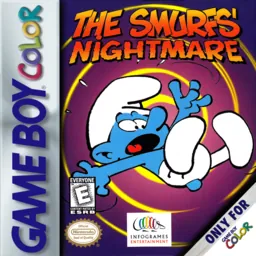
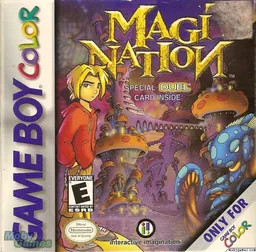
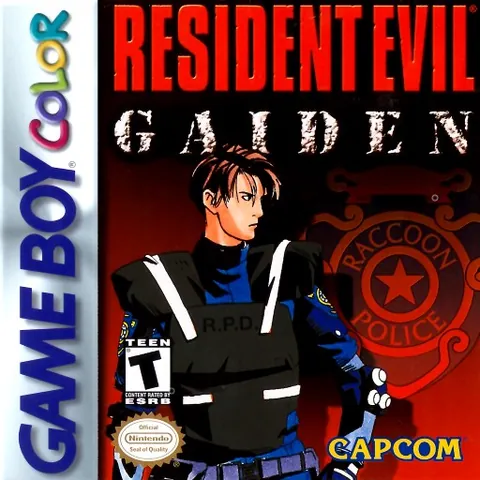
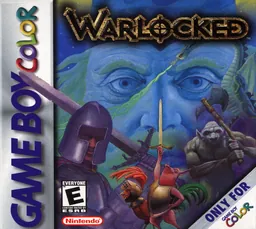
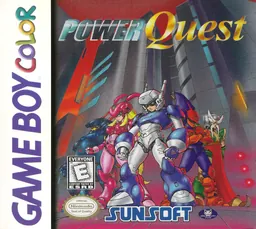
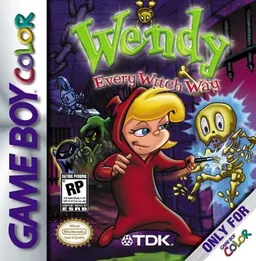
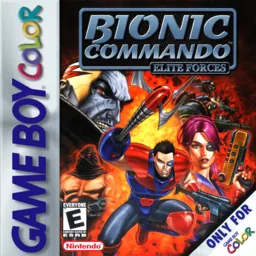
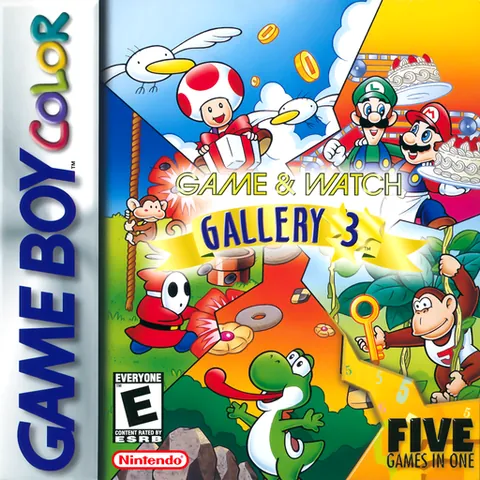
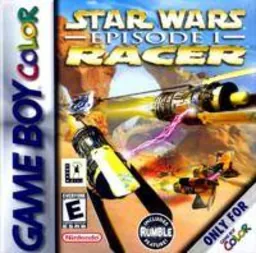
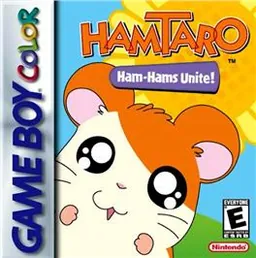
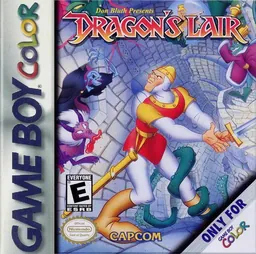
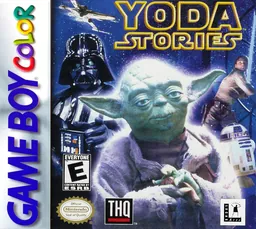
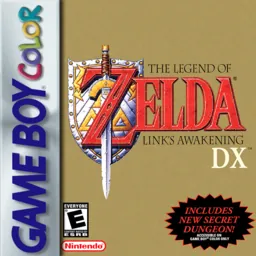
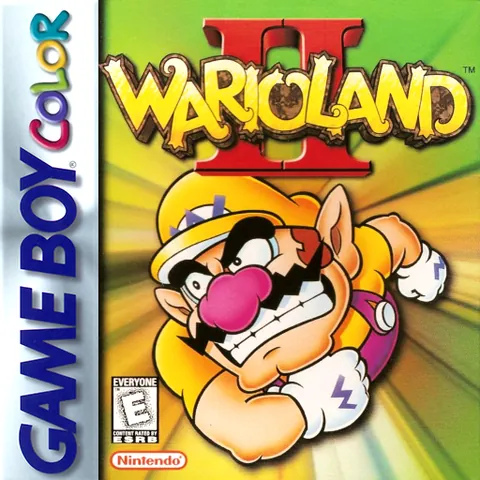
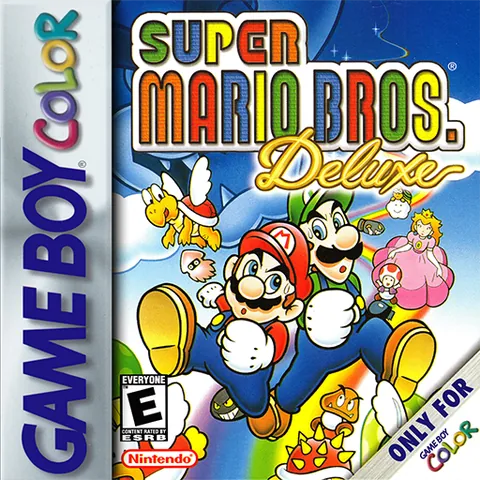
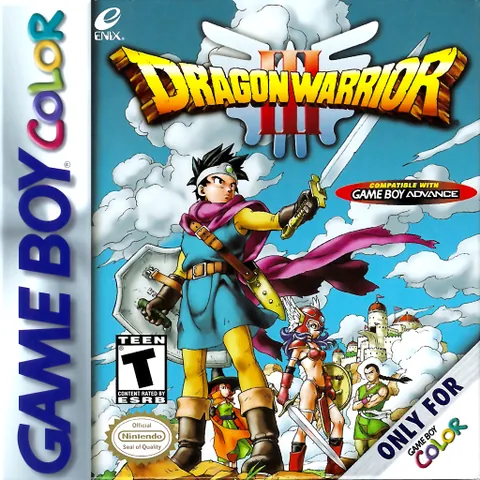
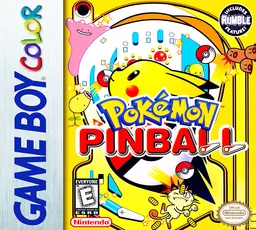
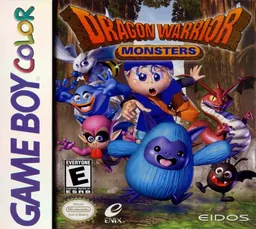
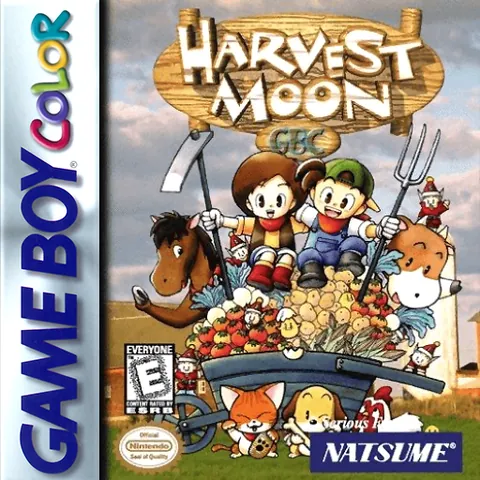
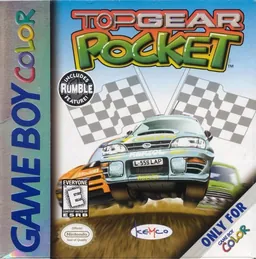
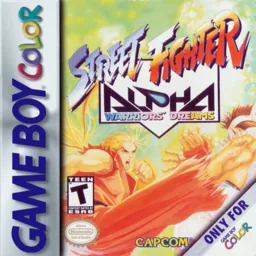
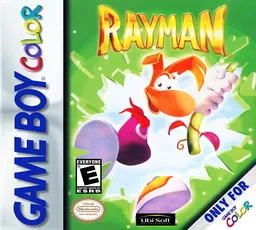
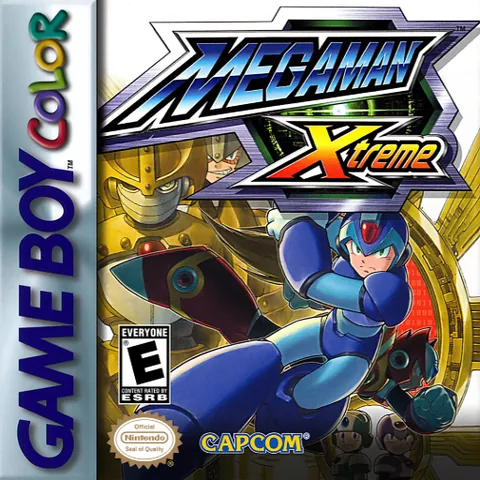
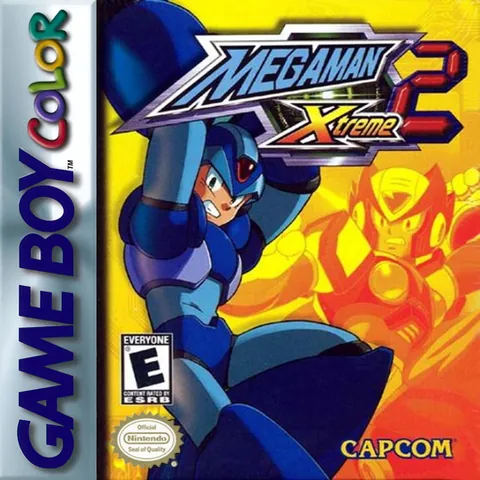
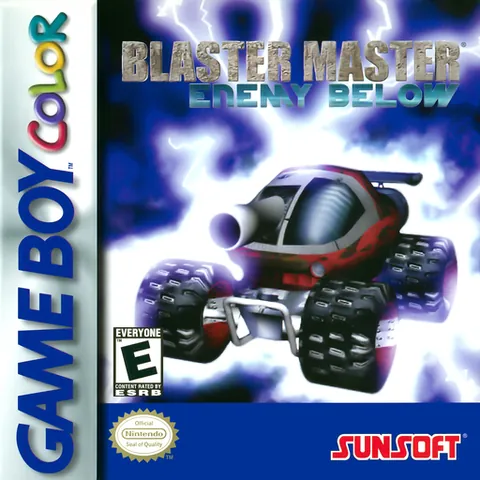
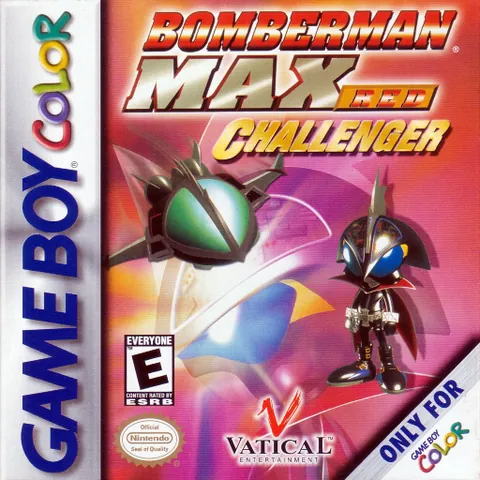
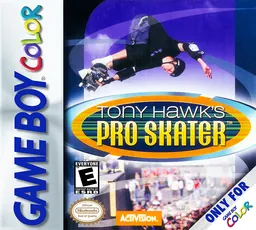
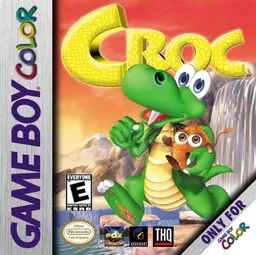
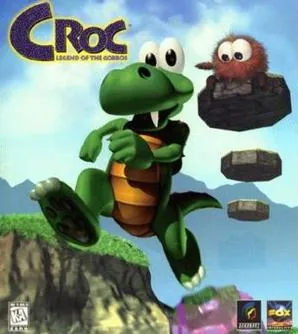
Croc (GBC)
Argonaut's mascot from the 3D platformer, retold in classic 2D form for the small screen.
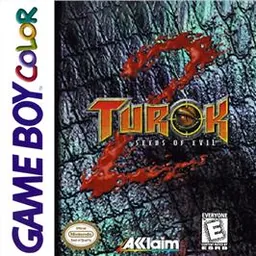
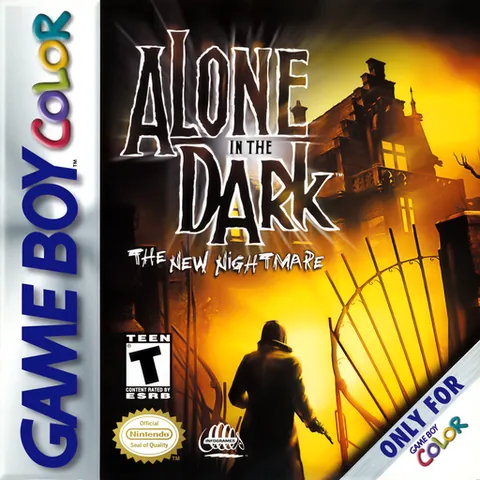
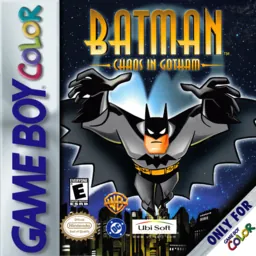
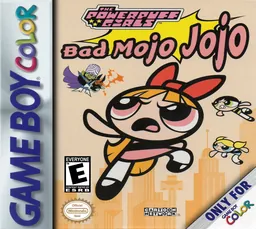
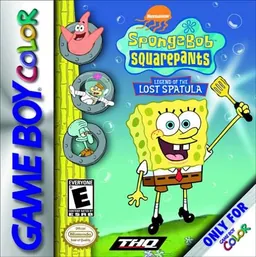
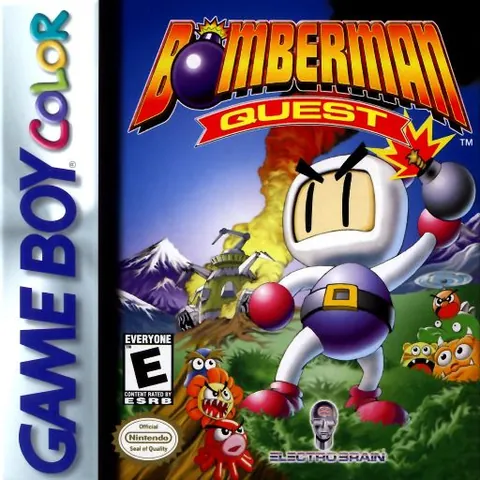
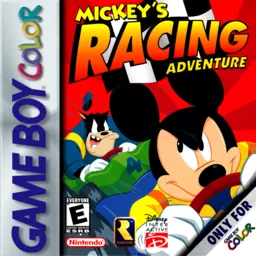
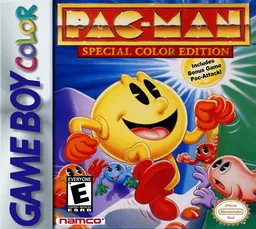
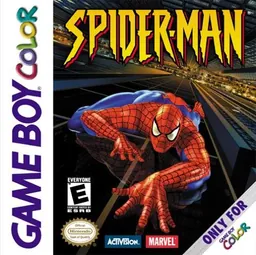
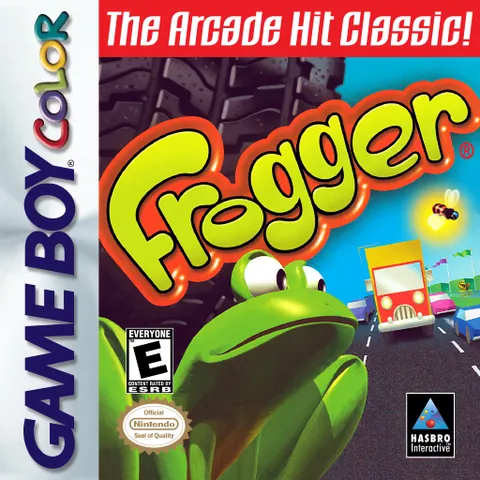

No game in this genre.