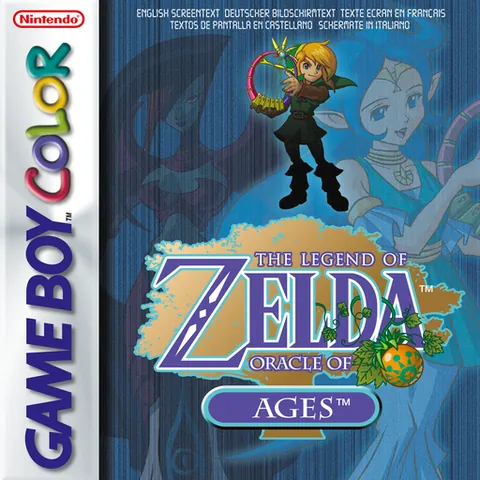
The Legend of Zelda: Oracle of Ages
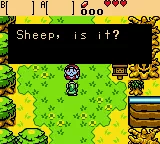
If Oracle of Seasons is the action-driven face of the 2001 twins, then Oracle of Ages is their contemplative soul. Like its sibling title, it was developed not by Nintendo but by the Japanese studio Capcom through the Flagship team under the supervision of Yoshiki Okamoto. And just as with Seasons, both games were designed from the outset to speak to each other through a password system — you finish one, transfer the progress to the other, and only together do they reveal the full story and the true final enemy.
Ages chose an entirely different angle than its counterpart. Where Seasons bets on fast action and transforming the landscape by season, Ages builds on time travel. You move between the past and present of the land of Labrynna, and your interventions in ancient times change the world you see centuries later. A tree you plant long ago later serves you as a bridge; a conversation in the past unlocks a door in the present. It's a game built on cause and effect, and therefore noticeably more logic-driven and puzzle-oriented.
That makes Ages a title that plays more slowly and deliberately. Combat is here, but the heart of the experience lies in the dungeons and puzzles, where you must think across two time planes at once. Many players therefore consider it the more challenging and intellectually richer half of the pair — not necessarily better, but differently tuned, which was, after all, the whole point of the split.
Both games share the same technical foundation and the visual style of the Game Boy Color, and yet they play differently. This very duality is the project's greatest asset: you get two full-fledged Zeldas that complement each other and reward you for playing both. With it, Capcom proved that it can not only copy a proven formula but develop it in a direction Nintendo itself might not even have reached for.
Anyone who loves puzzles, manipulating time, and a slower, more thoughtful pace will find their favorite in Ages. And whoever plays both games back to back will experience one of the most cleverly interconnected adventures ever released on a handheld.
Why play: The more logic-driven, puzzle-oriented half of the famous pair, built on time travel — ideal for players who prefer thinking over action.
Game 2 of 129 for Game Boy Color
From the same series The Legend of Zelda →
 The Legend of Zelda: Ocarina of Time - Master Quest GCN
 The Legend of Zelda NES · 1986 (JP) / 1987 (US)
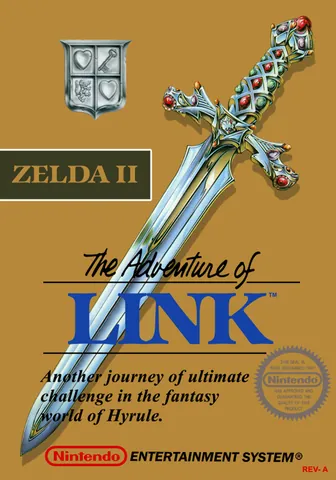 Zelda II: The Adventure of Link NES · 1987 (JP) / 1988 (US)
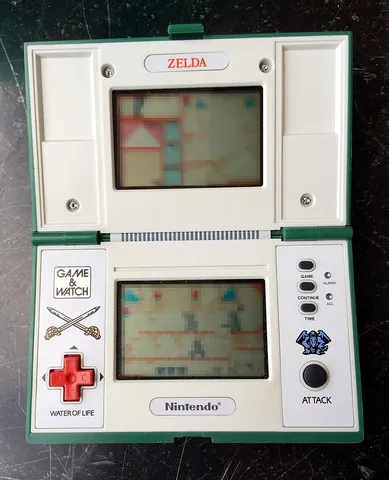 Zelda (G&W) G&W · 1989
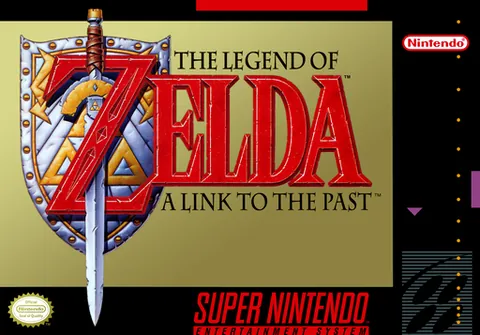 The Legend of Zelda: A Link to the Past SNES · 1991 (JP) / 1992 (US)
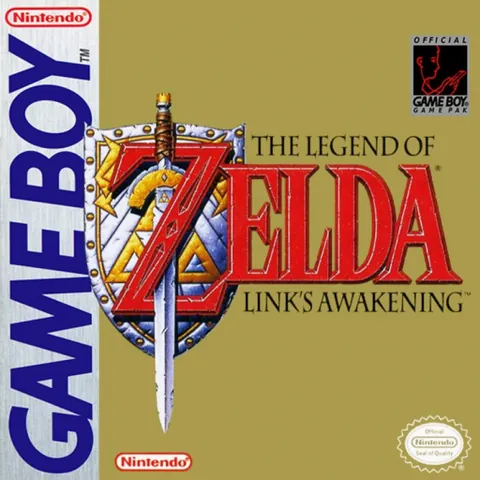 The Legend of Zelda: Link's Awakening (DX) GB · Switch · 1993 (DX 1998)
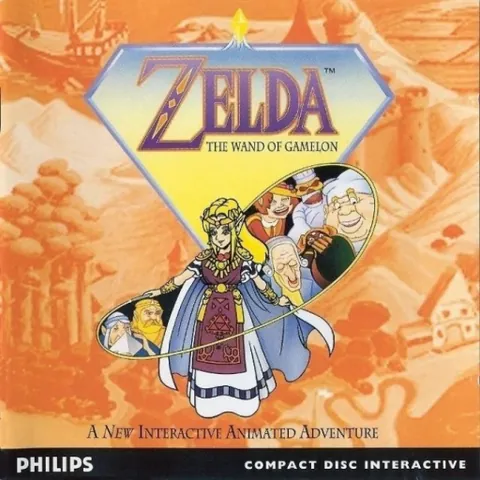 Zelda: The Wand of Gamelon CD-i · 1993
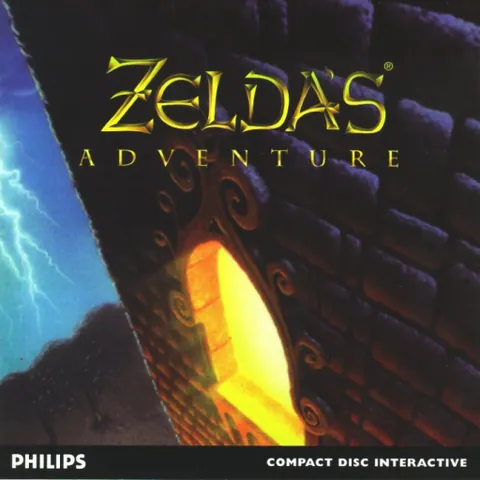 Zelda's Adventure CD-i · 1994
 The Legend of Zelda: Link's Awakening DX GBC · 1998
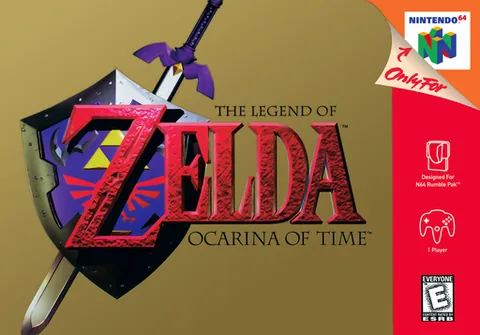 The Legend of Zelda: Ocarina of Time N64 · 1998
 The Legend of Zelda: Majora's Mask N64 · 2000
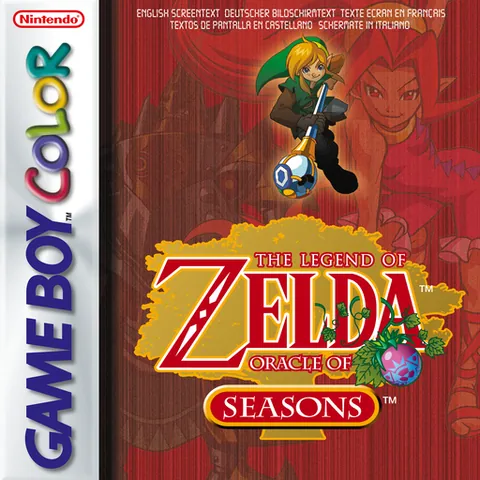 The Legend of Zelda: Oracle of Seasons GBC · 2001