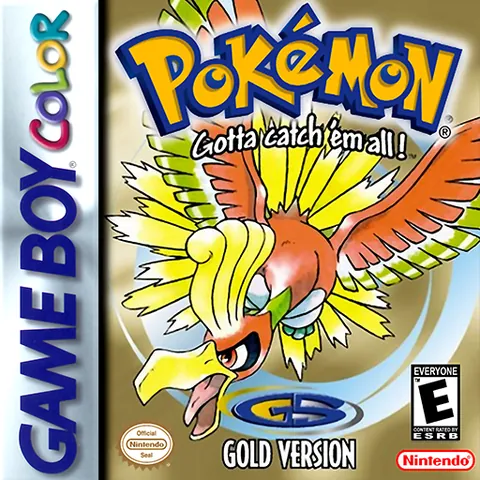
Pokémon Gold / Silver
The Johto region opens up slowly, almost timidly, but the moment you first hear that calm morning melody of Cherrygrove City, it's clear this will be a different Pokémon. Gold and Silver weren't merely a continuation of the phenomenon from Kanto. They were proof that the series can evolve while staying true to what made it unforgettable.
Mechanically it was a huge leap. The game introduced a day-and-night cycle with an internal clock in the cartridge, two new Pokémon types, Dark and Steel, and a more elaborate battle system. Added were held items, breeding at the Day Care, a phone via the Pokégear that let trainers call you for rematches, and a radio. The roster grew from 151 creatures to 251. All of this fit onto a tiny Game Boy cartridge, and moreover with color support on the Game Boy Color, even though the game also ran on the original Game Boy.
Game Freak, however, saved its most legendary trump card for the end. After completing the Johto story, the player sails back to the Kanto region and can once again explore its eight towns and defeat the original gym leaders. Two full-fledged game areas in a single cartridge was something no one expected back then, and the final showdown with a trainer atop Mt. Silver remains one of the most cited moments in the entire series to this day.
Gold and Silver were made under the direction of Satoshi Tajiri, with music once again composed by Junichi Masuda. Development was demanding, and the game was even rescued by Nintendo stepping in. Commercially it was a gigantic success; the pair sold in the tens of millions worldwide and rank among the best-selling Game Boy games of all time. For many fans the second generation and the Johto region remain the pinnacle of the brand.
Culturally, this game cemented Pokémon as a timeless classic rather than a nineties fad. It proved you can follow up success with bold innovation instead of cautious repetition. The later remakes HeartGold and SoulSilver on the Nintendo DS only confirmed how deeply Johto had etched itself into players' hearts.
Why play it: For many, the second generation of Pokémon is the pinnacle of the series to this day, and the return to Kanto makes it one of the most generous JRPGs of its time.
Game 36 of 129 for Game Boy Color
From the same series Pokémon →
 Pokémon Red / Blue / Yellow GBC · GB
 Pokémon Mystery Dungeon: Explorers of Time / Darkness / Sky DS
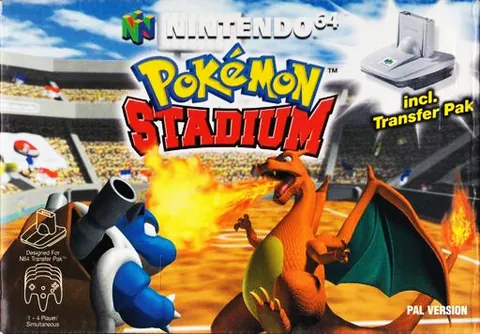 Pokémon Stadium 1 & 2 N64 GB Pokémon Red / Blue GB · 1996
 Pokémon Trading Card Game GB · GBC · 1998 (JP) / 2000 GBC Pokémon Gold / Silver / Crystal GBC · 1999 (JP) / 2000
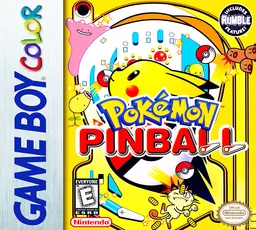 Pokémon Pinball GBC · 1999
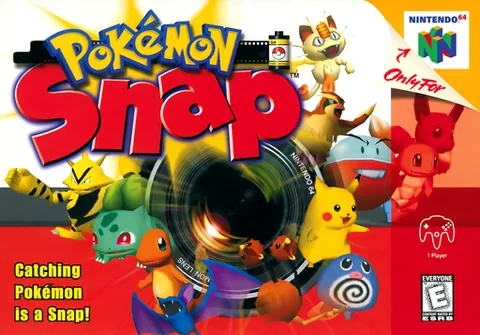 Pokémon Snap N64 · 1999
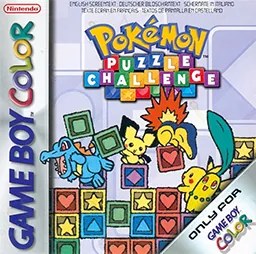 Pokémon Puzzle Challenge GBC · 2000
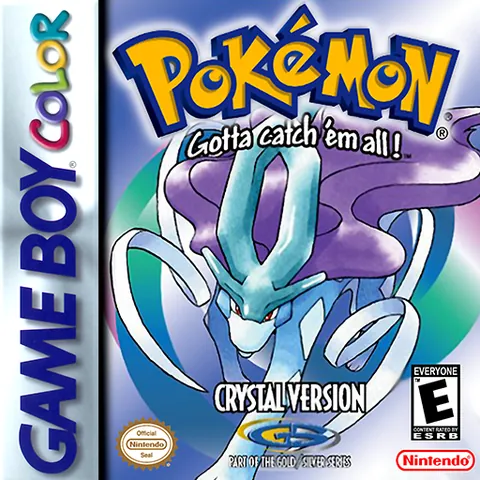 Pokémon Crystal GBC · 2000 GBA Pokémon Ruby / Sapphire / Emerald GBA · 2002/2004
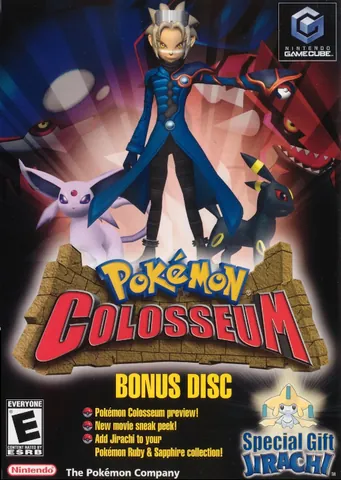 Pokémon Colosseum GCN · 2003