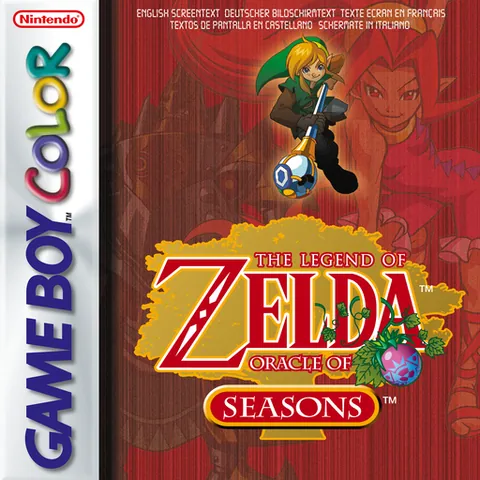
The Legend of Zelda: Oracle of Seasons
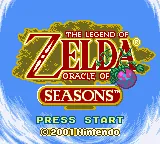
Imagine a Zelda not made by Nintendo. It sounds almost like heresy, and yet it happened in 2001: Oracle of Seasons is the work of the Japanese studio Capcom, specifically the Flagship team under the supervision of the legendary Yoshiki Okamoto (Street Fighter II, Resident Evil). And it was no half-hearted licensed side gig. Capcom was given the trust and repaid it with one of the most ambitious handheld projects of its time.
The original plan was even bolder. It was meant to be a trilogy linked by a single shared system, except that system turned out to be so complex that the developers scrapped the middle installment outright and linked the remaining two games — Seasons and Ages — via passwords. You finish one, receive a code, enter it into the other, and it suddenly knows who you are. Characters recognize you, items carry over, and completing both unlocks the true final showdown with Ganon. For its time it was an incredibly sophisticated way of turning two cartridges into a single grand story.
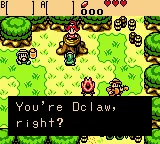
Seasons is the more action-oriented of the pair. The central mechanic is the so-called Rod of Seasons — a scepter with which you change the seasons directly in the landscape. A frozen lake becomes a walkable surface in winter, climbing plants bloom in spring, water recedes in summer. The same location thus offers four different forms, and the puzzles hinge on when and where to switch the season. It's a clever idea that gives the land of Holodrum surprising depth and forces you to think about the environment differently than in an ordinary action adventure.
Compared to its sibling Ages, which relies more on logic and time travel, Seasons keeps a faster pace with an emphasis on combat and exploration. Together they form the kind of pair that fans still praise today precisely because each installment has a different mood and yet they belong together. For the Game Boy Color it was a flagship of the genre, showing that a portable Zelda needn't be smaller — just different.
Technically and in terms of design, it was proof that the series can withstand outside hands if they are experienced enough. Capcom followed up later with The Minish Cap, and the team around Flagship went down in history as the people who dared to touch the treasure Nintendo guarded so jealously — and succeeded.
Why play: The clever season-switching mechanic and the unique link with Oracle of Ages make this pair one of the most inventive chapters in the entire Zelda series.
Game 1 of 129 for Game Boy Color
From the same series The Legend of Zelda →
 The Legend of Zelda: Ocarina of Time - Master Quest GCN
 The Legend of Zelda NES · 1986 (JP) / 1987 (US)
 Zelda II: The Adventure of Link NES · 1987 (JP) / 1988 (US)
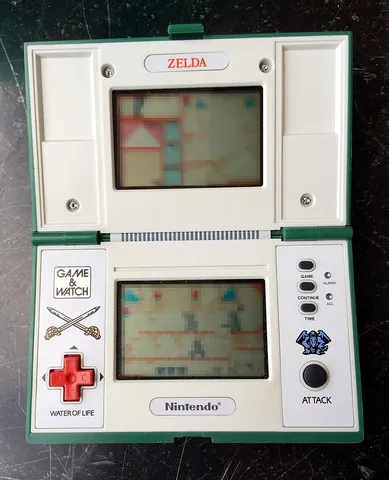 Zelda (G&W) G&W · 1989
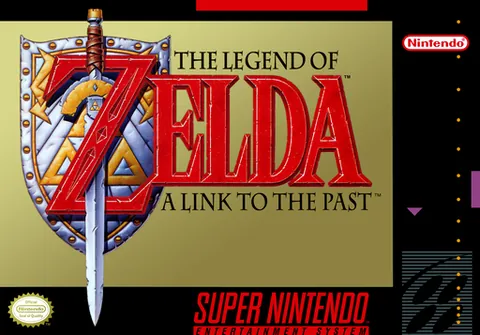 The Legend of Zelda: A Link to the Past SNES · 1991 (JP) / 1992 (US)
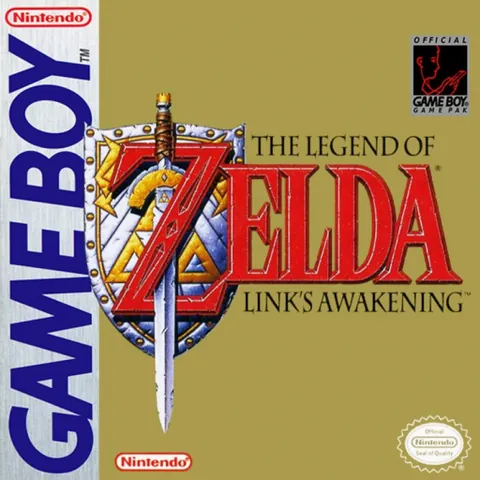 The Legend of Zelda: Link's Awakening (DX) GB · Switch · 1993 (DX 1998)
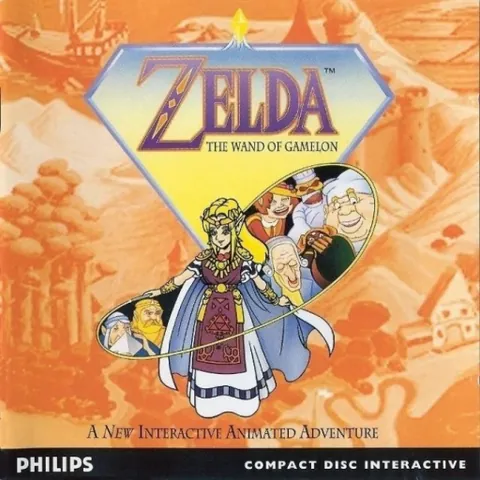 Zelda: The Wand of Gamelon CD-i · 1993
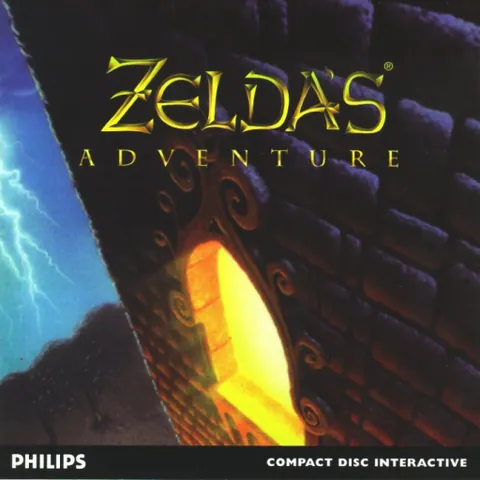 Zelda's Adventure CD-i · 1994
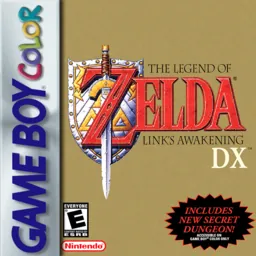 The Legend of Zelda: Link's Awakening DX GBC · 1998
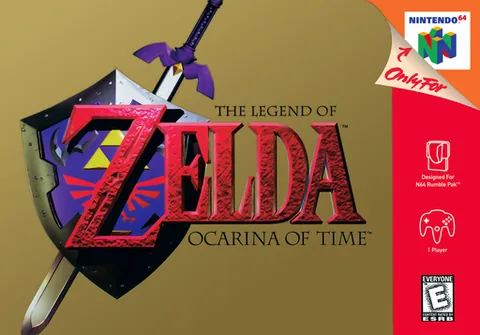 The Legend of Zelda: Ocarina of Time N64 · 1998
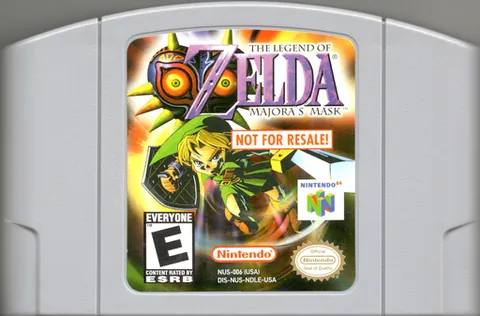 The Legend of Zelda: Majora's Mask N64 · 2000
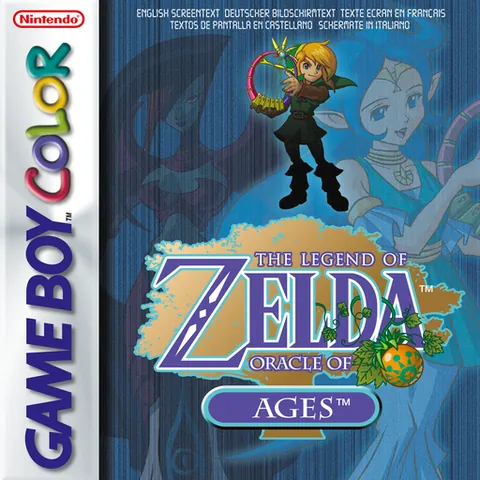 The Legend of Zelda: Oracle of Ages GBC · 2001