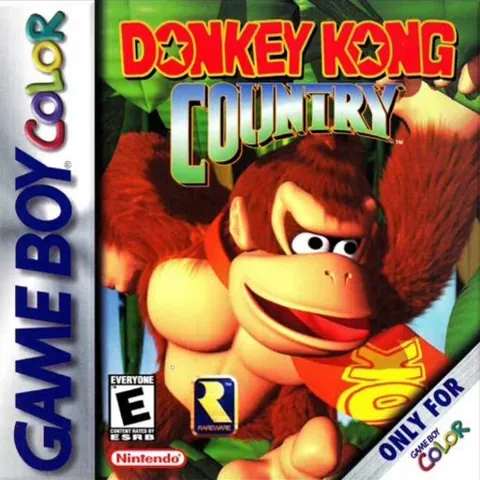
Donkey Kong Country (GBC)
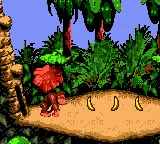
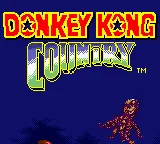
Pre-rendered „3D“ graphics that fit in your pocket — in 2000 that sounded almost like science fiction. And yet Donkey Kong Country on the Game Boy Color did exactly that, pushing the handheld's hardware right to the very edge of what it could do.
The original DKC on the SNES became famous precisely for its pre-rendered graphics, which made characters and environments feel three-dimensional and tangible. Carrying such visuals over to a far weaker portable console was a bold technical feat by studio Rare, the masters who had already once amazed the world with their rendered style. The result inevitably carries compromises against the original — a smaller color palette, simpler backgrounds, trimmed detail — but as a technical feat for its time it simply amazed.
The gameplay remains what made Rare's platformers famous: brisk running, precise jumps, hunting for hidden bonuses and switching between Donkey and the nimbler Diddy, each playing a little differently. Add barrel-blasting, mine carts and animal buddies who change the rhythm of the levels. It's a platformer designed with a feel for pacing and a sense of movement that holds up even in pocket form.
On top of that, features typical of the handheld era were added for travel, so the game holds up not only as a technical curiosity but as a full-fledged portable platformer. For fans of the original, it's a fascinating chance to take a piece of the classic anywhere.
Donkey Kong Country on the GBC is a bit of a small miracle — a reminder of a time when creators weren't afraid to squeeze the maximum out of limited hardware and show what was still possible. The compromises are noticeable, but the ambition and craft behind them command respect to this day.
Why play: For the experience of a tough, polished Rare platformer and admiration for a technical feat that brought rendered graphics into your pocket.
Game 12 of 129 for Game Boy Color
The same title elsewhere (2)
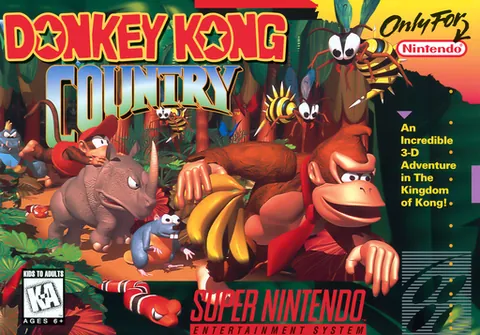
The Super Nintendo version shocked players in 1994 with pre-rendered graphics created on expensive Silicon Graphics workstations, which at the time looked like far more powerful technology than the SNES actually had. The 2000 portable Game Boy Color port tries to replicate that spectacle on much weaker hardware — the graphics are still pre-rendered, but with a more limited color palette and on a smaller screen, the music sounds different due to the Game Boy's different sound chip, and some platforming sequences were simplified for performance. For the most impressive and smoothest experience, the SNES version remains the reference, but the GBC port is an admirable technical feat on a handheld.
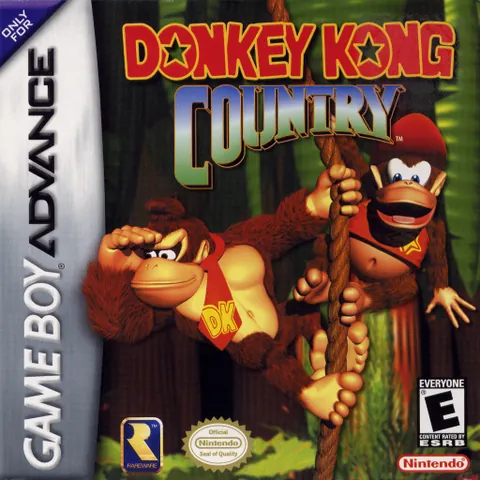
From the same series Donkey Kong →
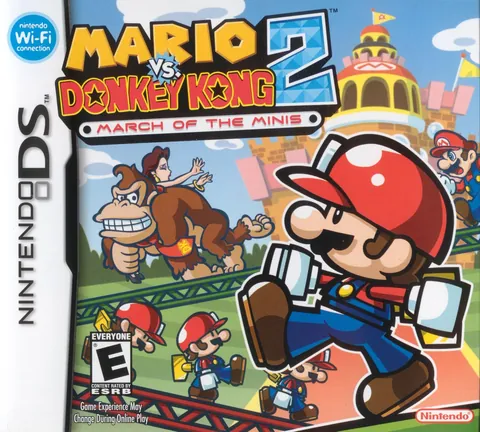 Mario vs. Donkey Kong 2: March of the Minis DS
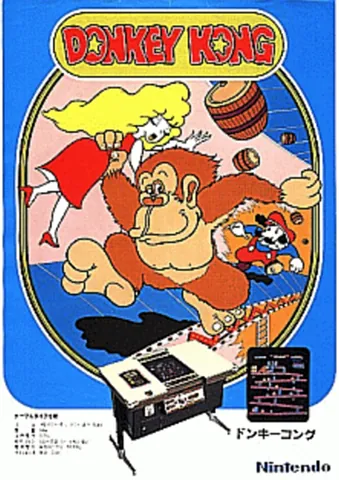 Donkey Kong MAME · Coleco · 2600 · 5200 · G&W · A800 · 7800 · GB · 1981
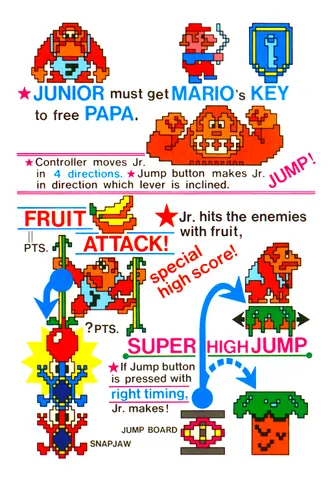 Donkey Kong Jr. MAME · G&W · 1982
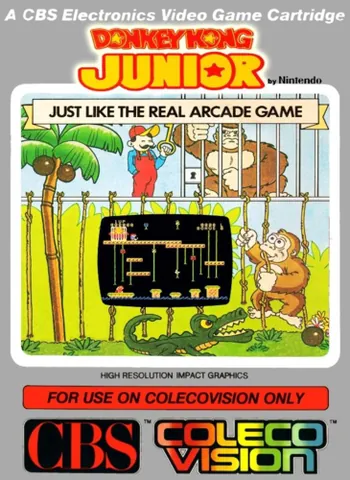 Donkey Kong Junior Coleco · 1982
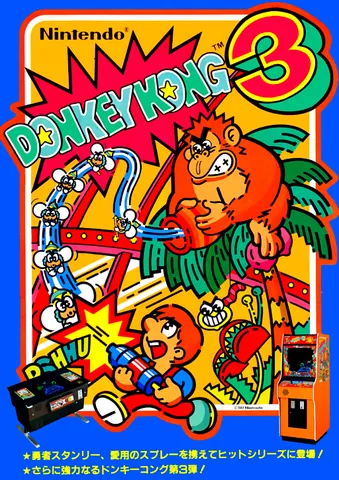 Donkey Kong 3 MAME · 1983
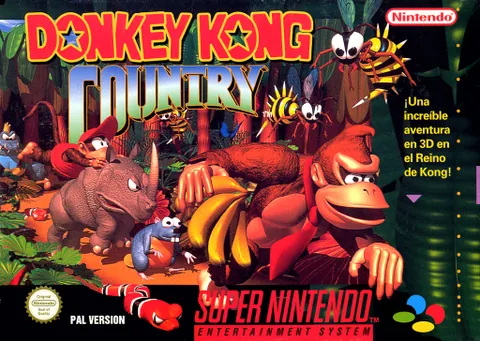 Donkey Kong Country 1–3 SNES · 1994–1996
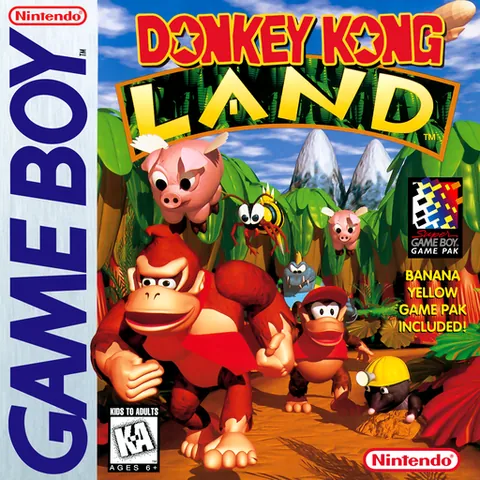 Donkey Kong Land GB · 1995
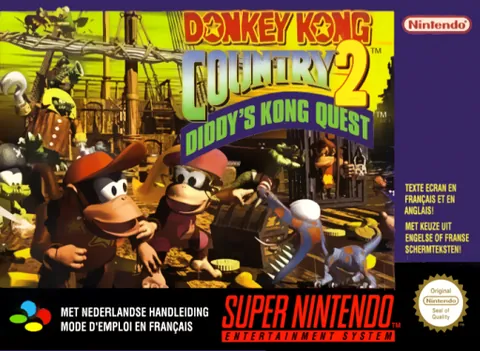 Donkey Kong Country 2 SNES · GBA · 1995
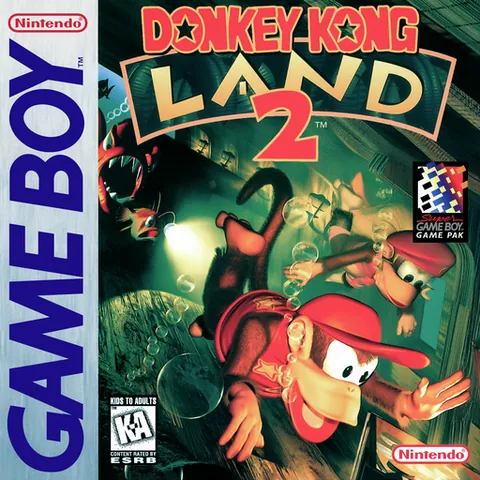 Donkey Kong Land 2 GB · 1996
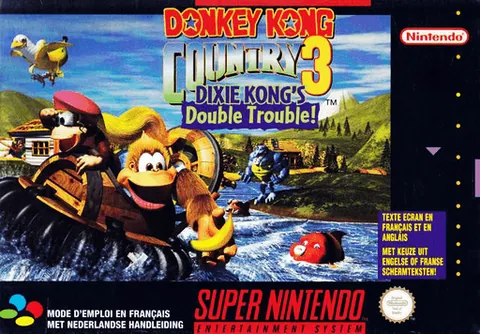 Donkey Kong Country 3 SNES · GBA · 1996
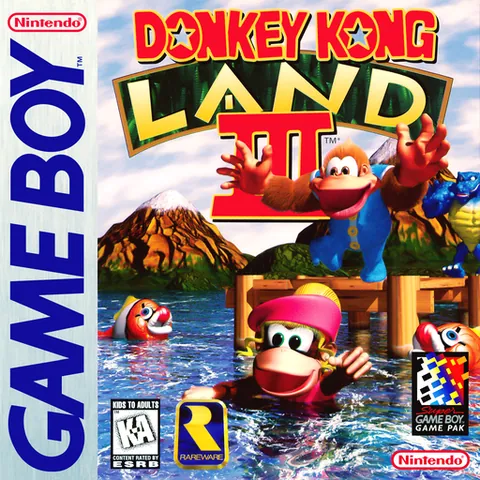 Donkey Kong Land III GB · 1997
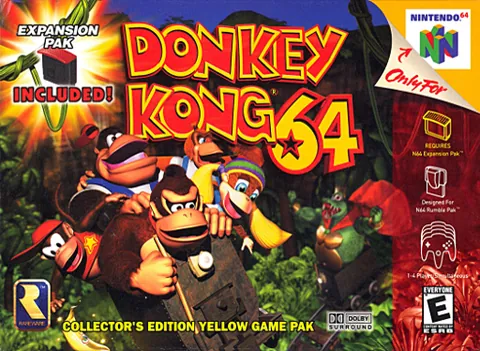 Donkey Kong 64 N64 · 1999