 SEGA · 1990
Handhelds
SEGA Game Gear
History & context
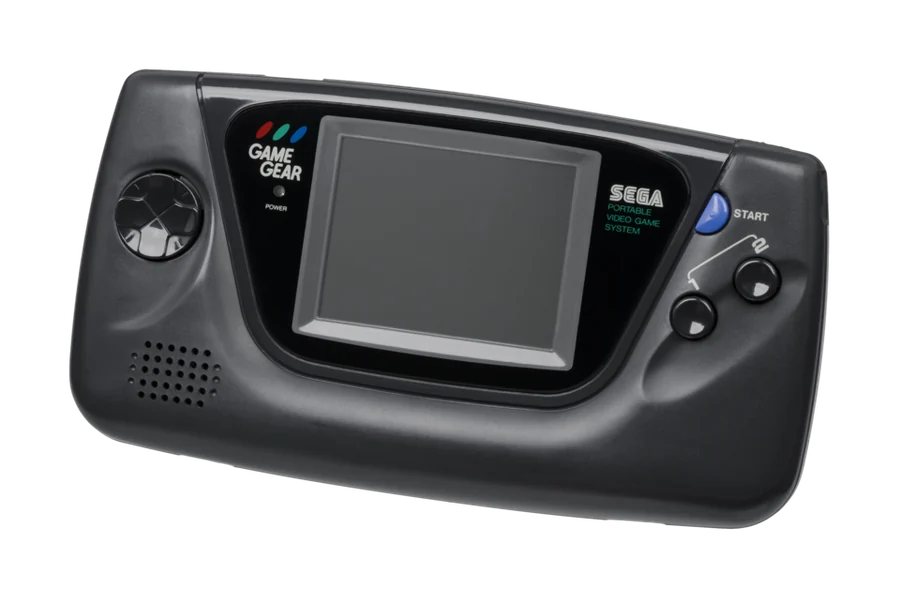
When Sega introduced the Game Gear in 1990 (a year later in Europe and the USA), it entered a battle that Nintendo had long since started with its Game Boy. Sega, however, was betting on one trump card that its rival lacked: a color backlit display. While the Game Boy offered only four shades of greenish gray, the Game Gear glowed in full color and looked like a pocket television. Sega's marketing pushed this difference to the extreme, and for a moment it seemed handheld gaming would take on a whole new dimension.
Under the hood there was nothing new. The Game Gear was essentially a Master System crammed into a pocket case — it shared the same processor, the same graphics and sound chip, and to a large extent its game library too. This kinship was both its strength (fast porting of titles) and the reason it never caught up with the technological bar later set by 16-bit machines.
Technology: graphics and sound
At the heart of the console is the eight-bit Zilog Z80 processor clocked at around 3.5 MHz — the same proven core that powered the Master System and the ZX Spectrum. Graphics are provided by a derivative of the VDP chip from the Master System. The display has a resolution of 160 × 144 pixels, the same area as the Game Boy, but with a completely different look: out of a palette of 4096 colors the Game Gear can show up to 32 colors at once (typically split into two palettes of sixteen). Against its monochrome rival this is a chasm of a difference.
The hardware handles hardware sprites and smooth scrolling across the entire area, so action games, platformers and shmups run briskly. Because the screen is smaller than the Master System's TV output, many ports were slightly cropped — the field of view narrowed so that objects would stay large and legible enough.
Sound is handled by the classic SN76489 (PSG) with three tone channels and one noise channel. Through the built-in speaker it sounds rather tinny, but through headphones the Game Gear additionally offered a stereo output — a pleasant bonus the Master System did not have by default.
Connectivity and peripherals
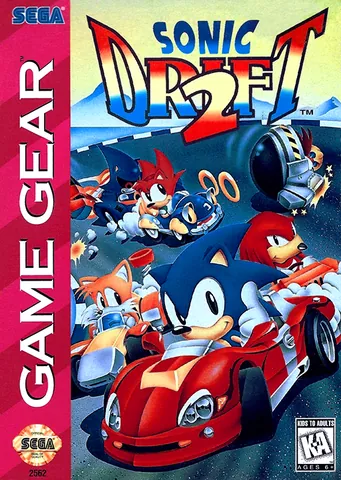
The Game Gear also thought about two-player games. Using the Gear-to-Gear link cable you could connect two consoles and play multiplayer, for example races in Sonic Drift 2. Each player, however, needed their own unit and their own copy of the game.
The most famous accessory, though, was the TV Tuner — an add-on that turned the console into a pocket color television. It was a period curiosity hit and today a sought-after collector's item. There was also the Master Gear Converter (Master System Converter), which let you run Master System cartridges on the Game Gear, as well as an AV/TV output solution and a mains adapter that partially addressed the dreaded battery consumption.
And it was the batteries that were the Achilles' heel. The Game Gear devoured six AA batteries in just three to four hours, while the Game Boy ran on four cells for over ten hours. The nickname "battery guzzler" has stuck with it to this day.
Models and revisions
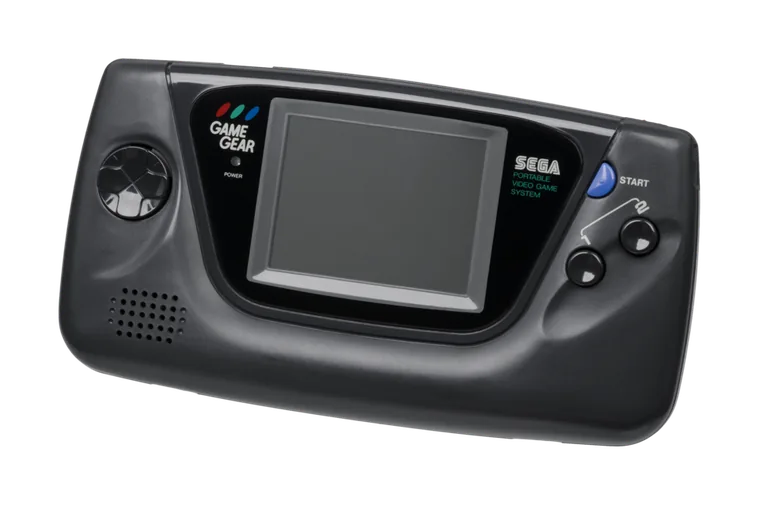
Sega also released a smaller and lighter redesign of the console, which reduced the dimensions compared to the original bulky body. There were also colored case variants for different markets. Years later, the Game Gear even got an official "comeback" in miniature form: in 2020 Sega released the Game Gear Micro for the company's anniversary — a tiny replica with a minuscule screen and a few pre-installed games, aimed more at collectors and fans than at actual playing.
A serious sore point of every original unit today is cracked capacitors in both the sound and picture sections. Many surviving consoles therefore need a so-called recap — a complete replacement of the capacitors — to bring back sound and a clean picture.
Clones and variants
Around the Game Gear there never grew such a jungle of clones as around the NES or the ZX Spectrum, where famiclones (Pegasus) or the Czechoslovak Didaktik appeared in the East. Sega held the hardware more firmly in its own hands. The key "variants" are therefore mainly official ones: the aforementioned redesign, the Game Gear Micro, and further the link to the home world via the Master Gear Converter, thanks to which the handheld effectively became a portable Master System. Collector's interest then lies in regional versions and packaging (Sega vs. licensed distributors in individual countries).
Today's scene
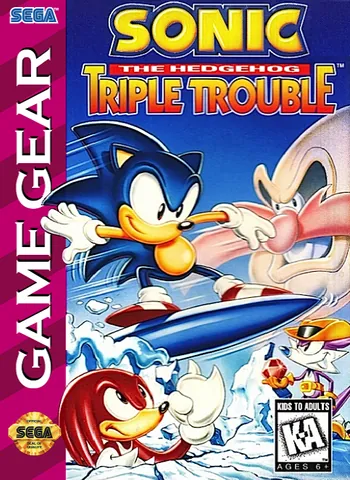
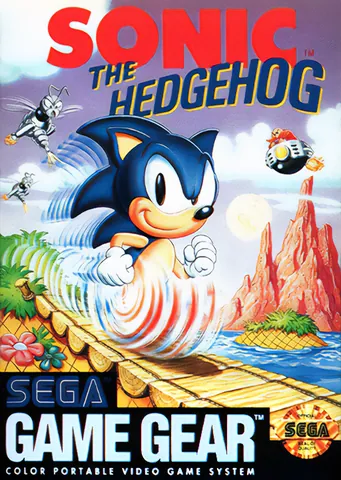
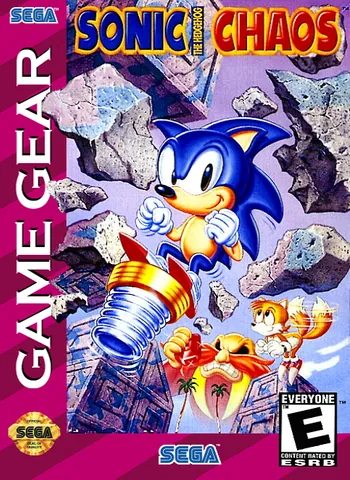
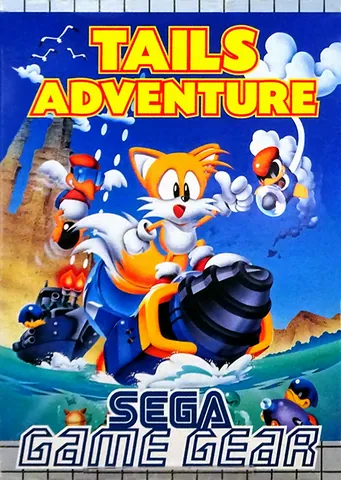
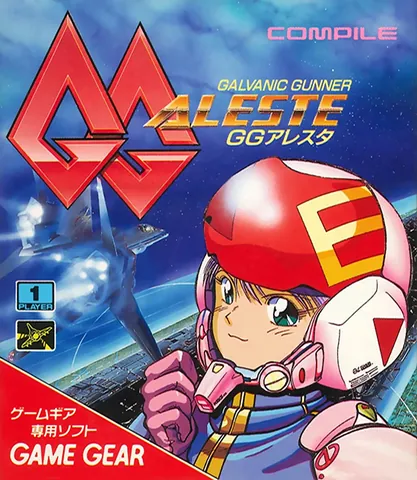
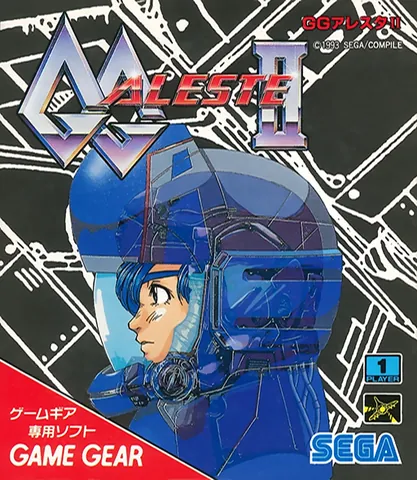
For today's retro gamer the Game Gear is ideal precisely because its one big weakness — battery consumption — disappears on an emulator. Emulators such as Emulicious, MEKA, BlastEm or universal cores in RetroArch run the library without problems and, on top of that, with a smooth color picture. The library ranges from eight-bit Sonics (Sonic Triple Trouble, Sonic Chaos) through the exploratory spin-off Tails Adventure, close to a metroidvania, to the excellent shmups of the GG Aleste line.
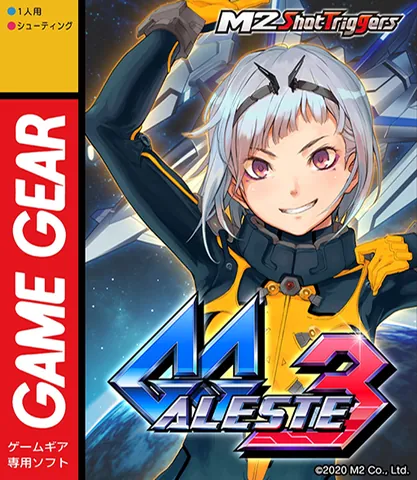
The best proof that the platform is alive is the game GG Aleste 3 by the renowned studio M2 from 2020 — a brand-new title for a long-"dead" handheld, released as part of the Aleste Collection. The Game Gear thus turned from a loser of its time into a pleasant island to explore.
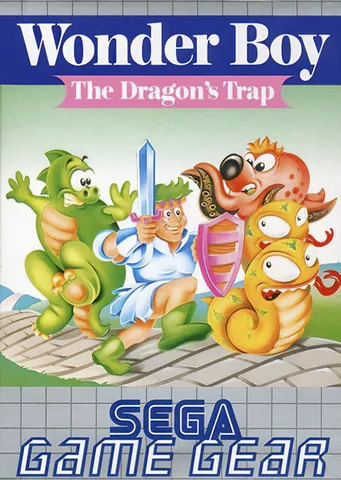
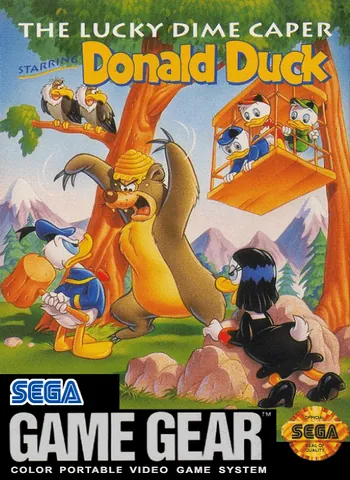
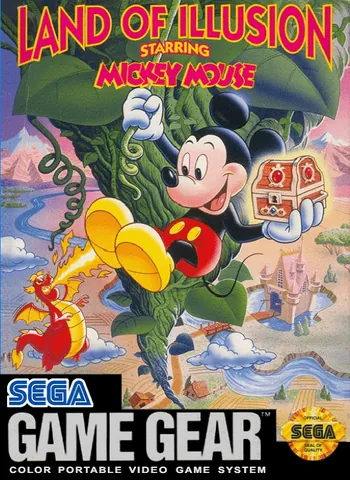
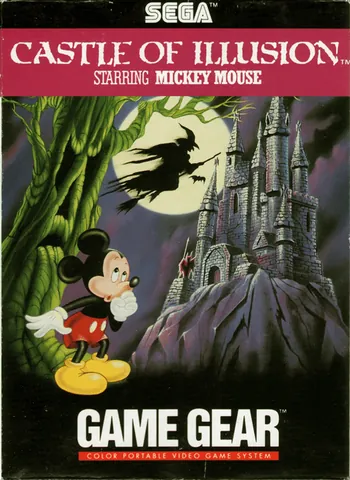
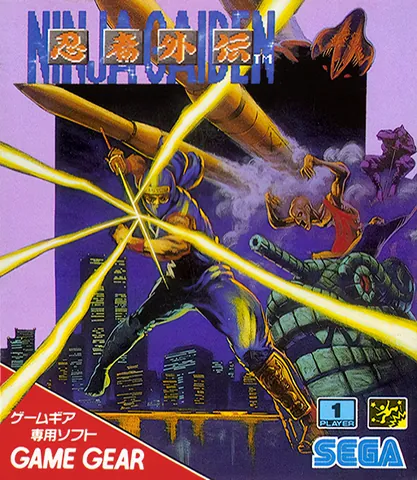
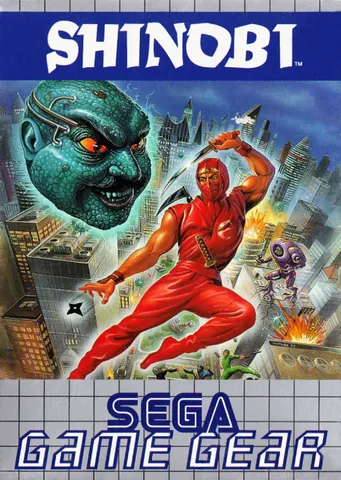
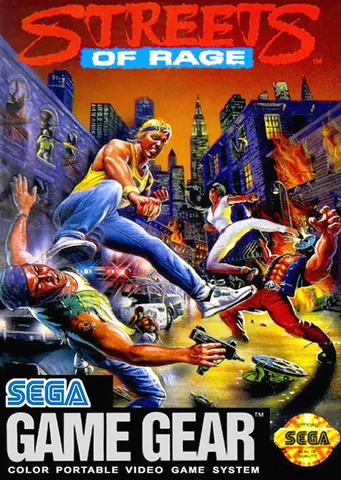
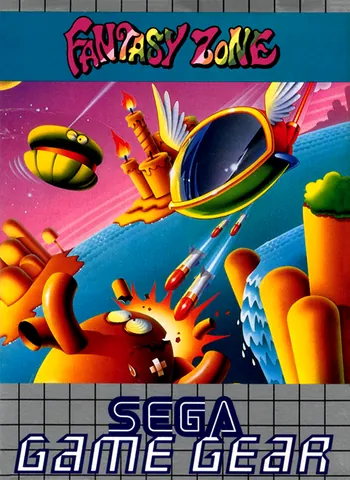
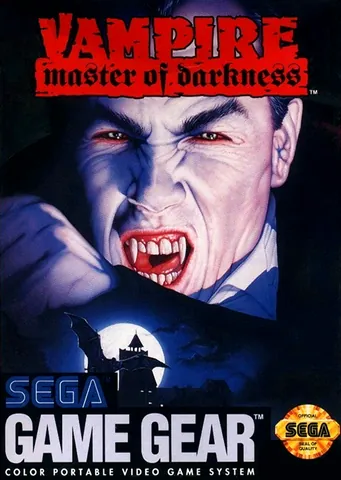
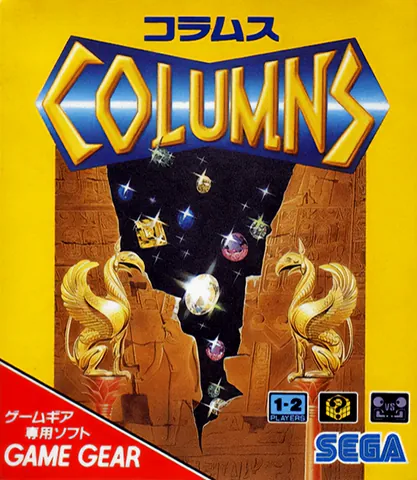
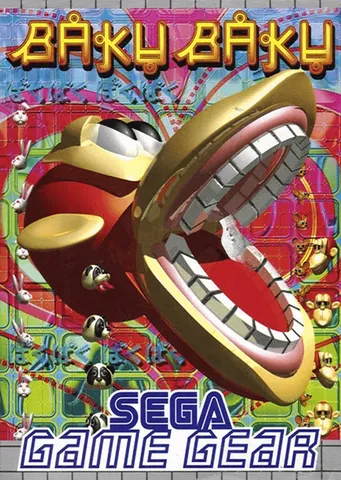
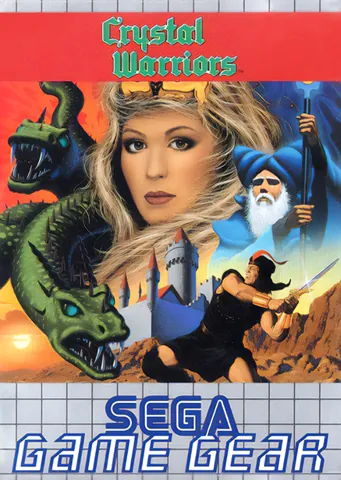
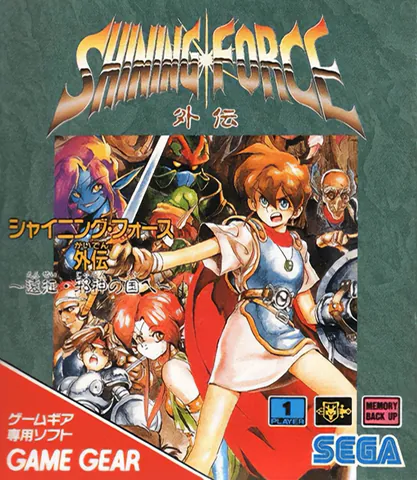
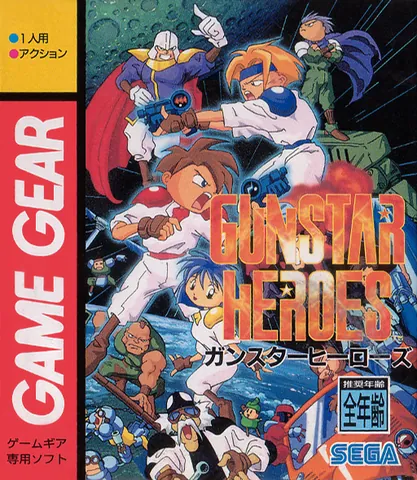
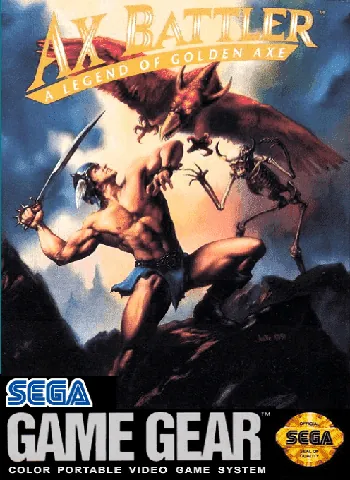
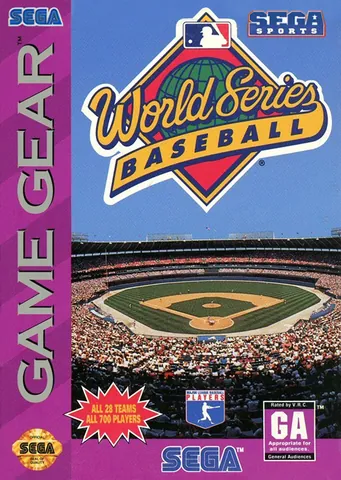
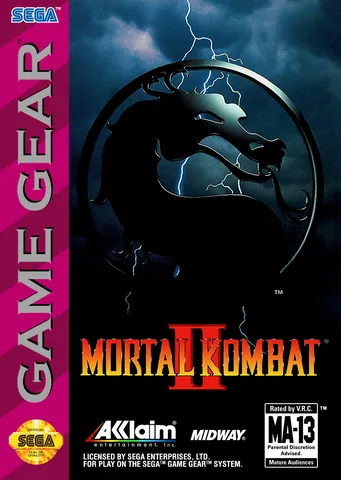
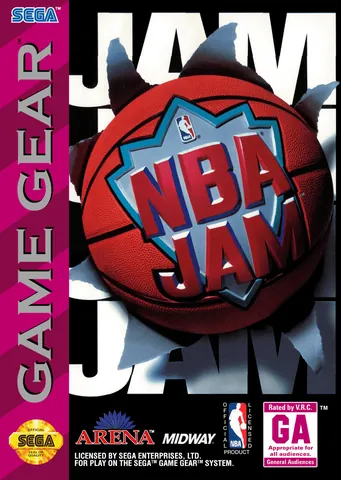
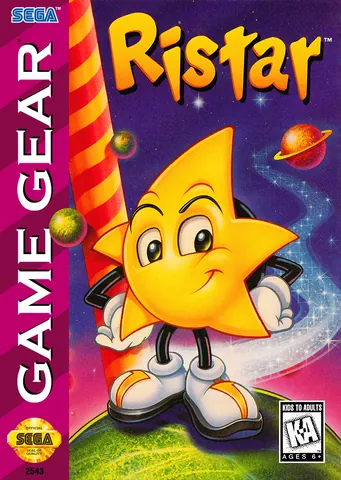
Games on this platform (39)
No game in this genre.