 Nintendo · 2001
Handhelds
Game Boy Advance
History & context
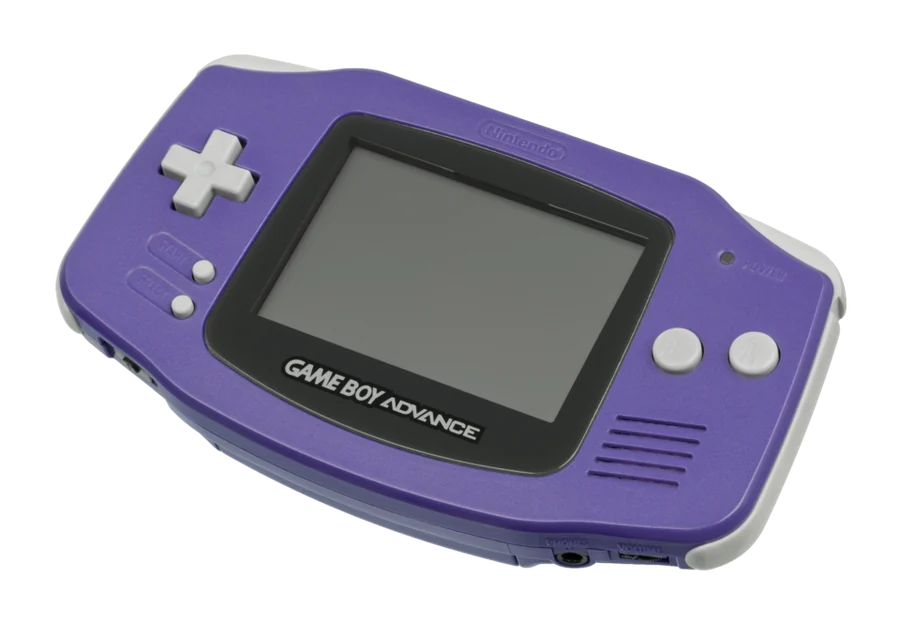
When Nintendo unleashed the Game Boy Advance onto the world in 2001, it didn't just take another step in its handheld dynasty — it leapt across an entire generation. Where the Game Boy and Game Boy Color had built on an eight-bit heart from the late 1980s, the GBA delivered performance that in practice bordered on the level of the home Super Nintendo. Suddenly it was possible to carry games in your pocket that had once required a television and a big console sitting beneath it: ports of SNES classics, sprawling Japanese RPGs, full-fledged metroidvanias with dozens of hours of content. It sold over 80 million units, and the GBA library remains to this day among the finest that handheld gaming has ever offered.
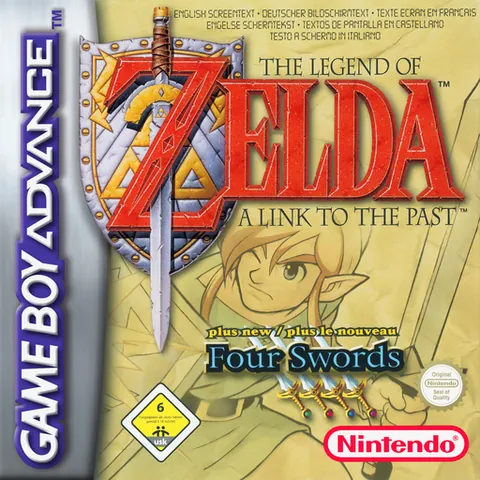
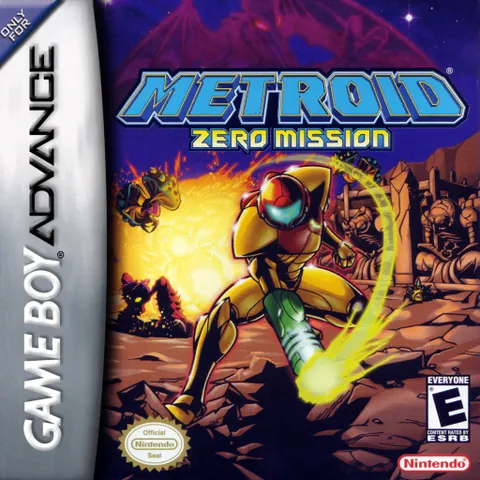
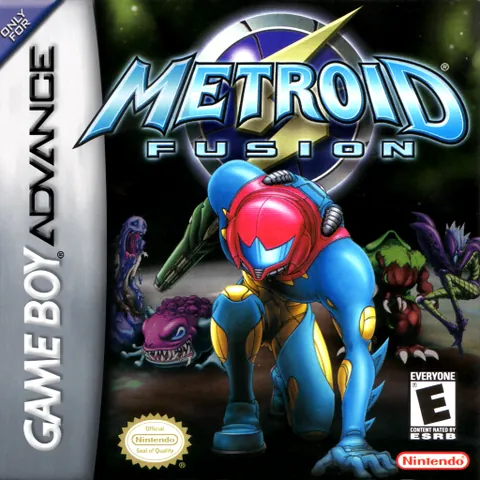
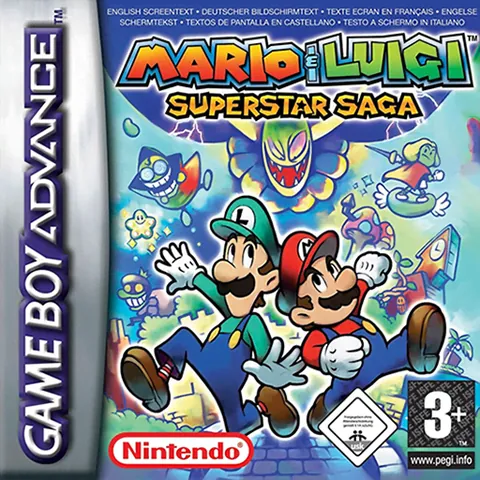
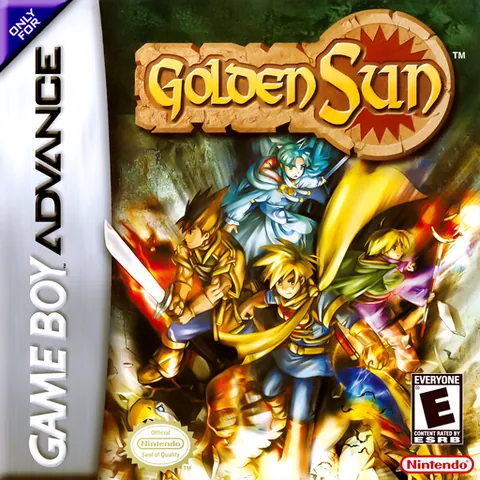
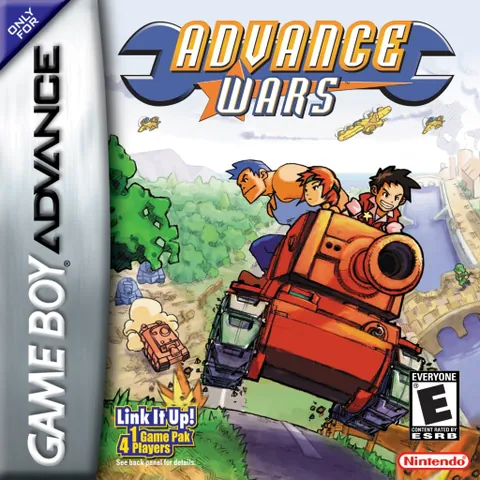
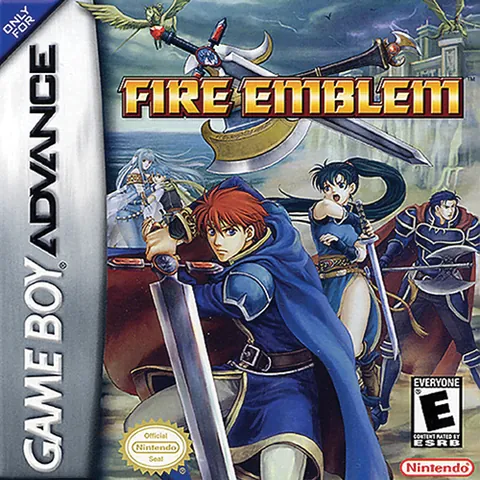
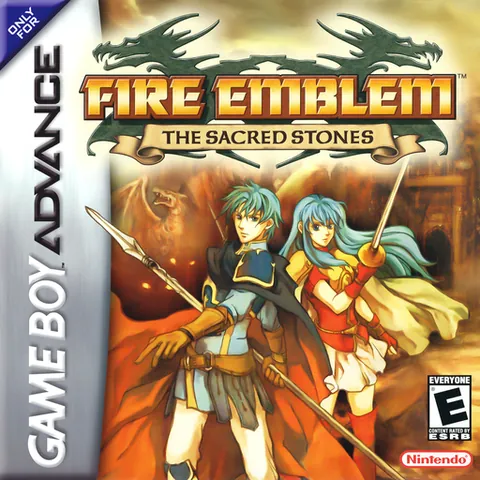
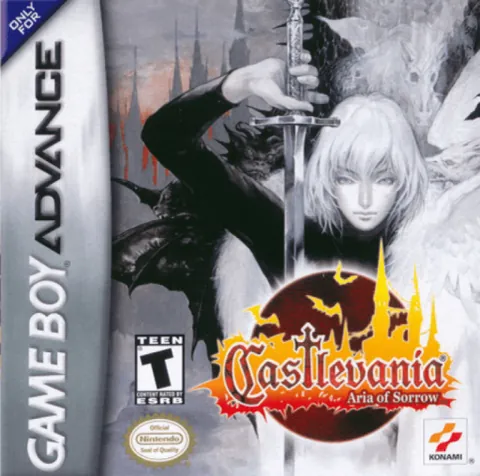
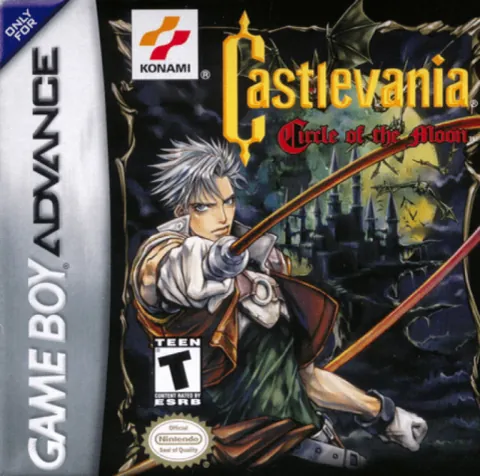
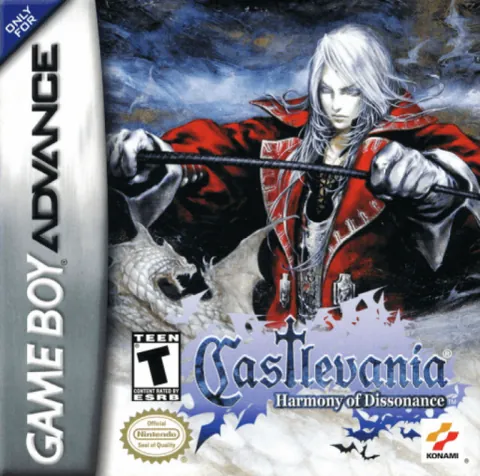
An important trump card was also its backward compatibility: the GBA's wide slot accepted both Game Boy and Game Boy Color cartridges, so the console functioned as one big pocket Nintendo arcade reaching all the way back to 1989. Alongside that it hosted its own gems — the trio of Castlevania titles (with Aria of Sorrow as the peak), Metroid Zero Mission and Fusion, Golden Sun, Advance Wars, the Mario & Luigi series, and Fire Emblem, which thanks to the GBA reached the West for the first time.
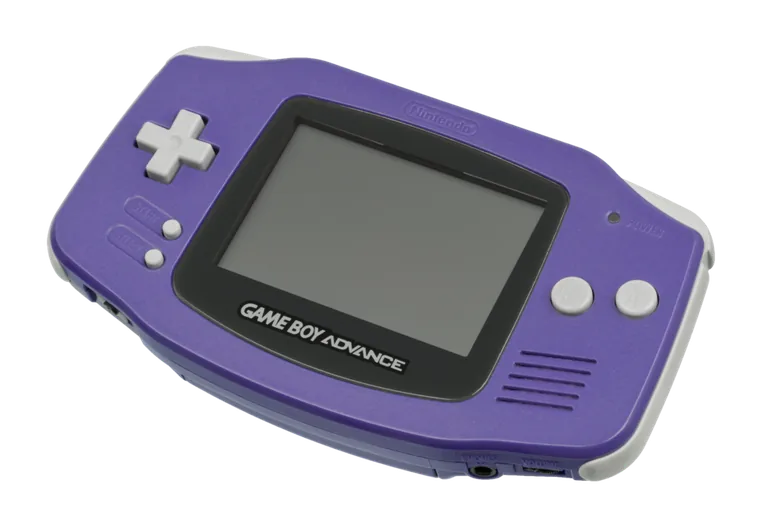
At the heart of the console was a 32-bit ARM7TDMI processor clocked at roughly 16.8 MHz, supplemented by an older Z80 core (Sharp LR35902) for backward compatibility with old games. The display had a resolution of 240 × 160 pixels and could show up to 32,768 colors from a palette of over 32 thousand shades. Compared to the gray Game Boy, that was a chasm of difference.
The graphics hardware offered several modes. In tile-based modes it handled up to four background layers with independent scrolling and typically 128 sprites. Its true pride, however, was the so-called Mode 7 style — affine transformations, meaning rotation and scaling of backgrounds and sprites directly in hardware. This gave rise to pseudo-3D effects, rotating maps, and zooms that were impossible at a purely software level. For 2D graphics it was an exceptionally capable machine.
The sound was hybrid. The GBA inherited four classic channels from the original Game Boy (two pulse, one wave, and one noise), which it supplemented with two new 8-bit PCM (DMA) channels for playing back digital samples. Music and digitized sounds could thus be mixed together, though the result typically had a slightly "compressed" character owing to the limited memory and sampling rate. Even so, a number of unforgettable soundtracks were created.
Connectivity and peripherals
The Game Link cable served for multiplayer gaming: up to four consoles could be connected, and in some titles a single cartridge sufficed for multiplayer mode (so-called single-pak). A link cable was also indispensable for trading and battling in Pokémon.
Nintendo also offered a Wireless Adapter, bundled mainly with Pokémon FireRed/LeafGreen. An interesting bridge was the GBA–GameCube link cable, which connected the handheld to the home console — the GBA then served as a second screen or controller (famously with Final Fantasy Crystal Chronicles or The Wind Waker). A hardware real-time clock (RTC) in some cartridges, for example in Pokémon Ruby/Sapphire, enabled an in-game day-and-night cycle.
The original GBA had no backlit display, and a whole range of accessories like the Worm Light served to properly illuminate it. The joke that the most important peripheral is a little lamp had a real basis.
The very first model (AGB-001, 2001) suffered from a notoriously known flaw: an unlit display. You could only play in good light. Nintendo fixed this with the Game Boy Advance SP model (AGS-001, 2003) with a folding design and front lighting (frontlight); the later AGS-101 revision received a markedly better backlit display, today the most sought-after among collectors.
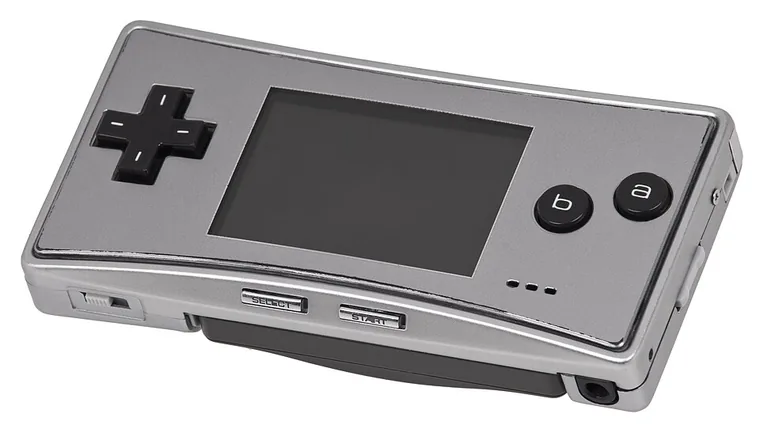
The last piece in the family was the tiny Game Boy Micro (2005) with a beautiful backlit display, but at the cost of losing backward compatibility with old GB/GBC games and a smaller screen. For today's player on a retro console, incidentally, the absence of a backlight on the original is more of an advantage — modern displays show GBA games far better than the first model ever could.
The scene today
The GBA is today one of the most rewarding emulated platforms. The excellent open-source emulator mGBA runs accurately and undemandingly on practically everything — from PC through RetroArch to cheap Chinese handhelds with H700-series chips, where the games run absolutely smoothly. For enthusiasts there are also hardware FPGA solutions.
The homebrew and indie scene is also alive: new titles like Goodboy Galaxy are being created, and even released on real cartridges for the original hardware. Thanks to the combination of JRPG depth, quality action, and games built for playing in bite-sized pieces, the Game Boy Advance remains for retro gamers a literal gold mine — and the prices of original games and consoles are now rising noticeably.
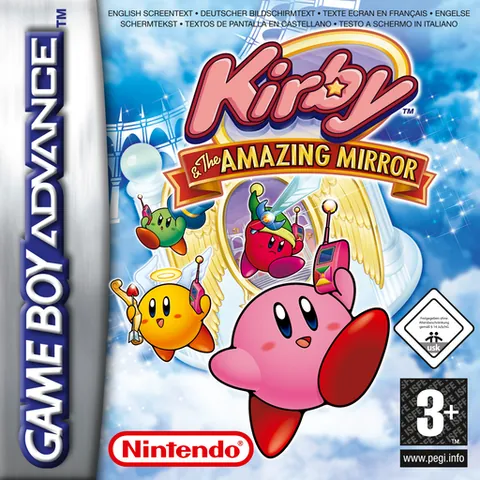
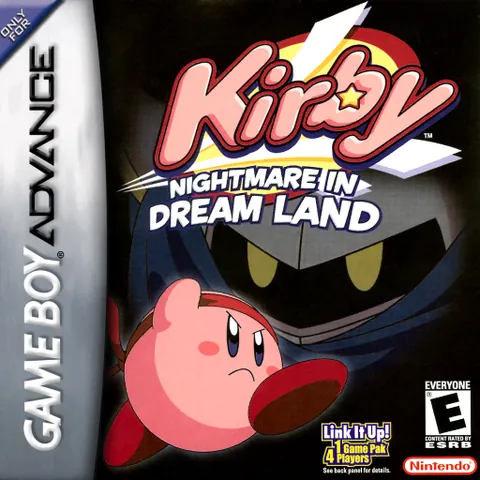
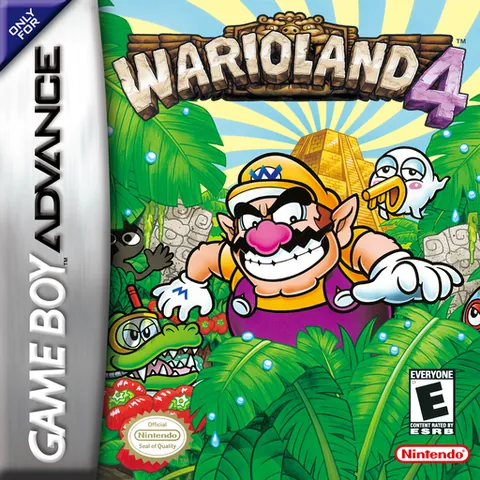
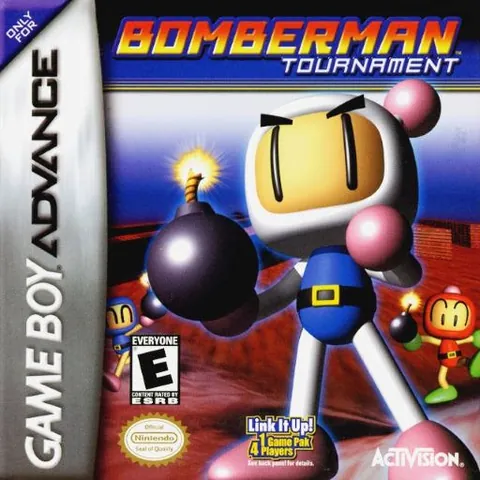
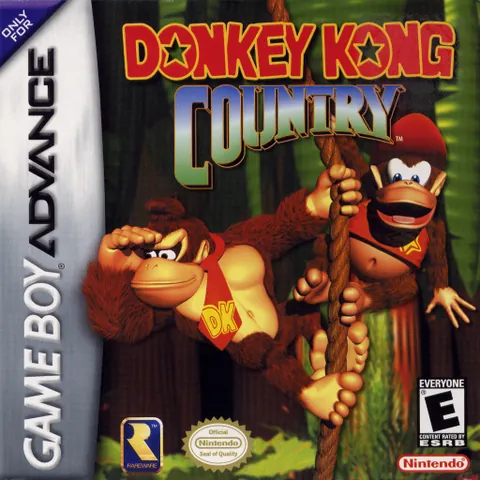
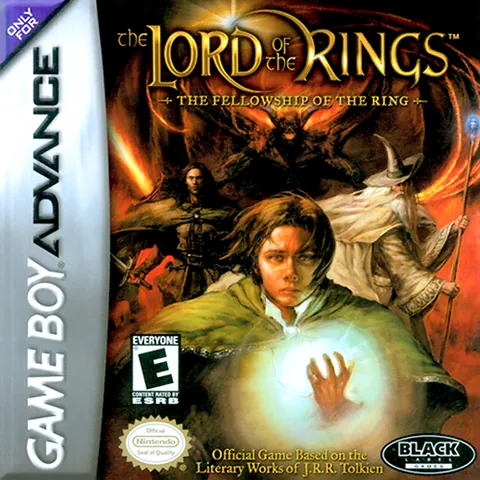
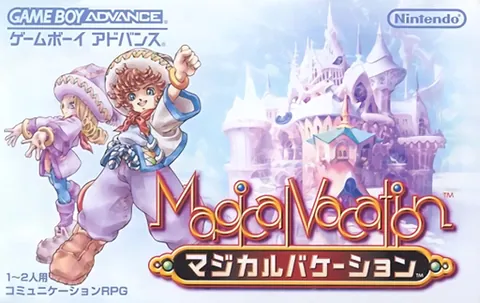
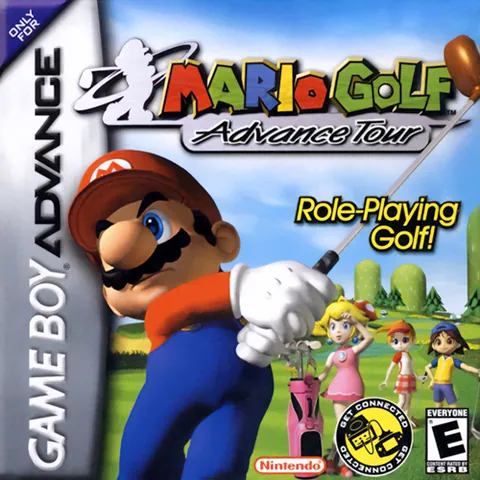
Games on this platform (170)
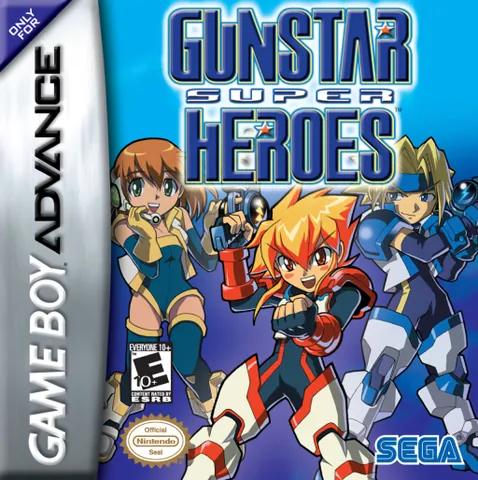
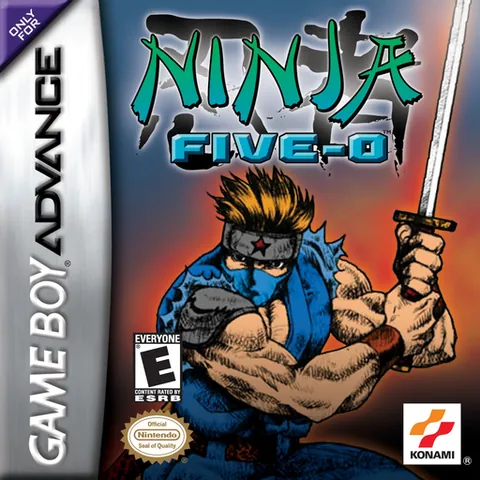
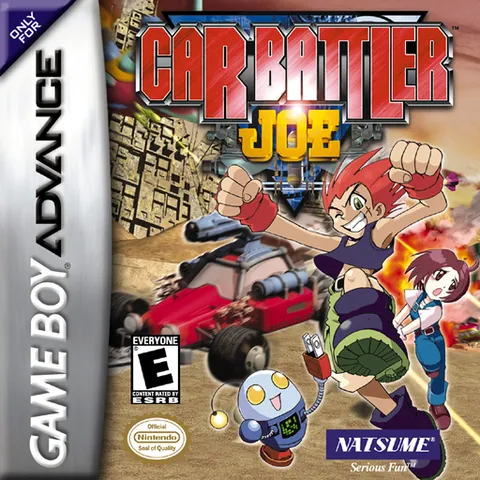
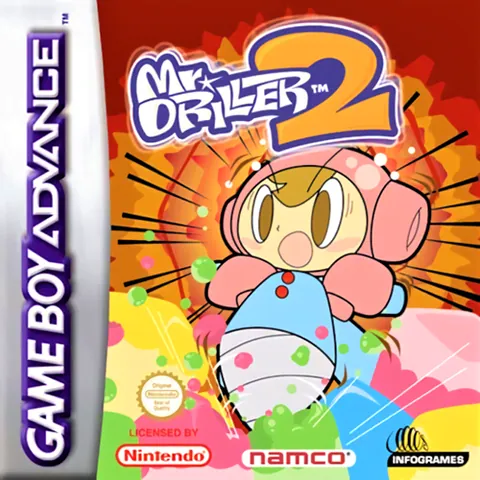

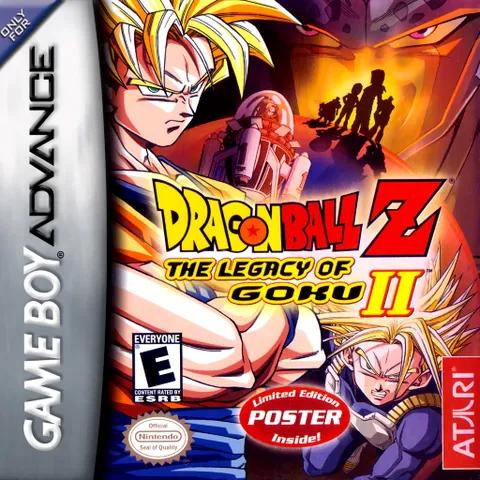
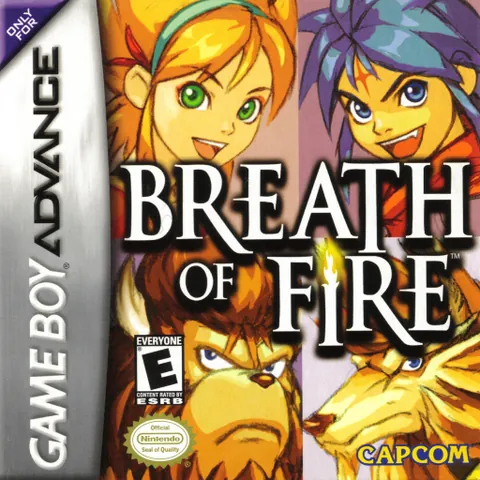
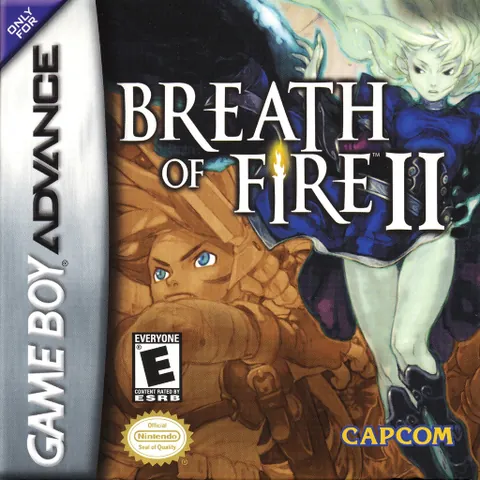
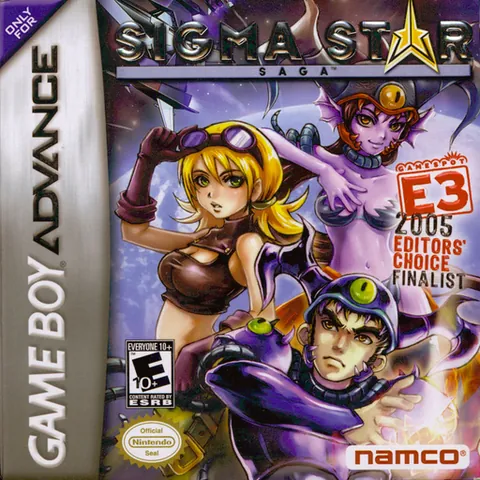
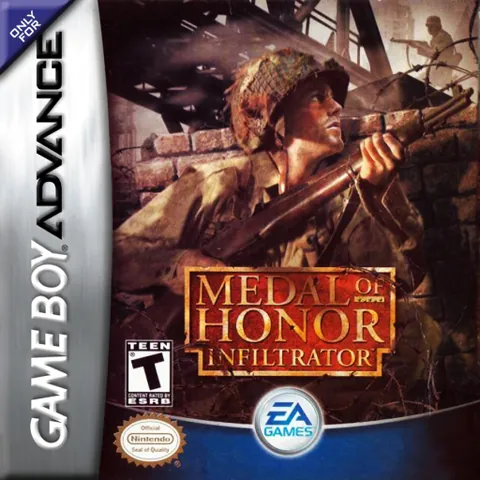
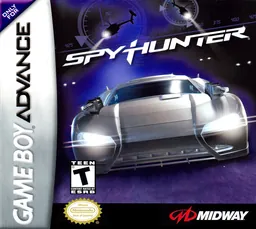
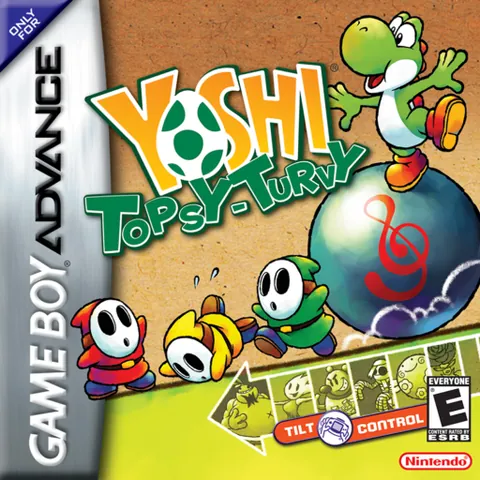
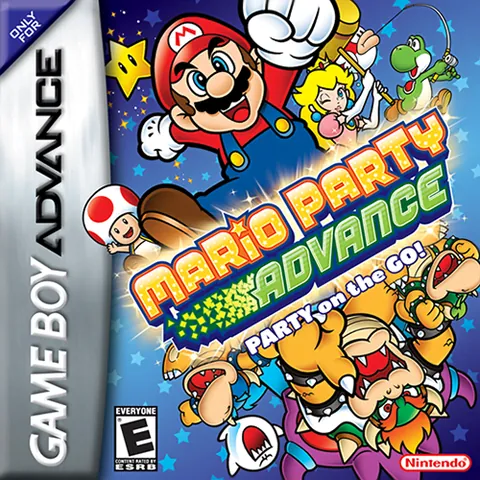
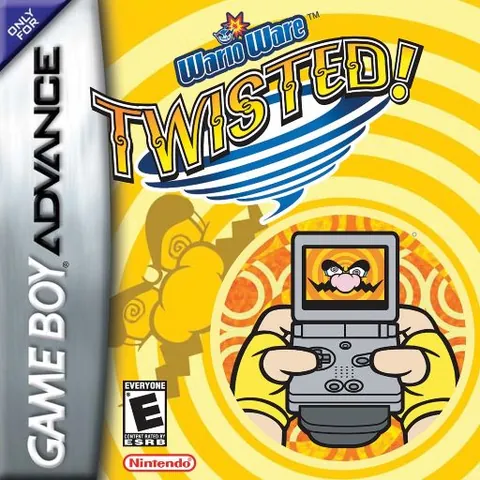
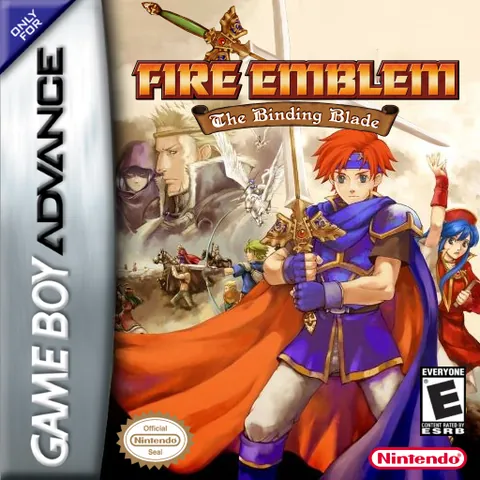
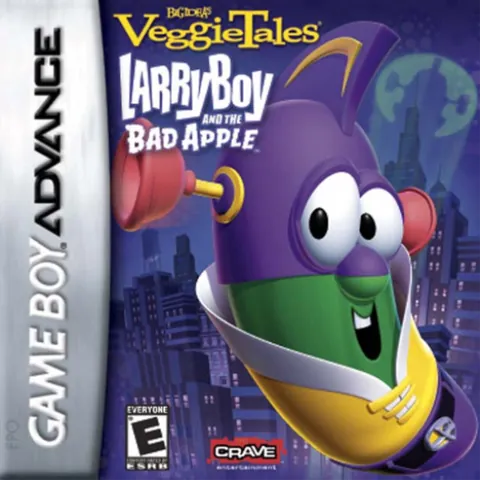
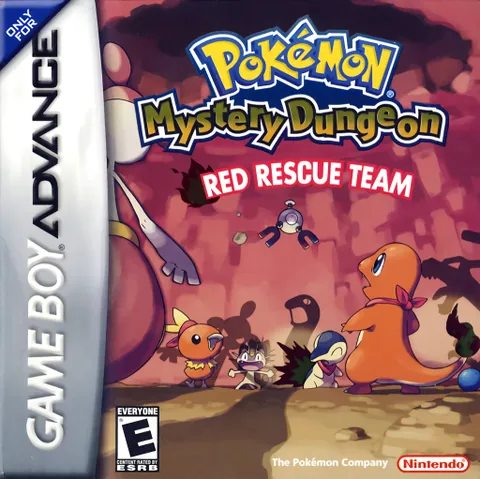
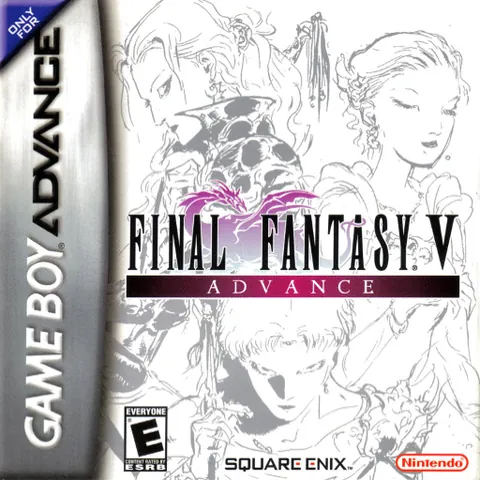

No game in this genre.