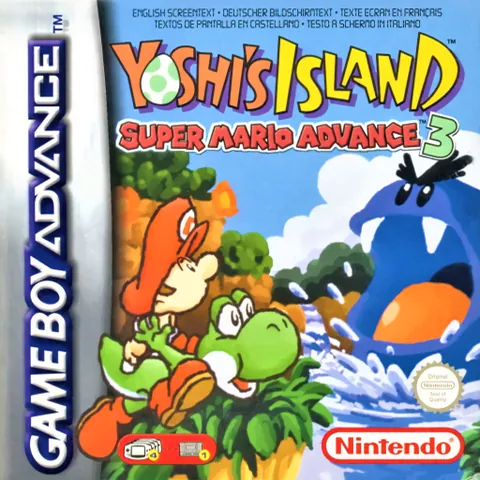
Yoshi's Island: Super Mario Advance 3
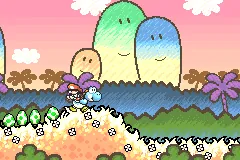
Yoshi's Island: Super Mario Advance 3 brought to the Game Boy Advance one of the most acclaimed platformers on the Super Nintendo, Super Mario World 2: Yoshi's Island from 1995, doing so as part of the Super Mario Advance line of ports through which Nintendo was reviving its 16-bit classics on the handheld at the time. The player controls Yoshi, who carries little Baby Mario on his back after the infant is snatched away by storks, and must safely bring him to the goal in each level, while losing Mario after being hit by an enemy triggers a time limit to catch him again.
The core mechanic is throwing eggs, with which Yoshi collects items and attacks enemies at range, along with a series of transformations of Baby Mario into various vehicles and shapes, such as a helicopter, a car or a ball, which open up entirely different ways of getting through a given section. The level design is renowned for its inventiveness, with carefully crafted puzzles and hidden collectibles - red coins, stars and flowers - whose complete collection requires thorough exploration of every level. The distinctive watercolor and pastel art style of the original game was preserved on the GBA almost unchanged, only adapted to the smaller screen, accompanied by the playful, unmistakable music typical of the whole Yoshi series.
Even the original was considered one of the best platformers of its generation upon release, and the handheld port maintained that reputation thanks to added bonus minigames and a battle with the mini-Bowser. Today, even decades later, the game is considered a must-have title for genre fans thanks to its precisely tuned controls, the creativity of its individual levels, and its timeless visual style, which holds up even compared to modern platformers. The handheld's smaller screen paradoxically only emphasizes the care with which every background image and animation was drawn, and many players cite this very version as their first contact with the game, which is why they keep returning to it even decades later.
Why play it: For platformer lovers, it's a must-have piece with precise controls, a timeless visual style, and bonus minigames on top of the SNES original.
Game 85 of 170 for Game Boy Advance
From the same series Mario →
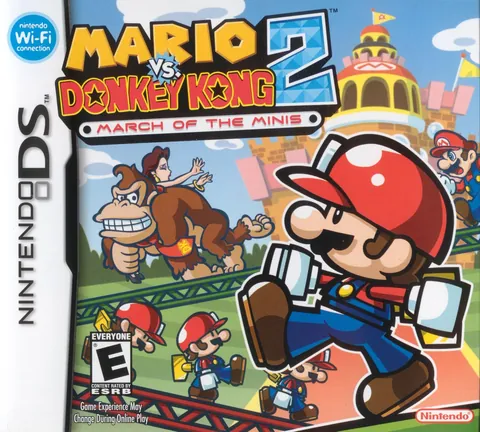 Mario vs. Donkey Kong 2: March of the Minis DS
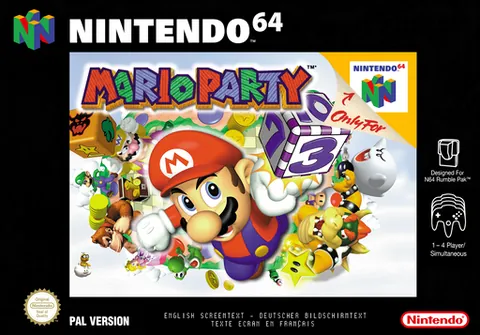 Mario Party 1–3 N64
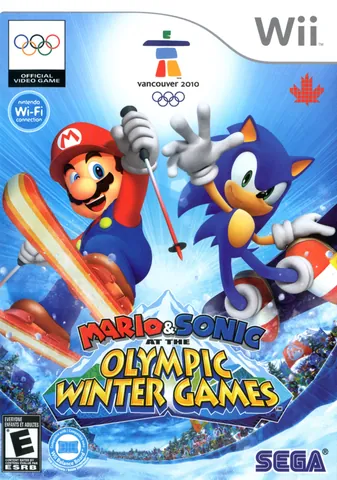 Mario & Sonic at the Olympic Winter Games Wii · DS
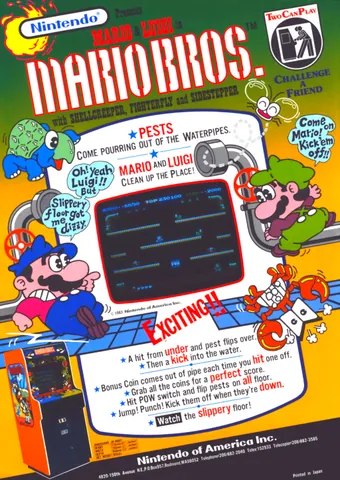 Mario Bros. MAME · 2600 · G&W · 1983
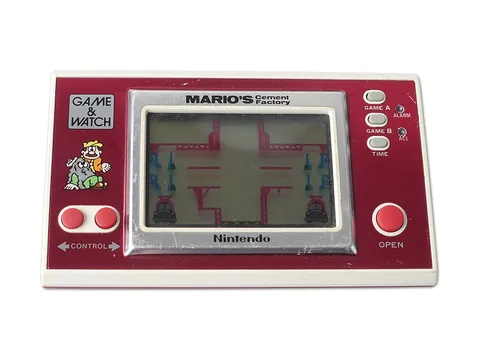 Mario's Cement Factory G&W · 1983
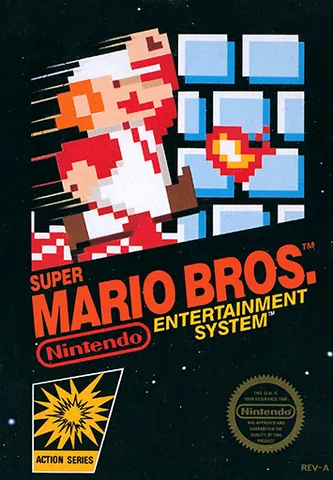 Super Mario Bros. NES · 1985
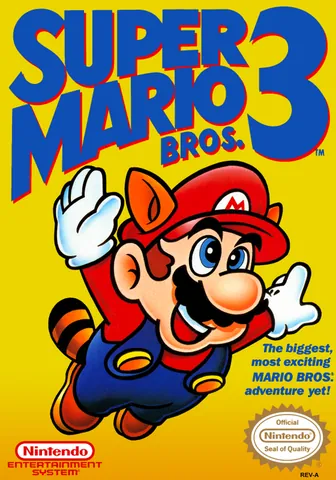 Super Mario Bros. 3 NES · 1988 (JP) / 1990 (US)
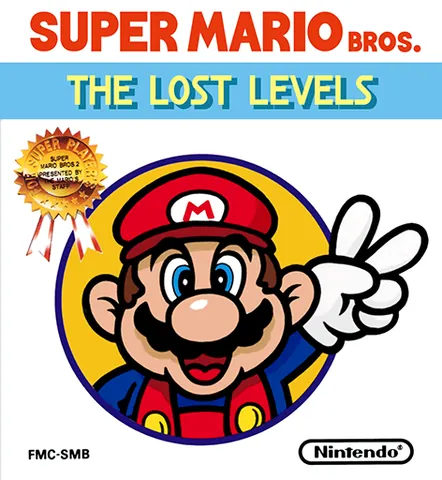 Super Mario Bros. 2 NES · 1988
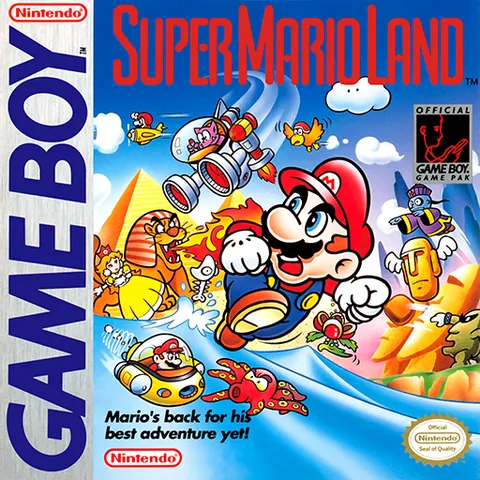 Super Mario Land GB · 1989
 Dr. Mario GB · NES · 1990
 Super Mario World SNES · 1990 (JP) / 1991 (US)
 Super Mario Land 2: 6 Golden Coins GB · 1992