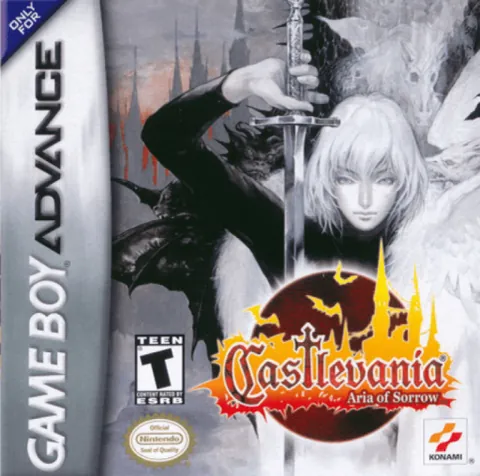
Castlevania: Aria of Sorrow
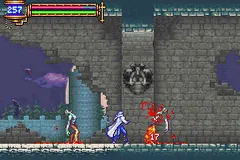
The year is 2035, and Soma Cruz, an ordinary high-schooler, finds himself trapped in a castle captured within a solar eclipse. So begins Aria of Sorrow — for many players the finest metroidvania Konami ever released, and the crown jewel of the entire Castlevania era on the Game Boy Advance.
At the heart of the game is the brilliant Tactical Soul system. When you defeat an enemy, you have a chance to seize its "soul" — and there are over a hundred of them. Each grants you some ability: a passive bonus, a summoned helper, or an active attack. Instead of a rigid inventory, you thus build your own arsenal exactly to suit the play style that fits you. Collecting souls is addictive in its own right and at the same time gives combat meaning even in moments when you already know the castle by heart.
Unlike the previous GBA installments, everything here clicks into place. The controls are brisk and precise, the level design guides you through the castle with the elegant logic of a metroidvania — new abilities open up previously inaccessible corners and you keep returning with the feeling that you're growing. The music was composed by Michiru Yamane, the series' resident composer, and her gothic melodies lend the atmosphere exactly the right heft.
The plot moreover offers a twist that cleverly plays with the mythology of the whole saga and with the figure of Soma himself. Aria of Sorrow doesn't hide behind the Belmont name and builds its own story, which fans grew so fond of that it received a direct sequel, Dawn of Sorrow, on the Nintendo DS — a rarity in the otherwise fragmented Castlevania chronicle.
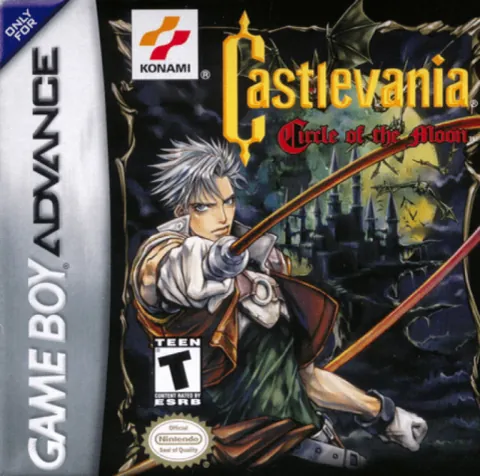
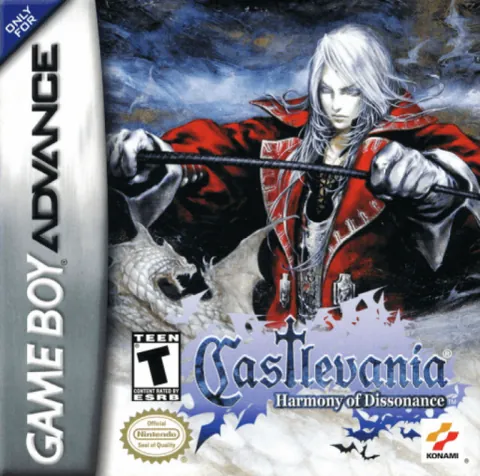
Together with Circle of the Moon and Harmony of Dissonance, Aria of Sorrow forms the holy GBA trinity, but even in this company it clearly stands out. It's a title that showed a handheld console could handle a full-fledged, deep and beautiful action-adventure experience without compromises.
Why play it: A supreme metroidvania with an addictive soul-collecting system, superb combat and atmospheric music — one of the best titles of the entire GBA era.
Game 14 of 170 for Game Boy Advance
From the same series Castlevania →
 Castlevania: Spectral Interlude ZX
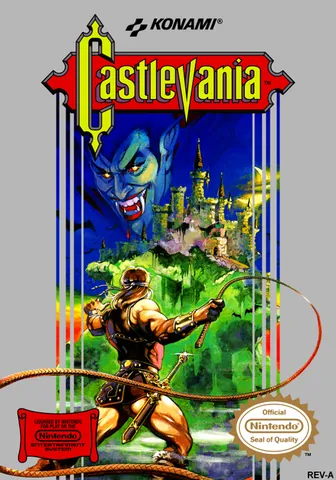 Castlevania NES · 1986 / 1989 (JP)
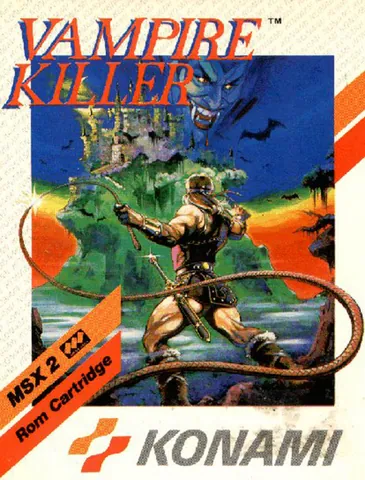 Vampire Killer (Castlevania MSX) MSX · 1986
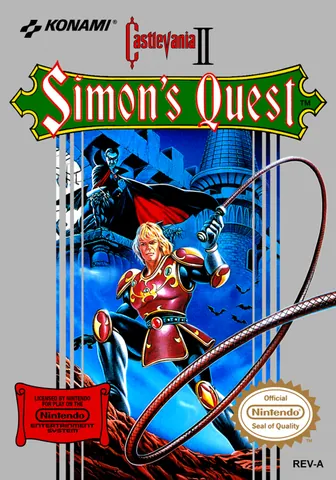 Castlevania II: Simon's Quest NES · 1987
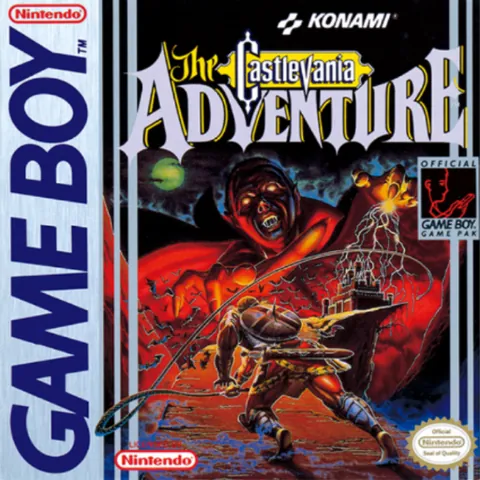 Castlevania: The Adventure GB · 1989
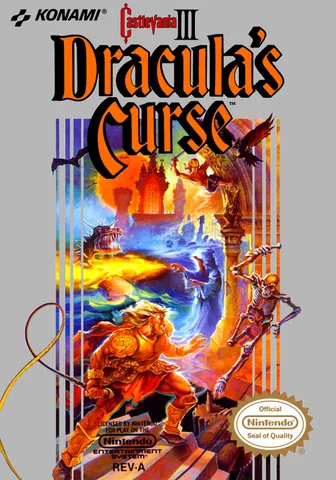 Castlevania III: Dracula's Curse NES · 1989
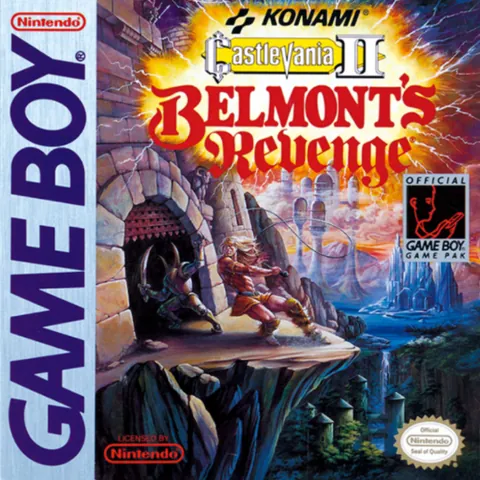 Castlevania II: Belmont's Revenge GB · 1991
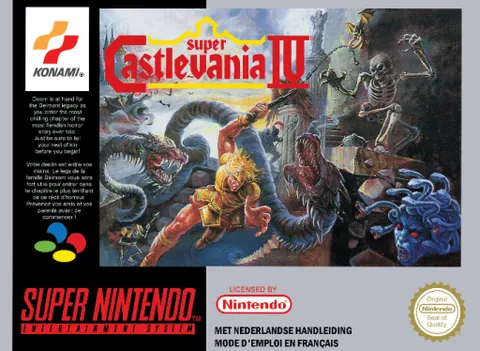 Super Castlevania IV SNES · 1991
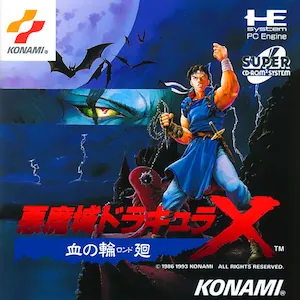 Castlevania: Rondo of Blood (CD) PCE · 1993
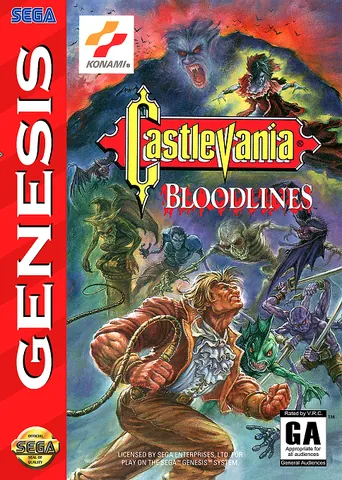 Castlevania: Bloodlines MD · 1994
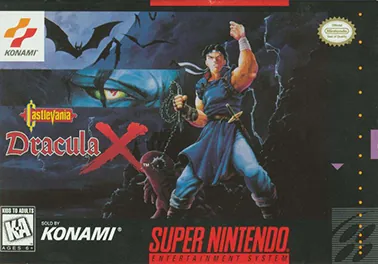 Castlevania: Dracula X SNES · 1995
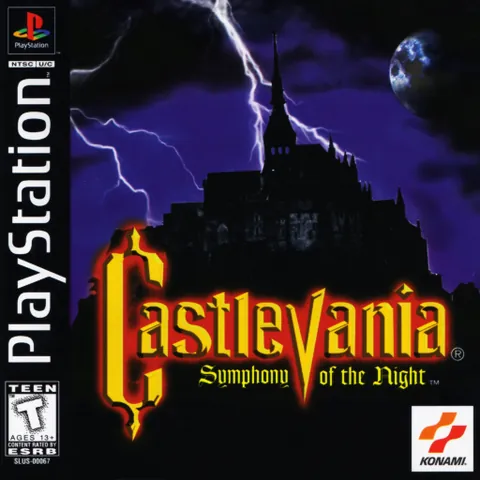 Castlevania: Symphony of the Night PS1 · Saturn · 1997