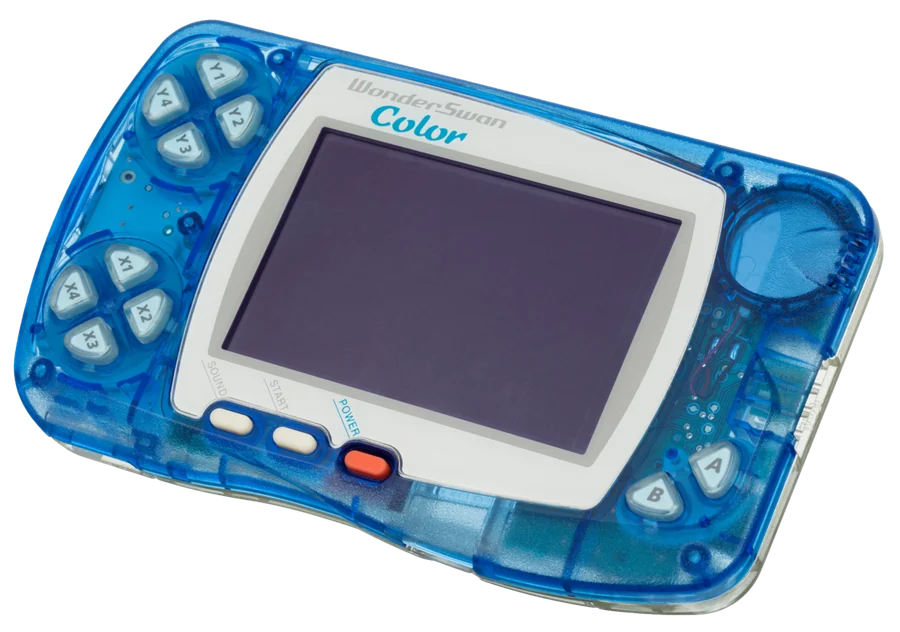
 Bandai · 1999
Handhelds
Bandai WonderSwan
History & context
When Bandai launched its handheld console WonderSwan in Japan in 1999, this was no outsider's gamble. Behind the design stood Gunpei Yokoi — the engineer who created the Game & Watch, the cross-shaped D-pad, and the Game Boy itself for Nintendo. Yokoi had left Nintendo in the mid-1990s, founded his own studio Koto Laboratory, and teamed up with Bandai to build a machine meant to beat the Game Boy at its own game. He didn't live to see it finished: he died in a traffic accident in 1997, two years before the device launched. WonderSwan is thus his last piece of handheld hardware, and his fingerprints are visible in its design at first glance.
That philosophy can be summed up as "mature technology in a clever shell." The console doesn't chase spectacle — it chases endurance and low cost. It runs on a single AA battery and lasts dozens of hours on it — at a time when rival color handhelds chewed through two to six batteries in an afternoon, this was an argument that kept surfacing again and again in Japanese reviews. Its second peculiarity is the controls: WonderSwan has two sets of buttons and can be held horizontally like a normal game console or vertically like a book. The vertical mode was mainly used by puzzle games and text-heavy Japanese RPGs.
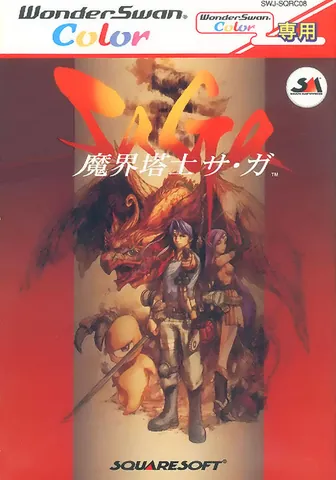
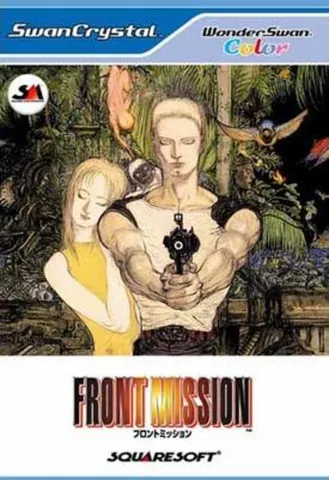
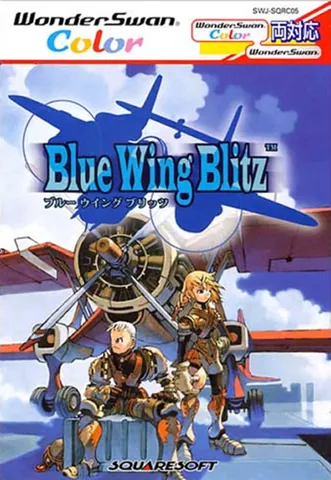
WonderSwan never officially reached the West. It remained a Japan-only exclusive, which paradoxically gave it the aura of a collector's rarity. In its home market, though, it managed to bite off a noticeable share of the Game Boy's market for a while, mostly thanks to its alliance with Square, which wasn't on good terms with Nintendo at the time and sent Bandai's console remakes of its classics. The end came with the arrival of the Game Boy Advance in 2001; Bandai wound down support over the following few years.
Technology: graphics and sound
At the console's heart is a sixteen-bit NEC V30 MZ processor, a relative of the Intel 8086 family, clocked at around 3 MHz. Compared to the eight-bit Sharp chip in the Game Boy, this was a more modern architecture with smoother scrolling and easier handling of larger amounts of data. The display has a resolution of 224 × 144 pixels — noticeably wider than the Game Boy's — and in the original version shows eight shades of gray on a monochrome FSTN panel.
Color arrived only with the WonderSwan Color model, which works with a palette of 4096 colors and can display several hundred on screen at once; it also got four times the working memory, so color games could be more elaborate. Sound is handled by four channels built on programmable wavetables, one of which can also handle noise and a simple voice sample. The built-in speaker is mono; stereo could be obtained through headphones, but only via a special adapter — the console has no standard headphone jack, probably the most frequently mentioned cost-cutting measure on the whole device.
Connectivity and peripherals
Two WonderSwans could be linked with a link cable to play in tandem or exchange data. But Bandai also tried things ahead of their time: the WonderWave adapter added wireless infrared transfer, and MobileWonderGate connected it to a Japanese mobile phone, opening the door to the mobile data services of the era. A special chapter belongs to WonderBorg, a robotic beetle that the player programmed directly on the console and controlled via infrared commands.
But the most interesting accessory is WonderWitch — an official development kit that let anyone write their own games in C and load them onto a special cartridge. For a console from 1999, this was a remarkably open move, and Japan's amateur scene took to it eagerly.
Models and revisions
The family has three members. The original WonderSwan (1999) is monochrome and the most power-efficient. WonderSwan Color (2000) added color and memory, grew slightly larger, and remained backward-compatible with older games. The last one, SwanCrystal (2002), is technically almost identical to the color model but swapped the display for a TFT panel with significantly better contrast and faster response time — the motion blur that plagued the color version disappears. For today's collector, SwanCrystal is clearly the most pleasant choice, though it tends to be pricier.
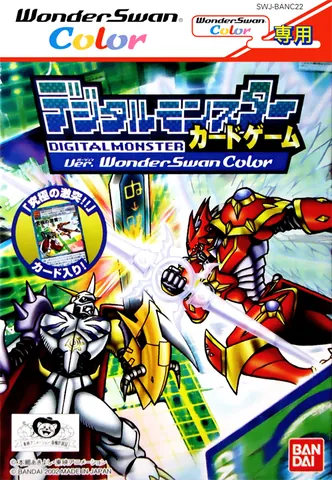
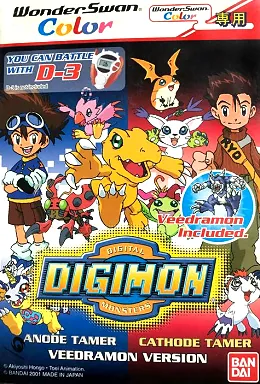
All models had colorful case variants and themed editions tied to licenses Bandai itself owned — Gundam and Digimon are right at home here.
Clones and variants
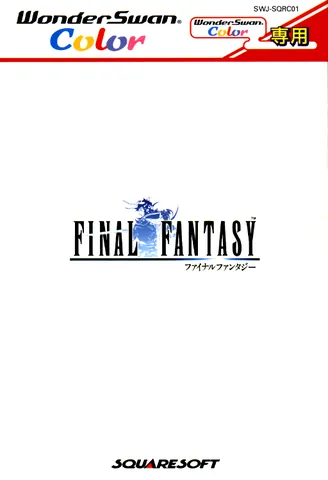
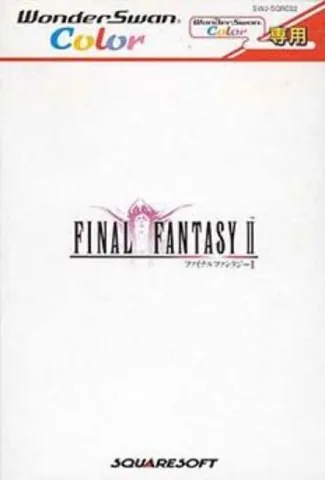
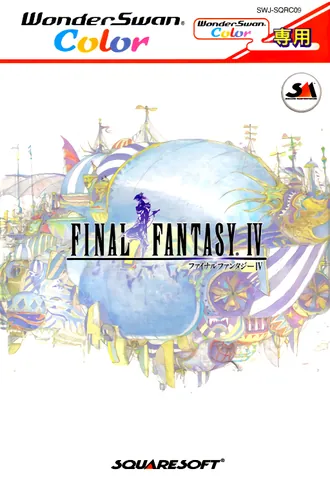
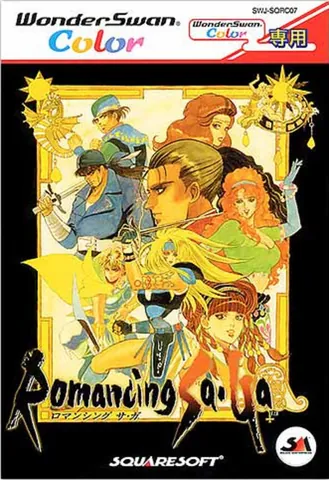
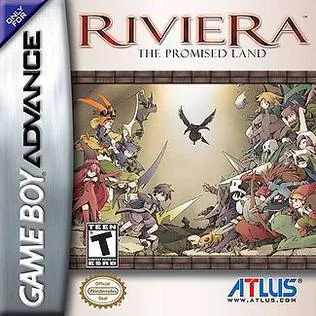
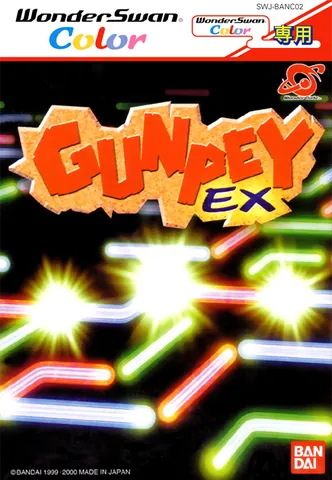
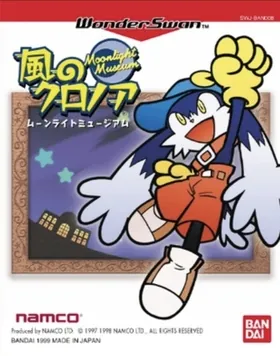
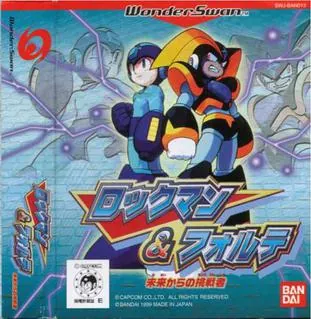
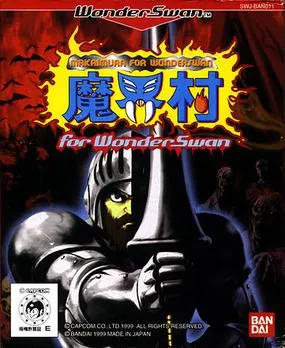
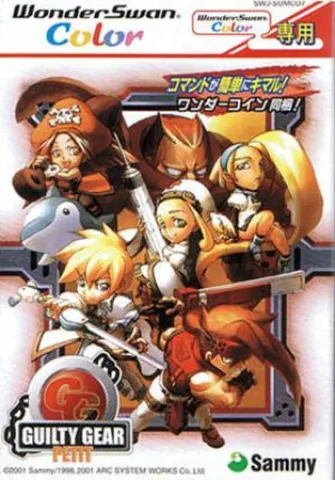
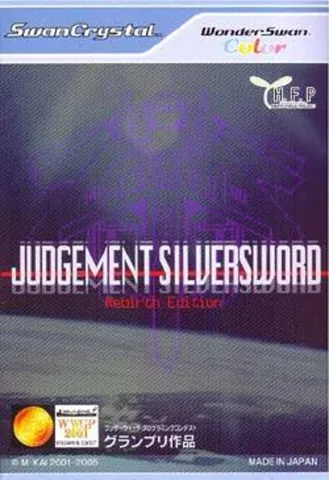
WonderSwan practically never saw hardware clones; it was too regional and too short-lived for that. But the library itself is full of variations on familiar names: alongside Final Fantasy, Final Fantasy II, and Final Fantasy IV remakes from Square, there's a handheld Makaimura from the Ghosts'n Goblins series, Rockman & Forte, Klonoa: Moonlight Museum, Guilty Gear Petit, and the RPG Riviera from Sting. There's also the puzzle game Gunpey, named after Yokoi himself, and Judgement Silversword — a shooter that grew out of an amateur competition and became a cult classic.
The console never reached Czech lands during its active years at all. Anyone who owns one today either brought it back from Japan or ordered it through overseas auctions; a complete boxed unit is still fairly available, since Japanese players tend to preserve their hardware carefully.
Today's scene
Emulating the WonderSwan today is trouble-free. The most widespread option is the Beetle Cygne core in RetroArch, which covers both the monochrome and color models and runs on practically anything — from PCs through Raspberry Pi to cheap Chinese handhelds. Batocera and other emulation distributions include WonderSwan by default and offer switching to vertical mode, which is essential for this platform: without rotating the screen, half the library is unplayable.
The main obstacle is language. Practically the entire library exists only in Japanese, so part of the community plays with fan translations, of which a decent number exist for the major RPGs and adventure games. Legal routes to the games are few but not zero — several of the best titles later got ports and remakes on other platforms, whether the Final Fantasy remakes on Game Boy Advance, Riviera on modern consoles, or Judgement Silversword released as part of collector's compilations by Qute. Anyone wanting the experience in its original form reaches for a SwanCrystal and a modern flash cartridge.
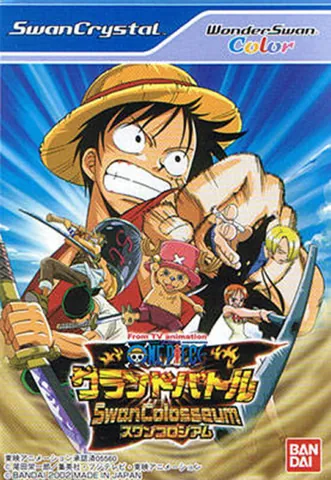
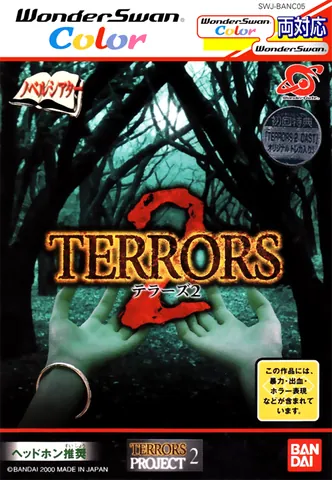
Games on this platform (27)
No game in this genre.