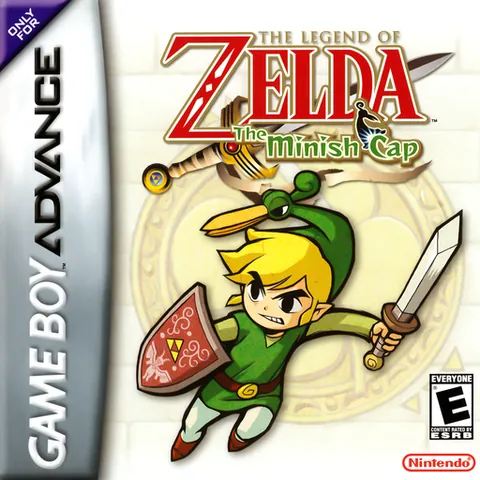
The Legend of Zelda: The Minish Cap
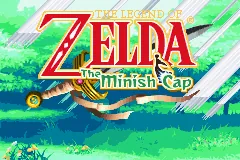
What if the hero of the greatest fantasy saga shrank to the size of a coin and a puddle turned into a lake? That is exactly what The Legend of Zelda: The Minish Cap offers, one of the prettiest two-dimensional entries in the whole series and, at the same time, the last Zelda from the workshop of Capcom and the Flagship studio. After the pair of titles Oracle of Ages and Oracle of Seasons, these skilled outside developers were handed a supremely enticing task – and they rose to it with grace.
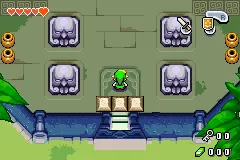
At the heart of the game is the shrinking mechanic. A talking cap named Ezlo lets Link shrink to the size of a coin and enter the world of the tiny beings called Minish, where every table is a mountain and every puddle a lake. This change of scale is not just a visual trick – it is the backbone of clever puzzles in which the player must think about a single location in two different sizes at once. Hunting for gaps you can only fit through while shrunk, and linking the two worlds together, is immensely satisfying.
Visually it is one of the peaks of handheld graphics of its time. The detailed, artistically rich pixel art on the Game Boy Advance bursts with color and charm, and every location is full of small touches that reward an attentive eye. What is more, the game introduced Vaati into the series' mythology – a villain who later became a recurring character – and it sets the Four Sword within a broader story context.
Minish Cap came out in 2004 and to this day counts as one of the most endearing and design-honed 2D Zelda entries. It combines the classic Zelda virtues – exploration, dungeons, the gradual unlocking of abilities – with an original central mechanic that sets the game apart from the others and gives it an unmistakable identity.
For newcomers it is a great and welcoming entry point into the world of Hyrule; for veterans, proof that even in the shadow of the great three-dimensional entries a 2D Zelda could shine. It is a game full of wit, ideas and craftsmanship in every pixel.
Why play it: For its original shrinking mechanic, gorgeous pixel art and clever puzzles – one of the most accomplished 2D Zelda entries and a great way into the series.
Game 1 of 170 for Game Boy Advance
From the same series The Legend of Zelda →
 The Legend of Zelda: Ocarina of Time - Master Quest GCN
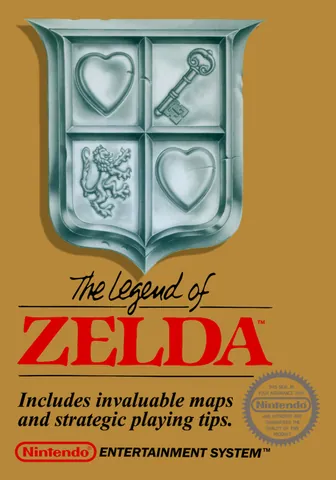 The Legend of Zelda NES · 1986 (JP) / 1987 (US)
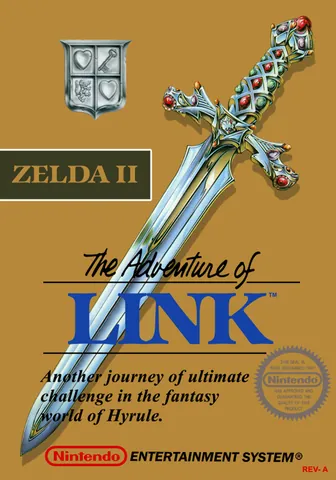 Zelda II: The Adventure of Link NES · 1987 (JP) / 1988 (US)
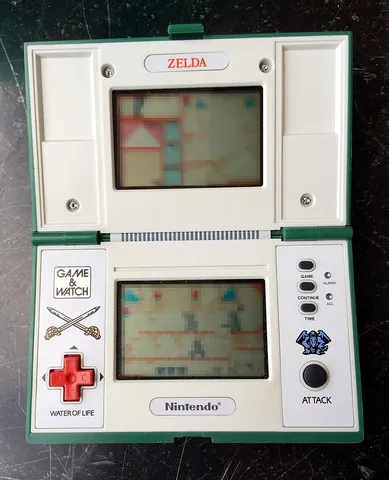 Zelda (G&W) G&W · 1989
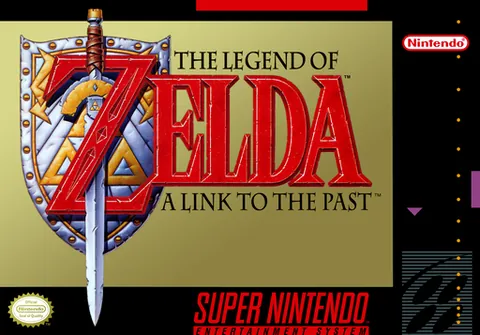 The Legend of Zelda: A Link to the Past SNES · 1991 (JP) / 1992 (US)
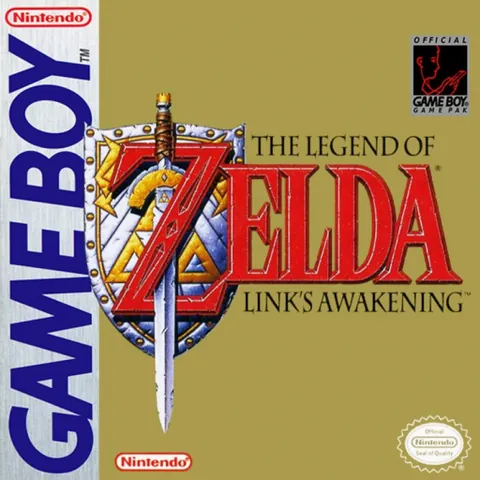 The Legend of Zelda: Link's Awakening (DX) GB · Switch · 1993 (DX 1998)
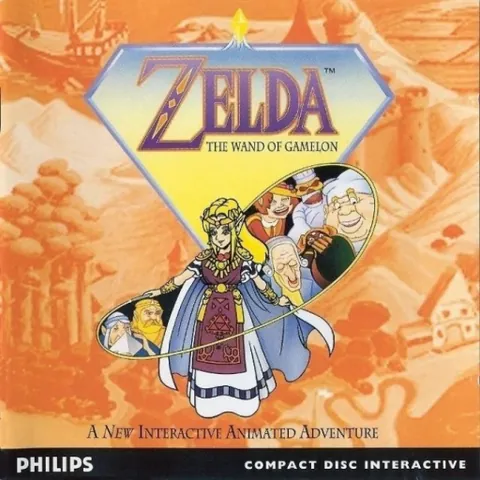 Zelda: The Wand of Gamelon CD-i · 1993
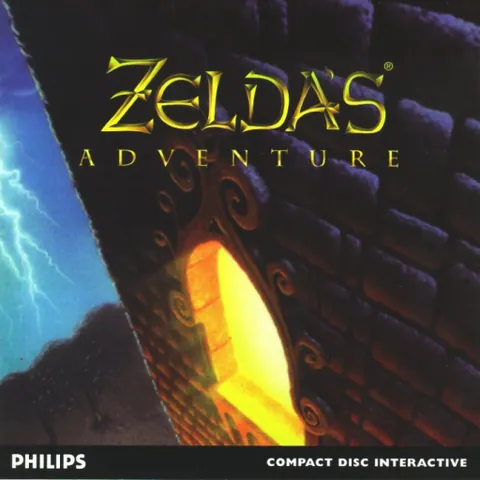 Zelda's Adventure CD-i · 1994
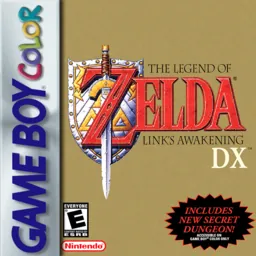 The Legend of Zelda: Link's Awakening DX GBC · 1998
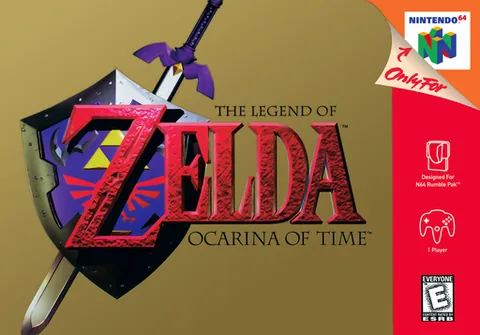 The Legend of Zelda: Ocarina of Time N64 · 1998
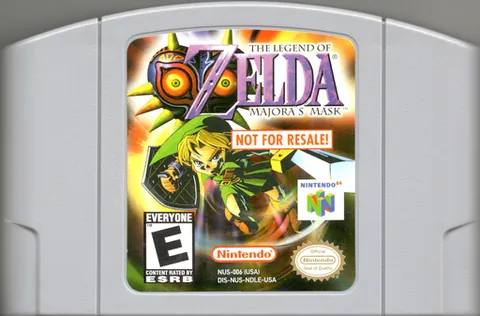 The Legend of Zelda: Majora's Mask N64 · 2000
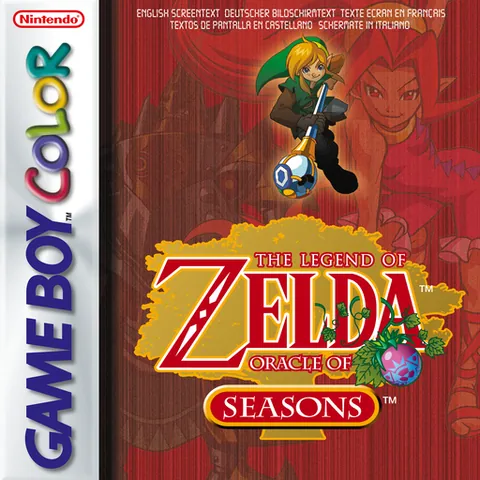 The Legend of Zelda: Oracle of Seasons GBC · 2001