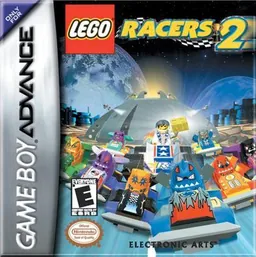
Lego Racers 2
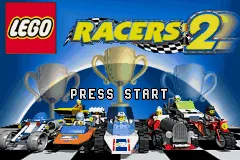
Racing with cars built from bricks had a solid fan base at the turn of the millennium, so it comes as no surprise that the LEGO Racers brand got a sequel in handheld form too. Lego Racers 2 brings this colourful racing fun to the Game Boy Advance with an emphasis on family accessibility and playfulness.
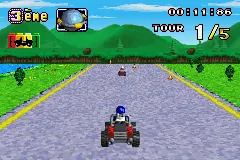
The gameplay is arcade racing, in which you tear around tracks and try to outrun your opponents. A big theme of the LEGO Racers brand was always the ability to build and customise your cars out of pieces, which gave the game that typical creative layer. The GBA version handled the races in two dimensions, or rather in the pseudo three-dimensional view common to this console, and focused on brisk, easy-to-grasp driving.
The game was published by Electronic Arts in 2001 as a sequel to the successful first LEGO Racers. While the versions for more powerful platforms offered a more open environment and more options, the handheld GBA edition had to condense the concept into the constraints of portable hardware and focus on the very essence of racing.
Culturally, Lego Racers 2 belongs to the period when LEGO was experimenting with its own gaming brands before the great success of the LEGO Star Wars series and other film licences from Traveller's Tales arrived. It is thus a witness to a time when the shape of brick video games was still being sought and when original LEGO themes without big film licences still dominated.
For players, the game was a pleasant, undemanding pastime with a theme that children knew well from playing with real bricks. The combination of building and racing gave the title its own identity among the many other arcade racing games on the market.
Why play it: Colourful family racing with a brick flavour, undemanding fun for younger players as well as nostalgic fans of the original LEGO video games.
Game 60 of 170 for Game Boy Advance
The same title elsewhere (1)
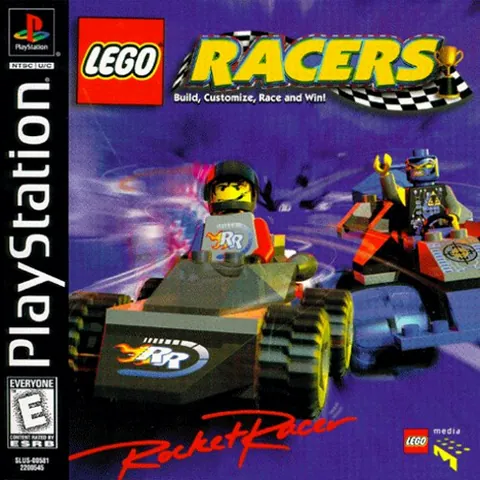
On the PlayStation this is a full 3D arcade racer across planets with a wide choice of tracks, vehicles and LEGO-brick builds, where the console's hardware allowed for larger environments and smoother graphics. The Game Boy Advance version had to simplify the racing into less demanding graphics with shorter, less elaborate tracks to cope with the handheld's limited power, though the core idea of building and upgrading cars from bricks survived intact. Anyone wanting the full experience should go for the PlayStation version; the GBA release is more of a lightweight pocket variation for travel.