 Nintendo · 2004
Handhelds
Nintendo DS
History & context
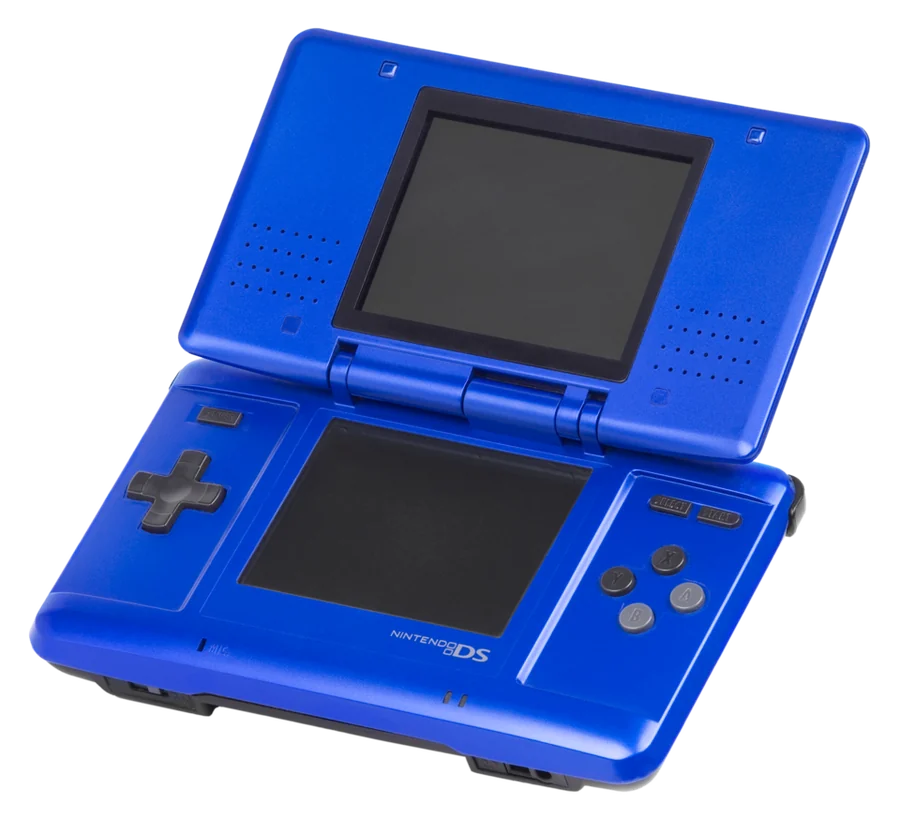
When Nintendo unveiled a device with two screens at the end of 2004, one of them touch-sensitive, it sounded like a gamble. The competition, led by Sony and its glossy PSP, was betting on performance and multimedia; Nintendo instead came out with a "third pillar" that fit nowhere — and it became one of the best-selling gaming systems of all time with more than 150 million units. The Nintendo DS (short for both "Dual Screen" and "Developers' System") didn't bet on who had more pixels, but on how the games were played. And it won.
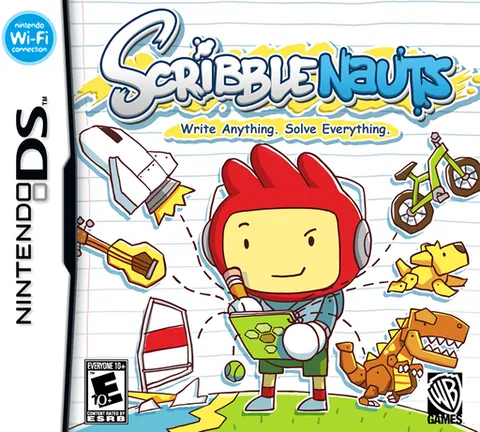
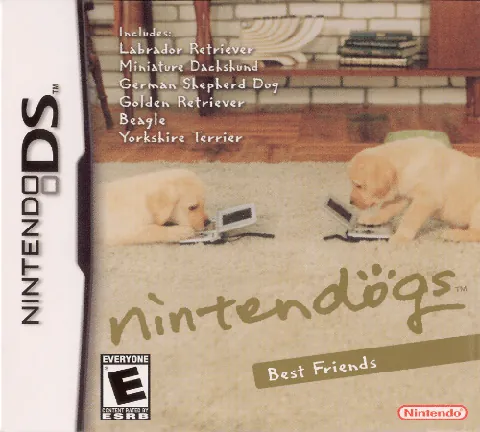
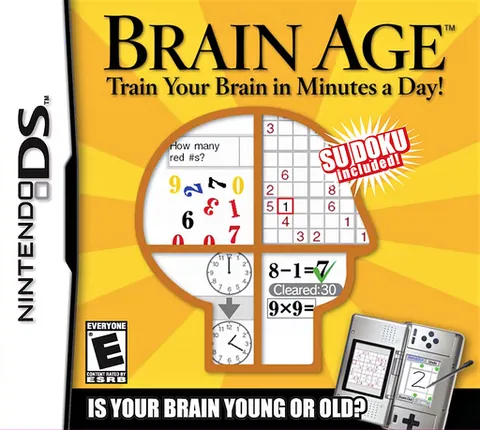
The magic was in the interface. The lower touch screen was operated with a stylus or finger, plus a microphone and later even motion and other add-ons in cartridges. This opened the door to entirely new types of games and to players who until then had never picked up a controller — from brain training through caring for virtual puppies to drawing puzzle solutions directly on the screen.
Hardware: two screens and a 3D chip
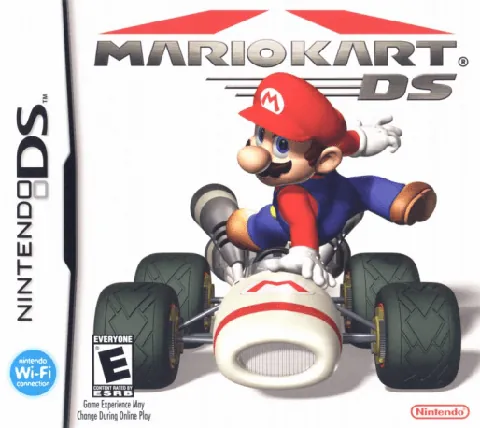
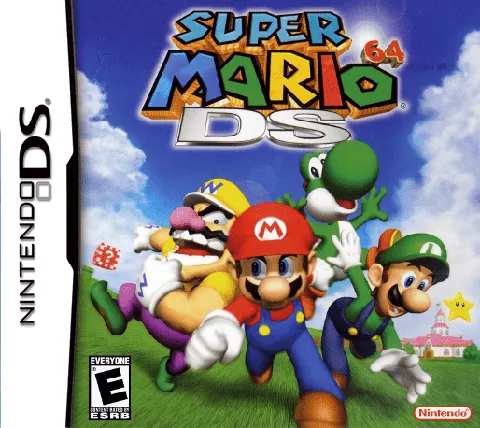
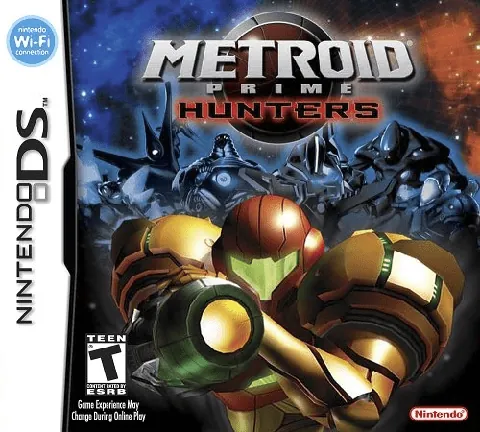
Inside tick two ARM processors (ARM9 at ~67 MHz and ARM7 at ~33 MHz), which share the work. Each of the two 3" LCD screens has a resolution of 256×192 dots; the lower one is resistive touch. The graphics combine 2D layers in the style of an advanced "GBA generation" with a separate 3D core capable of textured polygons — this gave rise to titles like Super Mario 64 DS, Mario Kart DS, or Metroid Prime Hunters. The sound is handled by 16 channels and built-in stereo speakers.
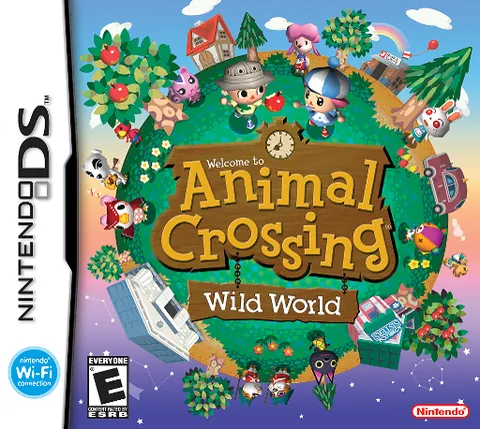
A big role is played by the microphone (blowing, voice inputs) and the RTC clock, on which games like Animal Crossing or the Pokémon day-and-night cycles were built. DS cartridges are small flash cards with their own save storage; slot 2 (GBA) additionally provided backward compatibility with the entire Game Boy Advance library and also served for accessories (Rumble Pak, Guitar Grip).
Connectivity: touch, Wi-Fi, and local play
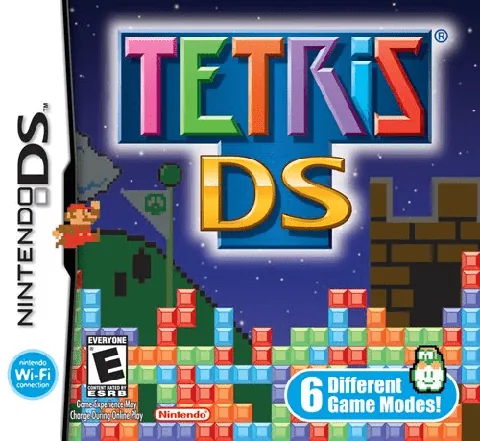
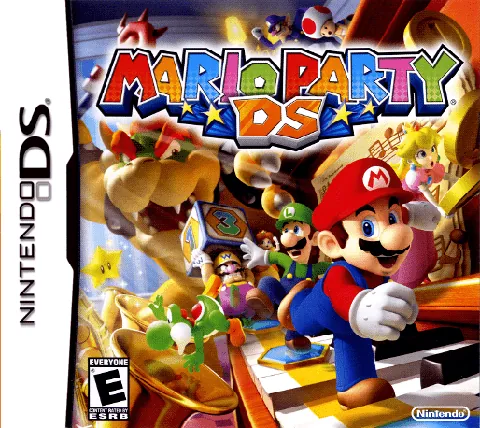
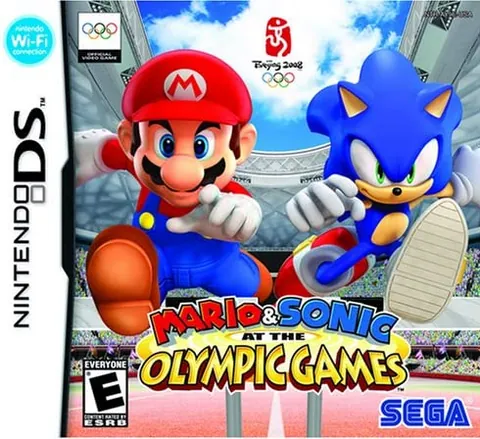
The DS had built-in Wi-Fi from the start. Locally it was enough for just one player to own the game — via Download Play they sent out a demo version to nearby DS units and everyone played from one cartridge. The online service Nintendo Wi-Fi Connection was used by Mario Kart DS, Pokémon, or Tetris DS for matches over the internet (the official servers no longer run today, but the community has revived them through alternative servers).
It is precisely local multiplayer that remains one of the reasons the DS stays popular to this day: all you need is a group with consoles within range and a single cartridge.
Models and revisions
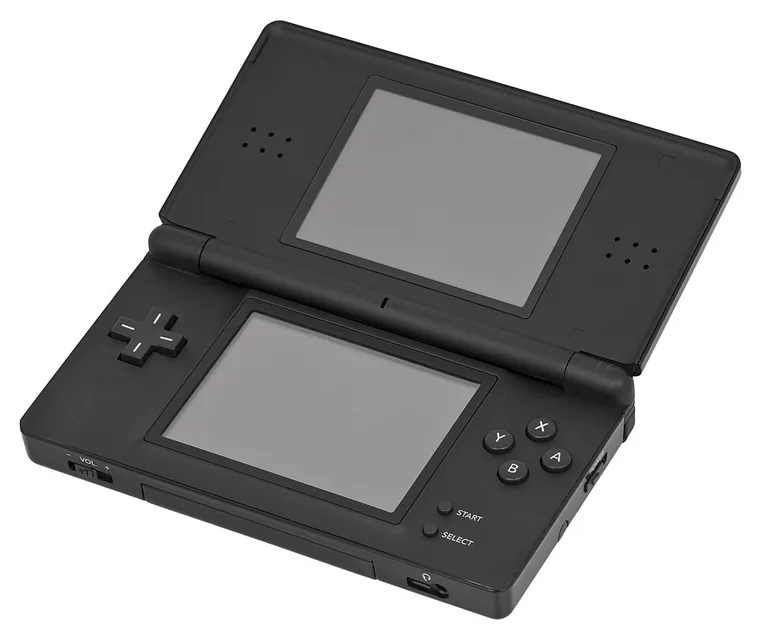
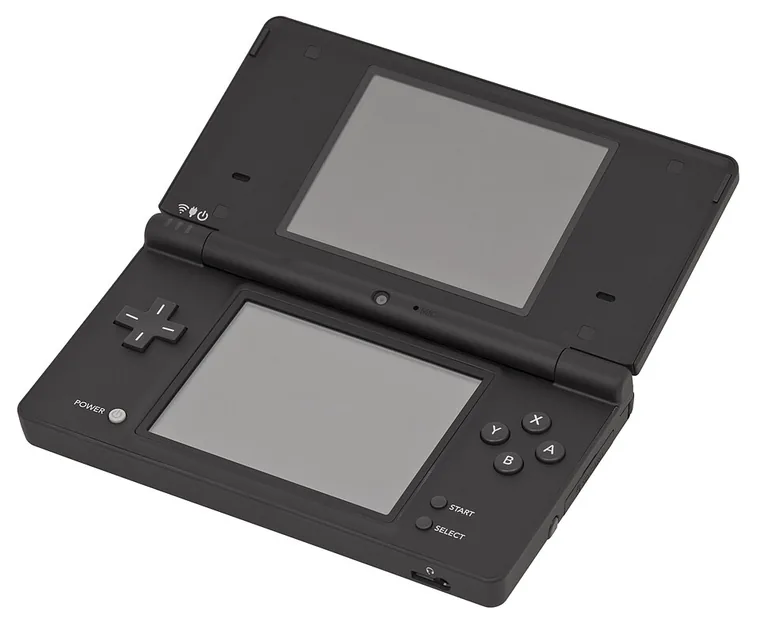
The original "fat" model (2004) was soon replaced by the elegant DS Lite (2006) — thinner, lighter, and with markedly brighter displays; this is the model that sold the most. Next came the DSi (2008) with two cameras, its own DSiWare store, and a faster chip, but without a GBA slot. The DSi XL then offered large screens for more comfortable play. The line was finally replaced in 2011 by the Nintendo 3DS with backward compatibility and stereoscopic 3D.
Clones and the gray zone
The DS also became famous for flash carts (R4 and similar), which allowed running homebrew and backups — it was an enormous phenomenon that Nintendo fought unsuccessfully. For developers and enthusiasts, however, it also meant a rich homebrew scene: custom applications, emulators, and games written via devkitARM and the libnds library.
The scene today
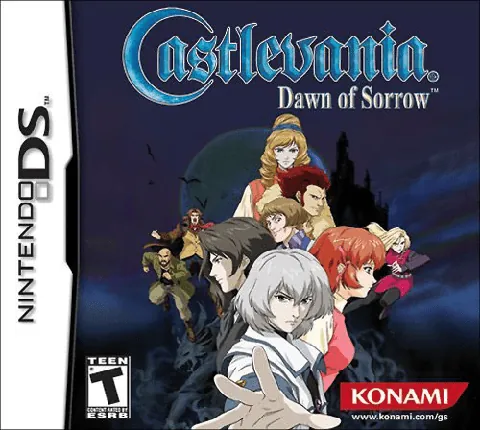
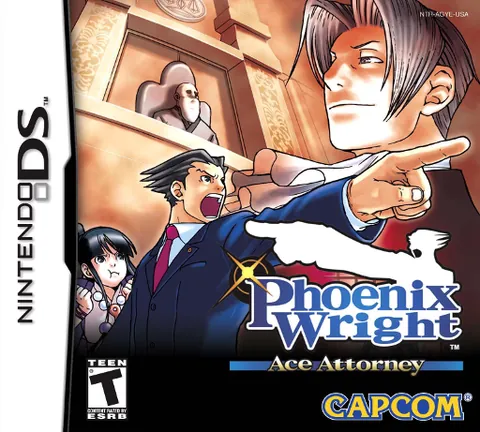
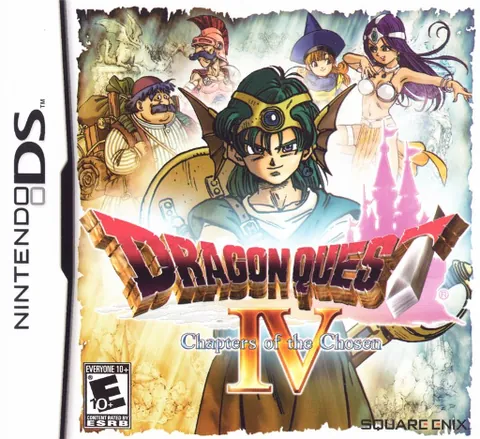
DS emulation is mature today. On PC and mobile, melonDS reigns (accurate, with online support via alternative servers) alongside DeSmuME; on weaker hardware and handhelds the DS runs via cores in RetroArch. Playing with two screens is, on emulators, a matter of layout — side by side, one above the other, or one large and the other in a corner. On devices like Anbernic or Retroid the DS will run, but touch is replaced by a stylus on a touch display or by mapping to the right stick, so purely "stylus-based" games (Trauma Center, drawing) call for a few compromises. Even so, the DS library — from JRPGs through Castlevania to Ace Attorney — is one of the richest and most timeless that retro gaming offers.
What to play the DS on today: emulators and handhelds
The DS belongs to the undemanding systems, so almost anything will run it — the catch isn't in performance, but in how to solve the two screens and touch. Here is a practical overview:
- PC (the best experience): reach for melonDS — it's accurate, snappy, and even has restored online multiplayer via alternative servers (Wi-Mmproxy/Kaeru). An older but still functional choice is DeSmuME. Both also run within RetroArch (the melonDS core). You handle touch with the mouse, and lay out the two screens side by side, one above the other, or one large and the other in a corner.
- Android phone / tablet: an ideal combination, because the touch screen stands in for the stylus. melonDS reigns (free) alongside the commercial DraStic (very fast). On powerful Android the DS runs without trouble even with upscaling.
- Android retro handhelds (Retroid Pocket, Odin, AYN): excellent — they have a touch display, so stylus games work naturally, and there's plenty of power even for 3D titles like Mario Kart DS or Metroid Prime Hunters.
- Anbernic / Linux handhelds (RG35XX and the like): the DS will run via RetroArch, but it's a compromise — weaker units with the Allwinner H700 handle 2D games decently, while 3D already stutters. Above all, though, comfortable touch is missing: you control the lower screen either on the (often non-touch) display, or mapped to the right stick.
- R36S and the cheapest boxes: the DS is on the edge here — the RK3326 only manages simpler 2D games and touch is annoying. For the DS, better choose an Android device or PC.
Whether it works: yes, and easily — just pick your device according to the games. For JRPGs, visual novels, and 2D platformers (Pokémon, Castlevania, Ace Attorney) anything will do; for 3D and stylus games reach for Android or PC, where both touch and performance fit best.
Why know it: the Nintendo DS showed that innovation in control can beat raw performance — and it left behind a library full of games you won't find anywhere else.
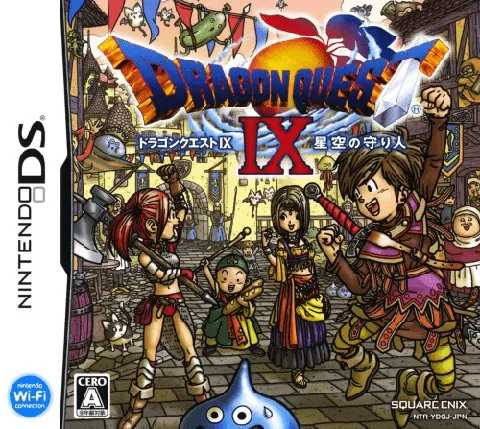
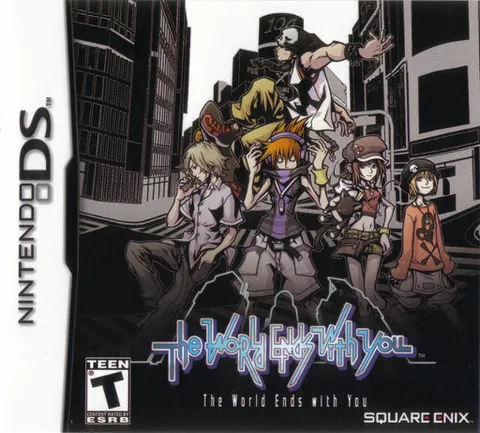
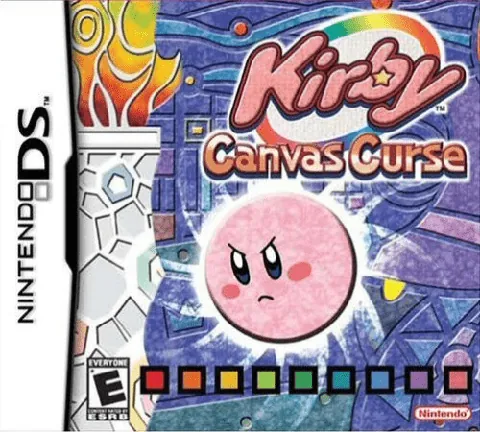
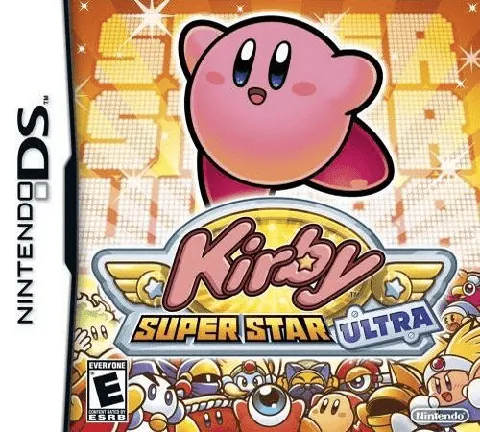
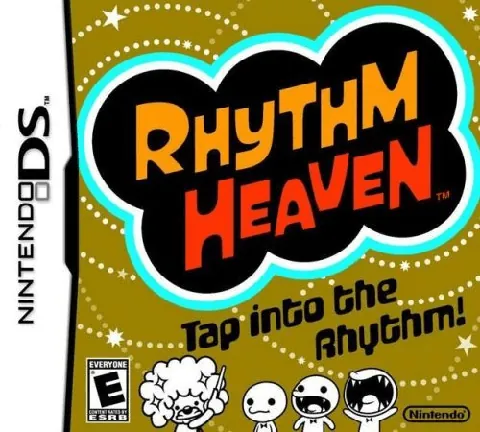
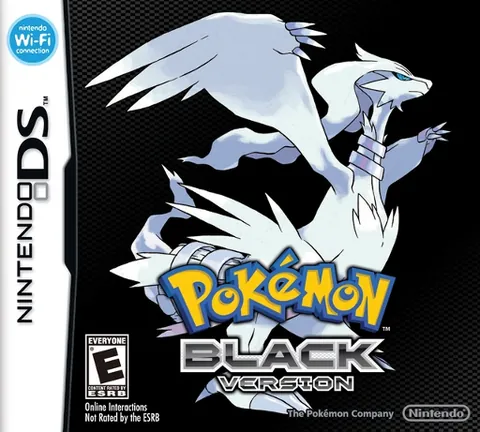
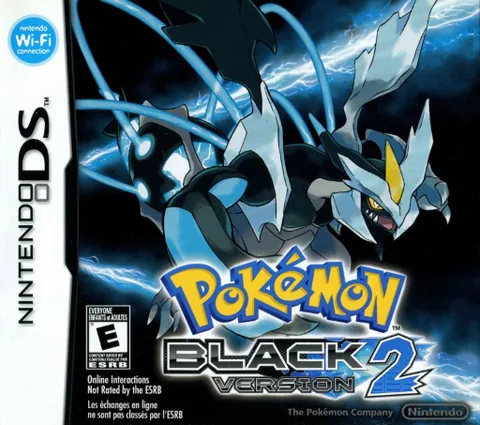
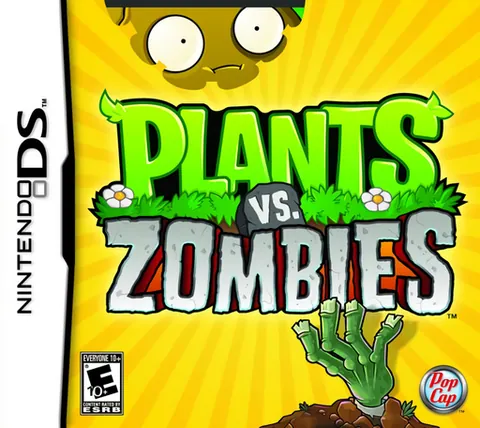
Games on this platform (150)
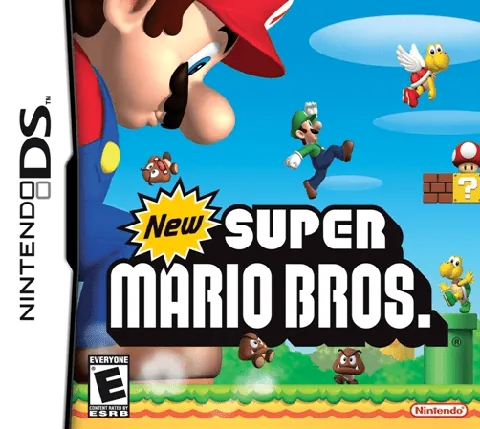
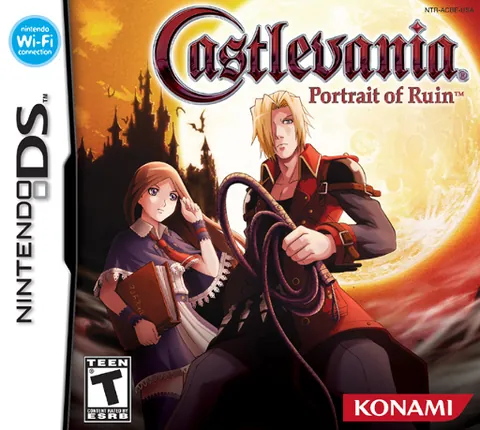
Castlevania: Portrait of Ruin
Two heroes jump through painted portraits into separate themed worlds.

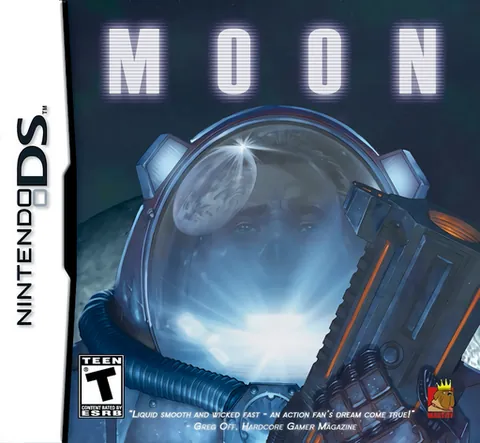
Moon
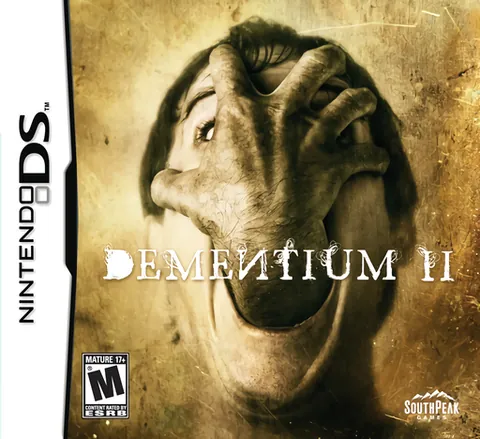
A sci-fi FPS from the creators of Dementium, set on an abandoned lunar base under alien attack.

No game in this genre.