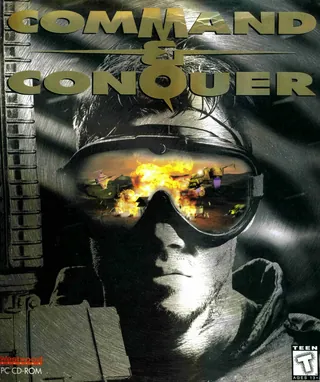
Command & Conquer
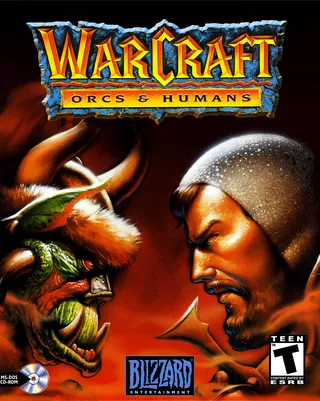
Command & Conquer from 1995 by Westwood Studios stood at the birth of the real-time strategy genre in the form players know it today, and together with Warcraft it defined the rules of the genre for years to come. The player sides with one of two factions — the military organization GDI or the mysterious Brotherhood of Nod — and across a series of interconnected missions builds bases, mines the mysterious mineral Tiberium, and commands units in a battle for control of a world plagued by this alien substance. Both factions' campaigns offer a different perspective on the same war, which in 1995 was an unusual and highly praised approach to storytelling in a strategy game, and the missions also shift settings from urban areas through forests to desert regions affected by Tiberium.
The gameplay is built on a simple but functional system of base-building, resource mining, and mouse-driven unit control, complemented by a clear interface that became a model for entire generations of RTS titles. Units of both factions had a distinct character — GDI relied on heavy machinery and air strikes, Nod on speed, sabotage, and stealth — so playing as either side felt genuinely different. Live-action cutscenes were inserted between missions, with characters addressing the player directly from the screen — at the time a complete novelty that gave the game a cinematic atmosphere and helped tell a gripping story about a global conflict. The music was composed by Frank Klepacki, whose energetic electronic tracks are among the most recognizable in gaming music history and still evoke the atmosphere of nineties war strategy games.
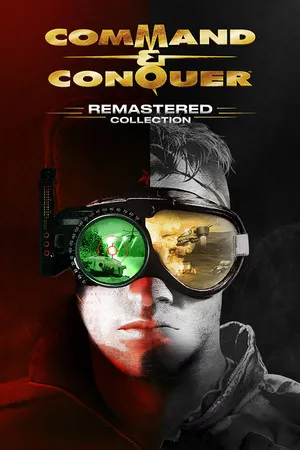
Command & Conquer became a commercial and critical hit and launched one of the most successful game series of the nineties and 2000s. Its influence on the RTS genre is fundamental — it established conventions later adopted by dozens of other games, and multiplayer over network or modem showed just how much fun it could be to measure yourself against a live opponent. The game later also received a remastered version that made the original experience accessible to modern players, and it remains a mandatory stop for anyone interested in the history of strategy games.
Why play it: For anyone interested in the history of strategy games — the title that established the RTS genre's conventions and, with network multiplayer, showed how much fun it is to measure yourself against a live opponent.
Game 130 of 204 for PC / DOS (XT až 486)
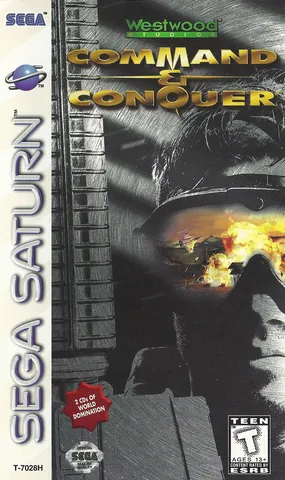
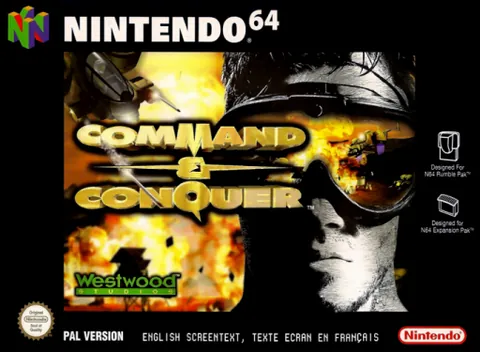
The same title elsewhere (5)
The Westwood Studios original was controlled with mouse and keyboard, giving quick access to units and buildings — console ports had to replace that with a gamepad and menus, which is usually criticized as slower and less clear than on PC. The PlayStation version also includes the Retaliation expansion, adding extra missions beyond the base game. SEGA Saturn and PlayStation both benefited from CD media with enough room for full-motion video and decent-quality music, while the cartridge-based Nintendo 64 version had far less storage space, which typically meant more compressed cutscenes and audio. Anyone wanting the experience closest to the original PC game on a console should lean toward Saturn or PlayStation.


From the same series Command & Conquer →
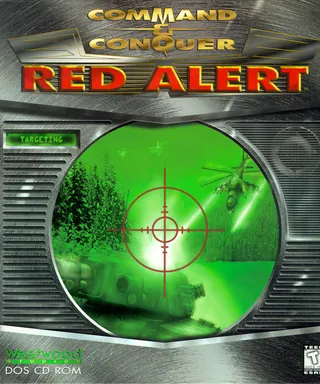 Command & Conquer: Red Alert DOS · Win9x · PS1 · Saturn · 1996
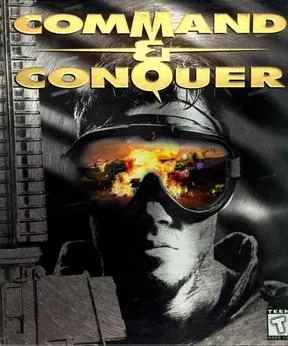 Command & Conquer: Sole Survivor Win9x · 1997
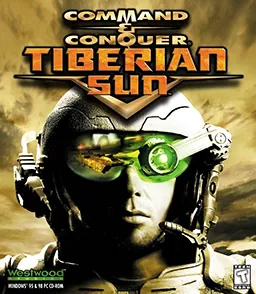 Command & Conquer: Tiberian Sun Win9x · 1999
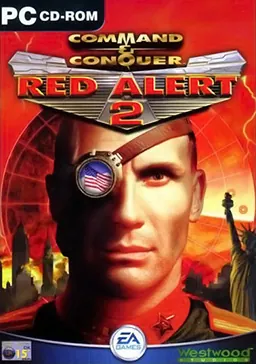 Command & Conquer: Red Alert 2 Win9x · 2000
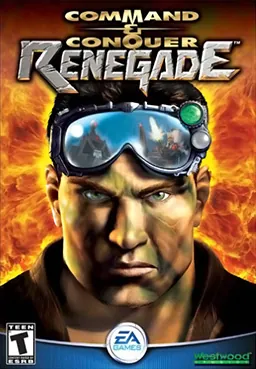 Command & Conquer: Renegade Win9x · 2002
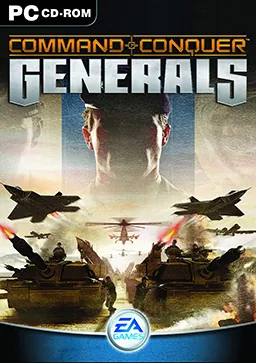 Command & Conquer: Generals PC · 2003
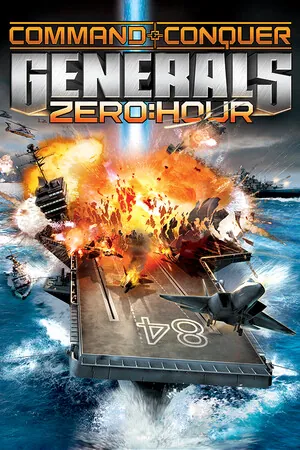 Command & Conquer: Generals - Zero Hour PC · 2003
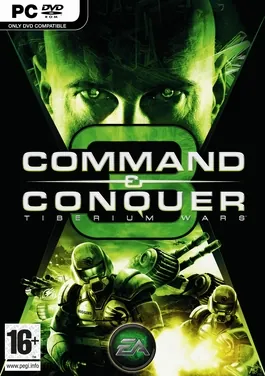 Command & Conquer 3: Tiberium Wars X360 · PC · 2007
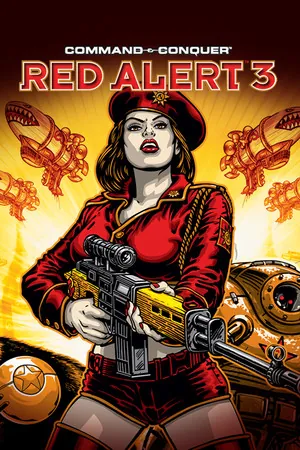 Command & Conquer: Red Alert 3 X360 · PC · PS3 · 2008
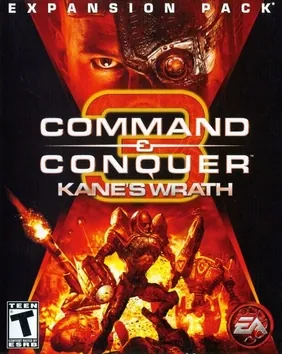 Command & Conquer 3: Kane's Wrath X360 · PC · 2008
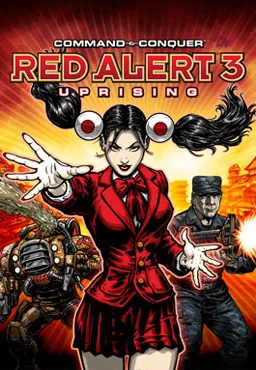 Command & Conquer: Red Alert 3 - Uprising PC · 2009
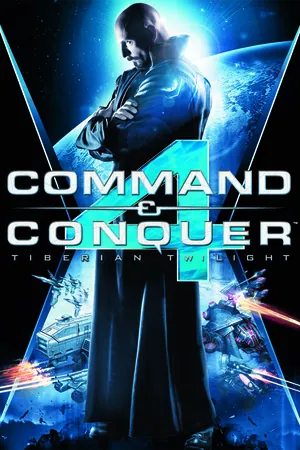 Command & Conquer 4: Tiberian Twilight PC · 2010