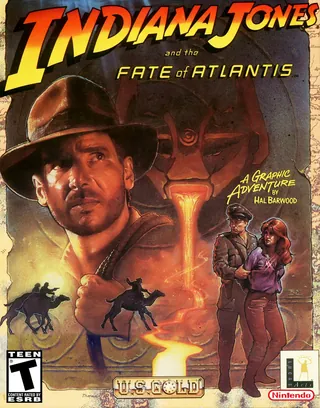
Indiana Jones and the Fate of Atlantis
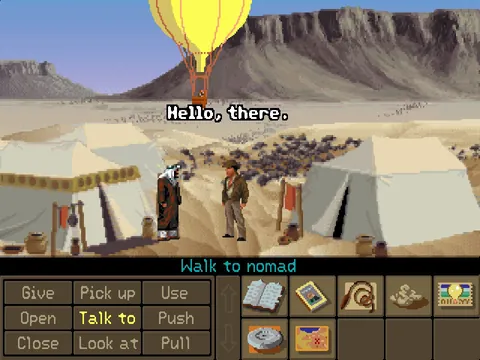
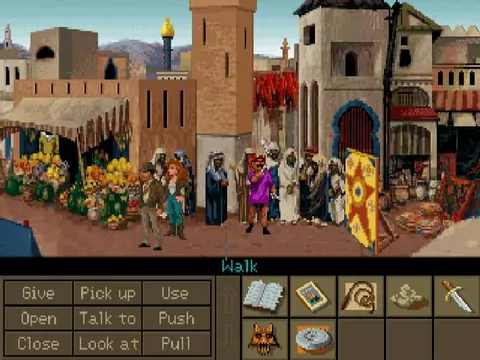
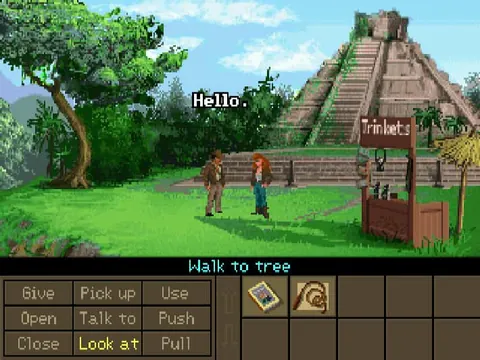
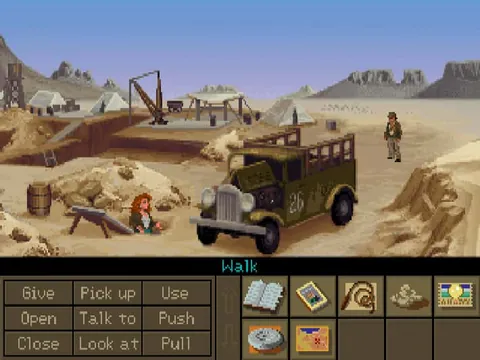
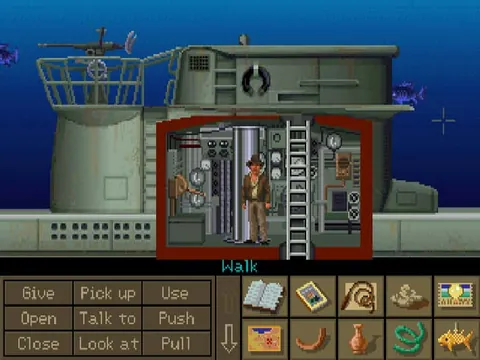
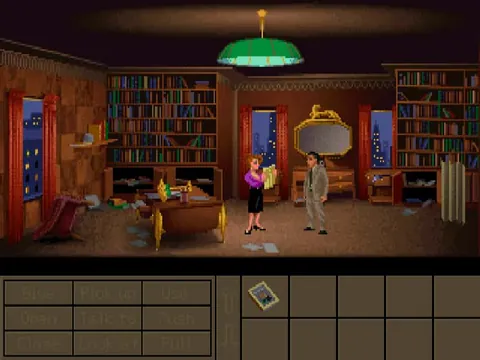
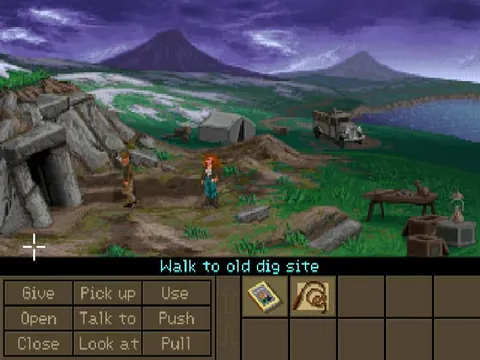
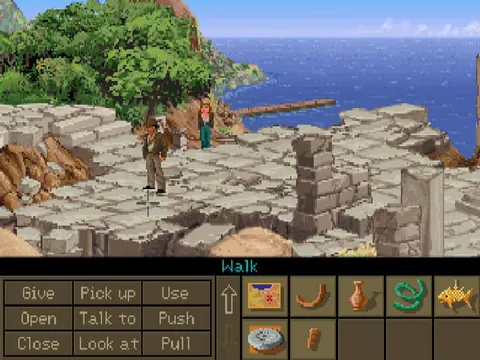
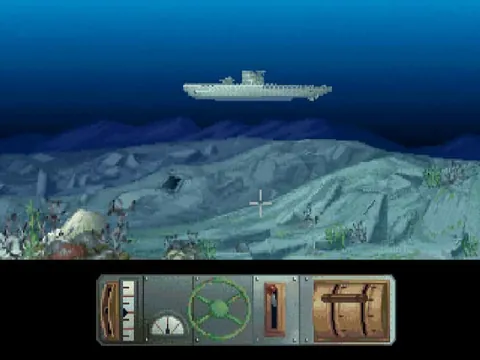
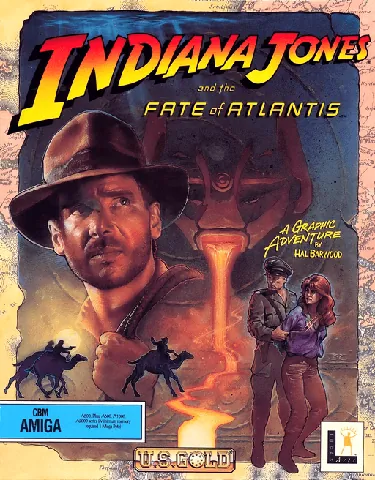
Indiana Jones and the Fate of Atlantis is an original story that doesn't follow any film, and yet it feels like a full-fledged fourth adventure for the famous archaeologist. The year is 1939, the Nazis are searching for Atlantis for the energy it could unleash in war, and Indy, together with his former colleague Sophia Hapgood, follows the trail of Plato's texts from New York through Algiers and Crete and down beneath the surface of the sea.
The most striking idea is the game's split into three paths. After the opening section, the player chooses whether to continue with Sophia as a team, alone with clever puzzles, or through fists and action — and each variant has its own locations, puzzles, and dialogue. This makes replayability enormous, and the game can be finished three times over without feeling repetitive. Alongside classic SCUMM controls, simple combat also appears, and in the Atlantean finale there's work with orbs and stone machines, where the logic of the whole world turns into a puzzle of its own.
On DOS the game came out in 256-color VGA, and later on CD with full spoken dialogue, which was a big deal for adventure games of the time. The music again uses the iMUSE system and works with themes that can shift seamlessly from calm to tension. The atmosphere of 1930s adventure films is captured here more precisely than in many later attempts at the same thing. At the time, Fate of Atlantis was received excellently and is often ranked among the best adventure games ever made; today it's one of the easiest DOS titles to recommend, because it's welcoming, moves along well, and can't be irreversibly gotten stuck in. Sophia is especially well done as a companion: on the team path the player genuinely needs her, and the game works this into the dialogue too, which was far from a given at the time. The environment work also deserves credit — every location has its own visual signature, from university collections to Mediterranean ruins and undersea depths — and the transitions between them keep the pace up. For plenty of players, Fate of Atlantis remains the best Indiana Jones adventure of all.
Game 37 of 204 for PC / DOS (XT až 486)
The same title elsewhere (1)
As with other LucasArts adventures of the era, the difference comes down mainly to the graphics card: the PC/DOS version with VGA showed the full 256 colors and finely shaded desert and underwater scenes, while on Commodore Amiga the artwork had to make do with the more limited palette of the era's Denise chip, leading to more visible dithering in the backgrounds. Sound favoured the Amiga instead — its Paula chip played rich sampled music with no extra hardware at all, whereas on PC you needed a Roland MT-32 or AdLib card, or you were left with plain PC speaker beeps. Loading from floppies made Amiga slower, while PC with a hard disk ran more smoothly.