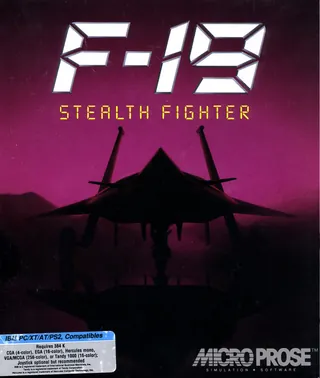
F-19 Stealth Fighter
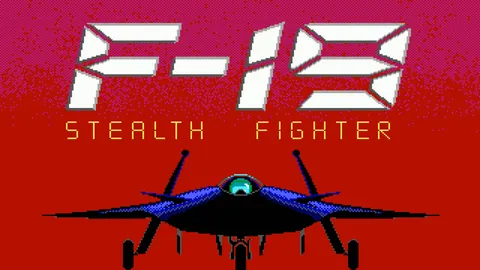
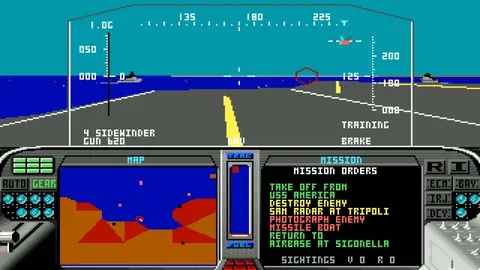
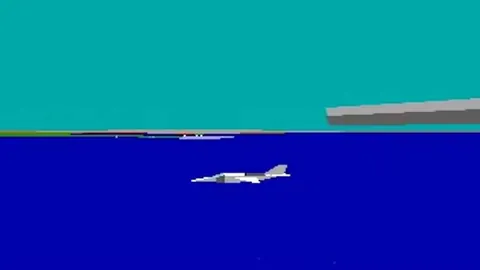
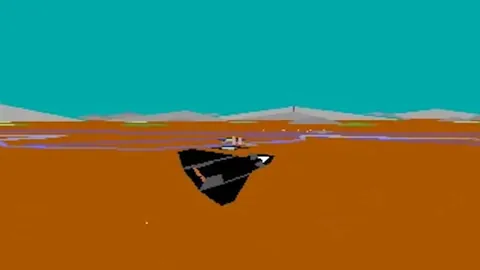
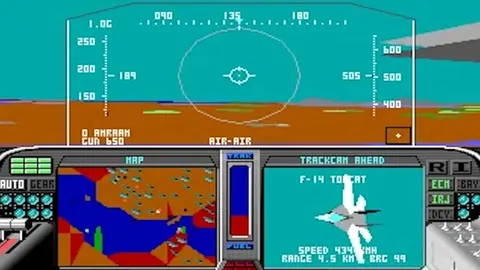
F-19 Stealth Fighter bet on the then-mysterious topic of invisible aircraft and turned it into one of the best-designed flight games of the eighties. The star of the show was a speculation on what an American stealth aircraft might look like, and the game built its entire style of play around that premise. The main enemy isn't the opponent's fighter jet but their radar. The player has to watch how large a signature their aircraft is creating, when to open the bomb bay, whether to switch on their own radar, and from which direction to approach so as to reach the target area unseen.
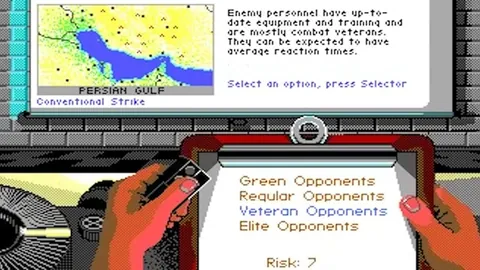
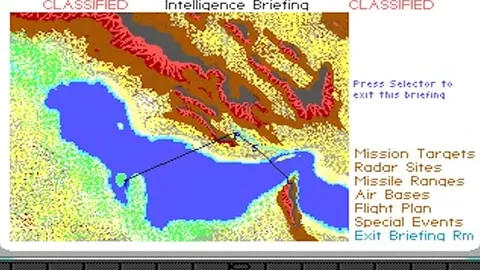
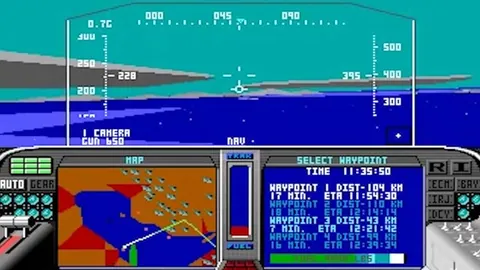
Missions span several theatres of war, from the Persian Gulf through northern Europe to central Europe in a Cold War scenario, and before takeoff the player chooses the difficulty, the mission type, and the loadout. Route planning over the map is also part of it, avoiding known radar sites. Getting back to base matters just as much as hitting the target, because the pilot advances in rank, earns decorations, and risks capture if shot down. Technically the game ran on simple polygon graphics that were legible and fast, and the cockpit interface was clear by the standards of the day.
At the time, F-19 was among MicroProse's most successful simulators and did a great deal for the studio's reputation as a brand that could combine a seriously-intended simulation with playability. Its greatest legacy is the emphasis on stealth and planning, an approach that only returned to flight games much later. Today the game obviously looks primitive and the controls rely on a keyboard full of shortcuts, but the tension of watching an enemy radar trace slowly light up on the display still works surprisingly well decades on. The mission structure holds up just as well, since every flight has a clearly defined goal, a measurable outcome, and continuation in the form of the next rank. It's a game you can pick up with no preparation at all and still get a surprising amount out of.
Game 81 of 204 for PC / DOS (XT až 486)