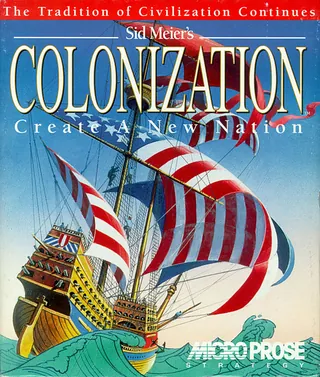
Sid Meier's Colonization
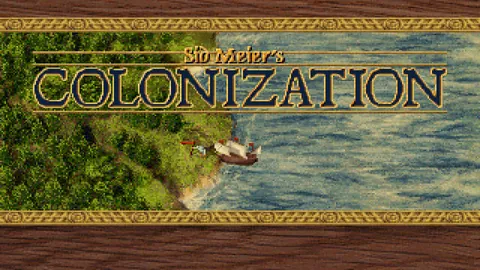
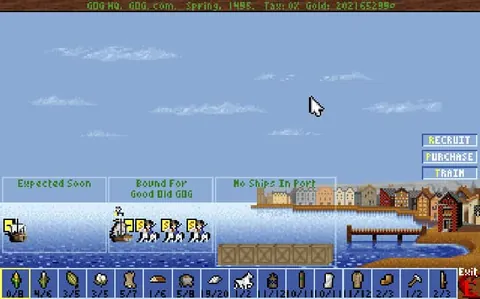
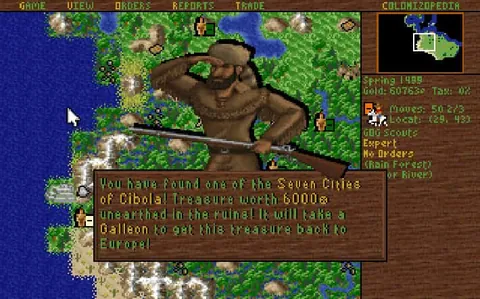
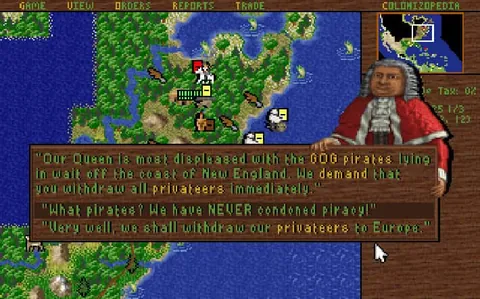
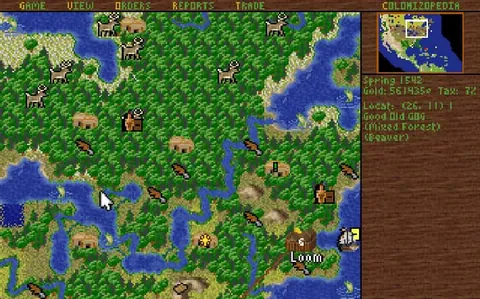
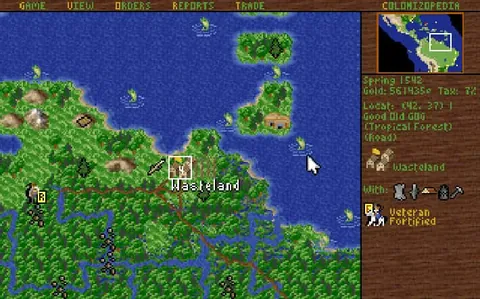
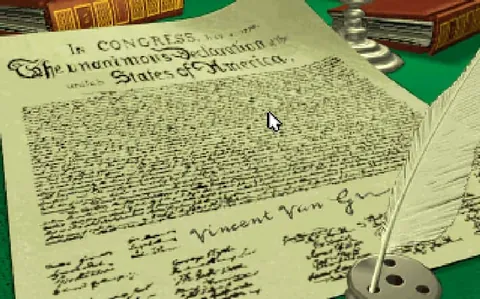
Sid Meier's Colonization transports turn-based strategy to the age of the early modern colonization of the Americas, setting the player a task that differs from typical conquest games: the goal isn't to dominate the map, but to lead your own colonies to a declaration of independence and defend it against the mother country's army. The player picks one of four European powers, each with different advantages in trade, combat, or dealing with the native population, sets sail with a single ship, and founds the first settlement on an unfamiliar coast.
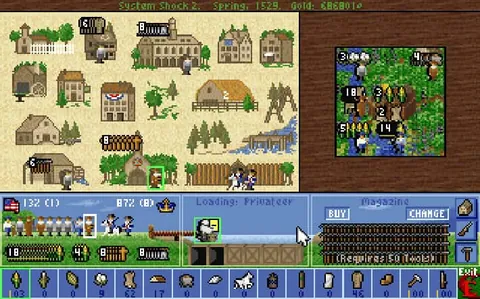
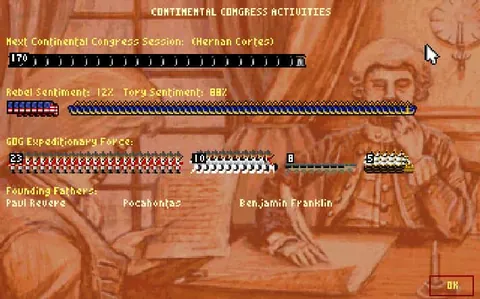
The game's focus is on production chains. A colonist placed on a forest tile harvests wood, another turns it into tools in a workshop, cotton becomes cloth, tobacco becomes cigars, and sugar becomes rum. Goods are then shipped to Europe, where their price fluctuates with supply, or traded with native villages and colonies of other nations. Settlers can be trained into specialists, part of the population works as politicians producing liberty bells that attract prominent figures with permanent bonuses to the Continental Congress. The more patriotism a colony builds up, the higher the taxes and the larger the army sent across the ocean, so declaring independence is a decision planned dozens of turns in advance. The military side is simple but ruthlessly unforgiving, since only a well-fortified and well-supplied settlement can withstand trained regular troops.
Technically, the game follows the look and controls of the original Civilization: a clear bird's-eye map, extensive advisors, and plenty of table-filled windows that nonetheless stay readable. The music is understated and period-appropriate; the atmosphere is carried more by the slow uncovering of the continent and the growing network of towns. At the time, Colonization was received as Civilization's more demanding, more distinctive sister, and it still has a loyal audience today that appreciates its emphasis on economics. Anyone who enjoys production optimization and long games with a clear climax will find here one of the best-designed strategy titles of its era.
Game 63 of 204 for PC / DOS (XT až 486)