Game studio
Sega
For retro players, Sega is something more than just a gaming brand — it is a symbol of an entire era and an eternal challenger that was not afraid to stand up to Nintendo face to face. The blue hedgehog, the slogan "Genesis does what Nintendon't," and the unmistakable voice shouting "SEGA!" when a game started etched themselves into the memory of millions of players around the world. For fans of the classics, Sega is the studio that gave arcades and home consoles speed, cheek, and a distinctive style: from the hellish action of Shinobi III through the dusty arenas of Golden Axe to the comic-book panels of Comix Zone. It is a company that made history both as a hardware manufacturer and as a brilliant game creator.
History
Sega's roots reach surprisingly far — all the way back to 1960, when the company Service Games was established in Japan, from whose abbreviated name the name SEGA emerged. At first it devoted itself to making arcade machines, jukeboxes, and mechanical arcade devices. The real rise, however, came with the era of video games. In the 1980s Sega became one of the powerhouses of the arcade halls: titles such as Space Harrier (1985) showcased dazzling pseudo-3D graphics and became the flagship of an era in which designer Yuji Naka and producer Yu Suzuki pushed the boundaries of what arcades could do.
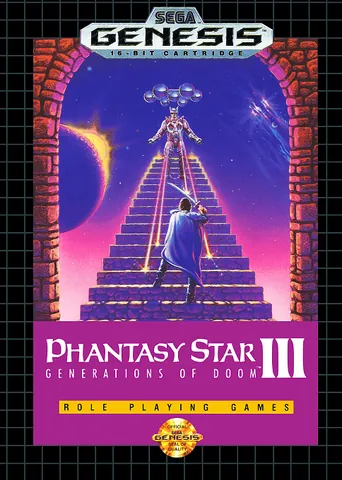
In the field of home consoles Sega first attacked with the eight-bit Master System. For it were created gems such as the platforming ride Alex Kidd in Miracle World, the magical adaptation Castle of Illusion with Mickey Mouse, and the original Phantasy Star (1987) — an RPG that was ahead of its time in its scope and its female protagonist. The true legend, however, was born with the arrival of the sixteen-bit console Mega Drive (Genesis in North America) at the end of the 1980s. It gave rise to the Sonic the Hedgehog series (1991), a mascot meant to rival Mario in speed and attitude — and it worked. The Mega Drive became home to immortal classics: the ninja action of Shinobi III, the brutal fantasy hack-and-slash Golden Axe, the inventive Comix Zone, where the player literally runs through the pages of a comic book, and the culmination of the famous RPG saga Phantasy Star IV. The handheld Game Gear could not go without the addictive puzzle game Columns.
The 1990s brought the 32-bit console Saturn with titles such as the nimble platformer Astal, whose hand-drawn graphics still captivate today. The Saturn, however, lost the battle with the PlayStation and foreshadowed harder times. The last console of its own was the visionary Dreamcast (1998), beloved to this day, which nonetheless drained Sega financially so much that in 2001 it withdrew from hardware production and became purely a developer and publisher of software.
Key figures
The face of classic Sega is undoubtedly Yuji Naka, the programmer behind the Sonic the Hedgehog phenomenon, whom he created together with designer Naoto Ohshima (author of the look of the blue hedgehog) and level designer Hirokazu Yasuhara. This trio formed the core of the famous internal team Sonic Team.
No less important is Yu Suzuki, the brilliant creator of arcade hits such as Space Harrier, Hang-On, or Out Run, who later led the ambitious Shenmue project on the Dreamcast. Among the legends is also Rieko Kodama, a designer and director associated above all with the Phantasy Star series — one of the most distinctive female creators of the golden era of Japanese games. On the musical side, composer Tomonori Sawada and a number of other authors from the internal studio left their mark, whose melodies from Sega's arcades and consoles still ring in players' heads today.
Transformations and transfers
Sega went through turbulent changes worth mentioning. After retreating from the hardware market, in 2004 it merged with the company Sammy and the holding Sega Sammy was created. At roughly the same time Yuji Naka left the company and later founded his own studio. Sega also absorbed a number of smaller teams and brands — under its wing belong, among others, the British Sports Interactive (Football Manager) and the studio Creative Assembly with the Total War series. Thus a Japanese console developer became a global publishing house with a diverse portfolio.
The present
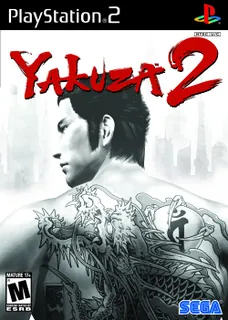
Sega is still alive in 2026 and doing well — it operates as part of the Sega Sammy group and remains one of the most prominent Japanese publishers. Sonic is once again at the peak of popularity, and not only thanks to games, but also to a successful film series that opened the door for the hedgehog to a new generation of fans. Alongside him, brands such as Like a Dragon (formerly Yakuza), Persona from the studio Atlus, which Sega owns, and the Total War strategies are running at full throttle.
For the lover of retro, however, the crucial thing is that Sega has not forgotten its rich legacy. It regularly releases collections and remasters of its classics — whether it is the extensive Sega Genesis Classics collections, or more ambitious projects reviving old brands. Thus players can today easily reach newer titles such as the strategic Valkyria Chronicles II from the PSP as well as old classics from the Mega Drive. Sega is living proof that even a company that lost the console war can remain a legend — and proudly lay claim to its past.
Games by the studio (150)
-
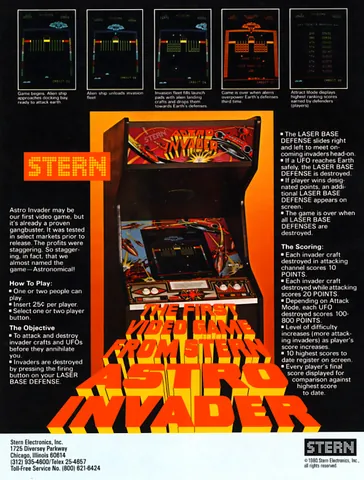
Astro Invader · 1980
-
-
-
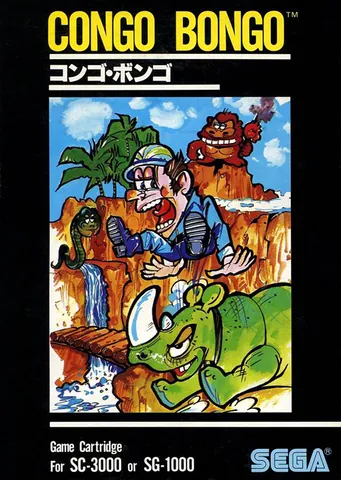
Congo Bongo · 1983
-
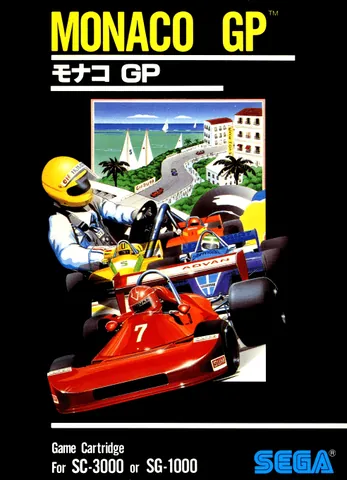
-
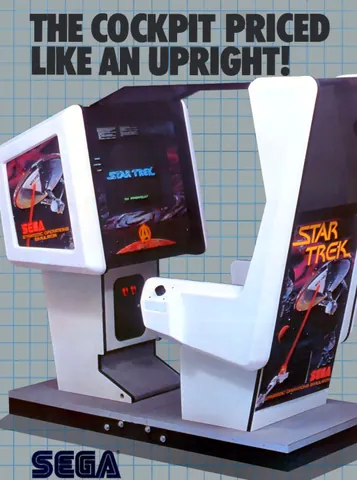
-
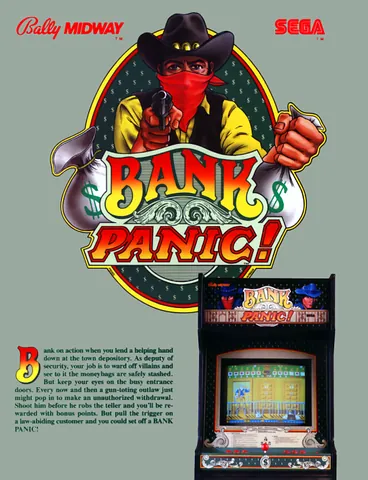
Bank Panic · 1984
-
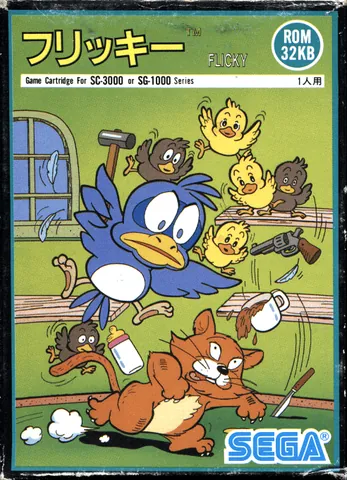
-
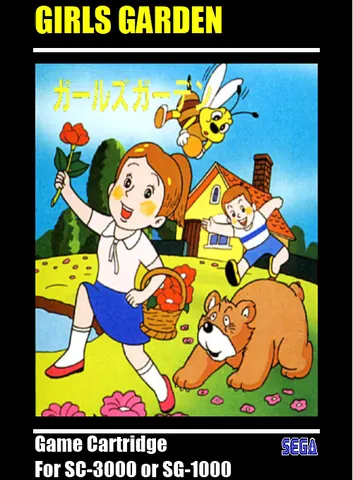
Girl's Garden · 1984
-
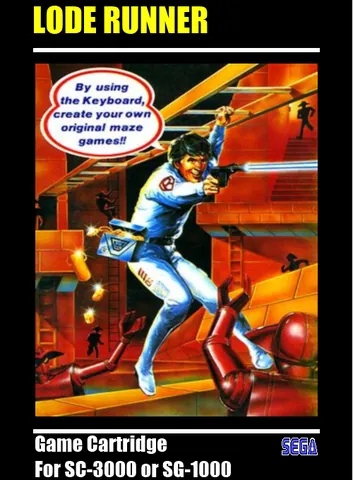
Lode Runner · 1984
-
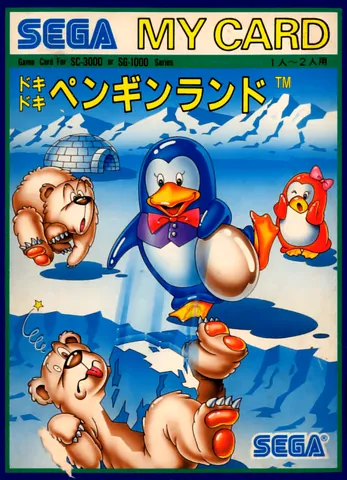
Doki Doki Penguin Land · 1985
-
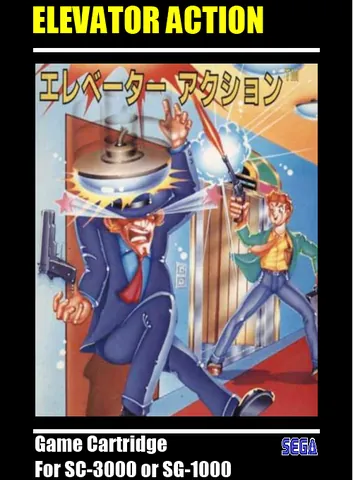
Elevator Action · 1985
-
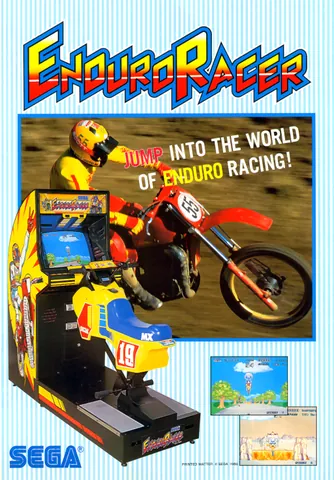
Enduro Racer · 1985
-
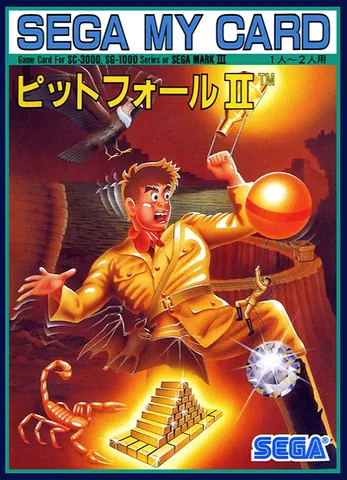
Pitfall II: Lost Caverns · 1985
-
Space Harrier · 1985
-
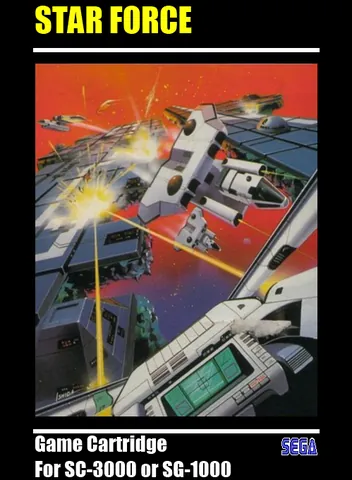
Star Force · 1985
-
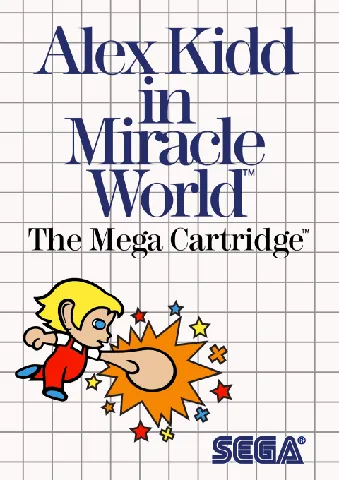
Alex Kidd in Miracle World · 1986
-
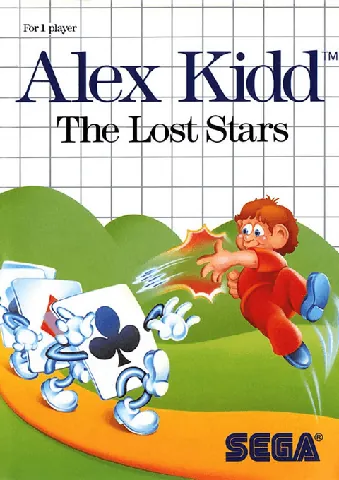
Alex Kidd: The Lost Stars · 1986
-
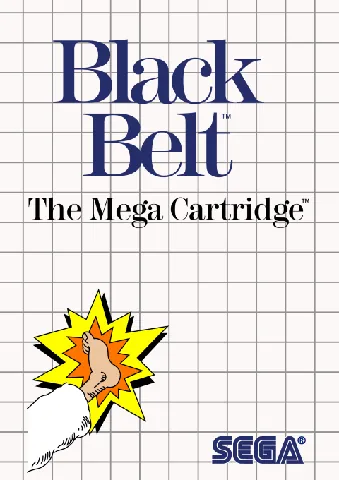
Black Belt · 1986
-
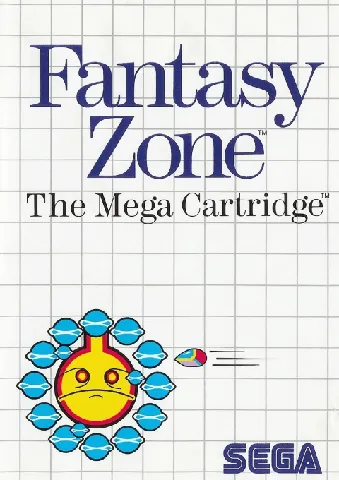
Fantasy Zone · 1986
-
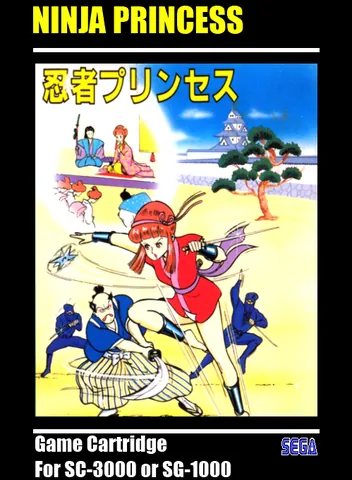
Ninja Princess · 1986
-
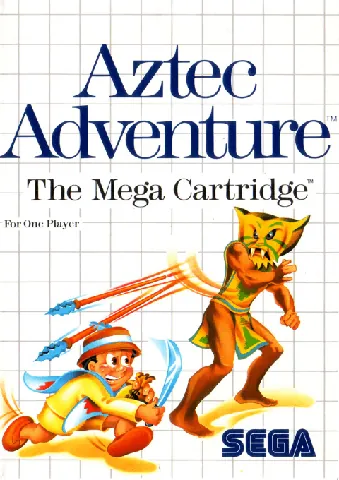
Aztec Adventure · 1987
-
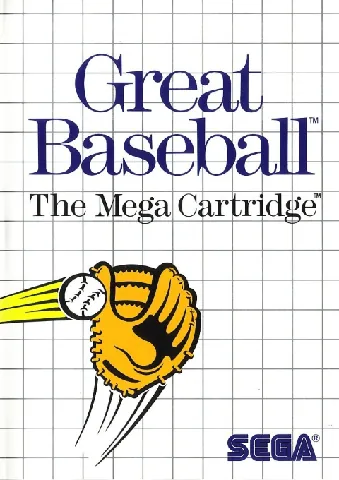
Great Baseball · 1987
-
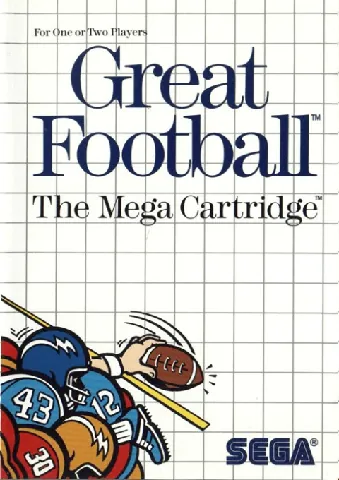
Great Football · 1987
-
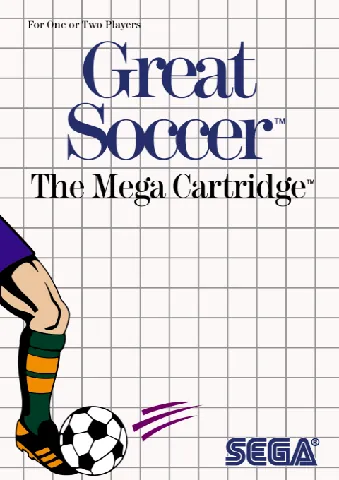
Great Soccer · 1987
-
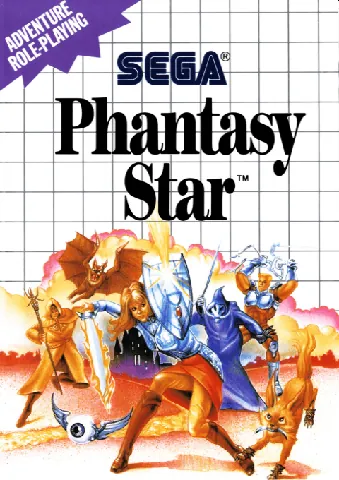
Phantasy Star (SMS) · 1987
-
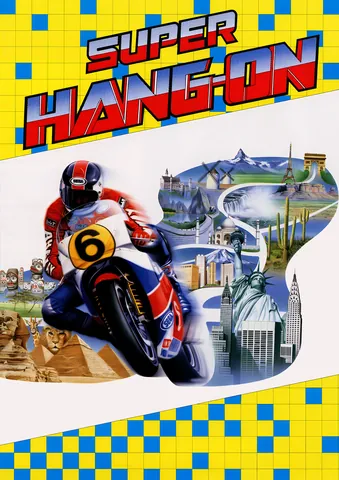
Super Hang-On · 1987
-
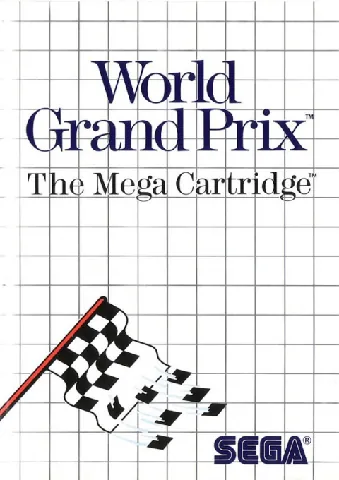
World Grand Prix · 1987
-
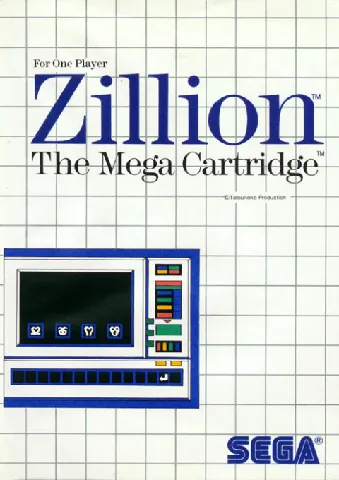
-
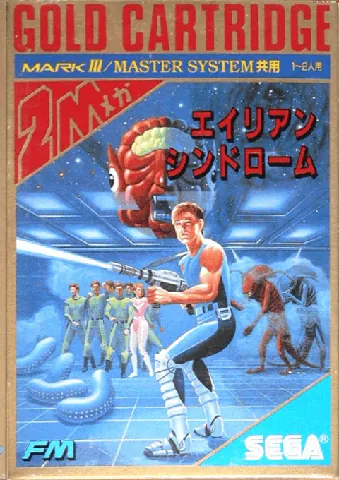
Alien Syndrome · 1988
-
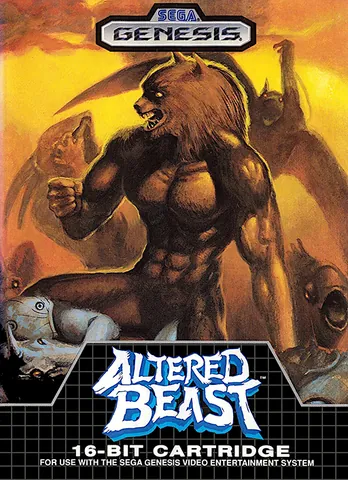
Altered Beast · 1988
-
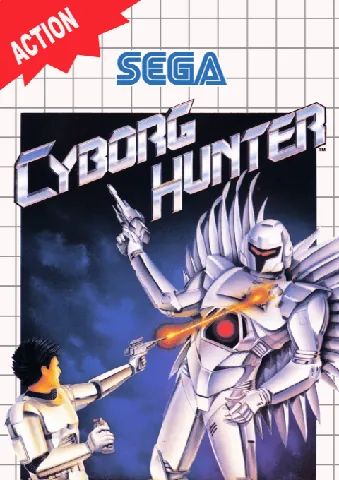
Cyborg Hunter · 1988
-
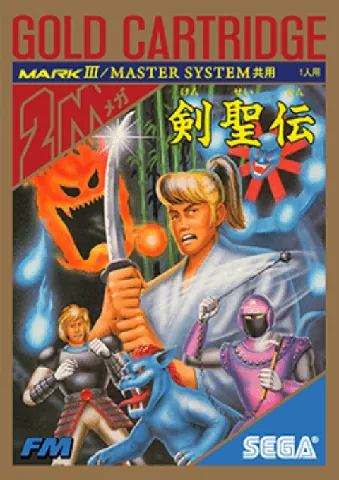
-
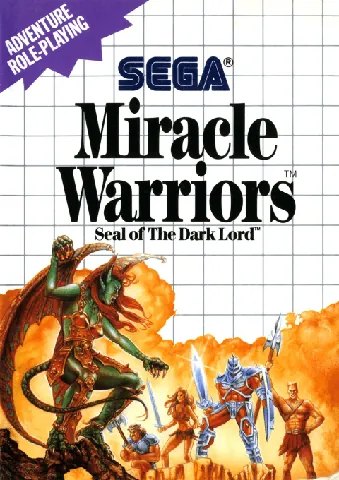
-
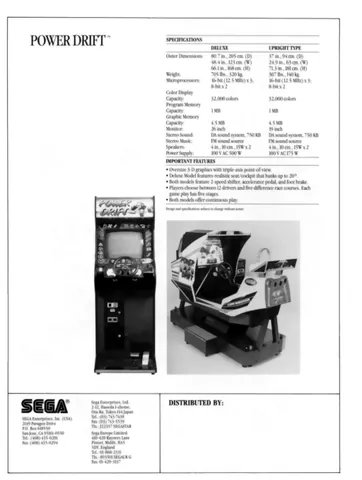
Power Drift · 1988
-
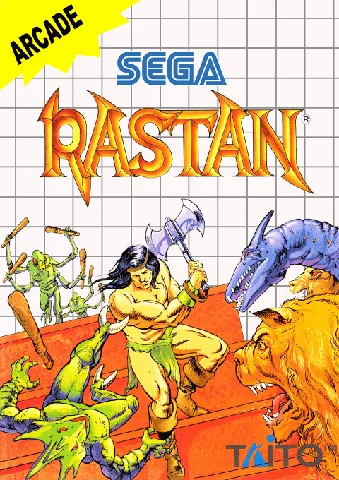
-
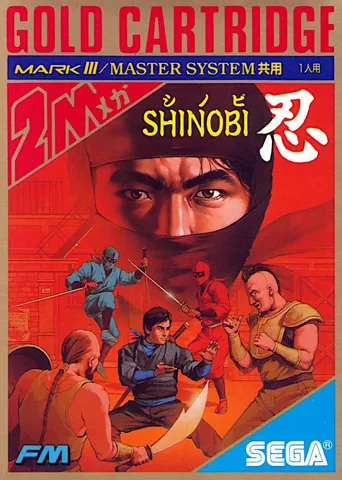
-
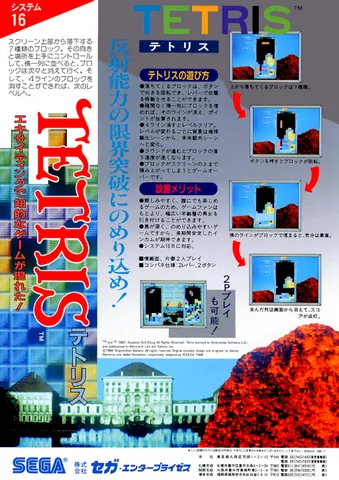
Tetris (Sega arcade) · 1988
-
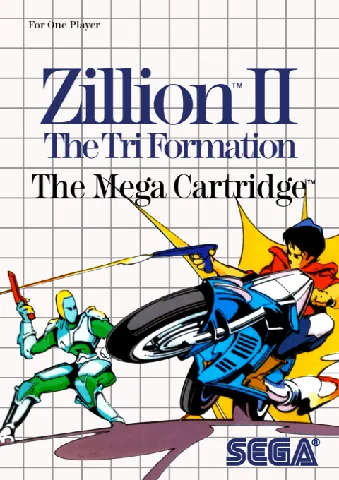
-
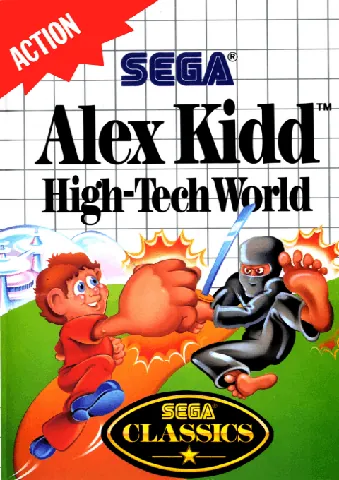
Alex Kidd: High-Tech World · 1989
-
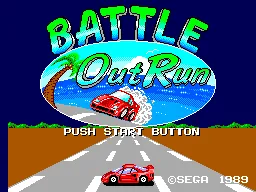
Battle Out Run · 1989
-
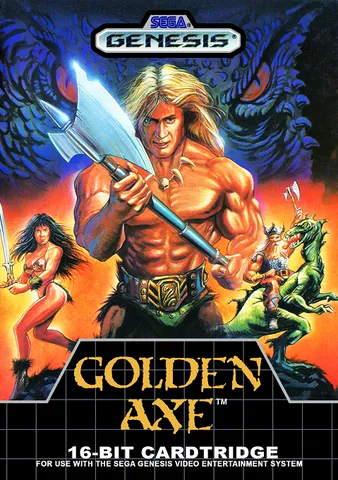
Golden Axe · 1989
-
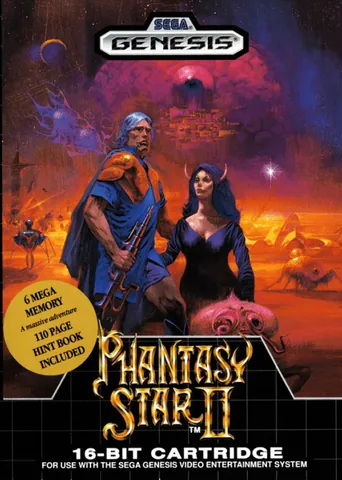
Phantasy Star II · 1989
-
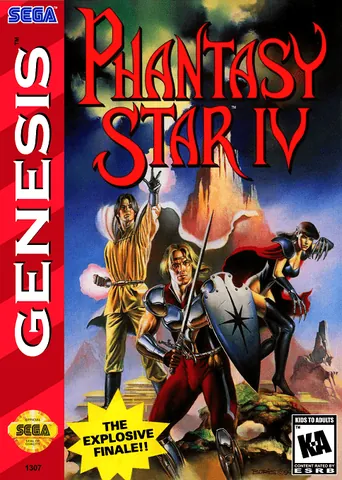
Phantasy Star IV · 1989
-
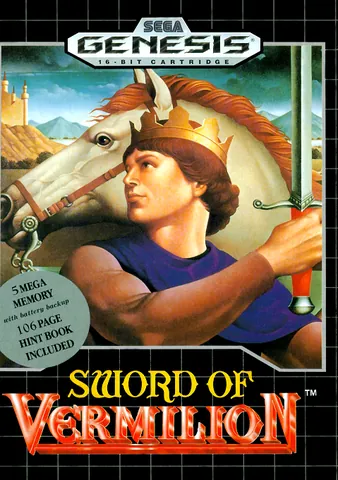
Sword of Vermilion · 1989
-
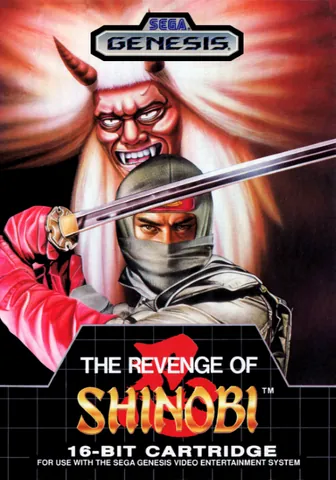
The Revenge of Shinobi · 1989
-
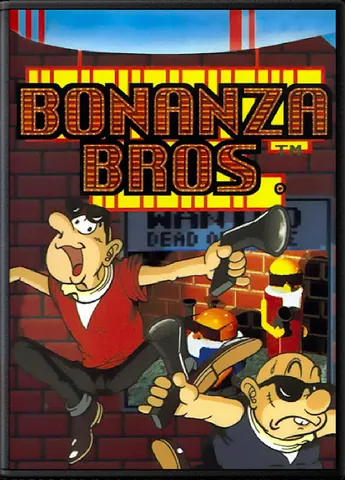
Bonanza Bros · 1990
-
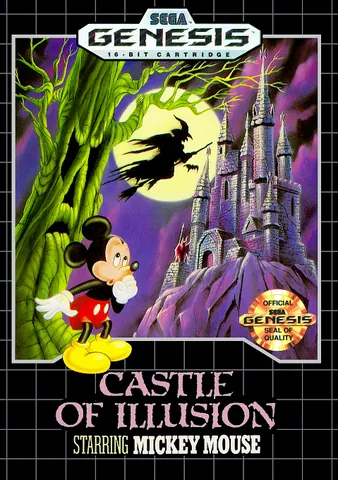
Castle of Illusion · 1990
-
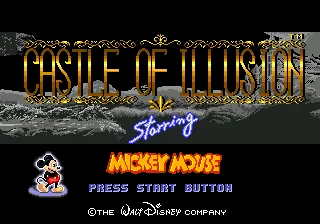
-
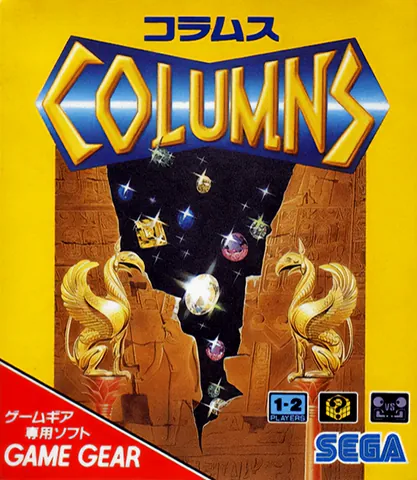
-
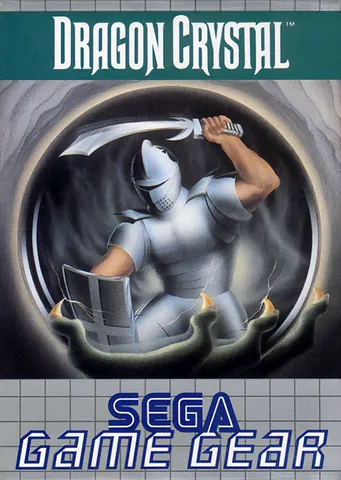
Dragon Crystal · 1990
-
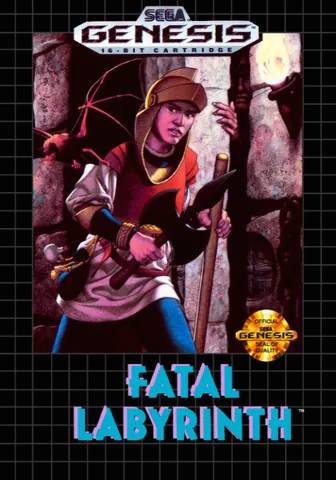
Fatal Labyrinth · 1990
-
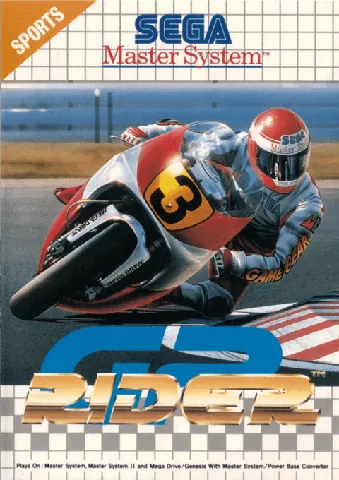
-
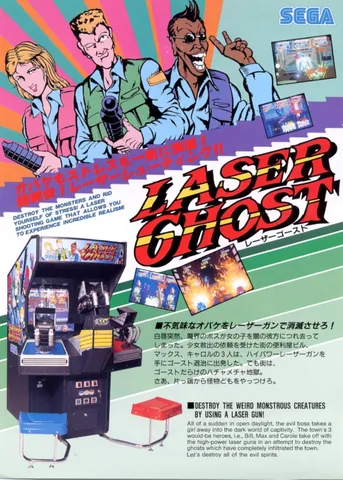
Laser Ghost · 1990
-
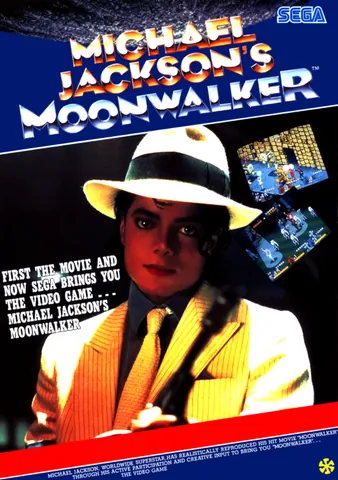
Michael Jackson's Moonwalker · 1990
-
-
-
-
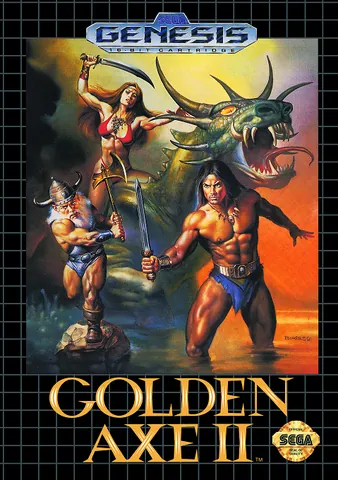
Golden Axe II · 1991
-
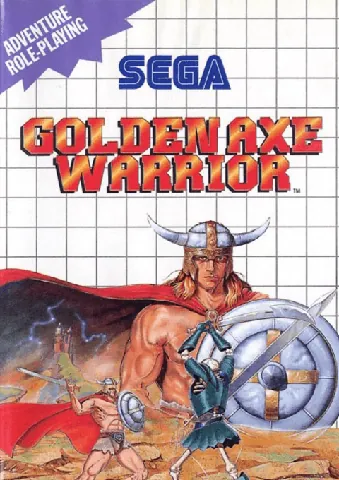
Golden Axe Warrior · 1991
-
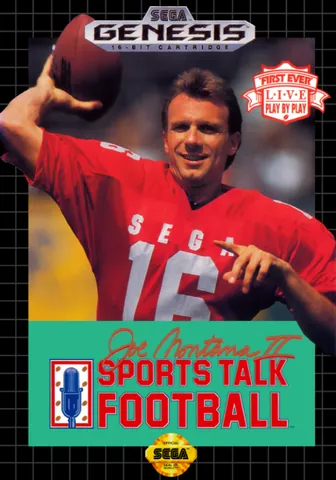
-
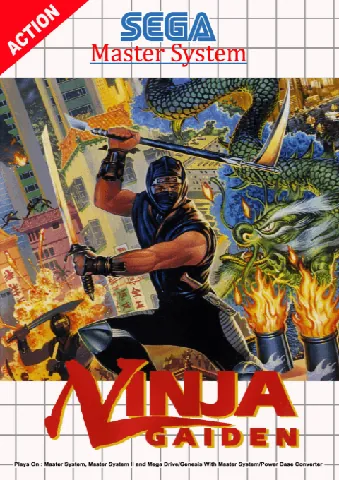
Ninja Gaiden · 1991
-
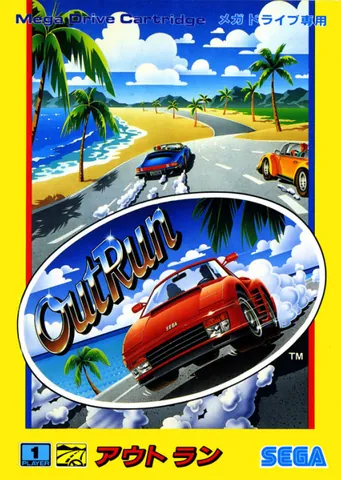
-
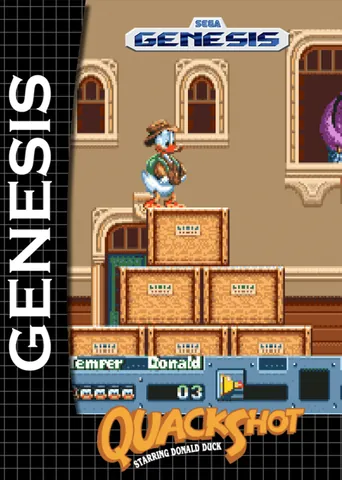
-
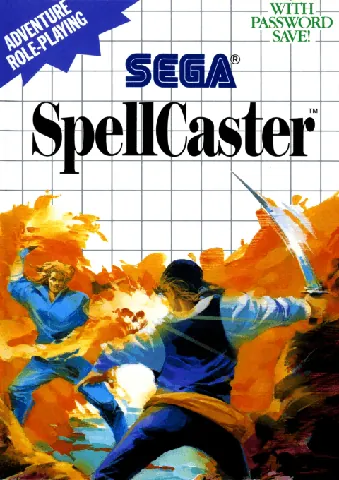
Spellcaster · 1991
-
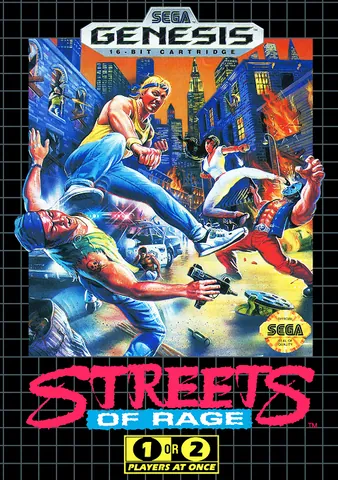
Streets of Rage · 1991
-
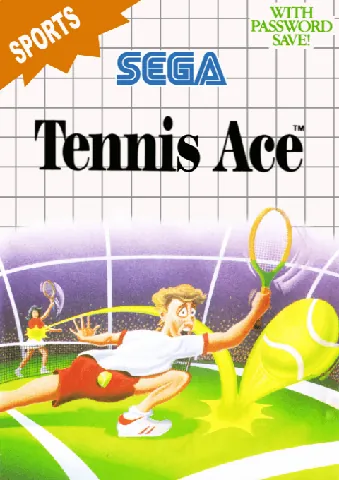
Tennis Ace · 1991
-
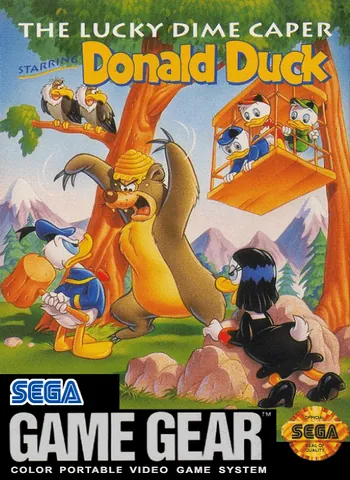
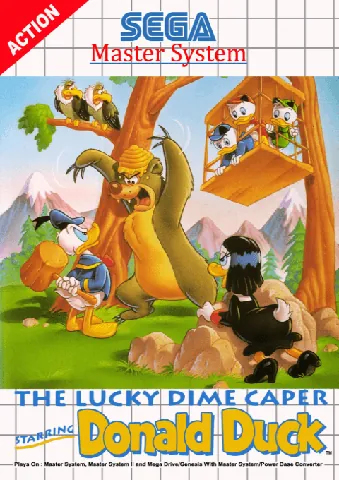
The Lucky Dime Caper · 1991
-
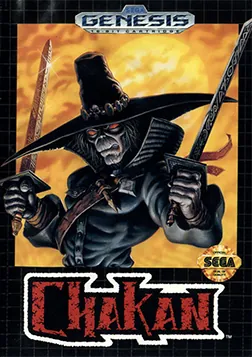
Chakan: The Forever Man · 1992
-
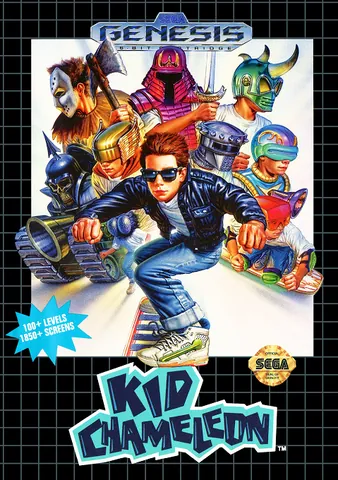
Kid Chameleon · 1992
-
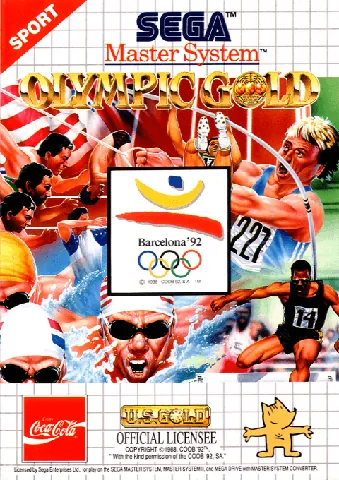
Olympic Gold · 1992
-
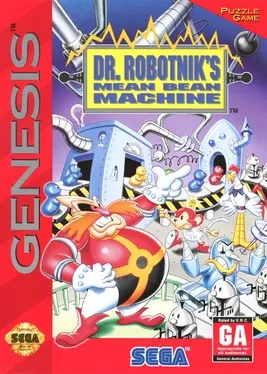
-
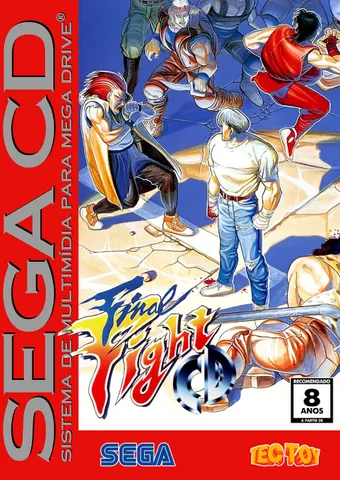
Final Fight CD · 1993
-
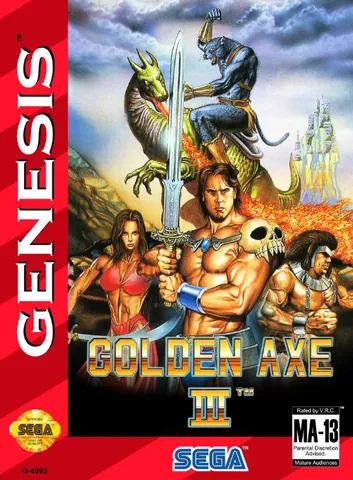
Golden Axe III · 1993
-
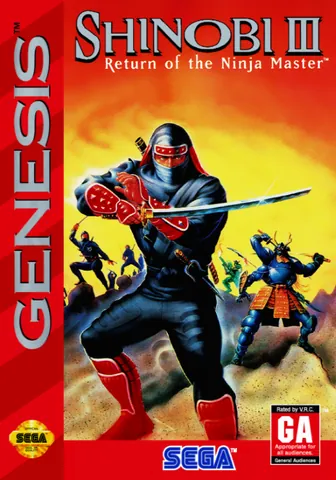
-
-
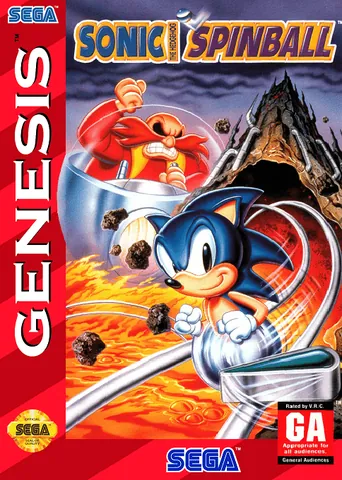
Sonic Spinball · 1993
-
-
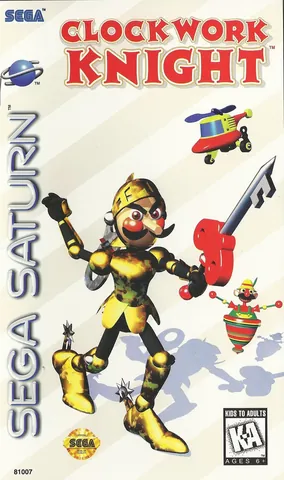
Clockwork Knight · 1994
-
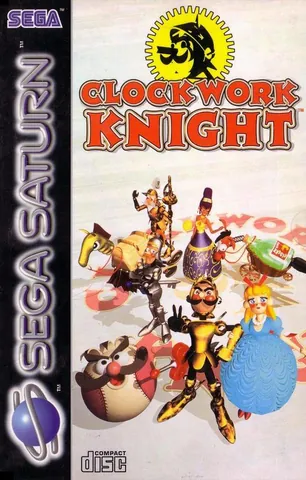
Clockwork Knight 1 & 2 · 1994
-
-
Sega Rally Championship · 1994
-
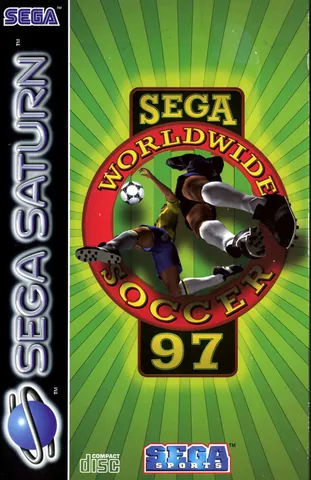
Sega Worldwide Soccer · 1994
-
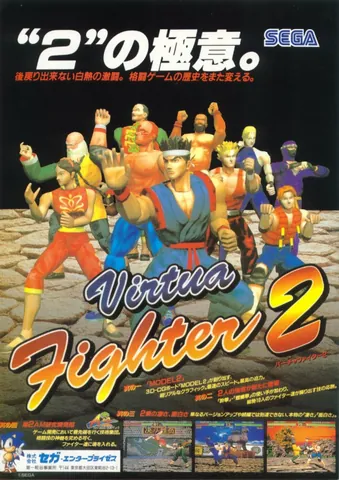
Virtua Fighter 2 · 1994
-
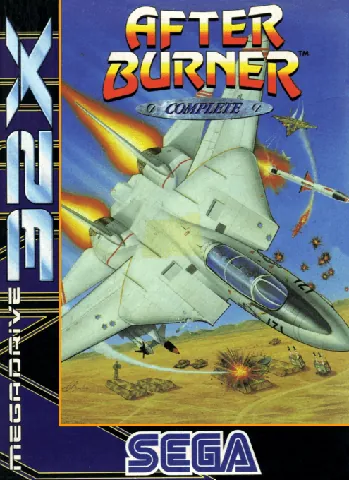
After Burner Complete · 1995
-
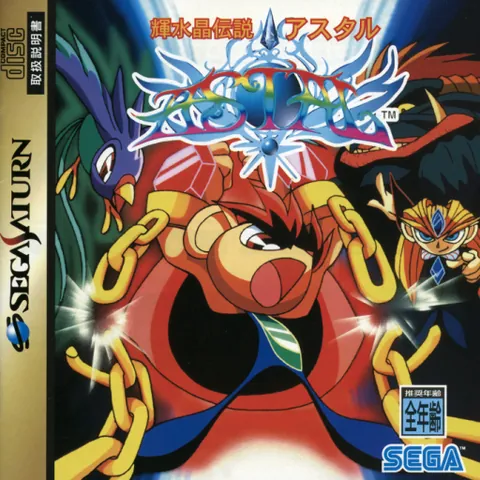
-
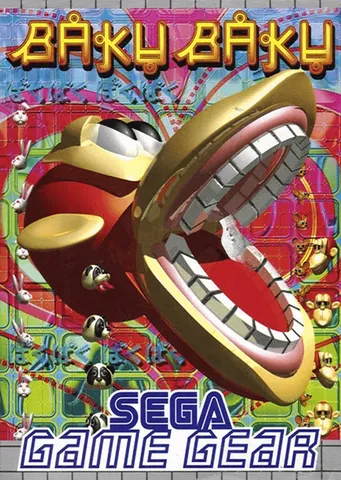
Baku Baku Animal · 1995
-
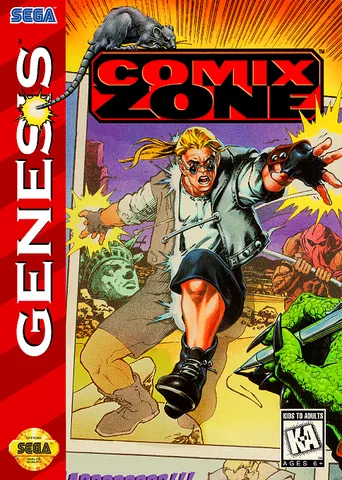
Comix Zone · 1995
-
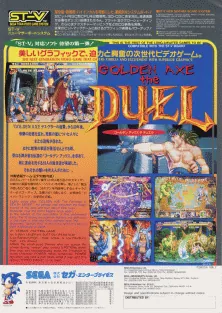
Golden Axe: The Duel · 1995
-
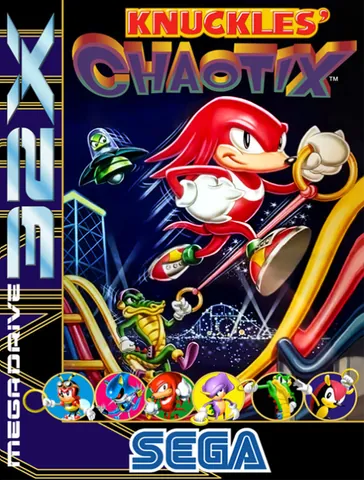
Knuckles' Chaotix · 1995
-
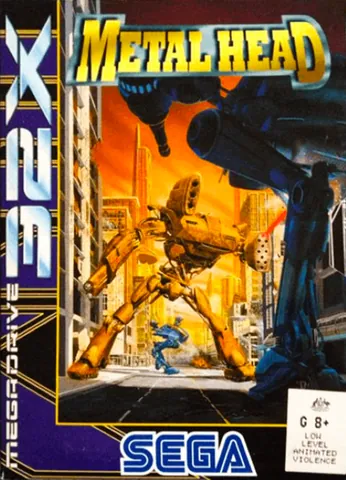
Metal Head · 1995
-
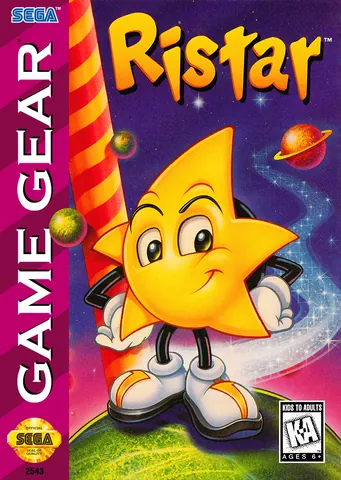
-
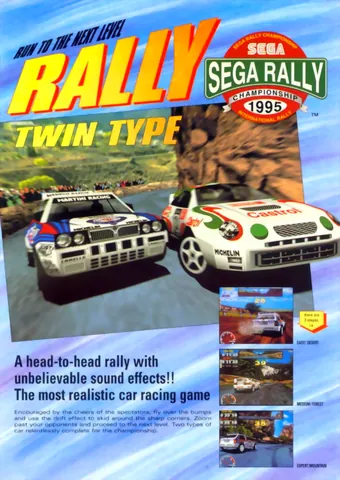
Sega Rally · 1995
-
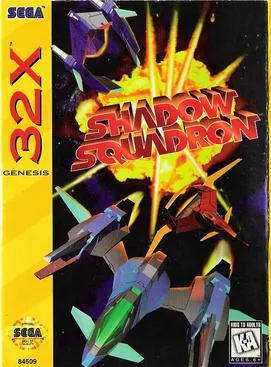
Shadow Squadron · 1995
-
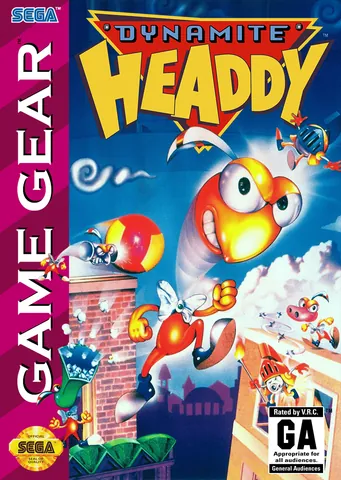
Dynamite Headdy · 1996
-
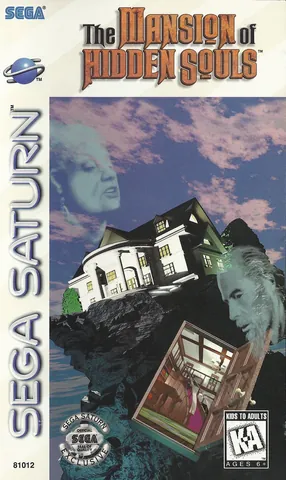
Mansion of Hidden Souls · 1996
-
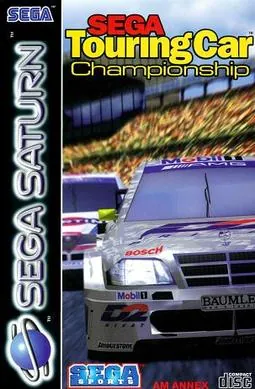
-
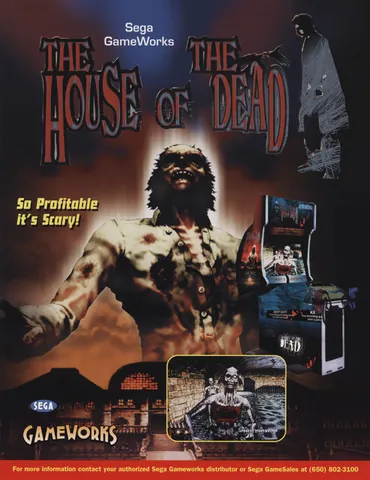
The House of the Dead · 1996
- MAME
Sega Bass Fishing · 1997
-
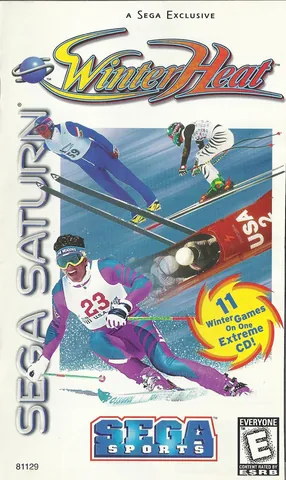
Winter Heat · 1997
-
-
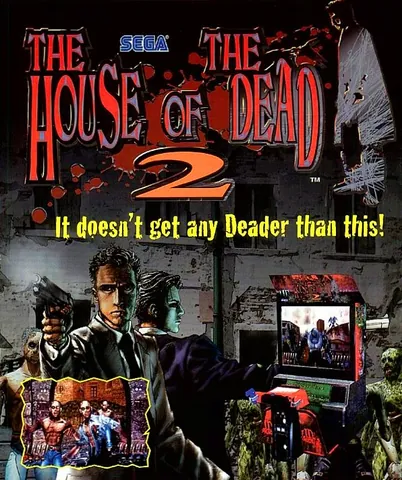
The House of the Dead 2 · 1998
-
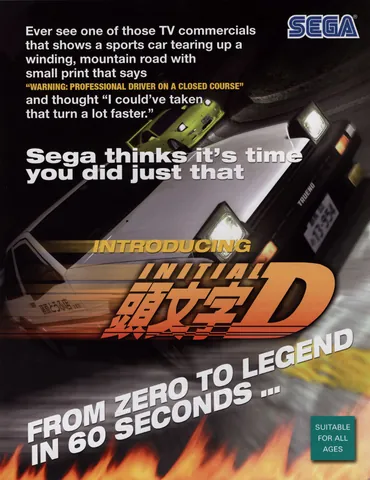
Initial D Arcade Stage · 2002
-
-
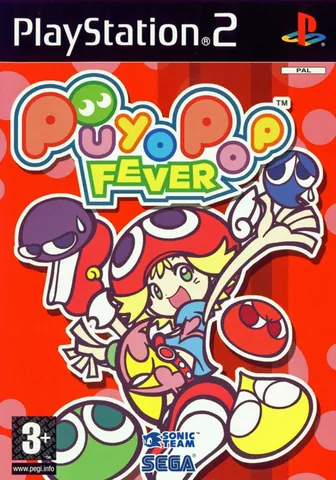
Puyo Pop Fever · 2004
-
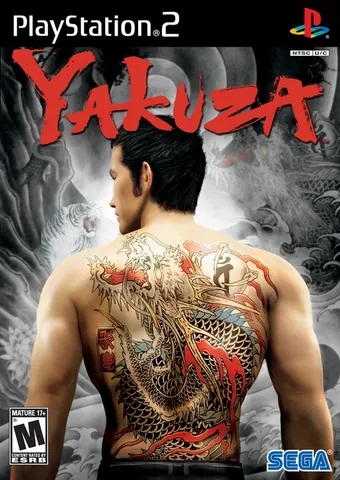
-
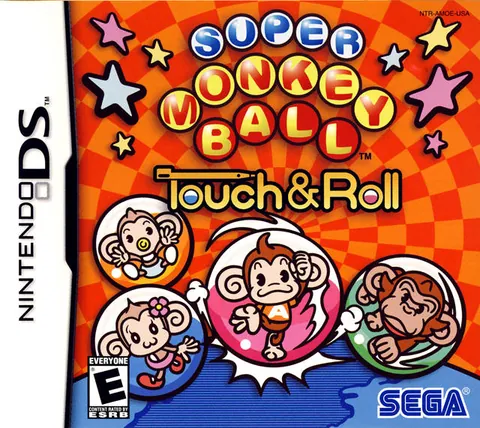
-
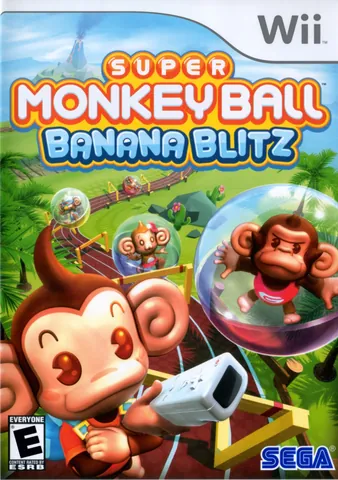
-
-
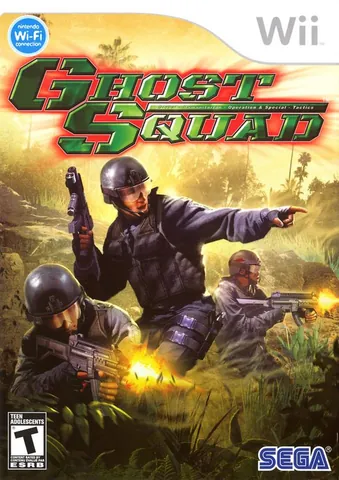
Ghost Squad · 2007
-
-
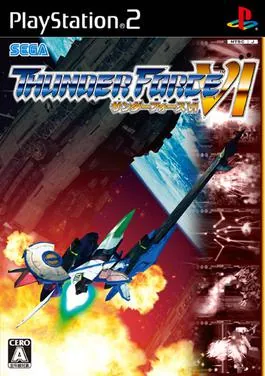
Thunder Force VI · 2008
-
-
-
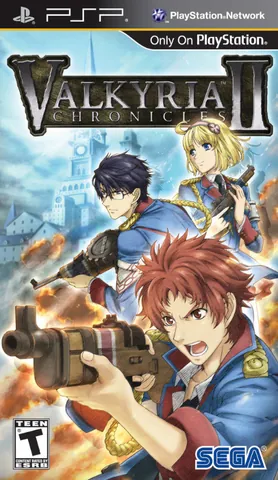
Valkyria Chronicles II · 2010
-
-
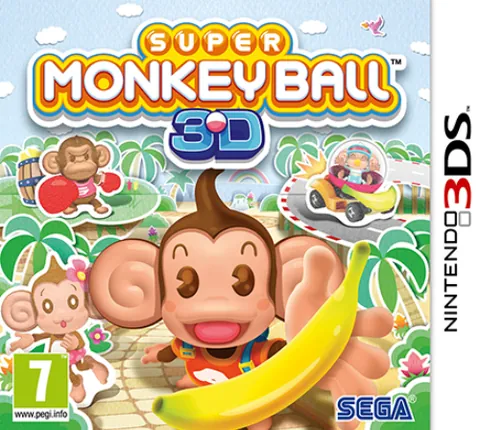
Super Monkey Ball 3D · 2011
-
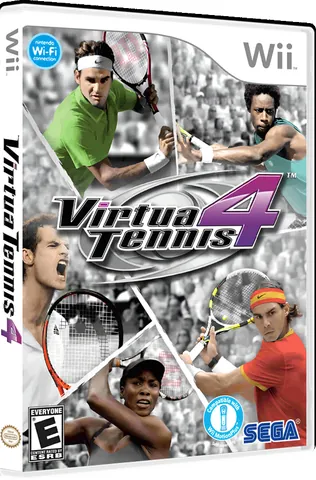
Virtua Tennis 4 · 2011
-
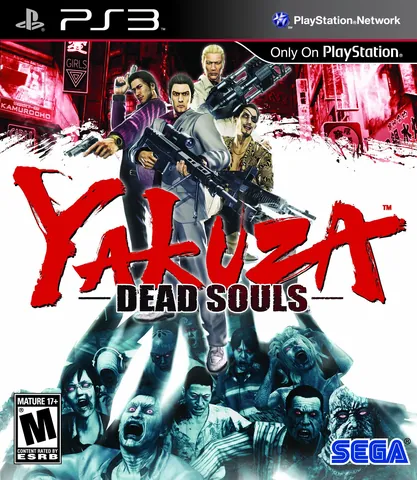
Yakuza: Dead Souls · 2011
- Mobil
Crazy Taxi · 2012
-
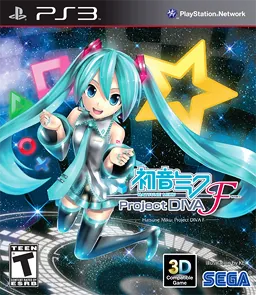
Hatsune Miku: Project DIVA f · 2012
-
-
-
-
-
-
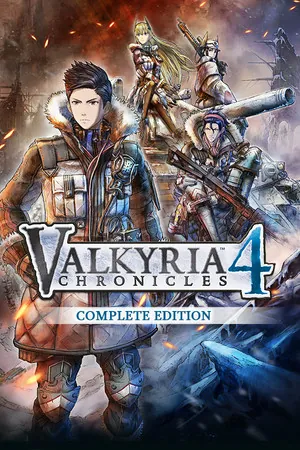
Valkyria Chronicles · 2014
- PS4
Yakuza Ishin! · 2014
-
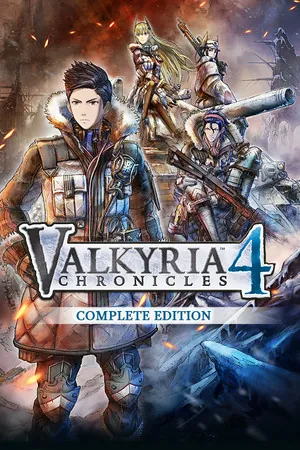
Valkyria Chronicles 4 · 2018
-
-
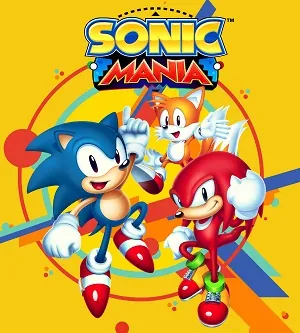
Sonic Mania Plus · 2023