 Sony · 2006
Game consoles
Sony PlayStation 3
History & context
When Sony launched the PlayStation 3 in Japan and North America in November 2006 (and a year later, in March 2007, in Europe too), it was building on its predecessor's success with the feeling that it could afford almost anything. The result was a machine full of bold decisions — its own exotic processor, a built-in Blu-ray drive, a free online network — but also a high price that made the PS3 the most expensive console of its generation. The base model cost $499 in the US, the better-equipped version $599, and Sony lost money on every unit for a long time. The high price combined with the inaccessible architecture gave the PS3 a slow start, with the Xbox 360 holding almost a year's head start. Even so, the PS3 eventually grew into one of the most successful consoles in history, with a rich library of exclusives.
Technology: Cell and graphics
At the heart of the PlayStation 3 was the Cell Broadband Engine processor, developed jointly by Sony, Toshiba, and IBM. It was a radically different architecture: a single main PPE core based on PowerPC was supplemented by eight secondary SPE (Synergistic Processing Elements) units for massively parallel computation. Theoretically enormous performance, but in practice the Cell placed unusual demands on developers — code had to be manually split across the units, and as a result many early multiplatform games ran worse on PS3 than on the Xbox 360.
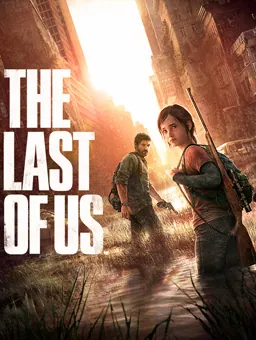
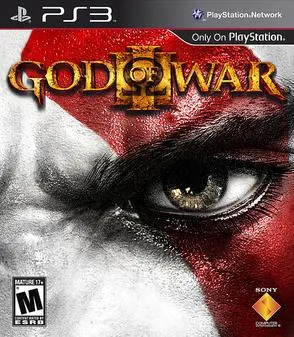
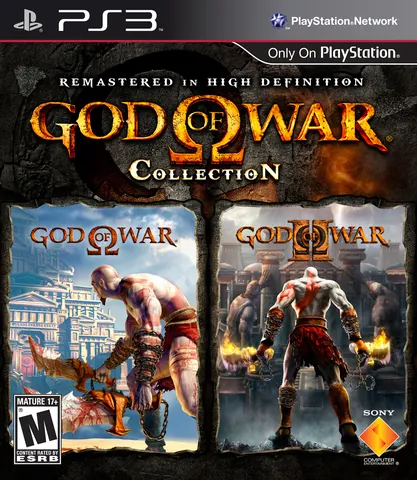
Graphics were handled by Nvidia's RSX chip, derived from the GeForce 7 series, with 256 MB of dedicated memory. It communicated with the Cell over a fast bus, and together they could render scenes at up to 1080p — one of the first consoles with full HD support. Mastering the combination of both architectures took time, so sweeping titles like Uncharted 2, The Last of Us, and God of War III only appeared later.
Blu-ray and multimedia
One of Sony's most significant moves was building a Blu-ray Disc drive into every console. This made the PS3 the cheapest Blu-ray player on the market and unwittingly gave it a role in the format war against HD DVD — thanks to the PlayStation's huge installed base, Sony's format won out, and the competing HD DVD (backed by Microsoft, among others) disappeared from the market in 2008. Blu-ray also solved a practical problem: PS3 games took up tens of gigabytes, more than DVD could handle. The console also played music, photos, and video, serving as the living room's media hub.
PlayStation Network and online
The PS3 also introduced PlayStation Network (PSN) — a service that, unlike Xbox Live, Sony offered free for online gaming. That was a strong argument for many players, even though PSN long lagged behind the competition in convenience and stability (the most painful moment was the 2011 security breach, which took the network down for weeks). Over time it grew to include the PlayStation Plus subscription and a digital store, and became the foundation for subsequent console generations.
Models and revisions (fat, Slim, Super Slim)
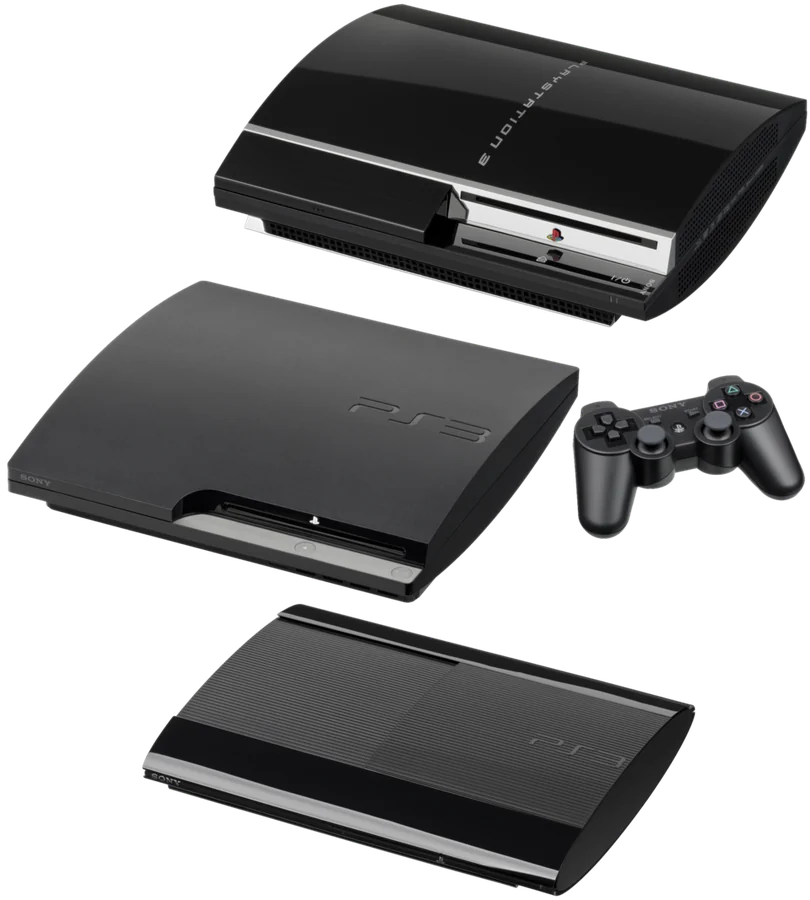
The first generation, today nicknamed the 'fat' PS3, came in versions based on drive capacity — the priciest models had backward compatibility with the PlayStation 2, initially hardware-based, later software-only, and eventually dropped entirely on cheaper models. In 2009 came the smaller, quieter PS3 Slim with reduced power draw and price, followed in 2012 by the even more compact PS3 Super Slim with a sliding drive cover. The redesigns helped Sony cut costs enough to turn money-losing hardware into a profitable product.
Significance and legacy
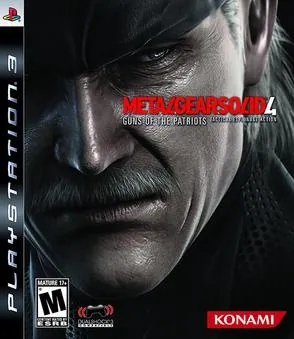
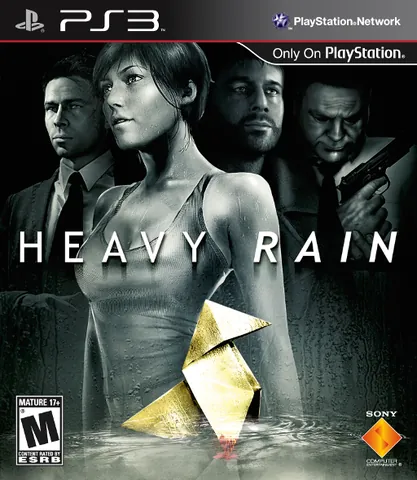
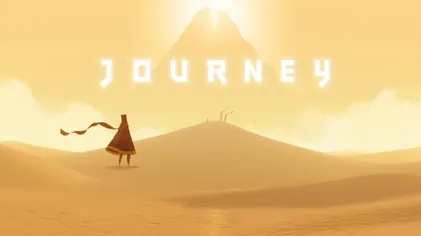
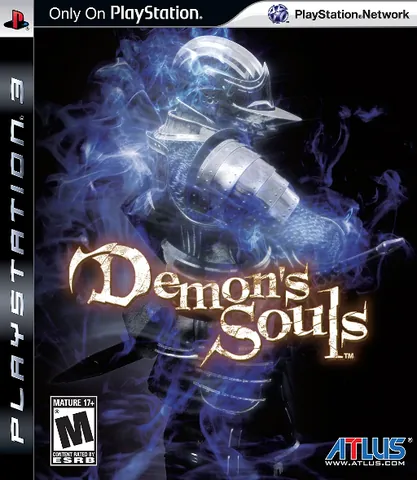
Despite its slow start, the PlayStation 3 ultimately sold approximately 87 million units and became home to games that still rank among the most significant in the medium's history — from Metal Gear Solid 4 and Demon's Souls, which laid the foundation for the soulslike genre, to Journey and Heavy Rain, up to the crowning achievements of Naughty Dog. The Cell's demanding architecture may have slowed the PS3 at launch, but it also forced developers to find unexpectedly efficient solutions. Production wound down gradually between 2015 and 2017. Today the PS3 is one of the toughest targets for emulation out there — the combination of Cell and RSX is difficult to replicate (though the RPCS3 project keeps making remarkable progress), so for many players the original remains the most reliable way to play the classics.
Games on this platform (293)


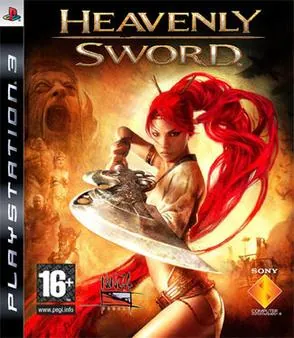
Heavenly Sword
Ninja Theory's debut about the warrior Nariko and a sword that trades life for power.


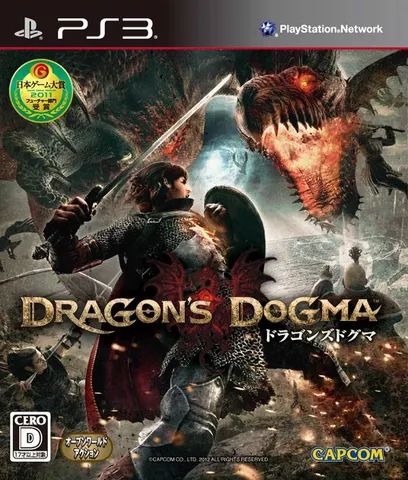
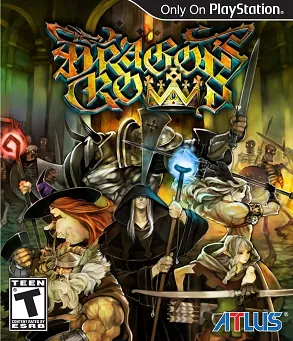
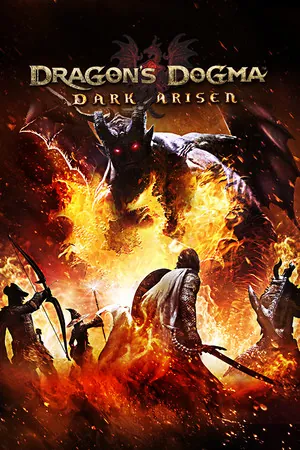
Dragon's Dogma
The Arisen, heart devoured by a dragon, travels with Pawns, AI-controlled companions.






Mass Effect 2
Arrived on PS3 with most of its DLC; assembling the team drives a gripping middle act.
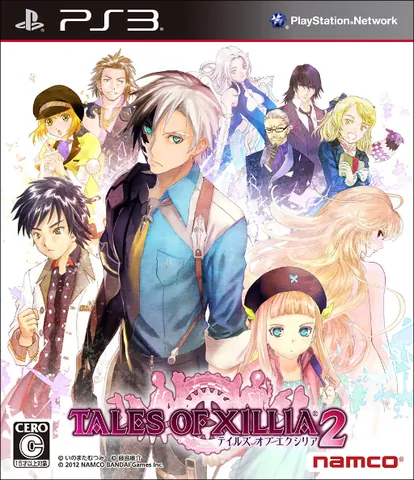
Tales of Xillia
One of the most accessible Tales entries; two heroes, two perspectives on the story.

Diablo III
The console version arrived a year after PC and proved a surprisingly better way to play.
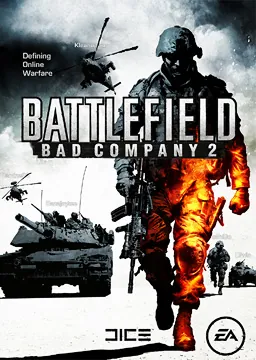
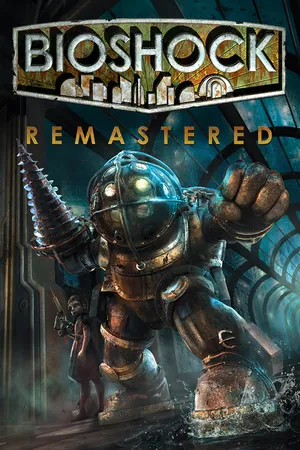
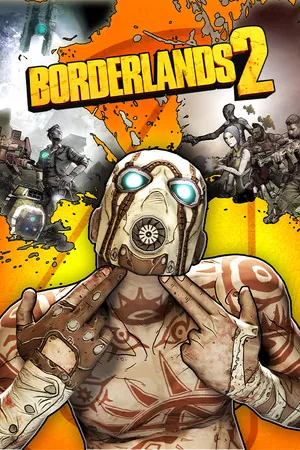
Borderlands 2
A refined looter shooter; Pandora is ruled by one of the best-written villains around.
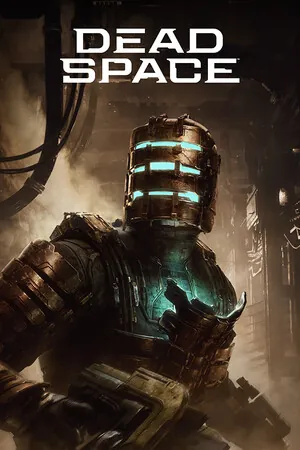
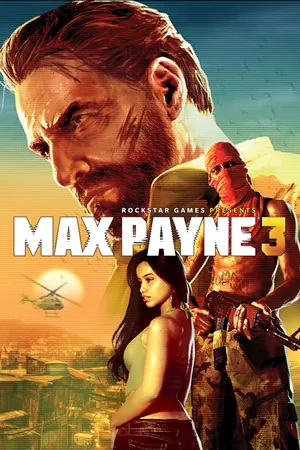
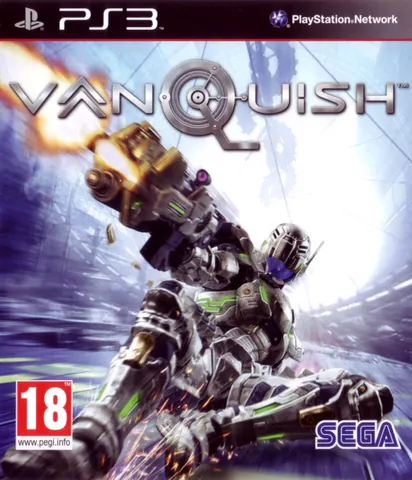

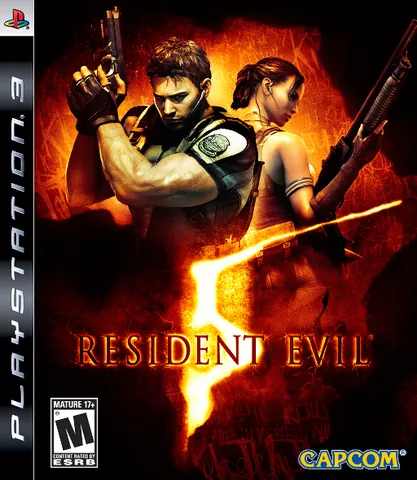
Resident Evil 5
Chris Redfield in Africa alongside Sheva; a game built from the ground up for co-op.
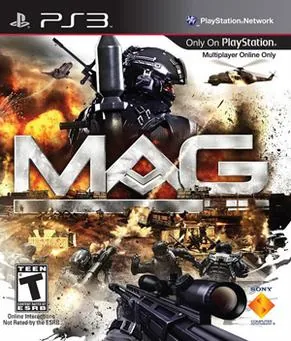





















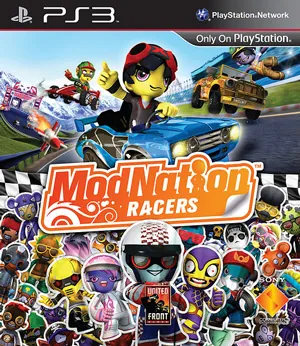
ModNation Racers
Kart racing with an editor letting players build their own racers, cars and tracks.












The Orange Box
Three excellent games in one package; arrived on PS3 two months later due to porting.















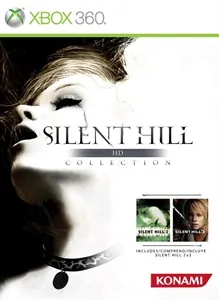
Silent Hill HD Collection
A remastered collection of Silent Hill 2 and 3 for one console generation.



















No game in this genre.