Limbo
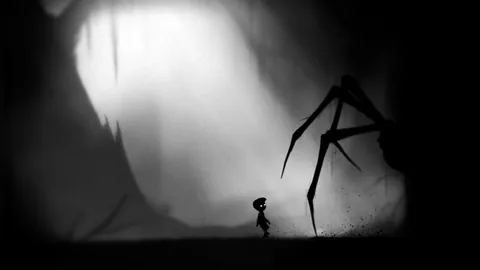
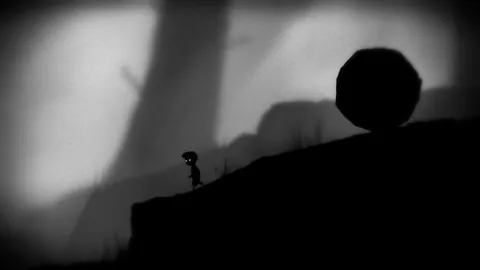
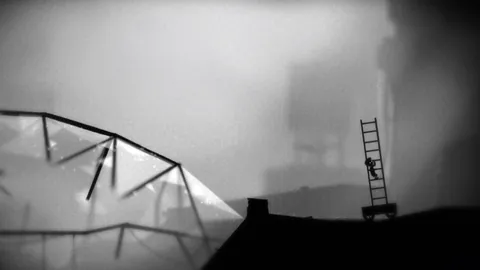
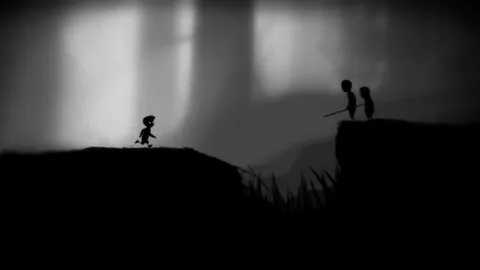
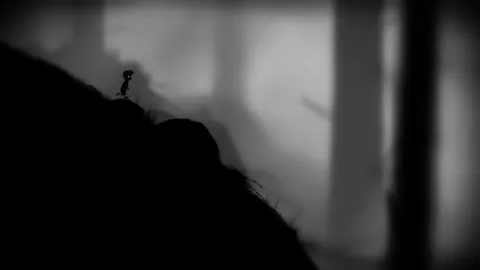


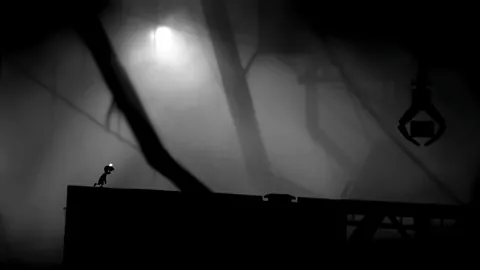
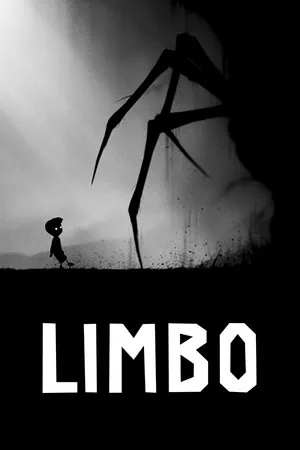
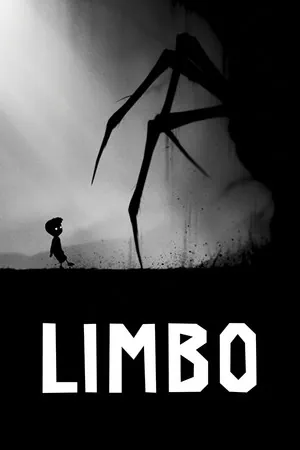
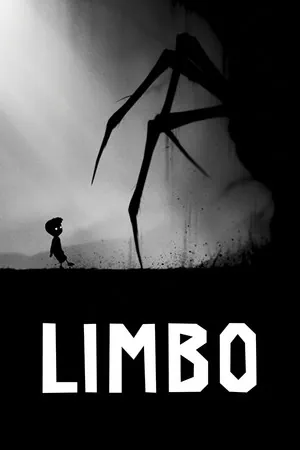
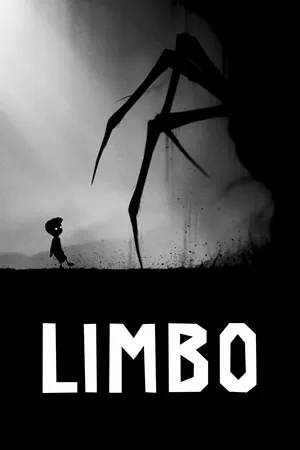
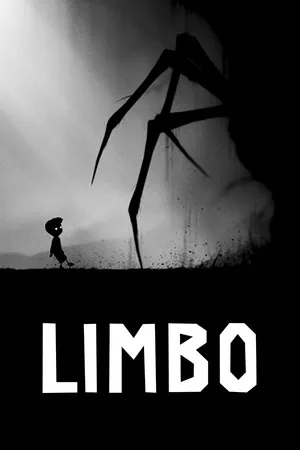
Limbo begins without a single word of explanation: a boy wakes up in a forest and walks to the right. The whole game is black and white, rendered as silhouettes against a hazy depth of field and accompanied almost exclusively by ambient sounds, such as creaking wood, wind, and water. It's precisely this restraint that makes Limbo one of the most powerful atmospheric experiences of its time, since the player fills in most of the story themselves, and the game never tells them exactly what is happening or why.
The gameplay relies on physics-based puzzles and precise jumping. The player pulls crates, flips levers, swings on ropes, and uses gravity traps against enemies, among whom are other people and the famous giant spider from the opening sections. A significant portion of the puzzles are built around the player dying, which the game doesn't hide at all; the deaths are graphic and brutal, but checkpoints are generous and restarting is instant, so trial and error works as a natural way of learning. In the second half, the environment shifts from forest to industrial ruins, and the puzzles begin working with gravity and machinery, raising the pace.
The game was originally released elsewhere and arrived on PlayStation 3 in 2011 with solid technical execution. The reception was exceptionally praising, and Limbo, together with several other titles, became proof that the independent scene could produce games with their own clear authorial signature. Its visual style inspired numerous followers, and studio Playdead later followed it up with another, even more refined title. Today, Limbo can be completed in a single evening, and that's exactly its strength: it's a tight, evocative, and technically timeless game built on mood rather than effects.
Game 107 of 293 for Sony PlayStation 3