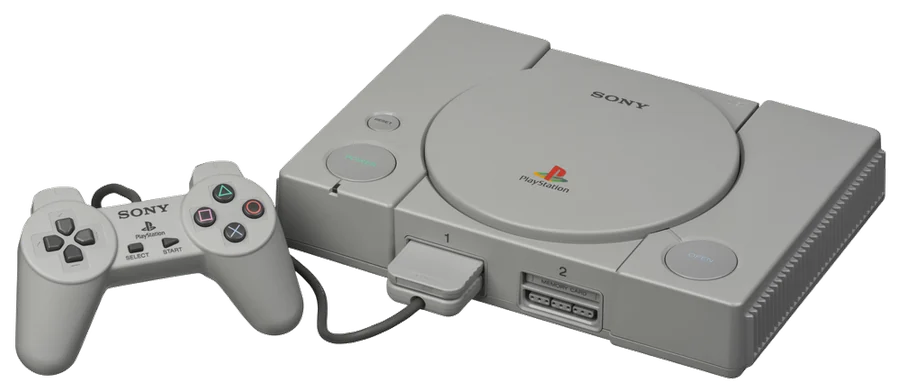
 Sony · 1994
Game consoles
Sony PlayStation
History & context
When Sony launched its first gaming machine in Japan in December 1994, few suspected that this was the beginning of the end of an era in which the gaming market was split between Nintendo and Sega. The PlayStation paradoxically emerged from the wreckage of a failed partnership — Sony was originally preparing a CD add-on for the Super Nintendo, but Nintendo cancelled the collaboration at the last minute and struck a deal with Philips. Humiliated but determined, Sony transformed its project into a standalone console and used it to defeat both reigning kings.
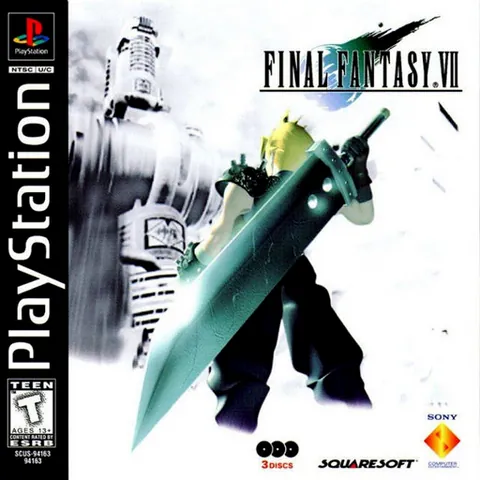
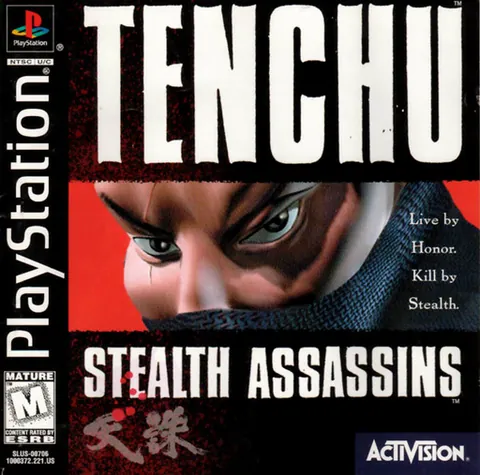
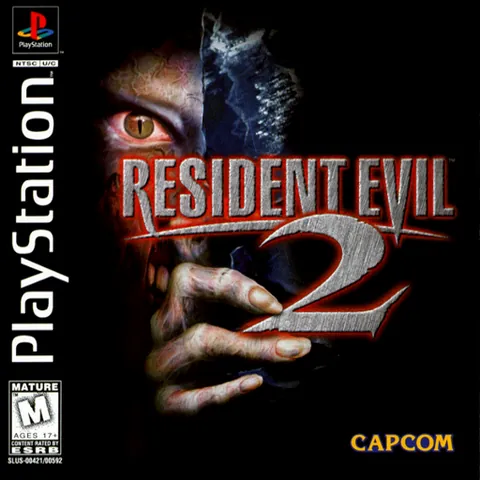
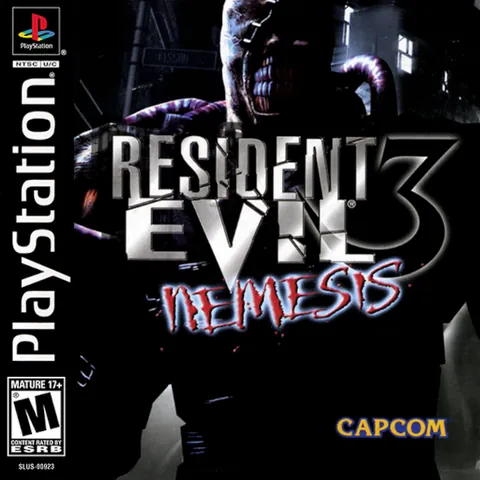
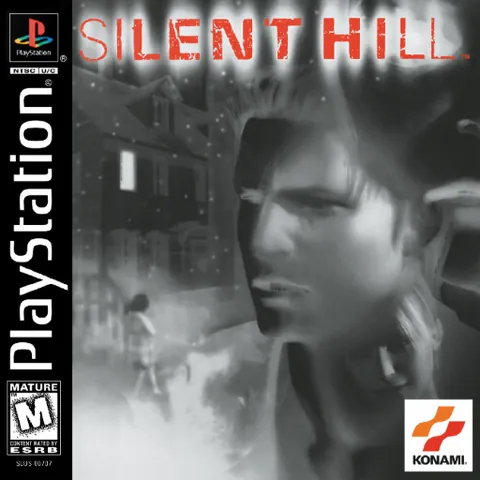
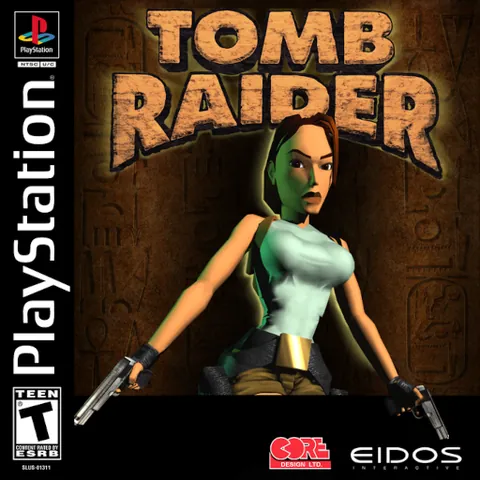
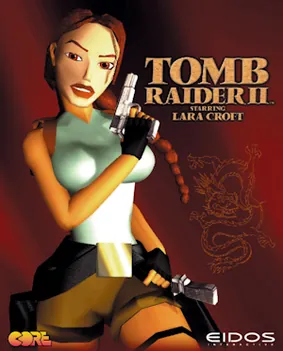
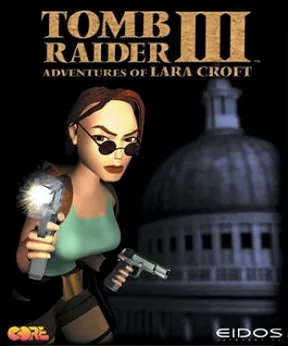
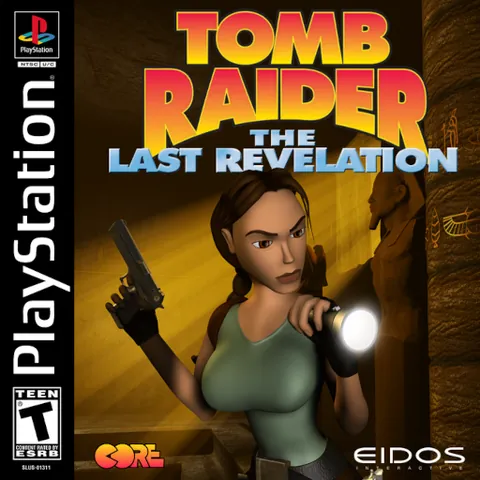
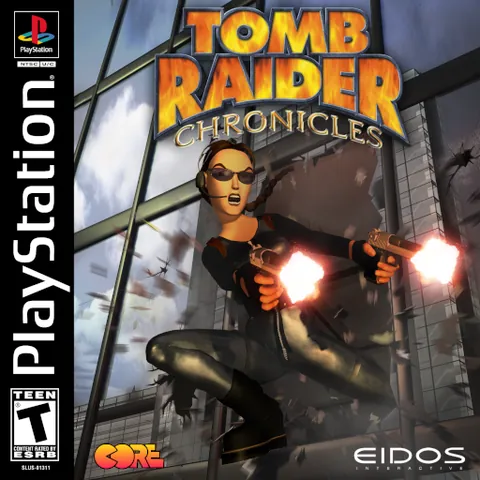
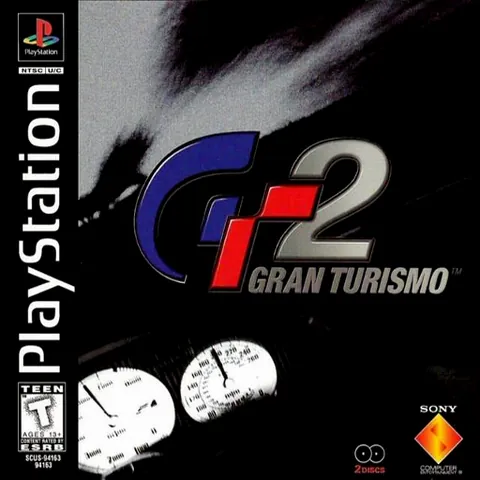
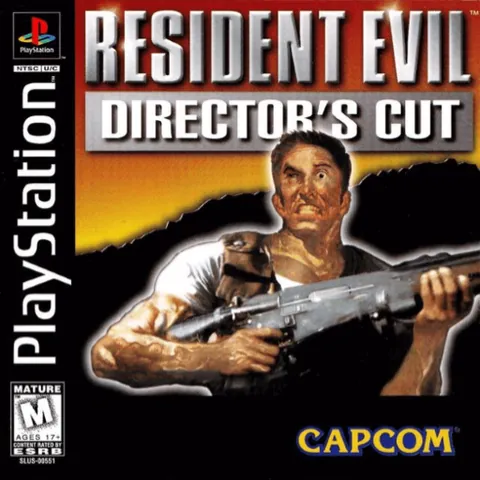
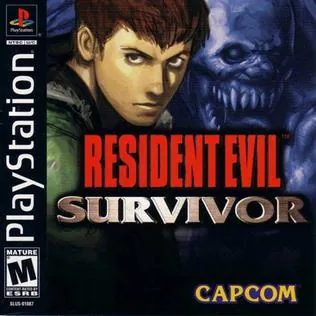
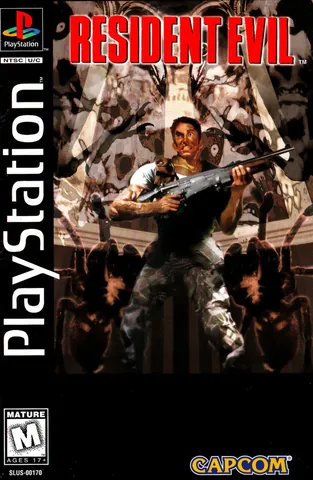
The key to its success was betting on CD-ROM instead of expensive cartridges. This meant cheaper manufacturing, many times greater capacity (cinematic cutscenes, voice acting, quality music) and a lower barrier for studios. On top of that, Sony treated developers well and built a „more grown-up“ image of gaming aimed at teenagers and young adults. The result? More than 100 million units sold and a generation that defined modern gaming. Final Fantasy VII popularised JRPGs in the West, Resident Evil and Silent Hill created the survival horror genre, Metal Gear Solid and Tomb Raider showcased the power of 3D storytelling, and Gran Turismo elevated racing simulators.
Technology: graphics and sound
At the heart of the console is a 32-bit MIPS R3000A processor clocked at roughly 33.8 MHz, complemented by a specialised geometry coprocessor, the GTE, for 3D transformation calculations. The graphics core could render on the order of hundreds of thousands of textured polygons per second and worked at resolutions from roughly 256×224 up to 640×480 pixels with a palette of up to 16.7 million colours.
The PlayStation does, however, have an unmistakable visual „signature“ that is enjoying a nostalgic renaissance today. The console was unable to perspective-correct textures or calculate depth precisely with floating point — it rounded coordinates to whole numbers. The result is the characteristic „swimming“ and jitter of textures and polygons as the camera moves. The hardware also lacked a proper z-buffer, so fog and darkness were widely used to hide the draw distance. It is precisely this aesthetic that indie creators deliberately imitate today under the „PS1 style“ banner.
Sound was handled by a dedicated SPU chip with 24 hardware channels, support for ADPCM samples and hardware reverb. Thanks to this, games sounded rich and, besides synthesised music, could also play full CD Audio tracks straight from the disc.
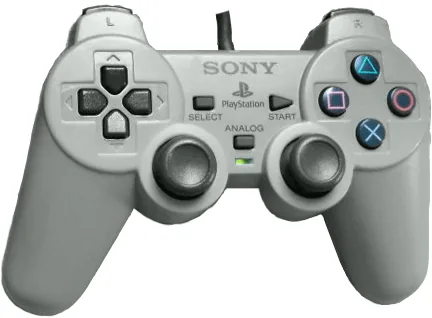
The standard was a memory card with a capacity of 128 kB (15 blocks), onto which saves were stored — an absolute necessity for large RPGs. The console had two controller ports and two card ports.
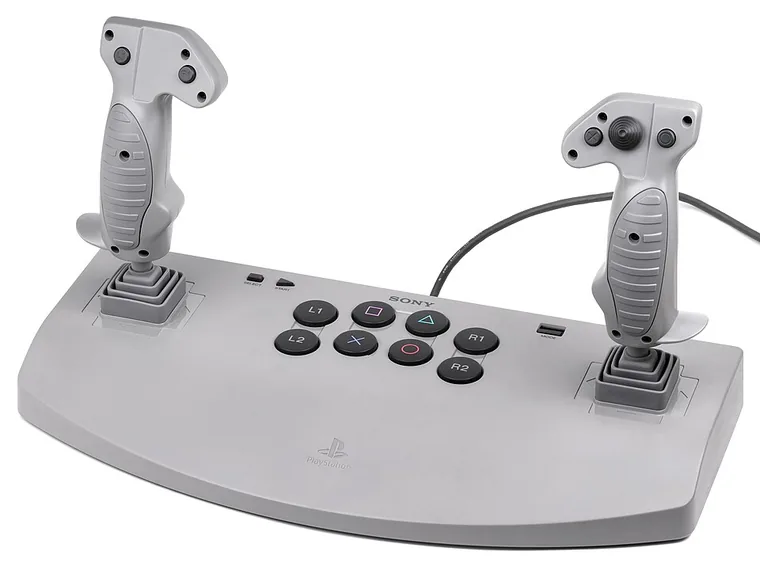
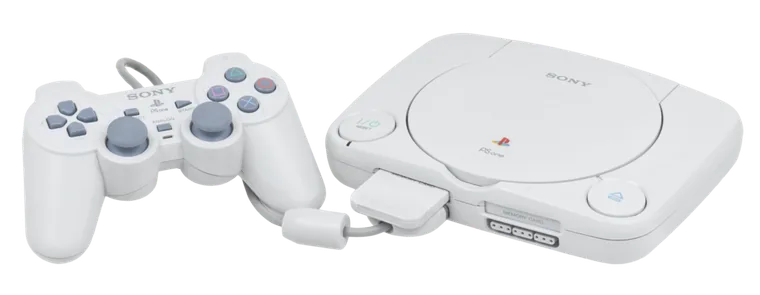
The original model bore the designation SCPH-1000 and further numerical series. Gradual revisions cut manufacturing costs and addressed problems — the troubles with worn optics and skipping on older units were notorious, and could be alleviated by turning the console upside down. Later versions also removed the separate parallel (parallel I/O) port used by cheating devices, as well as the serial port.
A major redesign came in 2000 with the PS one — a markedly smaller, rounded console intended for a new generation of buyers, for which a small LCD screen could also be bought to play away from the television. The console remained fully compatible with the original library. Its successor, the PlayStation 2, could moreover play the vast majority of PS1 games thanks to related hardware, thereby extending the titles' lifespan even further.
Clones and variants
Sony guarded the brand strictly, so legal „clones“ in the spirit of famiclones practically did not exist. In the post-Soviet and Eastern European space — the Czech Republic included — however, piracy became a phenomenon: thanks to modchips (small chips bypassing regional and copy protection) and burned CDs, the PlayStation spread here too in the 1990s and around the turn of the millennium, where original titles were financially out of reach for many. Marketplaces and flea markets with burned discs were a common reality back then. It was a grey-to-black scene, not official hardware clones.
Today's scene
PS1 emulation is among the most mature there is. On PC and handheld systems, DuckStation excels, while on weaker devices and within RetroArch the PCSX-ReARMed core serves well. Emulators moreover offer improvements no one dreamed of in the 1990s — higher internal resolution, perspective correction of textures (an end to the „swimming“), filtering and a widescreen hack.
Sony itself released the miniature PlayStation Classic in 2018 with pre-installed games. For true enthusiasts, though, the most rewarding path remains emulation with one's own disc backups — just bear in mind that CD images take up considerably more space on an SD card than cartridge consoles. The library is so rich that the hardest question remains: where to begin.
Games on this platform (215)
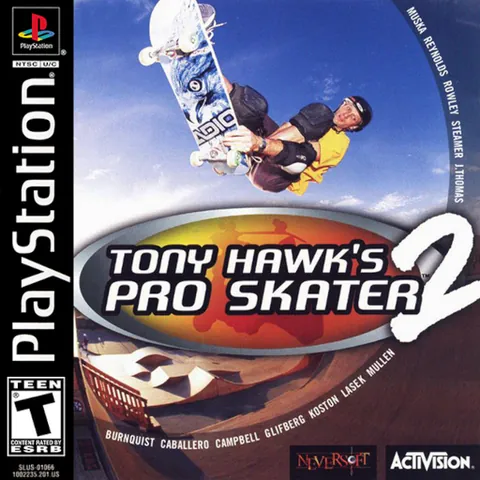
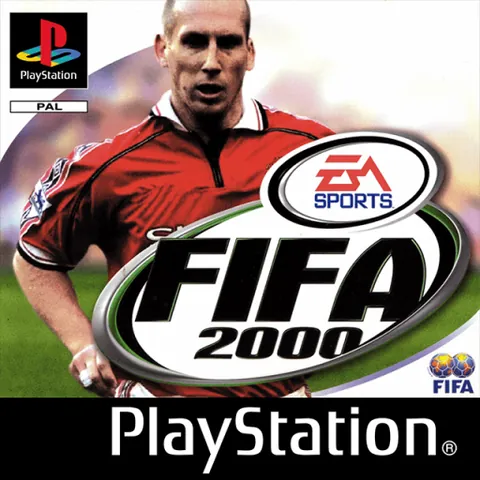
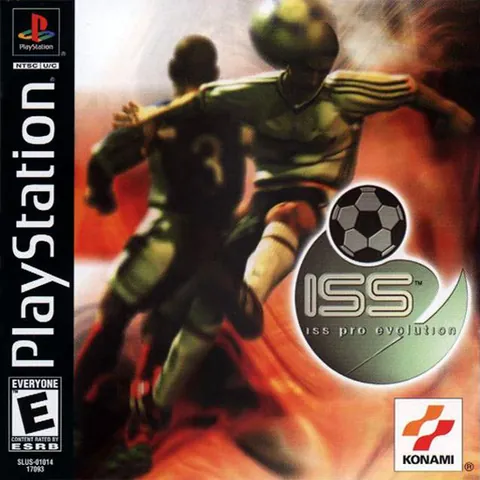
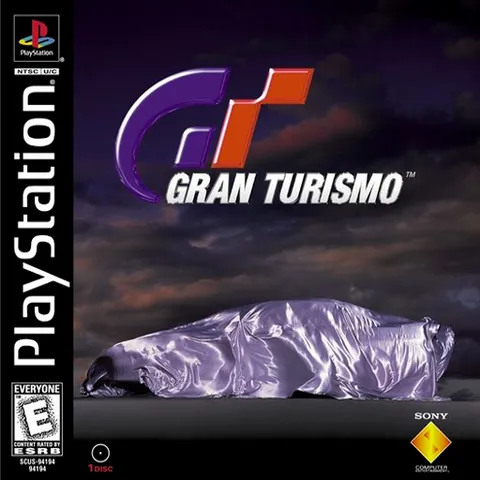
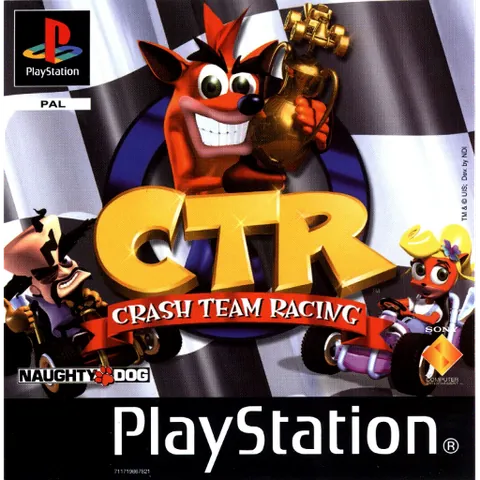
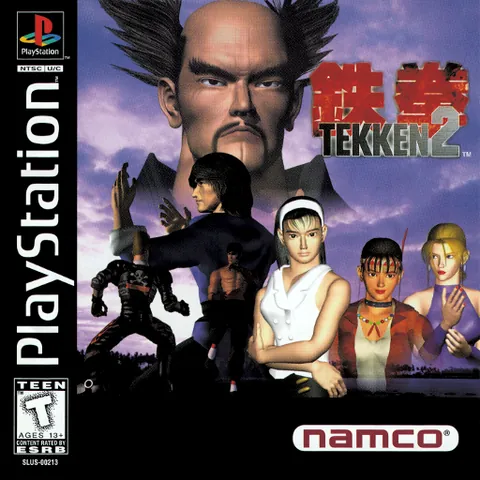
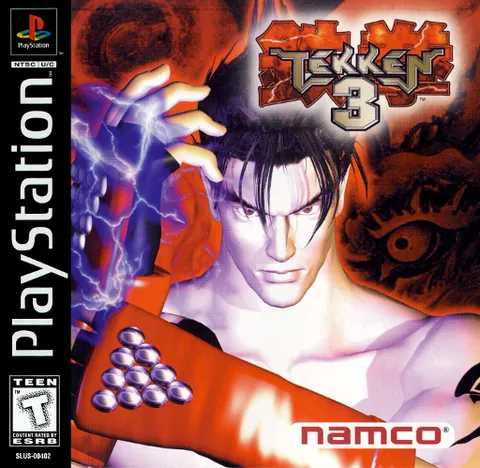
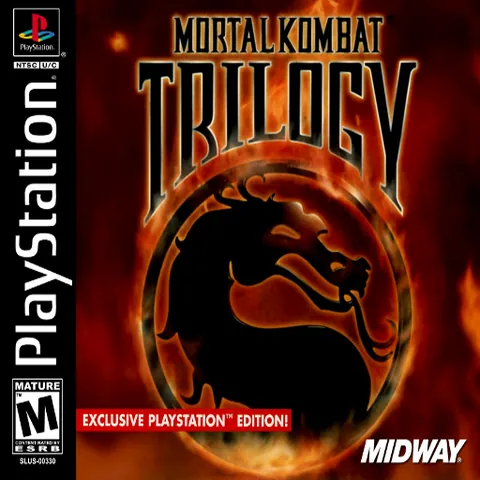

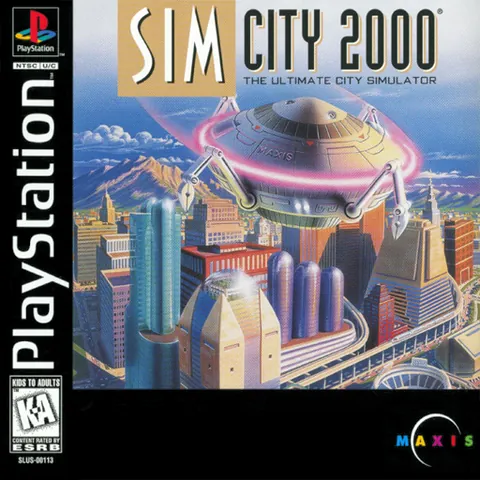
SimCity 2000
The cult city simulator arrived on console — build a metropolis that won't go bankrupt.
No game in this genre.