Persona 2: Eternal Punishment
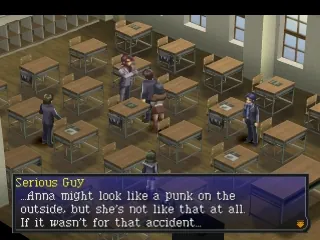
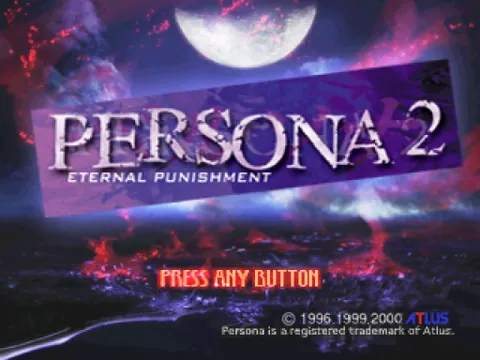
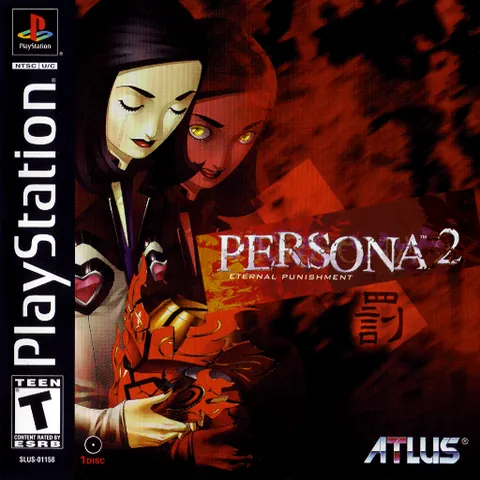
Persona 2: Eternal Punishment is a direct continuation of Innocent Sin and the second half of a story set in a present-day Japanese metropolis shaken by strange rumors that literally turn into reality. Players take charge of a party of young heroes led by journalist Maya Amano, who use the ability to summon Personas, alternative forms of their own psyche, to confront demonic forces as well as their own past traumas. The battle system is built around collecting and negotiating with demons through the Contact method, in which an enemy can be persuaded, frightened, or made to laugh during battle in order to recruit it into the party, setting the game apart from classic grinding and giving it a distinctly social dimension. The party gradually grows with additional characters whose own pasts are tied to the main plot about rumors becoming reality, and between battles the player spends time wandering the city and having conversations that reveal further layers of the story.
Graphically, the PlayStation game uses stylized character sprites against pre-rendered backgrounds, and the atmosphere is rounded out by a distinctive soundtrack with jazz and acid jazz elements, which became one of the trademarks of the early Persona era before the series moved to a more modern visual style. The story is darker and more mature than most JRPGs of the time, tackling themes of identity, guilt, and manipulation of the media and public opinion, and it's partly thanks to this that it earned a reputation as a cult favorite among genre fans.
In the Western release at the time, players got only this second half of the story, while Innocent Sin long remained exclusive to Japan, which for many years surrounded the game with an aura of rarity and inaccessibility. Today, Eternal Punishment is considered one of the most significant transitional titles between the older and modern Persona, and its influence can be seen in later entries in the series, which adopted and expanded on the concept of social interaction directly within battle. Even after all these years, the game still feels surprisingly self-assured, standing as proof that Atlus had a distinctive artistic vision long before the series became world-famous.
Why play: For fans of the Persona series, this is a transitional title with a surprisingly self-assured artistic vision, showing the roots of the social-interaction concept long before the series found fame.
Game 157 of 215 for Sony PlayStation
From the same series Persona →
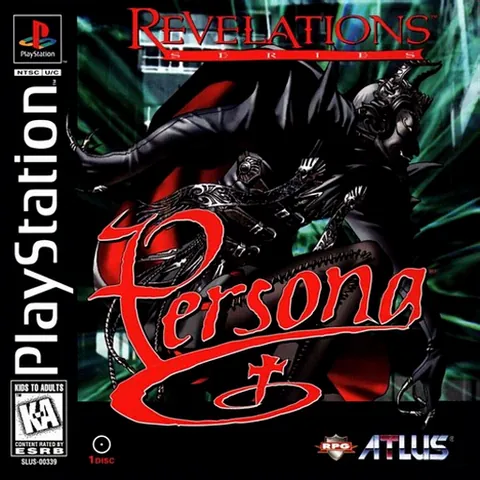 Persona (Revelations: Persona) PS1 · 1996
 Revelations: Persona PS1 · 1996
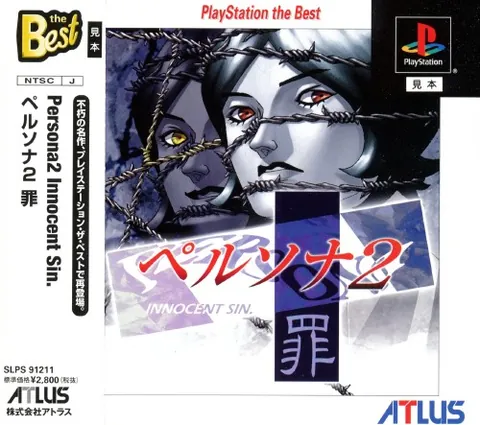 Persona 2: Innocent Sin PS1 · PSP · 1999
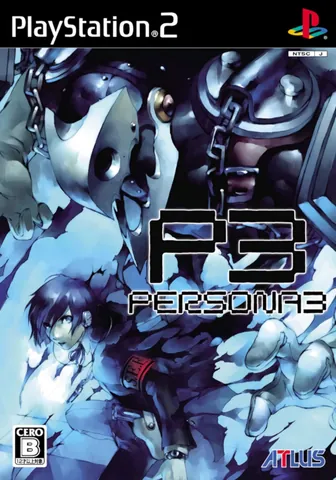 Persona 3 PS2 · 2006
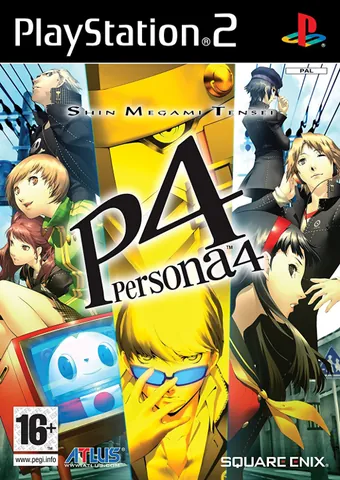 Persona 4 PS2 · 2008
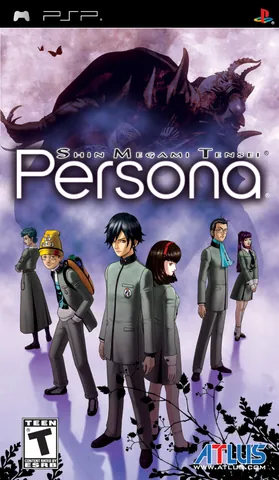 Shin Megami Tensei: Persona PSP · 2009
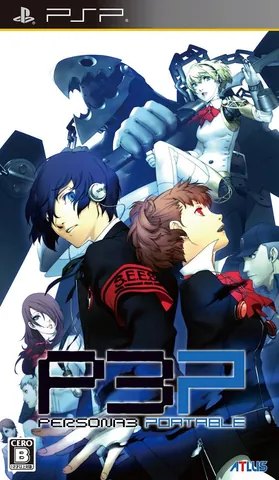 Persona 3 Portable PSP · 2011
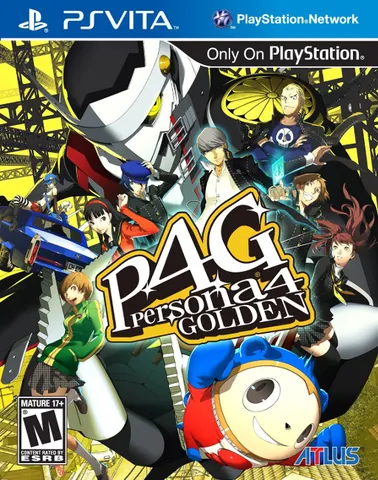 Persona 4 Golden Vita · PC · 2012
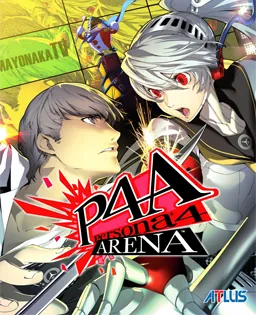 Persona 4 Arena X360 · PS3 · 2012
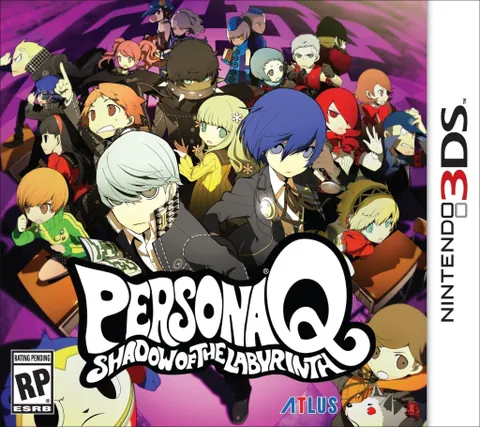 Persona Q: Shadow of the Labyrinth 3DS · 2014
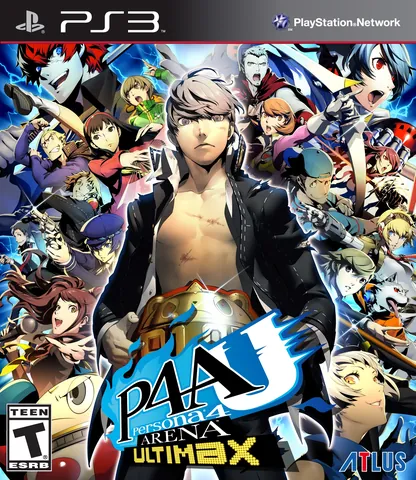 Persona 4 Arena Ultimax PS3 · 2014
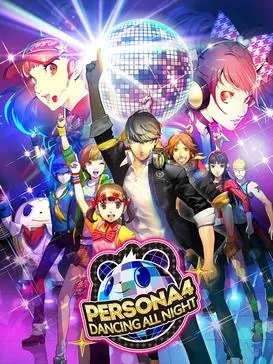 Persona 4: Dancing All Night Vita · 2015