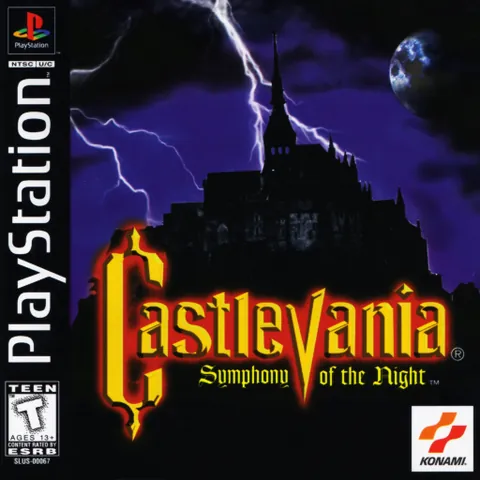
Castlevania: Symphony of the Night
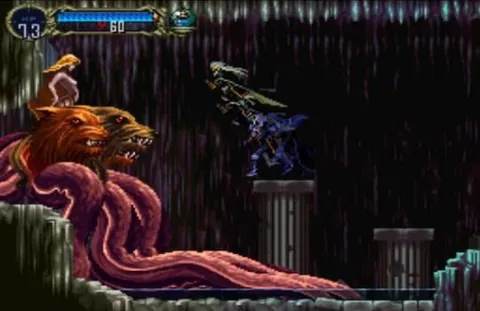
There is a game after which an entire genre was named - and Castlevania: Symphony of the Night is its second half. The term „Metroidvania“ would make no sense without this 1997 title. Here Konami took a long-running action series and transformed it into a sprawling, interwoven castle full of secret passages, abilities and treasures that unlocks gradually as your power grows.
Instead of linear progress through levels, you get one enormous, interconnected Dracula's castle to explore freely. New abilities - transformation into a bat, wolf or mist, a double jump - open up previously inaccessible areas, so you constantly return and discover more. Added to this were RPG elements: experience, levels, equipment and dozens of weapons that fundamentally change the style of play.
You play as Alucard, Dracula's son, an elegant vampire with both a katana and magic. The game became famous for its Gothic atmosphere, gorgeous hand-drawn 2D graphics and the music of Michiru Yamane, which to this day ranks among the best that game audio has offered. And then there is the notorious twist at the halfway point - the moment when you discover you have seen only half of what the game hides.
At the time of its release, when everything was rushing into 3D, the fully 2D Symphony of the Night came across almost as an act of defiance. Commercially it did not shine at first as it deserved to, but it gradually earned a reputation as a cult classic and one of the best titles of the entire PlayStation era.
Its influence is immeasurable. Together with Super Metroid it defined the template by which countless independent and major games are still built to this day. If you want to understand where half of the modern indie world came from, the path leads right here.
Why play it: For the founding work of an entire genre - Gothic atmosphere, addictive exploration and timeless 2D beauty that has not aged.
Game 11 of 215 for Sony PlayStation
The same title elsewhere (1)
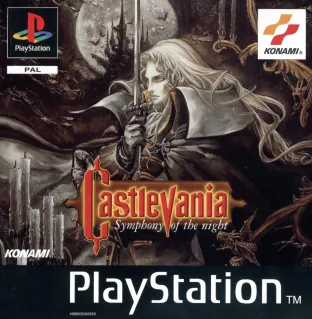
The 1997 original on Sony PlayStation is still the version worth playing today – it runs smoothly with no major technical hitches. A year later, Konami ported it to the SEGA Saturn, adding extra rooms, new bosses, and a playable Maria Renard with her own moveset. But the Saturn struggled with the game's transparency effects and fast-scrolling engine: it noticeably slows down, loading takes longer, and some areas look darker and less vibrant. The Saturn version is worth a look for the bonus content, but for the smoothest, most reliable experience, the PlayStation release remains the one to pick.
From the same series Castlevania →
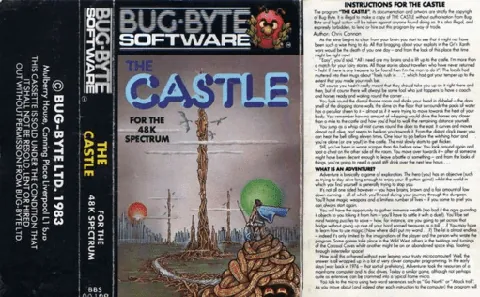 Castlevania: Spectral Interlude ZX
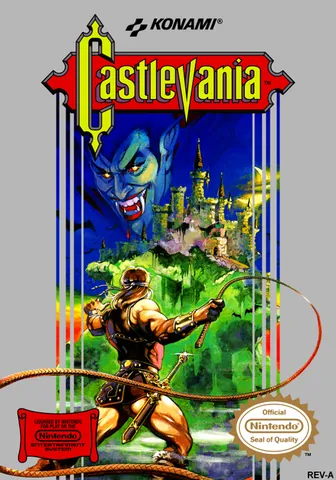 Castlevania NES · 1986 / 1989 (JP)
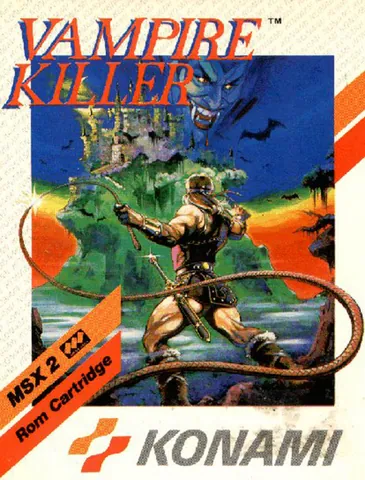 Vampire Killer (Castlevania MSX) MSX · 1986
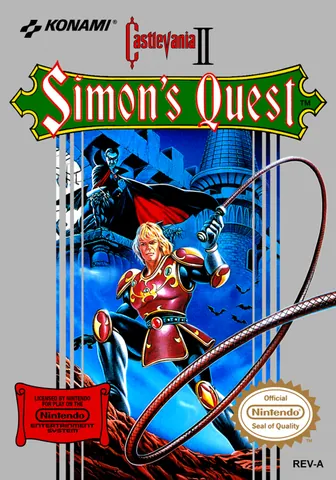 Castlevania II: Simon's Quest NES · 1987
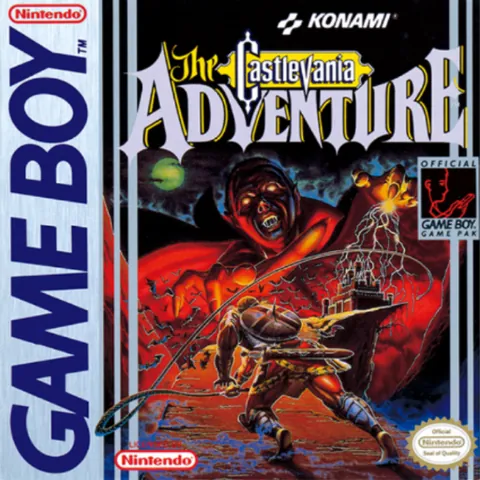 Castlevania: The Adventure GB · 1989
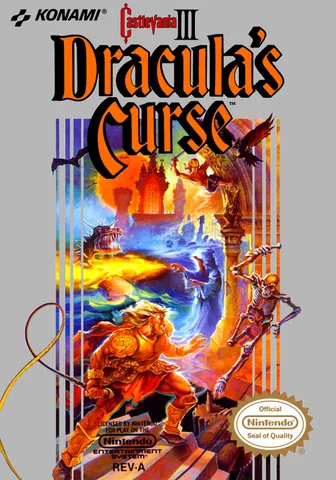 Castlevania III: Dracula's Curse NES · 1989
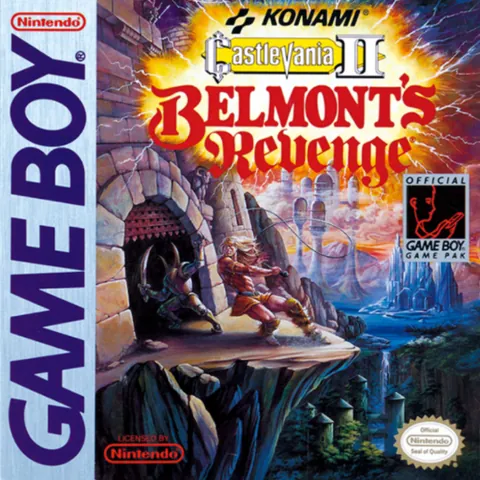 Castlevania II: Belmont's Revenge GB · 1991
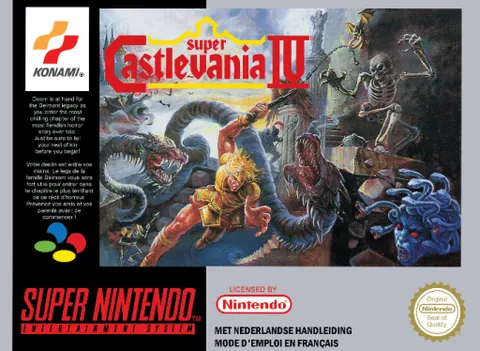 Super Castlevania IV SNES · 1991
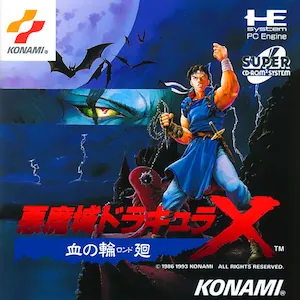 Castlevania: Rondo of Blood (CD) PCE · 1993
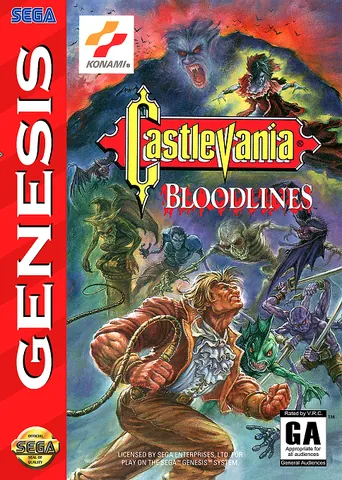 Castlevania: Bloodlines MD · 1994
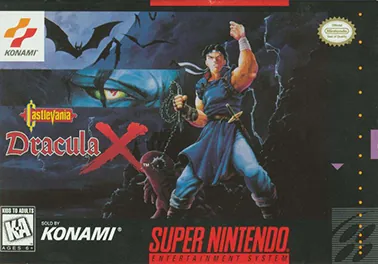 Castlevania: Dracula X SNES · 1995
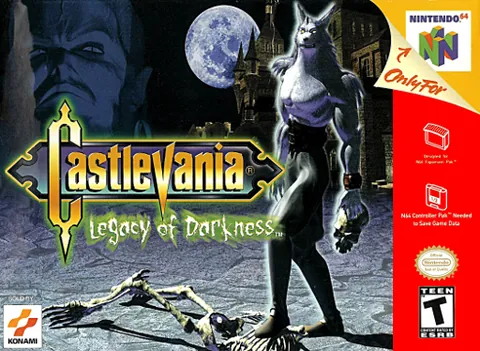 Castlevania: Legacy of Darkness N64 · 1999